

Algal Oil
Also known as: Algae Oil, Vegan DHA, Vegan Omega-3
Overview
Algal oil is a dietary supplement made from marine microalgae, the original source of many long-chain omega-3 fats found in the food chain. It is best known for providing docosahexaenoic acid (DHA) and, in some formulations, eicosapentaenoic acid (EPA). Because fish accumulate omega-3s by consuming algae, algal oil is often described as a direct, plant-based or vegan-friendly source of marine omega-3 fatty acids. It is commonly used by people who avoid fish or fish oil for dietary, ethical, sustainability, or allergen-related reasons.
DHA and EPA play important roles in human physiology. DHA is a structural fat concentrated in the brain, retina, and nervous system, while EPA is more often discussed in relation to inflammatory signaling and cardiovascular health. Research has long examined omega-3 status in relation to heart health, pregnancy and infant development, cognitive function, and eye health. In this context, algal oil has attracted attention as an alternative to fish oil that may support blood levels of DHA, and in some products EPA, without reliance on marine animal sources.
Interest in algal oil has increased alongside the growth of vegetarian and vegan diets, as well as broader interest in sustainable nutrition. Studies indicate that algal DHA is bioavailable, meaning it can raise blood DHA levels comparably to some traditional omega-3 sources. However, the clinical effects of algal oil can vary depending on the product’s composition, dose, the presence or absence of EPA, and the health outcome being studied. Not all algal oils are identical: some are DHA-dominant, while others are formulated to provide both DHA and EPA.
From a safety standpoint, algal oil is generally regarded as well tolerated in healthy adults when used in typical supplemental amounts, though gastrointestinal effects and product-specific tolerability can occur. As with any supplement, quality, purity, oxidation control, and third-party testing are relevant considerations. People with medical conditions, those who are pregnant or breastfeeding, and those taking medications that affect bleeding or lipid metabolism are often advised to discuss supplement use with a qualified healthcare professional.
Medical Perspectives
Two Ways of Seeing Health

Western
scientific · clinical
Western medicine applies science, technology, and clinical experience to treat symptoms through testing, diagnosis, and targeted intervention.

Eastern
traditional · alternative
Eastern medicine focuses on treating the body naturally by applying traditional knowledge practiced for thousands of years, emphasizing balance and whole-person wellness.
Gold Bamboo presents both perspectives side-by-side so you can make informed decisions. We don't advocate for one over the other — your health choices are yours.
Western Medicine Perspective
Western Medicine Perspective
In conventional nutrition and preventive medicine, algal oil is primarily understood as a source of long-chain omega-3 fatty acids, especially DHA. Western medicine does not treat algal oil as a medicine in itself, but as a nutritional supplement that may help address low intake of marine omega-3s. Clinical and nutritional research has focused on whether algal oil can improve omega-3 status, especially in populations who consume little or no seafood. Evidence suggests that algal DHA can effectively raise circulating DHA levels, and some newer algal formulations that contain EPA may broaden its relevance to areas traditionally studied with fish oil.
Conventional research most strongly supports algal oil for biomarker improvement rather than broad disease claims. For example, studies indicate that supplementation can increase plasma or red blood cell DHA, and may be useful in prenatal nutrition where DHA is important for fetal brain and eye development. Some research also explores effects on triglycerides, inflammatory markers, cognition, and visual function, but these outcomes are more mixed and often depend on formulation and study design. In cardiovascular discussions, the distinction between DHA-only products and EPA-containing products is important, because not all omega-3 clinical findings from fish oil can be assumed to apply equally to every algal oil supplement.
Safety assessments in the western literature generally find algal oil to have a favorable tolerability profile. Regulatory and expert bodies have evaluated certain algal-derived DHA oils for use in foods and supplements. Still, clinicians and researchers emphasize standard supplement cautions: possible digestive upset, variability in manufacturing quality, and the importance of reviewing use in people with complex medical histories or concurrent medications. Overall, western medicine views algal oil as a credible alternative omega-3 source, especially for vegetarians and vegans, with the strongest support in improving DHA intake and blood omega-3 levels.
Eastern & Traditional Perspective
Eastern and Traditional Medicine Perspective
In Traditional Chinese Medicine (TCM) and Ayurveda, algal oil is not a classic historical remedy in the same way as long-established herbs, mineral preparations, or traditional foods. As a modern supplement, it is therefore not usually categorized in classical texts under a single traditional framework. However, contemporary integrative practitioners may interpret it through broader traditional principles related to nourishment, vitality, cognitive support, and balance.
From an integrative TCM perspective, substances rich in essential fats may be discussed in relation to nourishing the body’s foundational resources, especially where modern practitioners draw connections to brain function, eye health, and dryness or deficiency patterns. These interpretations are conceptual rather than historically specific to algal oil itself. Similarly, in Ayurveda, oils and lipid nourishment can be understood through the lens of ojas, tissue nutrition, and nervous system support, with some practitioners considering omega-3-rich foods or supplements in the context of maintaining overall balance. These uses are generally extrapolated from traditional principles rather than drawn from classical algal oil use.
In naturopathy and other holistic systems, algal oil is often valued as a plant-based alternative to fish oil, especially for individuals seeking vegan approaches to nutritional support. It may be incorporated into broader discussions of anti-inflammatory dietary patterns, prenatal nutrition, and cognitive wellness. Even within these systems, however, practitioners typically distinguish between traditional theory and modern nutrient science. As a result, the eastern/traditional perspective on algal oil is best understood as integrative and adaptive, rather than deeply rooted in centuries of direct traditional use.
Supplements & Products
Recommended Products
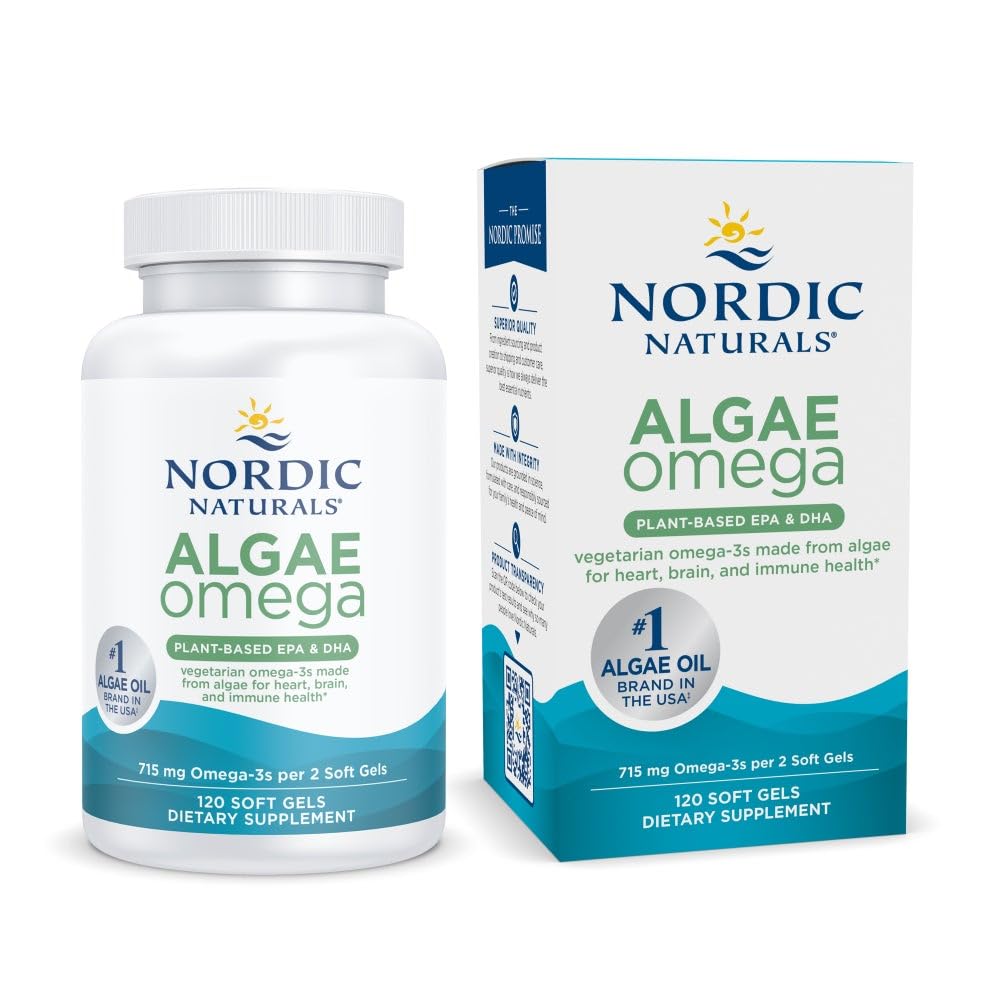
Nordic Naturals Algae Omega - 120 Soft Gels - 715 mg Omega-3 - Certified Vegan Algae Oil - Plant-Based EPA & DHA - Heart, Eye, Immune & Brain Health - Non-GMO - 60 Servings
Nordic Naturals Plant Based Ultimate Omega, Lemon Flavor - 60 Vegetarian Soft Gels - 1210 mg Omega-3 - Vegan EPA and DHA - Supplement Made from Algae - Brain & Heart Support - Non-GMO - 30 Serving

Ovega-3 Vegan Algae Omega-3 Daily Supplement, Supports Heart, Brain & Eye Health*, 500 mg Omega-3s, 135 mg EPA + 270 mg DHA, Fish Oil Alternative, No Fishy Aftertaste, Vegetarian Softgels 60 CT
Heart, brain and eye health <strong>each soft gel contains 500mg of omega 3s including at least 270mg of dha and at least 135 mg of epa</strong>, which supports heart, brain, eyes, and overall health.

The Omega-3 Effect: Everything You Need to Know About the Supernutrient for Living Longer, Happier, and Healthier: Sears MD FRCP, William, Sears MD, James
James M. Sears ... We all want to live as healthfully as possible. In The Omega-3 Effect, Dr. William Sears <strong>turns his attention to the critical role that omega-3s play in the body</strong>. Dr
Evidence & Sources
Promising research with growing clinical support from multiple studies
- National Institutes of Health Office of Dietary Supplements (Omega-3 Fatty Acids Fact Sheet)
- National Center for Complementary and Integrative Health (NCCIH)
- European Food Safety Authority (EFSA)
- World Health Organization (WHO)
- Journal of the American College of Nutrition
- Lipids
- The American Journal of Clinical Nutrition
- Nutrients
This content is for informational purposes only and does not constitute medical advice. Always consult a qualified healthcare provider before starting, stopping, or changing any supplement or medication regimen.