

Rheumatoid Arthritis and Omega-3 Fatty Acids (EPA/DHA)
Rheumatoid arthritis (RA) is an autoimmune, inflammatory joint disease driven by pro‑inflammatory cytokines and eicosanoids that fuel synovial inflammation and joint damage. Omega‑3 fatty acids from marine sources—eicosapentaenoic acid (EPA) and docosahexaenoic acid (DHA)—modulate many of these pathways. Incorporated into cell membranes, EPA/DHA compete with arachidonic acid for cyclooxygenase and lipoxygenase enzymes, leading to fewer pro‑inflammatory prostaglandins and leukotrienes and greater production of specialized pro‑resolving mediators (resolvins, protectins, maresins). They can reduce leukotriene B4–mediated neutrophil recruitment, dampen NF‑κB signaling, and modestly lower cytokines such as TNF‑α, IL‑1β, and IL‑6, which are central to RA pathophysiology. Clinical research spanning several decades suggests omega‑3 supplementation can offer modest, adjunctive benefits in RA. Randomized trials and meta‑analyses report small improvements in pain, morning stiffness, tender joint counts, and composite disease activity scores, with a consistent signal for reduced use of NSAIDs (an “NSAID‑sparing” effect). Benefits generally accrue over weeks to a few months. Evidence quality varies: many trials are older, small, and heterogeneous, though more recent syntheses still find clinically meaningful but modest effects. Observational data also link higher fish intake with lower RA risk, but such studies cannot prove causation. Practical considerations discussed in trials include studied intake ranges of combined EPA+DHA and common EPA:DHA ratios; concentrated supplements deliver higher amounts per serving compared with dietary fish, while fatty fish contributes additional nutrients (e.g., vitamin D, selenium). Because anti‑inflammatory membrane remodeling takes time, improvements typically emerge after 8–12 weeks. Expectations should be realistic: omega‑3s are not disease‑modifying on their own, but may help with symptoms and medication burden when added to standard RA
Updated August 8, 2026This content is for informational purposes only and does not constitute medical advice. Always consult a qualified healthcare provider before starting, stopping, or changing any supplement or medication regimen.
Medical Perspectives
Two Ways of Seeing Health

Western
scientific · clinical
Western medicine applies science, technology, and clinical experience to treat symptoms through testing, diagnosis, and targeted intervention.
Surgeons · Pharmaceuticals · Clinical trials · Diagnostics 
Eastern
traditional · alternative
Eastern medicine focuses on treating the body naturally by applying traditional knowledge practiced for thousands of years, emphasizing balance and whole-person wellness.
Acupuncture · Herbal medicine · Yoga · Meditation
Gold Bamboo presents both perspectives side-by-side so you can make informed decisions. We don't advocate for one over the other — your health choices are yours.
Two Ways of Seeing Health
Western
scientific · clinical
Western medicine applies science, technology, and clinical experience to treat symptoms through testing, diagnosis, and targeted intervention.
Eastern
traditional · alternative
Eastern medicine focuses on treating the body naturally by applying traditional knowledge practiced for thousands of years, emphasizing balance and whole-person wellness.
Gold Bamboo presents both perspectives side-by-side so you can make informed decisions. We don't advocate for one over the other — your health choices are yours.
Western Perspective
Western medicine views omega‑3 fatty acids as biologically plausible adjuncts for RA due to their effects on eicosanoids, cytokines, and pro‑resolving lipid mediators. Clinical trials indicate modest symptomatic improvements and reduced NSAID requirements, with less consistent changes in composite disease activity scores. Omega‑3s are not substitutes for DMARDs/biologics but may complement them.
Key Insights
- EPA/DHA incorporation into membranes reduces arachidonic‑acid–derived prostaglandins/leukotrienes and increases pro‑resolving mediators (resolvins/protectins).
- Meta‑analyses of RCTs show small improvements in pain, morning stiffness, and tender joint counts; NSAID‑sparing is a consistent finding.
- Time to benefit in trials is typically 8–12 weeks, aligning with the biology of membrane remodeling.
- Adjunctive use with DMARDs may support disease control and medication sparing; evidence is variable but suggestive in some modern trials.
- Safety profile is generally favorable; bleeding risk appears low at commonly studied intakes but warrants attention in patients on anticoagulants/antiplatelets.
Treatments
- Adjunctive marine omega‑3 (EPA/DHA) supplementation
- Dietary fish intake as part of an anti‑inflammatory or Mediterranean‑style diet
- Standard RA therapy: conventional synthetic DMARDs (e.g., methotrexate), biologics/targeted synthetic DMARDs
- Analgesics/NSAIDs and short courses of glucocorticoids as needed
Deep Dive
From a western perspective, omega‑3 fatty acids intersect RA biology at multiple control points of inflammation. EPA and DHA are incorporated in... From a western perspective, omega‑3 fatty acids intersect RA biology at multiple control points of inflammation. EPA and DHA are incorporated into phospholipid membranes of leukocytes and synovial cells, displacing arachidonic acid and shifting the substrate pool for cyclooxygenase and lipoxygenase enzymes. This biochemical change yields fewer pro‑inflammatory eicosanoids (e.g., PGE2, LTB4) that otherwise amplify synovial hyperplasia and neutrophil chemotaxis. Concomitantly, marine omega‑3s serve as precursors to specialized pro‑resolving mediators—resolvins, protectins, and maresins—that actively promote resolution, limit neutrophil infiltration, and enhance efferocytosis. In vitro and ex vivo work demonstrates dampened NF‑κB signaling and modest reductions in TNF‑α, IL‑1β, and IL‑6, aligning with mechanisms targeted by biologics. Clinical trials have translated these mechanistic insights into modest adjunctive benefits. Randomized controlled trials and meta‑analyses report small but meaningful improvements in pain, morning stiffness, and tender joint counts, with a particularly consistent decrease in NSAID consumption. Effects on composite disease activity (e.g., DAS28) are present but generally modest. The time course—8 to 12 weeks—matches the kinetics of membrane remodeling, suggesting adherence and duration matter. A modern trial in early RA hinted that fish oil added to DMARDs may support remission and reduce treatment escalation, though contemporary, adequately powered studies alongside current treat‑to‑target regimens are still needed. In practice, omega‑3s are viewed as adjuncts rather than substitutes for DMARDs or biologics. Diet quality also matters: regular fatty fish intake appears beneficial and aligns with cardiometabolic risk reduction, an important consideration in RA. Safety is favorable overall; gastrointestinal upset and fishy aftertaste are the most common issues. While large analyses suggest minimal bleeding risk at commonly studied intakes, clinicians typically monitor patients on anticoagulants or antiplatelets and consider perioperative plans. No major pharmacokinetic interactions with DMARDs are established, but careful coordination with the care team supports safe integration.
Sources
- Calder PC. Marine omega‑3 fatty acids and inflammatory processes. Proc Nutr Soc. 2021.
- Serhan CN. Pro‑resolving lipid mediators in inflammation. Nat Rev Immunol. 2014.
- Gioxari A et al. Effects of omega‑3 PUFAs on rheumatoid arthritis: systematic review & meta‑analysis. Nutrition. 2018.
- Lee YH, Bae SC. Omega‑3 PUFAs and RA: meta‑analysis of RCTs. Br J Nutr. 2012.
- Kremer JM et al. Fish‑oil supplementation in RA: RCTs. Arthritis Rheum. 1995.
- Proudman SM et al. Fish oil plus DMARDs in early RA: RCT. Ann Rheum Dis. 2015.
- Di Giuseppe D et al. Long‑term fish intake and RA risk. Ann Rheum Dis. 2014.
Eastern Perspective
Traditional systems conceptualize RA‑like illness as systemic imbalance. In Traditional Chinese Medicine (TCM), RA corresponds to Bi syndrome (painful obstruction) driven by wind‑cold‑damp or heat lodged in the channels and joints. In Ayurveda, amavata reflects accumulation of ama (metabolic by‑products) and vata/pitta disturbance. While fish oil is not a classical remedy, integrative practitioners map omega‑3–rich foods and oils to dietary strategies that ‘cool’ inflammation, moisten dryness, and support resolution alongside acupuncture, herbal formulas, and lifestyle therapies.
Key Insights
- TCM Bi syndrome emphasizes clearing heat/damp, moving blood and qi, and nourishing liver–kidney to protect sinews and bones; diet therapy can complement this approach.
- Ayurveda addresses amavata by reducing ama with light, digestible foods, spices that kindle agni, and oils that pacify vata; plant omega‑3 sources (e.g., flaxseed) are sometimes used within this framework.
- Modern integrative practice adopts marine omega‑3s as ‘cooling’ and anti‑inflammatory adjuncts aligned with anti‑inflammatory diets.
- Evidence for acupuncture and certain herbs (e.g., turmeric/curcumin, Boswellia) in RA symptom relief is growing; omega‑3s may be combined thoughtfully with these modalities.
Treatments
- Dietary emphasis on omega‑3–rich foods (fatty fish where appropriate; plant sources like flax/chia/perilla in vegetarian traditions)
- Acupuncture and moxibustion tailored to Bi syndrome patterning
- Herbal supports used in RA care (e.g., turmeric/curcumin, Boswellia serrata, thunder god vine under expert supervision)
- Lifestyle practices: gentle movement (tai chi/yoga), stress reduction, and sleep optimization
Deep Dive
Traditional frameworks interpret RA‑like illness as a manifestation of systemic disequilibrium affecting joints and connective tissues. In TCM, ... Traditional frameworks interpret RA‑like illness as a manifestation of systemic disequilibrium affecting joints and connective tissues. In TCM, Bi syndrome reflects the invasion and lodging of wind, cold, damp, or heat in the channels, obstructing the free flow of qi and blood. Over time, heat and stasis can damage the liver‑kidney system that nourishes tendons and bones, paralleling the western idea of chronic inflammatory injury. Treatment aims to clear pathogenic factors, move qi and blood, and nourish underlying deficiencies. Although fish oil is not a classical TCM remedy, modern TCM‑informed nutrition may frame marine omega‑3s as ‘cooling’ and moistening supports that help disperse inflammatory heat and dryness, complementing acupuncture and individualized herbal formulas for Bi patterns. Ayurveda’s amavata centers on ama (undigested metabolic residues) and disturbed vata/pitta doshas. Cleansing light foods, spices that kindle digestive fire (agni), and unctuous measures to pacify vata are emphasized. Within vegetarian traditions, plant sources rich in alpha‑linolenic acid (such as flaxseed/alsi) can be used, acknowledging that conversion to EPA/DHA is limited. Integrative Ayurvedic practice may include marine omega‑3s when acceptable to the patient, alongside herbs like turmeric and Boswellia that share anti‑inflammatory actions in modern studies. Movement therapies (yoga, tai chi) and attention to sleep and stress further address the terrain in which inflammation flourishes. Both traditions value diet as a therapeutic lever and see symptomatic relief as part of a broader strategy to restore balance and function. The emerging research base for omega‑3s fits this ethos: they are not curative, but can ease pain and stiffness and reduce reliance on symptomatic drugs. Practitioners integrate them with pattern‑based treatments and lifestyle measures, with attention to digestion, constitution, and potential interactions. Collaboration with biomedical teams ensures safe use alongside DMARDs and, when needed, surgical care.
Sources
- Chen & Wang. Internal Medicine of TCM (Bi Syndrome), People’s Medical Publishing House.
- Sharma & Dash (trs.). Charaka Samhita (Ayurveda) – concepts of ama and vata/pitta.
- Daily JW et al. Efficacy of curcumin in RA: systematic review. J Med Food. 2016.
- Yang C et al. Acupuncture for RA: systematic review. Evid Based Complement Alternat Med. 2020.
Evidence Ratings
EPA/DHA reduce production of arachidonic‑acid–derived pro‑inflammatory eicosanoids and increase pro‑resolving mediators relevant to RA.
Calder PC. Proc Nutr Soc. 2021; Serhan CN. Nat Rev Immunol. 2014.
Omega‑3 supplementation modestly reduces RA pain and morning stiffness.
Gioxari A et al. Nutrition. 2018; Lee YH, Bae SC. Br J Nutr. 2012.
Adjunctive omega‑3s reduce NSAID use in RA (NSAID‑sparing effect).
Gioxari A et al. Nutrition. 2018; Kremer JM et al. Arthritis Rheum. 1995.
Omega‑3s yield small improvements in composite disease activity (e.g., DAS28) when added to standard care.
Gioxari A et al. Nutrition. 2018.
Clinical benefits typically appear after 8–12 weeks of omega‑3 use.
Kremer JM et al. Arthritis Rheum. 1995; Lee YH, Bae SC. Br J Nutr. 2012.
Higher habitual fish intake is associated with a lower risk of developing RA.
Di Giuseppe D et al. Ann Rheum Dis. 2014.
Omega‑3s have a generally favorable safety profile with a low bleeding signal at commonly studied intakes, but caution is warranted with anticoagulants/antiplatelets.
Wachira JK, Larson MK, Harris WS. Prostaglandins Leukot Essent Fatty Acids. 2014.
Adding fish oil to background DMARD therapy may improve remission rates and reduce escalation needs in early RA.
Proudman SM et al. Ann Rheum Dis. 2015.
Sources
- Calder PC. Marine omega‑3 fatty acids and inflammatory processes: Implications for health. Proc Nutr Soc. 2021.
- Serhan CN. Pro‑resolving lipid mediators in the resolution of inflammation. Nat Rev Immunol. 2014.
- Gioxari A, Kaliora AC, Marantidou F, Panagiotakos DP. Intake of omega‑3 fatty acids in patients with rheumatoid arthritis: a systematic review and meta‑analysis. Nutrition. 2018.
- Lee YH, Bae SC. Omega‑3 polyunsaturated fatty acids and the treatment of rheumatoid arthritis: a meta‑analysis. Br J Nutr. 2012.
- Kremer JM et al. Effects of high‑dose fish oil on rheumatoid arthritis. Arthritis Rheum. 1995.
- Proudman SM, Cleland LG, James MJ, et al. Fish oil in recent‑onset rheumatoid arthritis treated with disease‑modifying drugs: a randomized controlled trial. Ann Rheum Dis. 2015.
- Di Giuseppe D, Wallin A, Bottai M, et al. Long‑term intake of dietary long‑chain n‑3 polyunsaturated fatty acids and risk of rheumatoid arthritis. Ann Rheum Dis. 2014.
- Wachira JK, Larson MK, Harris WS. n‑3 Fatty acids affect haemostasis but do not increase the risk of bleeding: clinical observations and mechanistic insights. Prostaglandins Leukot Essent Fatty Acids. 2014.
Related Topics
Recommended Products

The Omega-3 Effect: Everything You Need to Know About the Supernutrient for Living Longer, Happier, and Healthier: Sears MD FRCP, William, Sears MD, James
James M. Sears ... We all want to live as healthfully as possible. In The Omega-3 Effect, Dr. William Sears <strong>turns his attention to the critical role that omega-3s play in the body</strong>. Dr

Nordic Naturals Ultimate Omega, Lemon Flavor - 90 Soft Gels - 1280 mg Omega-3 - High-Potency Omega-3 Fish Oil Supplement with EPA & DHA - Promotes Brain & Heart Health - Non-GMO - 45 Servings
Buy Nordic Naturals Ultimate Omega, Lemon Flavor - 90 Soft Gels - 1280 mg Omega-3 - High-Potency Omega-3 Fish Oil Supplement with EPA & DHA - Promotes Brain & Heart Health - Non-GMO - 45 Servi
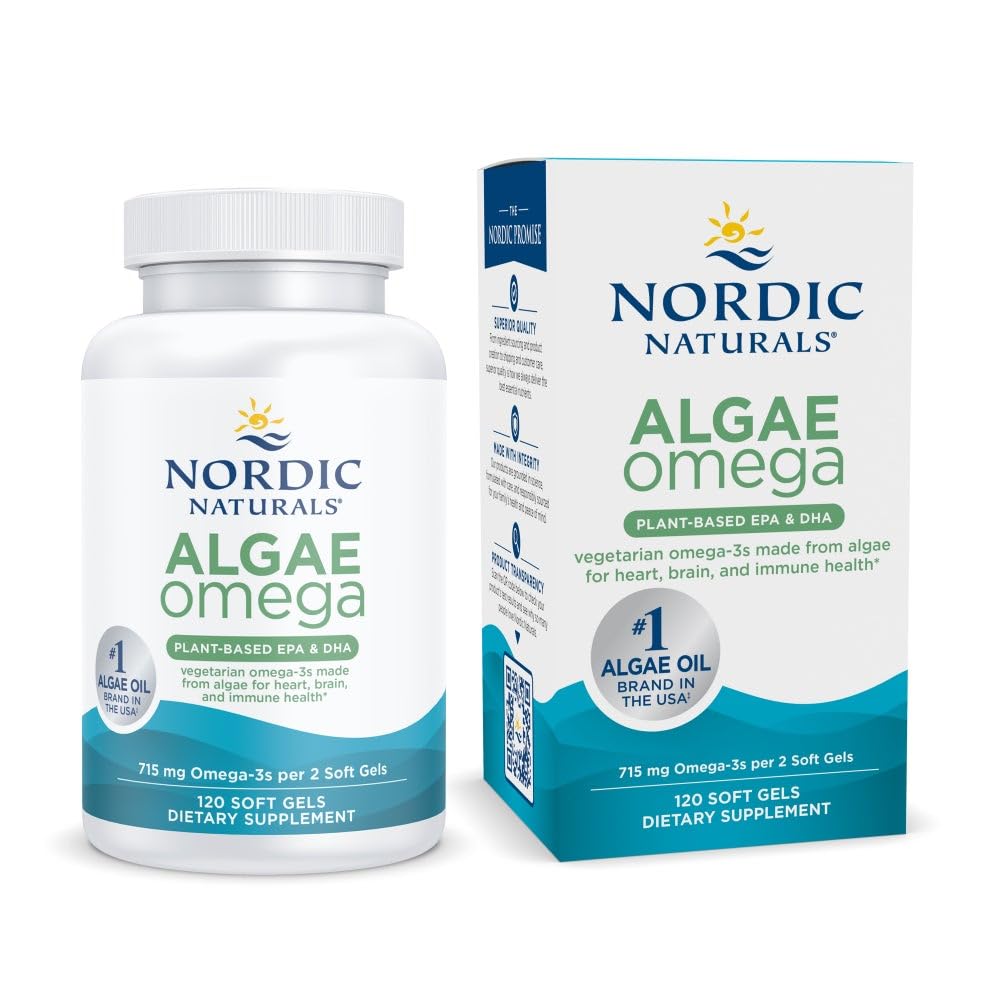
Nordic Naturals Algae Omega - 120 Soft Gels - 715 mg Omega-3 - Certified Vegan Algae Oil - Plant-Based EPA & DHA - Heart, Eye, Immune & Brain Health - Non-GMO - 60 Servings
Nordic Naturals Plant Based Ultimate Omega, Lemon Flavor - 60 Vegetarian Soft Gels - 1210 mg Omega-3 - Vegan EPA and DHA - Supplement Made from Algae - Brain & Heart Support - Non-GMO - 30 Serving
Health Disclaimer
This content is for informational purposes only and does not constitute medical advice. Always consult a qualified healthcare provider before starting, stopping, or changing any supplement or medication regimen.