

Rheumatoid Arthritis
Rheumatoid Arthritis: Overview
Rheumatoid arthritis (RA) is a chronic autoimmune and inflammatory condition that primarily affects the joints, but may also involve the eyes, lungs, heart, blood vessels, skin, and other organs. Unlike osteoarthritis, which is largely associated with wear-and-tear changes, RA develops when the immune system mistakenly targets the lining of the joints (synovium), leading to persistent inflammation. Over time, this inflammatory process can contribute to pain, swelling, morning stiffness, loss of function, and structural joint damage.
RA is considered one of the most significant inflammatory joint diseases because of its potential to affect quality of life, mobility, work capacity, and long-term overall health. It often appears in a symmetrical pattern, such as involving both hands, wrists, or feet, and many people experience fatigue, low-grade fever, or a general sense of malaise in addition to joint symptoms. Research suggests that RA arises from a combination of genetic susceptibility, immune dysregulation, hormonal influences, and environmental triggers such as smoking, certain occupational exposures, and possibly alterations in the microbiome.
Globally, RA affects a meaningful portion of the adult population and is more common in women than in men. Its course can vary considerably: some individuals experience intermittent flares and remissions, while others have more persistent active disease. Because uncontrolled inflammation may increase the risk of joint deformity, disability, osteoporosis, cardiovascular disease, and other systemic complications, early recognition and ongoing medical evaluation are considered important in conventional care.
From an integrative health perspective, RA is often understood as a condition with both local joint manifestations and whole-body implications. Conventional medicine focuses on immune-mediated inflammation and prevention of structural damage, while traditional systems such as Traditional Chinese Medicine (TCM), Ayurveda, and naturopathy may interpret RA through patterns involving imbalance, stagnation, impaired digestion/metabolism, or dysregulated vital energy. Across all frameworks, individualized assessment remains central, and consultation with qualified healthcare professionals is important when symptoms are persistent, progressive, or affecting daily function.
Compare Treatment Options
Rheumatoid arthritis (RA) is a chronic autoimmune disease in which the immune system drives inflammation in the lining of joints and sometimes in other organs, including the lungs, eyes, skin, and blood vessels. It often causes joint pain, swelling, morning stiffness, fatigue, and reduced function, especially in the hands, wrists, and feet. Compared with osteoarthritis, RA is more strongly linked to systemic inflammation and long-term risk of joint erosion, disability, and increased cardiovascular burden. Treatment options vary because RA is not a single-pattern illness. Some people are early in the disease course with intermittent flares, while others have persistent inflammation, visible joint damage, or symptoms that continue despite standard therapy. In Western medicine, the main goal is to reduce immune-driven inflammation and prevent structural damage using disease-modifying therapy, often alongside physical therapy and symptom relief strategies. In Eastern medicine, approaches such as acupuncture and traditional herbal medicine are often used to support pain control, function, fatigue, and overall symptom burden. A balanced review of options is helpful because evidence strength, time to benefit, cost, risk tolerance, and urgency differ widely across treatments.
View treatment comparison (6 options)Medical Perspectives
Two Ways of Seeing Health

Western
scientific · clinical
Western medicine applies science, technology, and clinical experience to treat symptoms through testing, diagnosis, and targeted intervention.

Eastern
traditional · alternative
Eastern medicine focuses on treating the body naturally by applying traditional knowledge practiced for thousands of years, emphasizing balance and whole-person wellness.
Gold Bamboo presents both perspectives side-by-side so you can make informed decisions. We don't advocate for one over the other — your health choices are yours.
Western Medicine Perspective
Western Medicine Perspective
In conventional medicine, rheumatoid arthritis is classified as an autoimmune inflammatory arthritis. The disease process involves complex immune signaling pathways, including cytokines such as tumor necrosis factor (TNF), interleukin-6 (IL-6), and other mediators that drive synovial inflammation and joint destruction. Diagnosis is typically based on a combination of clinical findings, laboratory markers, and imaging. Commonly evaluated markers include rheumatoid factor (RF) and anti-cyclic citrullinated peptide (anti-CCP) antibodies, along with inflammatory markers such as ESR and CRP. Ultrasound, X-ray, and MRI may be used to assess inflammation and structural changes.
Conventional management is centered on controlling inflammation, reducing symptoms, preserving function, and limiting long-term joint damage. Research strongly supports the use of disease-modifying antirheumatic drugs (DMARDs), including conventional synthetic agents and biologic or targeted therapies, as key tools in altering disease progression. Nonsteroidal anti-inflammatory drugs and corticosteroids may also be used in some contexts for symptom control, though these do not replace disease-modifying strategies. Physical therapy, occupational therapy, exercise-based rehabilitation, and monitoring for cardiovascular, bone, and pulmonary complications are often part of a broader care plan.
Western medicine increasingly recognizes RA as a systemic inflammatory disease, not merely a joint disorder. Studies indicate that disease activity may correlate with elevated cardiovascular risk, fatigue burden, mood changes, and impaired sleep. As a result, contemporary care often includes multidisciplinary attention to comorbidities, mental health, nutrition, movement, and smoking cessation. Because treatment decisions depend on disease severity, organ involvement, medication tolerance, and individual risk factors, medical management is generally tailored and requires ongoing follow-up with a licensed clinician.
Eastern & Traditional Perspective
Eastern and Traditional Medicine Perspective
In Traditional Chinese Medicine (TCM), rheumatoid arthritis-like presentations are often discussed under categories such as Bi syndrome, in which pain, stiffness, heaviness, and reduced mobility are associated with the obstruction of qi and blood through the meridians. These patterns may be attributed to influences described as wind, cold, damp, or heat, with different symptom patterns corresponding to different underlying imbalances. For example, joints that feel heavy and swollen may be interpreted differently from joints that are hot, red, and acutely painful. TCM assessment typically considers the whole-person pattern, including digestion, sleep, energy, and tongue and pulse findings.
Traditional East Asian approaches may include acupuncture, moxibustion, herbal formulas, bodywork practices, tai chi, and qigong, depending on the practitioner’s framework and the individual’s presentation. Some modern studies suggest acupuncture may help with pain, stiffness, or quality-of-life measures in inflammatory and musculoskeletal conditions, although evidence specific to RA is mixed and often limited by study quality and heterogeneity. Herbal medicine has a long history of traditional use, but quality control, herb-drug interactions, and safety monitoring are important considerations, particularly because many people with RA also use prescription immune-modulating medications.
In Ayurveda, RA-like syndromes are often compared with Amavata, a condition traditionally associated with the accumulation of ama (incompletely processed metabolic byproducts) together with aggravated vata, leading to pain, swelling, stiffness, and systemic symptoms. Ayurvedic interpretation commonly emphasizes digestion, metabolic balance, tissue nourishment, and the relationship between systemic imbalance and joint inflammation. Therapeutic approaches described in classical and contemporary Ayurvedic practice may include dietary regulation, herbal preparations, oil-based therapies, gentle movement, and detoxification-oriented methods, though modern clinical evidence varies substantially across interventions.
Naturopathic and other traditional systems often frame RA within a broader context of immune balance, inflammation, gut health, stress physiology, sleep, and lifestyle patterns. These perspectives may emphasize anti-inflammatory dietary patterns, mind-body support, and individualized nonpharmacologic care. While some complementary approaches show emerging evidence for symptom support, they are generally viewed as adjunctive rather than curative, and healthcare provider oversight is important because untreated or undertreated RA can lead to irreversible joint damage and systemic complications.
Related Topics
Dry Eye
Dry Eye — condition topic in the Gold Bamboo health ontology.
Heart Disease
Heart Disease — condition topic in the Gold Bamboo health ontology.
Interstitial Lung Disease
Interstitial Lung Disease — condition topic in the Gold Bamboo health ontology.
How They Relate
Rheumatoid Arthritis & Cardiovascular Disease
Rheumatoid arthritis (RA) is a chronic, systemic autoimmune disease driven by inflammation that affects joints and multiple organs. Cardiovascular disease (CVD) encompasses coronary artery disease,...
Dry Eye & Rheumatoid Arthritis
Dry eye disease (DED) and rheumatoid arthritis (RA) intersect through shared autoimmune biology and overlapping risk profiles. In RA, immune dysregulation can target exocrine tissues, including the...
Heart Disease & Rheumatoid Arthritis
Heart disease and rheumatoid arthritis (RA) are closely connected. People living with RA face a substantially higher risk of cardiovascular events—including heart attack, stroke, and heart failure—...
Rheumatoid Arthritis & Interstitial Lung Disease
Rheumatoid arthritis (RA) is a systemic autoimmune disease primarily known for joint inflammation but it can also involve the lungs. Interstitial lung disease (ILD) is one of the most serious extra...
Rheumatoid Arthritis & Omega-3 Fatty Acids (EPA/DHA)
Rheumatoid arthritis (RA) is an autoimmune, inflammatory joint disease driven by pro‑inflammatory cytokines and eicosanoids that fuel synovial inflammation and joint damage. Omega‑3 fatty acids fro...
Supplements & Products
Recommended Products

Mayo Clinic Guide to Arthritis: Managing Joint Pain for an Active Life: Peterson M.D., Lynne S.
Lynne S. Peterson ... From the rheumatology experts at Mayo Clinic comes <strong>a complete guide on arthritis</strong>.

Nordic Naturals Ultimate Omega 2X, Lemon Flavor - 60 Soft Gels - 2150 mg Omega-3 - High-Potency Fish Oil with EPA & DHA - Promotes Brain & Heart Health - Non-GMO - 30 Servings
Highly-concentrated Ultimate Omega 2X products <strong>deliver more omega-3s EPA+DHA per serving for superior heart, brain, and immune system support in fewer soft gels</strong>.* High-intensity omega
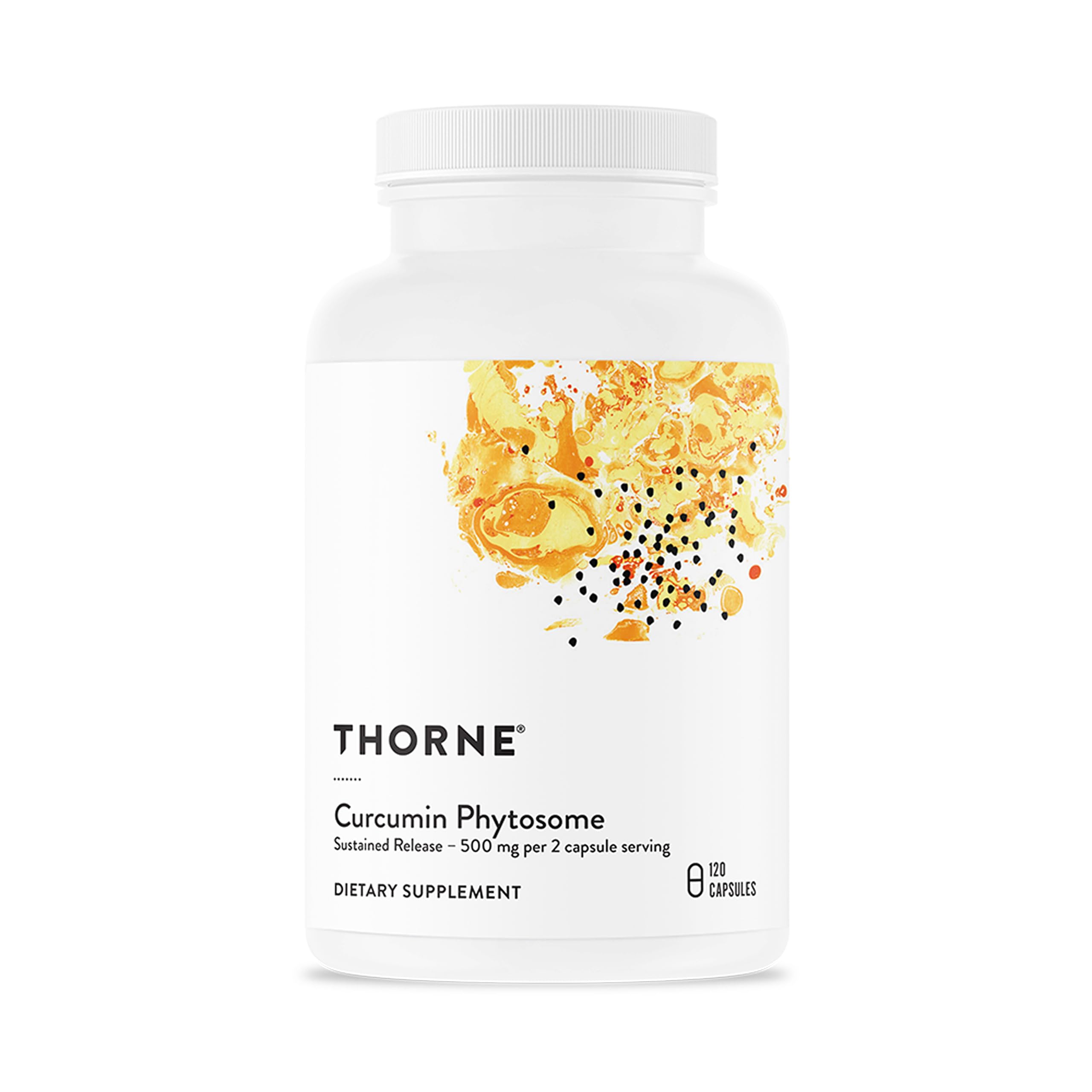
THORNE - Curcumin Phytosome 500 mg (Meriva) - Sustained Release, Clinically Studied - Supports Healthy Inflammatory Response in Joints, Muscles, GI Tract, Liver, Brain & Nerves* - 60 Servings
Buy THORNE - Curcumin Phytosome 500 mg (Meriva) - Sustained Release, Clinically Studied - <strong>Supports Healthy Inflammatory Response in Joints, Muscles, GI Tract, Liver, Brain & Nerves</strong
Evidence & Sources
Supported by multiple clinical trials and systematic reviews
- American College of Rheumatology
- Arthritis Foundation
- National Institute of Arthritis and Musculoskeletal and Skin Diseases (NIAMS)
- World Health Organization
- Annals of the Rheumatic Diseases
- Arthritis & Rheumatology
- The Lancet
- Nature Reviews Rheumatology
- National Center for Complementary and Integrative Health (NCCIH)
This content is for informational purposes only and does not constitute medical advice. Always consult a qualified healthcare provider before starting, stopping, or changing any supplement or medication regimen.