

Rheumatoid Arthritis and Cardiovascular Disease
Rheumatoid arthritis (RA) is a chronic, systemic autoimmune disease driven by inflammation that affects joints and multiple organs. Cardiovascular disease (CVD) encompasses coronary artery disease, stroke, and heart failure and remains the leading cause of death worldwide. Understanding their relationship matters because people with RA experience substantially higher rates of CVD events and earlier onset of atherosclerosis than the general population, which impacts prognosis, longevity, and quality of life. Epidemiologically, large cohort studies and meta-analyses show that RA raises overall CVD risk by about 50% compared with peers without RA. Myocardial infarction risk is roughly 1.6–1.7-fold higher, stroke risk about 1.3–1.5-fold higher, and heart failure risk approximately 1.5–2-fold higher. CVD accounts for a significant portion of excess mortality in RA. Importantly, higher RA disease activity and frequent flares correlate with greater CVD risk, indicating that inflammatory burden is not merely coincidental but contributory. Biologically, immune-mediated inflammation characteristic of RA accelerates atherogenesis. Cytokines such as TNF-α and IL-6 promote endothelial dysfunction, oxidative stress, and plaque formation; they also impair HDL function and create a prothrombotic milieu. During RA flares, spikes in CRP and interleukins can destabilize plaques and worsen microvascular function, helping to explain event clustering around periods of high disease activity. Traditional CVD risk factors—smoking, dyslipidemia, hypertension, insulin resistance, obesity, and physical inactivity—are common in RA and often under-recognized. RA-specific contributors include chronic systemic inflammation, altered lipid metabolism (including dysfunctional HDL), and medication effects. Disease-modifying anti-rheumatic drugs (DMARDs) that control inflammation—such as methotrexate and certain biologics (e.g., TNF inhibitors, IL-6 inhibitors)—are associated with lower CVD event or
Updated September 8, 2026This content is for informational purposes only and does not constitute medical advice. Always consult a qualified healthcare provider before starting, stopping, or changing any supplement or medication regimen.
Shared Risk Factors
Chronic systemic inflammation
Strong EvidencePro-inflammatory cytokines (e.g., TNF-α, IL-6) drive endothelial dysfunction, oxidative stress, and plaque formation; higher RA activity predicts greater CVD risk.
Smoking
Strong EvidenceMajor risk factor for both RA and CVD; promotes autoimmunity (citrullination) and vascular injury.
Atherogenic dyslipidemia and HDL dysfunction
Moderate EvidenceRA-related inflammation alters lipid quantity and quality, including impaired HDL anti-inflammatory function.
Hypertension and arterial stiffness
Moderate EvidenceRA is associated with increased arterial stiffness and underdiagnosed hypertension.
Obesity, insulin resistance, and metabolic syndrome
Moderate EvidenceAdiposity and insulin resistance are more prevalent in RA and compound inflammatory pathways.
Physical inactivity/sedentary behavior
Moderate EvidencePain and fatigue in RA reduce physical activity levels, diminishing cardiometabolic fitness.
Corticosteroid exposure (medication-related)
Moderate EvidenceSystemic glucocorticoids elevate blood pressure, glucose, and weight; risk rises with dose and duration.
Comorbidity Data
Prevalence
RA confers ~1.5× higher overall CVD risk; myocardial infarction ~1.6–1.7×, stroke ~1.3–1.5×, and heart failure ~1.5–2× versus general population. CVD is a major contributor to excess RA mortality.
Mechanistic Link
Systemic inflammation (TNF-α, IL-6, CRP) induces endothelial dysfunction, oxidative stress, HDL dysfunction, insulin resistance, and prothrombotic pathways, accelerating atherosclerosis. Disease activity and flares correlate with event risk.
Clinical Implications
RA patients benefit from early and periodic CVD risk assessment, aggressive control of traditional risk factors, inflammation control with DMARDs/biologics, minimization of chronic steroids and high-risk NSAIDs, and coordinated rheumatology–cardiology care. Consider RA-adjusted risk tools and, when appropriate, imaging (e.g., carotid ultrasound, coronary calcium) for reclassification.
Sources (4)
- Avina-Zubieta JA et al. Ann Rheum Dis. 2012.
- Avina-Zubieta JA et al. Arthritis Rheum. 2008.
- Crowson CS et al. Arthritis Rheum. 2013.
- Agca A et al. EULAR Recommendations. Ann Rheum Dis. 2017; 2022 update.
Overlapping Treatments
Methotrexate (MTX)
Moderate EvidenceAnchor DMARD; lowers RA disease activity and flares.
Observational and meta-analytic data associate MTX use with reduced CVD events and mortality, likely via inflammation control.
Monitor hepatic, hematologic, and pulmonary safety; folate co-administration typical; teratogenic.
TNF inhibitors
Moderate EvidenceReduce RA inflammation and structural progression.
Linked to lower MI and overall CVD events compared with non-biologic therapy in cohorts/meta-analyses.
Avoid in moderate–severe heart failure; infection risk; screening for TB/hepatitis required.
IL-6 inhibitors (e.g., tocilizumab, sarilumab)
Moderate EvidenceEffective control of RA signs/symptoms and systemic inflammation.
Increase lipids but have not shown higher MACE versus comparators; improved inflammation may offset lipid changes.
Monitor lipids and liver enzymes; infection risk.
Hydroxychloroquine
Emerging ResearchUseful in milder RA and as combination DMARD; symptomatic benefit.
Improves glycemic and lipid parameters; some cohorts suggest fewer CVD events.
Retinal toxicity monitoring; rare QT prolongation—caution with other QT-prolonging drugs.
Statins
Strong EvidenceAnti-inflammatory effects (↓CRP) observed; safe in RA and may modestly improve RA activity.
Reduce LDL and CVD events; RA-specific trial showed substantial LDL reduction and non-significant trend to event reduction due to low event rate.
Myalgias, liver enzyme monitoring; drug–drug interactions.
Mediterranean-style dietary pattern
Strong EvidenceSmall trials suggest improved pain, function, and inflammatory markers.
Robust evidence for lowering CVD events and improving cardiometabolic risk.
Requires sustained adherence; tailor for individual preferences and allergies.
Regular aerobic and resistance exercise
Strong EvidenceImproves pain, function, fatigue, and mood without worsening disease activity.
Lowers BP, improves cardiorespiratory fitness and metabolic health, reduces CVD risk.
Programs should be individualized; joint-friendly modalities (e.g., cycling, water exercise) may be preferred.
Omega-3 fatty acids (fish oil)
Moderate EvidenceModerate evidence for reduced joint pain and NSAID use.
Lowers triglycerides; some formulations reduce CVD events in high-risk groups.
Bleeding risk with anticoagulants/antiplatelets; GI side effects; product quality varies.
Medical Perspectives
Two Ways of Seeing Health

Western
scientific · clinical
Western medicine applies science, technology, and clinical experience to treat symptoms through testing, diagnosis, and targeted intervention.
Surgeons · Pharmaceuticals · Clinical trials · Diagnostics 
Eastern
traditional · alternative
Eastern medicine focuses on treating the body naturally by applying traditional knowledge practiced for thousands of years, emphasizing balance and whole-person wellness.
Acupuncture · Herbal medicine · Yoga · Meditation
Gold Bamboo presents both perspectives side-by-side so you can make informed decisions. We don't advocate for one over the other — your health choices are yours.
Two Ways of Seeing Health
Western
scientific · clinical
Western medicine applies science, technology, and clinical experience to treat symptoms through testing, diagnosis, and targeted intervention.
Eastern
traditional · alternative
Eastern medicine focuses on treating the body naturally by applying traditional knowledge practiced for thousands of years, emphasizing balance and whole-person wellness.
Gold Bamboo presents both perspectives side-by-side so you can make informed decisions. We don't advocate for one over the other — your health choices are yours.
Western Perspective
Western medicine recognizes RA as an independent risk enhancer for cardiovascular disease, mediated by systemic inflammation and compounded by traditional risk factors. The clinical approach integrates aggressive control of RA activity with comprehensive CVD risk management.
Key Insights
- RA increases risk of MI, stroke, and heart failure by roughly 1.3–2× compared with non-RA peers.
- Inflammatory burden and flares correlate with CVD events, supporting a causal role for cytokine-driven endothelial dysfunction and atherogenesis.
- Certain DMARDs/biologics (e.g., methotrexate, TNF inhibitors) are associated with fewer CVD events, whereas chronic glucocorticoids and some NSAIDs increase risk.
- Risk tools may underestimate CVD in RA; EULAR recommends adjustments or RA-inclusive calculators (e.g., QRISK3).
- Cross-specialty coordination helps align RA therapy choices with cardiovascular safety (e.g., caution with TNF inhibitors in heart failure, JAK inhibitor risk stratification).
Treatments
- Tight RA control with MTX and appropriate biologics/targeted agents
- Minimization of long-term systemic corticosteroids
- Aggressive management of lipids, BP, glucose (statins, antihypertensives)
- Smoking cessation, exercise, and cardioprotective nutrition
- Use of imaging (carotid ultrasound/CAC) for selected risk reclassification
Deep Dive
From a Western clinical perspective, rheumatoid arthritis (RA) is now firmly established as a cardiovascular risk condition. Decades of observat... From a Western clinical perspective, rheumatoid arthritis (RA) is now firmly established as a cardiovascular risk condition. Decades of observational data and meta-analyses show that overall cardiovascular disease (CVD) risk is approximately 1.5 times higher in RA, with myocardial infarction, stroke, and heart failure elevated by about 1.3–2-fold. The mechanistic bridge is systemic inflammation: cytokines such as TNF-α and IL-6 impair endothelial function, increase oxidative stress, and create a prothrombotic, pro-atherogenic environment. Inflammation also alters lipid quality—particularly HDL function—and drives insulin resistance, compounding traditional risk factors. Clinically, CVD events tend to cluster with higher RA disease activity and flares, underscoring inflammation’s causal role. These insights shape care priorities. EULAR and other societies recommend routine CVD risk assessment for RA, either using RA-inclusive calculators (e.g., QRISK3) or adjusting conventional tools to account for underestimation. When risk is borderline or uncertain, vascular imaging (carotid ultrasound or coronary calcium scoring) can refine stratification. Management aligns two parallel tracks: (1) tight control of RA inflammation using methotrexate and, when needed, biologics or targeted synthetic agents; and (2) aggressive modification of traditional risk factors—lipids, blood pressure, glycemia, weight, and smoking. Methotrexate and TNF inhibitors are associated with fewer CVD events, likely because they reduce inflammatory burden. IL-6 inhibitors raise lipids but have not increased major adverse cardiovascular events (MACE) compared with other agents in controlled analyses. By contrast, chronic glucocorticoids and some NSAIDs (notably certain COX-2–selective and diclofenac) raise cardiovascular risk, guiding clinicians to minimize exposure and choose safer alternatives when possible. Recent safety signals with JAK inhibitors (e.g., tofacitinib) prompt individualized CVD risk discussions when selecting therapy. Cardiologists and rheumatologists increasingly co-manage patients to balance optimal RA control with cardiovascular protection, using statins, antihypertensives, antiplatelets when indicated, and lifestyle programs to improve long-term outcomes.
Sources
- Agca A et al. Ann Rheum Dis. 2017; 2022 EULAR update.
- Avina-Zubieta JA et al. Ann Rheum Dis. 2012.
- Crowson CS et al. Arthritis Rheum. 2013.
- Kitas GD et al. Lancet. 2019 (TRACE-RA).
- Roubille C et al. Ann Rheum Dis. 2015.
Eastern Perspective
Traditional systems describe RA-like presentations as patterns of obstruction and heat in the channels (TCM Bi syndrome) or as Ama-driven inflammation with Vata–Pitta imbalance (Ayurveda). Cardiovascular issues are framed as blood stasis, phlegm-damp accumulation, and impaired qi flow or as srotorodha (channel obstruction). Integrative care aims to disperse obstruction, cool inflammation, improve circulation, and support resilience.
Key Insights
- Acupuncture may reduce RA pain and modulate autonomic tone and inflammatory markers, which can secondarily favor cardiovascular health.
- Mind–body practices (tai chi, qigong, yoga, meditation) improve function, stress, sleep, and blood pressure modestly—helpful for both RA symptom burden and CVD risk.
- Anti-inflammatory botanicals (e.g., curcumin, boswellia, green tea polyphenols) are traditionally used for joint inflammation; some evidence suggests improvements in lipid and inflammatory profiles.
- Dietary patterns emphasizing whole, minimally processed foods, spices (turmeric/ginger), legumes, nuts, and omega-3–rich fish align with cardiometabolic benefits and traditional anti-inflammatory principles.
Treatments
- Acupuncture and acupressure
- Tai chi or qigong; gentle yoga
- Curcumin/turmeric and boswellia (with clinician oversight)
- Meditation/mindfulness-based stress reduction
- Dietary approaches consistent with Mediterranean/Ayurvedic sattvic or TCM spleen-supportive principles
Deep Dive
Traditional and integrative frameworks view the RA–CVD connection through the lens of stagnation, heat, and systemic imbalance. In Traditional C... Traditional and integrative frameworks view the RA–CVD connection through the lens of stagnation, heat, and systemic imbalance. In Traditional Chinese Medicine (TCM), RA corresponds to Bi syndrome—obstruction by wind, cold, damp, or heat in the channels—often complicated by blood stasis and phlegm that also underlie cardiovascular blockages. Ayurveda describes a build-up of Ama (inflammatory metabolic waste) with Vata–Pitta aggravation, leading to pain, swelling, and vascular channel obstruction (srotorodha). These systems prioritize restoring flow—of qi/blood or prana—cooling pathogenic heat, and strengthening constitutional resilience. Practical integrative strategies complement biomedical care. Acupuncture is used to reduce pain, modulate autonomic balance, and downregulate inflammatory mediators; patients often report improved function and sleep, benefits that can indirectly lower cardiovascular strain. Mind–body practices such as tai chi, qigong, yoga, and meditation support joint-friendly movement, stress reduction, and modest blood pressure improvements while enhancing balance and fatigue management. Diets emphasizing whole foods, colorful plants, spices like turmeric and ginger, legumes, nuts, and omega-3–rich fish mirror Mediterranean-style patterns with strong cardiometabolic evidence and are consistent with TCM spleen-supportive or Ayurvedic sattvic principles. Botanicals such as curcumin and boswellia are traditionally employed for joint inflammation; early trials suggest improvements in pain and inflammatory markers, with potential favorable effects on lipids and glycemic control. Safety and coordination are central themes. Herbal supplements can interact with DMARDs, anticoagulants, or antiplatelets, and acupuncture should be performed by qualified practitioners—especially in patients on blood thinners. An integrative plan is most effective when it is personalized and aligned with rheumatology and cardiology guidance: maintain evidence-based RA therapy to control inflammation, incorporate mind–body movement for joint and heart health, and adopt sustainable, anti-inflammatory nutrition. Together, these approaches aim to reduce symptom burden while addressing the systemic drivers of cardiovascular risk in RA.
Sources
- Lee MS et al. Rheumatology (Oxford). 2012 (acupuncture in RA).
- Wang C et al. Br J Sports Med. 2012 (tai chi).
- Khurana R et al. J Clin Rheumatol. 2012 (curcumin in arthritis).
- AHA scientific statements on mindfulness and cardiovascular health, 2017–2021.
Evidence Ratings
People with RA have ~50% higher risk of major cardiovascular events than the general population.
Avina-Zubieta JA et al. Ann Rheum Dis. 2012.
Higher RA disease activity and inflammatory markers are associated with increased CVD risk.
Crowson CS et al. Arthritis Rheum. 2013.
Methotrexate use is associated with lower CVD events in RA.
Roubille C et al. Ann Rheum Dis. 2015.
TNF inhibitor therapy is linked to reduced myocardial infarction risk compared with non-biologic regimens.
Roubille C et al. Ann Rheum Dis. 2015.
Chronic glucocorticoid exposure increases cardiovascular risk in RA in a dose-dependent fashion.
Wei L et al. Ann Rheum Dis. 2004; subsequent cohort studies.
JAK inhibitor tofacitinib showed higher MACE versus TNF inhibitors in older, high-risk RA patients.
Ytterberg SR et al. N Engl J Med. 2022 (ORAL Surveillance).
Statins are effective and safe in RA, substantially lowering LDL; RA-specific RCT suggested event reduction but was underpowered.
Kitas GD et al. Lancet. 2019 (TRACE-RA).
A Mediterranean diet reduces CVD events in high-risk adults and may modestly improve RA symptoms.
Estruch R et al. N Engl J Med. 2013 (PREDIMED); small RA trials.
Sources
- Avina-Zubieta JA, Thomas J, Sadatsafavi M, Lehman AJ, Lacaille D. Risk of incident cardiovascular events in patients with rheumatoid arthritis: a meta-analysis. Ann Rheum Dis. 2012.
- Avina-Zubieta JA et al. Risk of myocardial infarction and stroke in RA: a meta-analysis. Arthritis Rheum. 2008.
- Agca A, Heslinga SC, Rollefstad S, et al. EULAR recommendations for cardiovascular risk management in RA and other inflammatory joint disorders. Ann Rheum Dis. 2017; 2022 update.
- Crowson CS, Rollefstad S, et al. Inflammatory markers and CV risk in RA. Arthritis Rheum. 2013.
- Roubille C, Richer V, Starnino T, et al. The cardiovascular effect of DMARDs and biologics in inflammatory arthritis. Ann Rheum Dis. 2015.
- Ytterberg SR, et al. Cardiovascular and cancer risk with tofacitinib vs TNF inhibitors in RA. N Engl J Med. 2022.
- Kitas GD, Nightingale P, et al. TRACE-RA: Atorvastatin in RA. Lancet. 2019.
- Estruch R, Ros E, et al. Primary prevention of CVD with a Mediterranean diet. N Engl J Med. 2013.
- Coxib and traditional NSAID Trialists’ Collaboration. Vascular and GI effects of NSAIDs. Lancet. 2013.
Related Topics
Recommended Products

Rheumatoid Arthritis Unmasked: 10 Dangers of Rheumatoid Disease: Young, Kelly O'Neill
Likewise, and editorial by Harvard rheumatology investigator Daniel Solomon points out that even when medical treatment successfully improves joint symptoms, "patients with RA continue to suffer

Nordic Naturals Ultimate Omega 2X, Lemon Flavor - 180 Soft Gels - 2150 mg Omega-3 - High-Potency Fish Oil with EPA & DHA - Promotes Brain & Heart Health - Non-GMO - 90 Servings
Buy Nordic Naturals Ultimate Omega 2X, Lemon Flavor - 180 Soft Gels - 2150 mg Omega-3 - High-Potency Fish Oil with EPA & DHA - <strong>Promotes Brain & Heart Health</strong> - Non-GMO - 90 Ser
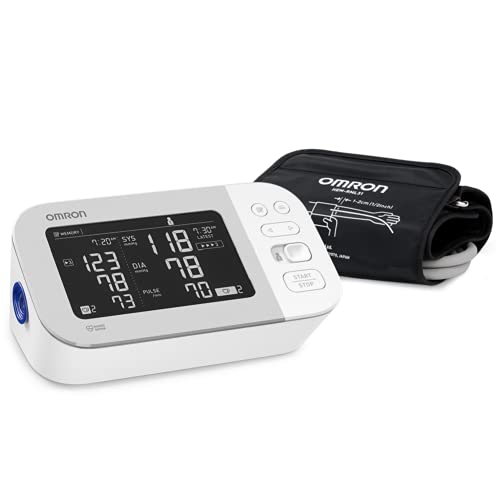
OMRON Platinum Blood Pressure Monitor, Upper Arm Cuff, Digital Bluetooth Blood Pressure Machine, Stores Up To 200 Readings for Two Users (100 readings each) : Everything Else
Buy OMRON Platinum Blood Pressure Monitor, Upper Arm Cuff, Digital Bluetooth Blood Pressure Machine, Stores Up To 200 Readings for Two Users (100 readings each) on Amazon.com ✓ FREE SHIPPING on qualif
Health Disclaimer
This content is for informational purposes only and does not constitute medical advice. Always consult a qualified healthcare provider before starting, stopping, or changing any supplement or medication regimen.