

Heart Disease
Overview
Heart disease is a broad term that commonly refers to a group of conditions affecting the heart and blood vessels, including coronary artery disease, heart failure, arrhythmias, valvular heart disease, cardiomyopathy, and congenital heart disorders. In many public health contexts, the phrase is used most often to describe atherosclerotic cardiovascular disease, in which plaque buildup narrows or blocks the arteries supplying the heart. Heart disease remains one of the leading causes of illness and death worldwide, making it a major focus of prevention, early detection, and long-term care.
From a biomedical standpoint, heart disease develops through a combination of genetic susceptibility, aging, metabolic factors, inflammation, and lifestyle-related influences. Commonly recognized risk factors include high blood pressure, elevated cholesterol, diabetes, smoking, obesity, physical inactivity, chronic stress, poor sleep, and diets associated with cardiometabolic risk. Social determinants of health also matter significantly: access to preventive care, environmental exposures, income, education, and structural inequities can all influence cardiovascular outcomes.
Heart disease does not present as a single experience. Some people remain symptom-free for years, while others develop chest discomfort, shortness of breath, fatigue, palpitations, swelling, dizziness, or reduced exercise tolerance. In some cases, the first recognizable event may be serious, such as a heart attack, stroke, or sudden cardiac arrest. Because manifestations vary, the topic includes both prevention and management of established disease, as well as rehabilitation and quality-of-life considerations.
A comprehensive view of heart disease increasingly recognizes that cardiovascular health is not only about the heart itself, but also about the whole-body network of metabolism, vascular function, immune activity, mental health, and daily habits. Conventional medicine has developed robust diagnostic and therapeutic tools for many forms of heart disease, while traditional systems often emphasize constitutional balance, digestion, circulation, stress regulation, and long-term lifestyle harmony. Across approaches, there is broad agreement that heart health is shaped over time and benefits from individualized care guided by qualified healthcare professionals.
Medical Perspectives
Two Ways of Seeing Health

Western
scientific · clinical
Western medicine applies science, technology, and clinical experience to treat symptoms through testing, diagnosis, and targeted intervention.

Eastern
traditional · alternative
Eastern medicine focuses on treating the body naturally by applying traditional knowledge practiced for thousands of years, emphasizing balance and whole-person wellness.
Gold Bamboo presents both perspectives side-by-side so you can make informed decisions. We don't advocate for one over the other — your health choices are yours.
Western Medicine Perspective
Western Medicine Perspective
In conventional medicine, heart disease is understood through identifiable pathophysiologic mechanisms. Coronary artery disease involves atherosclerotic plaque formation and endothelial dysfunction in the coronary arteries. Heart failure reflects impaired pumping or relaxation of the heart muscle. Arrhythmias arise from abnormalities in electrical conduction. Valvular disease affects blood flow through the heart’s chambers, and cardiomyopathies alter the structure and function of heart muscle. Modern cardiology also recognizes the role of chronic inflammation, insulin resistance, thrombosis, neurohormonal activation, and genetic variants in shaping disease risk and progression.
Evaluation commonly includes a combination of history, physical examination, blood pressure measurement, lipid and glucose testing, electrocardiography, echocardiography, stress testing, CT or MRI in selected cases, and coronary imaging or catheter-based studies when indicated. Research strongly supports the importance of risk-factor modification in reducing cardiovascular events. Depending on the specific condition, conventional management may involve lifestyle-based prevention, medications such as lipid-lowering agents, antihypertensives, antiplatelet drugs, antiarrhythmics, or heart-failure therapies, and procedures including angioplasty, stenting, ablation, valve repair, or bypass surgery. These interventions are among the most extensively studied areas in modern medicine.
Current evidence also emphasizes that heart disease is influenced by factors beyond cholesterol alone. Blood pressure control, diabetes management, smoking cessation, regular physical activity, dietary patterns, sleep quality, weight management, psychosocial stress, and cardiac rehabilitation all contribute to outcomes. In recent years, preventive cardiology has increasingly focused on lifetime risk, early metabolic dysfunction, and individualized assessment rather than a one-size-fits-all model. Clinical care is typically tailored to disease subtype, severity, age, coexisting conditions, and patient goals, with specialist input often important for complex cases.
Eastern & Traditional Perspective
Eastern and Traditional Medicine Perspective
In Traditional Chinese Medicine (TCM), heart-related disorders are not defined solely by anatomical lesions but by patterns of imbalance involving the Heart, Liver, Spleen, Kidney, Qi, Blood, Yin, Yang, Phlegm, and Blood Stasis. Symptoms such as palpitations, chest tightness, fatigue, insomnia, anxiety, or shortness of breath may be interpreted through different syndromic patterns rather than a single diagnosis. Classical and modern TCM literature has traditionally associated some cardiovascular presentations with concepts such as “chest impediment,” blood stasis obstructing the vessels, phlegm accumulation, or deficiency of Heart Qi/Yang. Therapeutic frameworks may include acupuncture, herbal formulas, dietary principles, breathing practices, and cultivation of emotional balance, with treatment individualized according to pattern differentiation.
In Ayurveda, the heart is often understood in relation to Hridaya, circulation, mental-emotional balance, and the doshas—particularly disturbances involving Vata and Kapha, along with impaired digestive/metabolic function sometimes described as ama accumulation. Traditional approaches may emphasize restoring systemic balance through dietary regulation, daily routine, stress reduction, herbal preparations, gentle movement, and meditation-based practices. Naturopathic and integrative traditions similarly tend to frame heart disease as influenced by inflammation, oxidative stress, metabolic imbalance, nervous system dysregulation, and lifestyle burden, while seeking to support overall resilience.
From an evidence perspective, some traditional practices associated with cardiovascular wellness—such as mind-body exercises, meditation, yoga, tai chi, and selected dietary patterns—have been studied with varying degrees of rigor and may show benefits for stress, blood pressure, functional capacity, or quality of life in some populations. However, evidence for specific traditional herbal therapies in established heart disease is often mixed, limited, or highly dependent on formulation, quality control, and context of use. Because heart disease can involve urgent or life-threatening conditions, integrative use of traditional approaches is generally understood as requiring coordination with licensed healthcare professionals, especially where prescription medicines, anticoagulation, arrhythmia risk, or advanced cardiac disease are involved.
Related Topics
Chronic Obstructive Pulmonary Disease
COPD — condition topic in the Gold Bamboo health ontology.
Diabetes
Diabetes — condition topic in the Gold Bamboo health ontology.
Rheumatoid Arthritis
Rheumatoid Arthritis — condition topic in the Gold Bamboo health ontology.
How They Relate
COPD & Heart Disease
COPD and heart disease frequently coexist and influence one another through shared risk factors, overlapping pathophysiology, and intersecting treatments. Cigarette smoking, aging, air pollution, p...
Heart Disease & Diabetes
Heart disease and diabetes are tightly linked cardiometabolic conditions that frequently co-occur and amplify each other’s risks. Cardiovascular disease (CVD)—including coronary artery disease, str...
Heart Disease & Rheumatoid Arthritis
Heart disease and rheumatoid arthritis (RA) are closely connected. People living with RA face a substantially higher risk of cardiovascular events—including heart attack, stroke, and heart failure—...
Supplements & Products
Recommended Products

Prevent and Reverse Heart Disease: The Revolutionary, Scientifically Proven, Nutrition-Based Cure: Caldwell B. Esselstyn Jr.
<strong>Caldwell Esselstyn, Jr., is certainly the father (and the mother) of the now proven hypothesis that you can reverse severe arterial disease</strong> (including severe disease of the arteries s
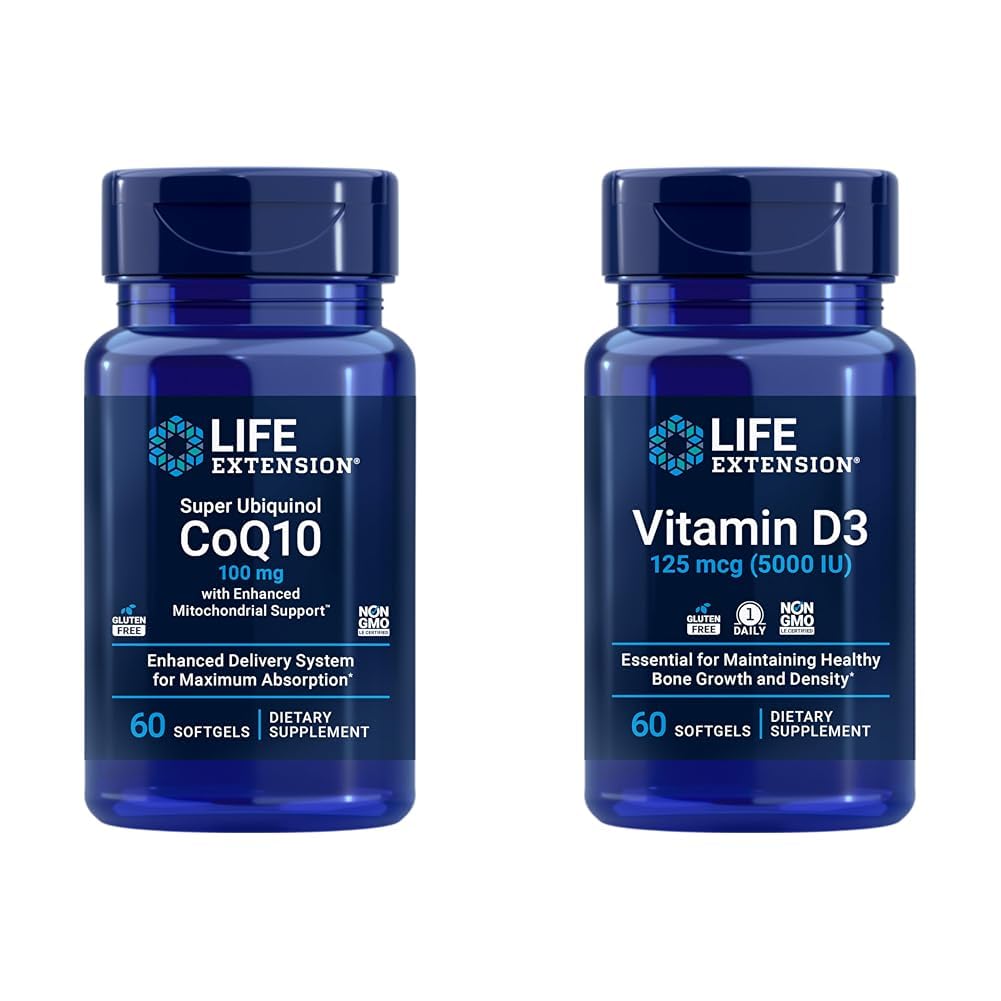
Life Extension Super Ubiquinol CoQ10 with Enhanced Mitochondrial Support, Potent Heart Health & Cellular Energy Production Support, Ultra-absorbable, Gluten-Free, Non-GMO, 100 mg, 60 softgels
Calories 5 Total Fat 0.5 g Ubiquinol (as Kaneka Ubiquinol™) 100 mg Shilajit fulvic acid complex 100 mg Other ingredients: sunflower oil, gelatin, glycerin, purified water, beeswax, sunflower lecithin,
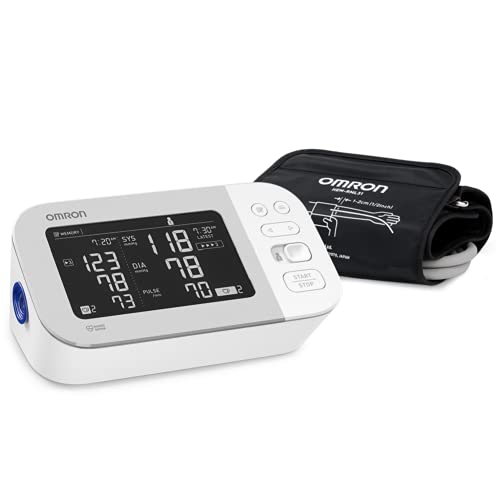
OMRON Platinum Blood Pressure Monitor, Upper Arm Cuff, Digital Bluetooth Blood Pressure Machine, Stores Up To 200 Readings for Two Users (100 readings each) : Everything Else
Buy OMRON Platinum Blood Pressure Monitor, Upper Arm Cuff, Digital Bluetooth Blood Pressure Machine, Stores Up To 200 Readings for Two Users (100 readings each) on Amazon.com ✓ FREE SHIPPING on qualif
Evidence & Sources
Supported by multiple clinical trials and systematic reviews
- World Health Organization (WHO)
- American Heart Association
- National Heart, Lung, and Blood Institute (NHLBI)
- Centers for Disease Control and Prevention (CDC)
- Journal of the American College of Cardiology
- Circulation
- European Heart Journal
- Cochrane Library
- National Center for Complementary and Integrative Health (NCCIH)
- The Lancet
This content is for informational purposes only and does not constitute medical advice. Always consult a qualified healthcare provider before starting, stopping, or changing any supplement or medication regimen.