

Heart Disease and Rheumatoid Arthritis
Heart disease and rheumatoid arthritis (RA) are closely connected. People living with RA face a substantially higher risk of cardiovascular events—including heart attack, stroke, and heart failure—than the general population. This excess risk stems largely from chronic, systemic inflammation that accelerates atherosclerosis and disrupts vascular function, on top of conventional risk factors like hypertension, diabetes, smoking, and obesity. The relationship matters because cardiovascular disease remains a leading cause of illness and death in RA, and because modern RA treatments and lifestyle measures can meaningfully modify risk. Epidemiologic studies and meta-analyses report approximately 1.5–2 times higher rates of major cardiovascular events in RA. Risk accumulates with longer disease duration and higher disease activity; biomarkers of inflammation such as C-reactive protein (CRP) and erythrocyte sedimentation rate (ESR) correlate with vascular injury and events. Imaging reveals earlier and more active atherosclerosis in RA—greater carotid intima-media thickness, more non-calcified coronary plaque, and evidence of microvascular dysfunction—supporting a mechanistic link between joint inflammation and the heart and vessels. A “lipid paradox” is often observed: when RA is highly active, total and LDL cholesterol may be deceptively low while cardiovascular risk is elevated, likely reflecting inflammation-driven changes in lipoprotein quality rather than quantity. Treatment choices influence cardiovascular outcomes. Nonsteroidal anti-inflammatory drugs (NSAIDs) can raise blood pressure and, for some agents, cardiovascular risk; systemic glucocorticoids increase risk in a dose-dependent fashion. In contrast, effective control of RA inflammation with methotrexate and several biologic agents, especially tumor necrosis factor (TNF) inhibitors, is associated with fewer cardiovascular events. IL-6 inhibitors raise lipid levels but have not shown excess major events in RA
Updated September 8, 2026This content is for informational purposes only and does not constitute medical advice. Always consult a qualified healthcare provider before starting, stopping, or changing any supplement or medication regimen.
Shared Risk Factors
Chronic systemic inflammation (CRP, ESR, cytokines)
Strong EvidenceTNF-α, IL-6, and other mediators drive endothelial dysfunction, oxidative stress, and plaque instability. Higher RA disease activity and inflammatory biomarkers correlate with atherosclerosis and events.
Smoking
Strong EvidenceCausally linked to atherosclerotic cardiovascular disease and associated with RA onset and severity via citrullination and autoimmunity.
Obesity and physical inactivity
Moderate EvidenceExcess adiposity and low fitness amplify insulin resistance and inflammation; RA pain and fatigue can limit activity, further elevating risk.
Insulin resistance and diabetes
Moderate EvidenceGlucose dysregulation and metabolic syndrome are more common in RA and heighten cardiovascular risk.
Hypertension
Strong EvidenceElevated blood pressure is prevalent in RA and may be undertreated; NSAIDs and glucocorticoids can increase BP.
Dyslipidemia and the lipid paradox
Moderate EvidenceActive RA can suppress LDL/HDL concentrations while increasing atherogenicity; lipids often ‘normalize’ as inflammation is controlled.
Comorbidity Data
Prevalence
People with RA have about 1.5–2.0 times higher risk of major adverse cardiovascular events (MACE) and cardiovascular mortality than the general population. Meta-analyses report increased myocardial infarction risk (~1.5–1.7x), stroke (~1.5–1.6x), and heart failure (~1.5–2x). Sudden cardiac death appears elevated. Higher RA activity and longer duration further raise risk; historically, cardiovascular disease has contributed substantially to reduced life expectancy in RA, though outcomes are improving with modern care.
Mechanistic Link
Systemic inflammation (TNF-α, IL-6) causes endothelial dysfunction, increased arterial stiffness, prothrombotic changes (elevated fibrinogen, platelets), and altered lipoprotein metabolism (lipid paradox). Autoantibodies (e.g., anti-CCP) and immune complexes may directly injure the vasculature. Imaging shows increased carotid intima-media thickness and plaque, more non-calcified and vulnerable coronary plaque on CT angiography, higher vascular FDG-PET uptake, and myocardial diastolic dysfunction and microvascular impairment.
Clinical Implications
Cardiovascular prevention in RA should be proactive: routine screening and aggressive management of traditional risk factors, interpretation of lipid results in the context of inflammation, and RA treatment strategies that effectively suppress inflammation while minimizing agents that raise cardiovascular risk. Coordinated care between rheumatology and cardiology can reduce morbidity and mortality.
Sources (6)
- Aviña-Zubieta JA et al. Ann Rheum Dis. 2012;71:1524-9.
- Lindhardsen J et al. Ann Rheum Dis. 2011;70:871-8.
- Agca R et al. EULAR recommendations. Ann Rheum Dis. 2017;76:17-28.
- Kitas GD, Sattar N. Nat Rev Rheumatol. 2011;7:399-409.
- Roman MJ et al. Ann Intern Med. 2005;143:257-64.
- Giles JT et al. Arthritis Rheum. 2012;64:376-83.
Overlapping Treatments
Methotrexate
Moderate EvidenceAssociated with fewer cardiovascular events in RA cohorts, likely via inflammation control; possible improvements in endothelial function.
Anchor DMARD that reduces RA activity and biomarkers (CRP/ESR).
Monitor liver, blood counts; teratogenic; folate required; CIRT trial in non-RA population did not reduce MACE.
TNF inhibitors (e.g., etanercept, adalimumab)
Moderate EvidenceLower rates of myocardial infarction and heart failure hospitalization reported in observational studies; improve endothelial function.
Potent suppression of RA inflammation and joint damage.
Avoid in moderate-to-severe symptomatic heart failure; infection risk.
IL-6 inhibitors (e.g., tocilizumab)
Moderate EvidenceDespite raising LDL/HDL, overall major cardiovascular event rates appear similar to or not higher than TNF inhibitors when RA is controlled.
Effective for high-inflammatory RA; markedly lowers CRP.
Monitor lipids; manage per guidelines; liver and hematologic monitoring.
Abatacept
Moderate EvidenceSome studies suggest lower cardiovascular event rates vs TNF inhibitors in high-risk patients, possibly via T-cell costimulation modulation.
Improves RA disease activity with favorable safety profile.
Infection risk; observational data subject to confounding.
Hydroxychloroquine
Emerging ResearchMay improve lipids and glycemic control; observational links to lower diabetes incidence and potential cardiovascular benefit.
Useful in milder RA and as combination DMARD; anti-inflammatory effects.
Retinal toxicity risk; rare QT prolongation—use caution with other QT-prolonging drugs.
JAK inhibitors (e.g., tofacitinib)
Moderate EvidenceEffective RA control may reduce inflammation-mediated vascular injury; however, a safety signal for higher MACE in older RA patients with CV risk vs TNF inhibitors has been reported.
Oral targeted therapy improving RA signs and symptoms.
Use caution in patients ≥50 years with cardiovascular risk factors; discuss risk–benefit; monitor lipids and thrombotic events.
Statins
Strong EvidenceRobustly reduce LDL and major cardiovascular events; anti-inflammatory effects may provide incremental vascular benefit.
Small studies suggest modest reductions in RA inflammatory markers and improved endothelial function when added to DMARDs.
Myopathy and liver enzyme monitoring; drug–drug interactions.
Omega-3 fatty acids (marine) and aerobic/resistance exercise
Moderate EvidenceOmega-3s lower triglycerides and may reduce arrhythmic risk; structured exercise improves blood pressure, fitness, insulin sensitivity, and endothelial function.
Omega-3s can reduce RA pain and morning stiffness; exercise improves function, fatigue, and disease activity.
Omega-3s may increase bleeding tendency at high intake, especially with anticoagulants; exercise should be adapted to joint status and flares.
Medical Perspectives
Two Ways of Seeing Health

Western
scientific · clinical
Western medicine applies science, technology, and clinical experience to treat symptoms through testing, diagnosis, and targeted intervention.
Surgeons · Pharmaceuticals · Clinical trials · Diagnostics 
Eastern
traditional · alternative
Eastern medicine focuses on treating the body naturally by applying traditional knowledge practiced for thousands of years, emphasizing balance and whole-person wellness.
Acupuncture · Herbal medicine · Yoga · Meditation
Gold Bamboo presents both perspectives side-by-side so you can make informed decisions. We don't advocate for one over the other — your health choices are yours.
Two Ways of Seeing Health
Western
scientific · clinical
Western medicine applies science, technology, and clinical experience to treat symptoms through testing, diagnosis, and targeted intervention.
Eastern
traditional · alternative
Eastern medicine focuses on treating the body naturally by applying traditional knowledge practiced for thousands of years, emphasizing balance and whole-person wellness.
Gold Bamboo presents both perspectives side-by-side so you can make informed decisions. We don't advocate for one over the other — your health choices are yours.
Western Perspective
Western medicine recognizes rheumatoid arthritis as a systemic inflammatory disease that substantially elevates cardiovascular risk through immune-mediated vascular injury superimposed on traditional risk factors. Inflammation control, vigilant risk screening, and modification of lifestyle and pharmacologic risk factors form the core of prevention.
Key Insights
- RA confers ~1.5–2x higher risk of myocardial infarction, stroke, heart failure, and cardiovascular mortality compared with the general population.
- Higher disease activity and inflammatory biomarkers (CRP/ESR) predict subclinical atherosclerosis and events; imaging confirms accelerated and unstable plaque.
- Certain RA therapies (methotrexate, TNF inhibitors, possibly abatacept) are associated with reduced cardiovascular events; glucocorticoids and some NSAIDs increase risk.
- Interpretation of lipids must consider the inflammation-driven ‘lipid paradox’; treat dyslipidemia per guidelines once RA is controlled.
Treatments
- Aggressive RA control with DMARDs/biologics to reduce inflammation
- Risk factor management: blood pressure, lipids (statins), diabetes, smoking cessation, weight and fitness
- Judicious NSAID and glucocorticoid use; prefer agents with lower cardiovascular risk
- Lifestyle: Mediterranean-style dietary patterns, regular aerobic/resistance exercise
Deep Dive
From a western clinical perspective, rheumatoid arthritis (RA) is a systemic inflammatory disease that substantially elevates cardiovascular ris... From a western clinical perspective, rheumatoid arthritis (RA) is a systemic inflammatory disease that substantially elevates cardiovascular risk. Meta-analyses show roughly 1.5–2.0 times higher rates of myocardial infarction, stroke, heart failure, and cardiovascular mortality in RA versus the general population. This signal strengthens with longer disease duration and with higher RA activity, reflected in biomarkers such as CRP and ESR. Mechanistically, pro-inflammatory cytokines including TNF-α and IL-6 drive endothelial dysfunction, oxidative stress, and a prothrombotic state, accelerating atherogenesis and predisposing to plaque rupture. The ‘lipid paradox’ illustrates how active inflammation can suppress LDL/HDL concentrations while producing more atherogenic lipoproteins and impaired HDL function, so apparently ‘normal’ lipid values may mask high risk. Imaging corroborates these processes: RA patients have increased carotid intima-media thickness, a higher burden of non-calcified and potentially vulnerable coronary plaque on CT, and microvascular and diastolic dysfunction on cardiac studies. Clinical management hinges on two pillars: controlling RA inflammation and aggressively addressing traditional cardiovascular risk factors. NSAIDs raise blood pressure and, for some agents, cardiovascular risk; glucocorticoids increase risk in a dose-dependent manner—thus, the lowest effective exposure and alternatives are preferred. Conversely, effective disease control with methotrexate and several biologics, especially TNF inhibitors, is associated with fewer cardiovascular events. IL-6 inhibitors increase lipid levels but have not shown excess major events when inflammation is controlled; monitoring and treating dyslipidemia remain important. Recent safety data indicate higher MACE with certain JAK inhibitors compared with TNF inhibitors in older, high-risk patients, warranting individualized risk–benefit discussions. Outside RA-specific drugs, statins, blood pressure control, diabetes management, smoking cessation, weight optimization, and structured aerobic and resistance exercise are foundational and likely synergistic with inflammation control. Given risk underestimation by general calculators, guidelines recommend RA-tailored screening and close rheumatology–cardiology coordination to reduce morbidity and mortality.
Sources
- Aviña-Zubieta JA et al. Ann Rheum Dis. 2012;71:1524-9.
- Agca R et al. EULAR recommendations. Ann Rheum Dis. 2017;76:17-28.
- Nissen SE et al. PRECISION. N Engl J Med. 2016;375:2519-29.
- Roubille C et al. Ann Rheum Dis. 2015;74:480-9.
- Ytterberg SR et al. N Engl J Med. 2022;386:316-326.
Eastern Perspective
Traditional systems view RA and cardiovascular disease as interconnected disturbances of systemic balance. In Traditional Chinese Medicine (TCM), RA (Bi syndrome) reflects obstruction and heat-toxin with blood stasis that can impede Heart and vessel function. Ayurveda conceptualizes RA as Amavata—accumulation of ‘ama’ (inflammatory toxins) with Vata derangement—and cardiovascular disease (Hridroga) as arising from doshic imbalance, impaired digestion, and stagnation. Both traditions emphasize calming systemic inflammation, improving circulation, and restoring harmony through individualized multimodal care.
Key Insights
- Reducing systemic ‘heat/toxin’ and stagnation (TCM) or ‘ama’ and Vata imbalance (Ayurveda) is believed to benefit both joints and the cardiovascular system.
- Mind–body practices (yoga, tai chi, meditation) may reduce stress reactivity, improve fitness and flexibility, and support blood pressure and mood.
- Herbal approaches (e.g., Boswellia, turmeric/curcumin; TCM herbs like Dan Shen for blood stasis) are traditionally used to ease inflammation and support cardiovascular circulation, though clinical evidence varies.
Treatments
- Acupuncture and moxibustion for pain modulation and autonomic balance (emerging evidence for BP modulation)
- Yoga or tai chi to enhance mobility, reduce stress, and improve cardiometabolic health
- Dietary frameworks emphasizing warm, easily digested, anti-inflammatory foods (aligning with Mediterranean-style patterns)
- Select herbs under professional guidance: Boswellia and curcumin for joint symptoms; hawthorn (Crataegus) or Dan Shen (Salvia miltiorrhiza) for cardiovascular support
Deep Dive
Traditional healing systems interpret the RA–heart disease connection as a manifestation of systemic imbalance affecting circulation, heat, and ... Traditional healing systems interpret the RA–heart disease connection as a manifestation of systemic imbalance affecting circulation, heat, and internal resilience. In Traditional Chinese Medicine (TCM), RA corresponds to Bi syndrome—blockage from wind, cold, damp, or heat that engenders stagnation and ‘heat-toxin.’ Over time, this stagnation and heat can injure the Heart and vessels, echoing western concepts of endothelial dysfunction and inflamed plaque. Treatment principles therefore emphasize moving qi and blood, clearing heat, and relieving obstruction: acupuncture and moxibustion to modulate pain pathways and autonomic tone; herbal formulas that dispel damp-heat and invigorate blood (e.g., Du Huo Ji Sheng Tang for chronic Bi, Dan Shen/Salvia miltiorrhiza for blood stasis) to support vascular flow. Ayurveda similarly frames RA as Amavata—accumulation of ‘ama’ (inflammatory toxins) with Vata derangement—and cardiovascular disease (Hridroga) as doshic imbalance compounded by impaired digestion and stagnation. Therapies focus on reducing ama, pacifying Vata, and strengthening the heart through diet, lifestyle, and botanicals such as Boswellia and turmeric (for joint comfort) and Arjuna or hawthorn for cardiac support. Evidence from these traditions is growing but heterogeneous. Mind–body practices—yoga, tai chi, and meditation—show promise for improving flexibility, pain coping, mood, and cardiometabolic parameters like blood pressure and fitness, aligning with western recommendations for physical activity and stress reduction. Some herbs (e.g., curcumin, Boswellia) demonstrate anti-inflammatory effects in small trials of arthritis, while hawthorn may ease symptoms in stable heart failure; however, standardization, dosing, and interaction data remain variable. In an integrative model, traditional modalities complement guideline-based cardiovascular prevention and RA control: anti-inflammatory dietary patterns akin to Mediterranean cuisine, gentle movement tailored to joint status, and careful selection of botanicals under qualified supervision. Ongoing dialogue between patients, rheumatologists, cardiologists, and trained traditional practitioners helps ensure safety—particularly around anticoagulants, antihypertensives, and disease-modifying agents—and honors both symptom relief and long-term vascular protection.
Sources
- Cochrane: Interventions for RA—complementary therapies (various)
- Wang C et al. Complement Ther Med. 2009 (tai chi in RA).
- Hartley L et al. Cochrane Database Syst Rev. 2014 (yoga and CVD risk factors).
- Cochrane 2008: Hawthorn for chronic heart failure (symptom improvement).
- Amalraj A et al. Crit Rev Food Sci Nutr. 2017 (curcumin review).
Evidence Ratings
RA increases risk of myocardial infarction and stroke by ~1.5–1.7-fold.
Aviña-Zubieta JA et al. Ann Rheum Dis. 2012;71:1524-9.
Higher RA disease activity and CRP associate with more subclinical atherosclerosis and cardiovascular events.
Kitas GD, Sattar N. Nat Rev Rheumatol. 2011;7:399-409.
Methotrexate use in RA is associated with fewer cardiovascular events.
Roubille C et al. Ann Rheum Dis. 2015;74:480-9.
TNF inhibitors are linked to reduced cardiovascular events in RA compared with non-biologic therapy.
Roubille C et al. Ann Rheum Dis. 2015;74:480-9.
Systemic glucocorticoids increase cardiovascular risk in a dose-dependent manner.
Wei L et al. Heart. 2004;90:859-65.
IL-6 inhibitors raise lipid levels but have not shown higher MACE rates versus TNF inhibitors in RA.
Xie F et al. Arthritis Rheumatol. 2016;68:2612-2622.
JAK inhibitors carry a higher MACE signal than TNF inhibitors in older RA patients with cardiovascular risk.
Ytterberg SR et al. N Engl J Med. 2022;386:316-326.
Omega-3 fatty acids reduce RA pain and stiffness and lower triglycerides, but effects on MACE are uncertain.
Gioxari A et al. PLoS One. 2018;13:e0203132; Abdelhamid AS et al. Cochrane. 2020.
Sources
- Aviña-Zubieta JA, Choi HK, Sadatsafavi M, et al. Risk of incident cardiovascular events in patients with rheumatoid arthritis: a meta-analysis. Ann Rheum Dis. 2012;71:1524-9.
- Lindhardsen J, Ahlehoff O, Gislason GH, et al. The risk of myocardial infarction in rheumatoid arthritis and diabetes mellitus: a Danish nationwide cohort study. Ann Rheum Dis. 2011;70:871-8.
- Agca R, Heslinga SC, Rollefstad S, et al. EULAR recommendations for cardiovascular risk management in patients with rheumatoid arthritis and other forms of inflammatory joint disorders: 2015/2016 update. Ann Rheum Dis. 2017;76:17-28.
- Kitas GD, Sattar N. Rheumatoid arthritis and cardiovascular risk. Nat Rev Rheumatol. 2011;7:399-409.
- Roman MJ, Moeller E, Davis A, et al. Preclinical carotid atherosclerosis in rheumatoid arthritis. Ann Intern Med. 2005;143:257-64.
- Giles JT, Malayeri AA, Fernandes V, et al. Left ventricular structure and function in patients with rheumatoid arthritis, as assessed by cardiac MRI. Arthritis Rheum. 2010;62:940-51.
- Nissen SE, Yeomans ND, Solomon DH, et al. Cardiovascular safety of celecoxib, naproxen, or ibuprofen (PRECISION). N Engl J Med. 2016;375:2519-29.
- Wei L, MacDonald TM, Walker BR. Taking glucocorticoids by prescription is associated with subsequent cardiovascular disease. Heart. 2004;90:859-65.
- Roubille C, Richer V, Starnino T, et al. The effects of DMARDs on cardiovascular risk in inflammatory arthritis: a systematic review and meta-analysis. Ann Rheum Dis. 2015;74:480-9.
- Xie F, Yun H, Bernatsky S, et al. Tocilizumab and the risk of cardiovascular disease: a cohort study. Arthritis Rheumatol. 2016;68:2612-2622.
- Ytterberg SR, Bhatt DL, Mikuls TR, et al. Cardiovascular and cancer risk with tofacitinib in rheumatoid arthritis. N Engl J Med. 2022;386:316-326.
- Giles JT, Wasko MC, Chung CP, et al. Exploring the lipid paradox theory in RA. Arthritis Rheum. 2014;66:196-205.
- Gioxari A, Kaliora AC, Marantidou F, Panagiotakos DP. Intake of ω-3 PUFAs and improvement of RA. PLoS One. 2018;13:e0203132.
- Abdelhamid AS, Brown TJ, Brainard J, et al. Omega-3 fatty acids for the primary and secondary prevention of CVD. Cochrane Database Syst Rev. 2020;3:CD003177.
- Hartley L, Dyakova M, Holmes J, et al. Yoga for cardiovascular disease and risk factors. Cochrane Database Syst Rev. 2014;5:CD010072.
- Cochrane Review: Hawthorn extract (Crataegus) for chronic heart failure. Cochrane Database Syst Rev. 2008;CD005312.
Related Topics
Recommended Products

Mayo Clinic Guide to Arthritis: Managing Joint Pain for an Active Life: Peterson M.D., Lynne S.
Lynne S. Peterson ... From the rheumatology experts at Mayo Clinic comes <strong>a complete guide on arthritis</strong>.

Nordic Naturals Ultimate Omega, Lemon Flavor - 180 Soft Gels - 1280 mg Omega-3 - High-Potency Fish Oil with EPA & DHA - Promotes Brain & Heart Health - Non-GMO - 90 Servings
Buy Nordic Naturals Ultimate Omega, Lemon Flavor - 180 Soft Gels - 1280 mg Omega-3 - High-Potency Fish Oil with EPA & DHA - Promotes Brain & Heart Health - Non-GMO - 90 Servings on Amazon.com
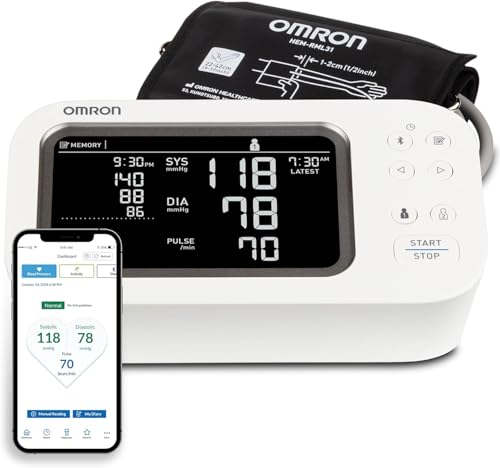
OMRON Platinum Blood Pressure Monitor for Home Use & Upper Arm Blood Pressure Cuff - #1 Doctor & Pharmacist Recommended Brand - Clinically Validated - AFib Detection - Connect App
CONFIDENCE IN EVERY READING: Monitor your heart health with the OMRON Platinum Upper Arm Blood Pressure Monitor's <strong>Advanced Accuracy with AFib Detection Technology</strong>; Store up to 10
Health Disclaimer
This content is for informational purposes only and does not constitute medical advice. Always consult a qualified healthcare provider before starting, stopping, or changing any supplement or medication regimen.