

COPD and Heart Disease
COPD and heart disease frequently coexist and influence one another through shared risk factors, overlapping pathophysiology, and intersecting treatments. Cigarette smoking, aging, air pollution, physical inactivity, and metabolic comorbidities (hypertension, dyslipidemia, diabetes, and obesity) drive both conditions. Beyond shared risks, COPD generates systemic inflammation, oxidative stress, endothelial dysfunction, hypoxemia, and dynamic hyperinflation, all of which can aggravate atherosclerosis, precipitate arrhythmias, strain the right ventricle, and impair left-ventricular filling. Cardiovascular disease (CVD) is among the most common and lethal comorbidities in COPD; ischemic heart disease, heart failure, atrial fibrillation, and pulmonary hypertension are particularly prevalent. Clinically, co-occurrence is common: roughly one third (or more) of people with COPD have CVD, and cardiovascular causes contribute substantially to mortality even in mild-to-moderate COPD. Exacerbations are high-risk periods; the days to weeks following a COPD flare carry a markedly increased risk of myocardial infarction and stroke, likely due to inflammatory and prothrombotic surges coupled with hypoxemia and tachycardia. This bidirectional relationship means that optimal care must screen for silent CVD in COPD (and vice versa), aggressively manage shared risks, vaccinate against influenza and pneumococcus, and prioritize prevention of exacerbations. Several interventions benefit both conditions. Smoking cessation (behavioral therapy plus pharmacotherapy) remains the single most powerful step to slow COPD decline and reduce cardiovascular events. Exercise training and full pulmonary rehabilitation improve exercise capacity, dyspnea, autonomic balance, and vascular health. Cardioselective beta-blockers are safe in COPD and reduce mortality when indicated for heart disease—avoiding them for fear of bronchospasm is no longer justified. Statins, ACE inhibitors/ARBs, and SGLT2i (for,
Updated September 8, 2026This content is for informational purposes only and does not constitute medical advice. Always consult a qualified healthcare provider before starting, stopping, or changing any supplement or medication regimen.
Shared Risk Factors
Cigarette smoking
Strong EvidencePrimary cause of COPD and a dominant driver of atherosclerosis, endothelial dysfunction, and thrombosis.
Aging
Strong EvidenceCumulative exposure to insults and immunosenescence raise risk of both lung and vascular disease.
Air pollution (PM2.5, NO2, ozone)
Strong EvidenceAmbient pollutants trigger airway and systemic inflammation and oxidative stress.
Physical inactivity/sedentary behavior
Moderate EvidenceLow fitness worsens cardiopulmonary reserve and metabolic health.
Hypertension
Strong EvidenceCommon comorbidity tied to endothelial dysfunction and arterial stiffness.
Dyslipidemia
Strong EvidenceElevated LDL and low HDL promote atherosclerosis; common with systemic inflammation.
Diabetes/metabolic syndrome
Strong EvidenceInsulin resistance amplifies inflammation and vascular dysfunction.
Obesity
Moderate EvidenceAdiposity adds mechanical load and chronic inflammation.
Low socioeconomic status
Moderate EvidenceCorrelates with higher exposure to smoke/pollution, limited care access, and poor diet.
Systemic inflammation/oxidative stress
Moderate EvidenceBiologic milieu that links lung pathology with vascular disease.
Comorbidity Data
Prevalence
Cardiovascular disease affects roughly 20–50% of people with COPD (varies by cohort, severity, and phenotype) and is a leading cause of death in COPD, including in early disease.
Mechanistic Link
Shared risks (smoking, pollution, inactivity) combine with COPD-specific processes—systemic inflammation, hypoxemia, oxidative stress, endothelial dysfunction, increased sympathetic tone, pulmonary vascular remodeling, and dynamic hyperinflation that impairs LV filling—to accelerate atherosclerosis, precipitate arrhythmias, and cause right-heart strain/pulmonary hypertension. Exacerbations trigger acute thrombotic risk (MI, stroke).
Clinical Implications
Screen COPD patients for unrecognized CVD (BP, lipids, diabetes, symptoms, ECG when indicated). Do not withhold cardioselective beta-blockers when there is a cardiac indication. Intensively manage shared risks (smoking cessation, exercise/rehab, diet, weight, vaccinations). Prevent and promptly treat exacerbations to lower short-term MACE risk; optimize oxygen in hypoxemic patients.
Sources (3)
- GOLD 2024–2025 Pocket Guide: Comorbidities and Cardiovascular Disease
- Fabbri LM, Rabe KF. Eur Respir J. 2007;29:1–17.
- Divo M et al. Am J Respir Crit Care Med. 2012;186:155–161.
Overlapping Treatments
Smoking cessation (behavioral + NRT/varenicline/bupropion)
Strong EvidenceSlows FEV1 decline and reduces exacerbations/mortality.
Cuts coronary, stroke, and heart failure events; rapid risk reduction after quitting.
Monitor for neuropsychiatric symptoms; adjust theophylline or warfarin dosing if applicable when smoking stops.
Exercise training / Pulmonary rehabilitation
Strong EvidenceImproves dyspnea, 6‑minute walk distance, QoL; reduces hospitalizations.
Improves cardiorespiratory fitness, blood pressure, insulin sensitivity, and endothelial function.
Tailor intensity; screen for unstable angina or decompensated HF.
Influenza and pneumococcal vaccination
Strong EvidenceReduces COPD exacerbations, hospitalizations, and pneumonia.
Lowers major adverse cardiovascular events, especially post-MI and in high-risk adults.
Local reactions; rare febrile responses; schedule per age/comorbidity guidelines.
Cardioselective beta-blockers (e.g., metoprolol, bisoprolol) when indicated
Strong EvidenceSafe with minimal impact on FEV1; may reduce COPD mortality in those with cardiac disease.
Reduce mortality and rehospitalization in CAD/HF/AF.
Prefer beta1-selective; start low and monitor for bronchospasm; avoid abrupt withdrawal.
Statins (for ASCVD or high risk)
Strong EvidenceMixed for COPD-specific outcomes; some anti-inflammatory effects.
Robust reduction in ASCVD events and mortality.
Do not use solely to prevent COPD exacerbations (STATCOPE negative); monitor for myopathy, interactions (e.g., macrolides).
ACE inhibitors/ARBs
Moderate EvidenceMay modestly improve exercise tolerance and skeletal muscle perfusion; safe in COPD.
First-line for hypertension, HFrEF, and post-MI remodeling.
ACEi cough may be troublesome; monitor potassium/creatinine.
Long-term oxygen therapy (LTOT) for severe chronic hypoxemia
Strong EvidenceImproves survival and pulmonary hypertension; reduces polycythemia.
May reduce right-heart strain and arrhythmia burden in hypoxemia.
Indicated only when PaO2 ≤55 mmHg (or ≤59 with complications); reevaluate need periodically.
Mediterranean/DASH dietary pattern and weight optimization
Moderate EvidenceImproves functional status and systemic inflammation; supports rehab.
Lowers ASCVD risk, BP, and improves lipids and glycemia.
Ensure adequate protein; monitor unintentional weight loss in COPD.
Medical Perspectives
Two Ways of Seeing Health

Western
scientific · clinical
Western medicine applies science, technology, and clinical experience to treat symptoms through testing, diagnosis, and targeted intervention.
Surgeons · Pharmaceuticals · Clinical trials · Diagnostics 
Eastern
traditional · alternative
Eastern medicine focuses on treating the body naturally by applying traditional knowledge practiced for thousands of years, emphasizing balance and whole-person wellness.
Acupuncture · Herbal medicine · Yoga · Meditation
Gold Bamboo presents both perspectives side-by-side so you can make informed decisions. We don't advocate for one over the other — your health choices are yours.
Two Ways of Seeing Health
Western
scientific · clinical
Western medicine applies science, technology, and clinical experience to treat symptoms through testing, diagnosis, and targeted intervention.
Eastern
traditional · alternative
Eastern medicine focuses on treating the body naturally by applying traditional knowledge practiced for thousands of years, emphasizing balance and whole-person wellness.
Gold Bamboo presents both perspectives side-by-side so you can make informed decisions. We don't advocate for one over the other — your health choices are yours.
Western Perspective
Modern guidelines emphasize that cardiovascular disease is common, prognostically important, and often under-recognized in COPD. Shared risks and COPD-specific mechanisms (inflammation, hypoxemia, hyperinflation) accelerate atherosclerosis and precipitate arrhythmias and heart failure. Clinicians should actively screen for CVD, treat per standard cardiology guidelines, and avoid therapeutic nihilism (e.g., withholding cardioselective beta-blockers). Preventing and promptly treating exacerbations is central because they transiently raise MI and stroke risk.
Key Insights
- CVD accounts for substantial mortality in COPD, even at early COPD stages.
- Exacerbations acutely increase thrombotic and arrhythmic risk.
- Dynamic hyperinflation can impair LV filling and mimic/worsen HF symptoms.
- Cardioselective beta-blockers are safe and beneficial when indicated.
- Statins are for ASCVD risk reduction, not COPD exacerbation prevention.
- Vaccination and pulmonary rehabilitation are high-value, dual-benefit interventions.
Treatments
- Risk-factor modification: smoking cessation, exercise, diet, BP/lipid/diabetes control
- Guideline-directed medical therapy for CAD/HF/AF (including beta-blockers, RAAS inhibitors, statins, antiplatelets/anticoagulants when indicated)
- Vaccinations (influenza, pneumococcal)
- Pulmonary rehabilitation; optimize inhaled bronchodilation to reduce hyperinflation
- LTOT for severe resting hypoxemia; evaluate sleep apnea if suspected
Deep Dive
The COPD–cardiovascular nexus is driven by shared risk exposures and COPD-specific biology. Smoking, aging, and pollutants initiate chronic airw... The COPD–cardiovascular nexus is driven by shared risk exposures and COPD-specific biology. Smoking, aging, and pollutants initiate chronic airway inflammation and systemic oxidative stress, which in turn promote endothelial dysfunction and atherothrombosis. COPD adds hypoxemia, hypercapnia, heightened sympathetic tone, and dynamic hyperinflation that compromises left-ventricular filling, creating fertile ground for myocardial ischemia, arrhythmias, and heart failure. Epidemiology confirms the impact: cardiovascular disease is common in COPD and a leading cause of death, and the post-exacerbation period carries a notable spike in myocardial infarction and stroke. Western practice recommendations are pragmatic: screen for and treat CVD per cardiology guidelines; do not withhold cardioselective beta-blockers when indicated; and aggressively manage shared risks. High-value, dual-benefit actions include smoking cessation, vaccinations, pulmonary rehabilitation, and guideline-directed medical therapy for CAD/HF/AF. Statins should be prescribed for ASCVD risk reduction but not for the purpose of preventing COPD exacerbations. Long-term oxygen therapy is life-prolonging in severe resting hypoxemia and may reduce right-heart strain. Medication nuances matter: short-acting beta-agonists can provoke tachyarrhythmias; macrolides and some fluoroquinolones prolong QT; and systemic steroids may worsen blood pressure, glycemia, and fluid balance—consider these when treating COPD patients with heart disease. The overarching goal is synchronized management that reduces exacerbations and cardiovascular events while improving exercise capacity and quality of life.
Sources
- GOLD 2024–2025 Pocket Guide
- ACC/AHA 2019 Primary Prevention Guideline
- 2023 ACC/AHA Chronic Coronary Disease Guideline
- ATS/ERS Pulmonary Rehabilitation Statement 2013
Eastern Perspective
In traditional East Asian medicine, COPD aligns with patterns of Lung Qi (and often Spleen Qi) deficiency with phlegm-damp accumulation, while coronary disease corresponds to chest impediment (xiong bi) from Qi stagnation, phlegm-turbidity, and blood stasis with Heart Qi/Yang deficiency. Because the Lung governs Qi and the Heart governs blood, deficiency or obstruction in one affects the other, leading to breathlessness, chest oppression, palpitations, and fatigue. Treatment focuses on tonifying Lung/Spleen Qi, transforming phlegm, invigorating blood, unblocking the chest, and supporting Heart Qi/Yang.
Key Insights
- Lung–Heart interplay: impaired Lung Qi fails to propel Qi, burdening Heart function; chest phlegm-turbidity obstructs vessels.
- Breath training (Dao Yin, Qigong, Tai Chi) restores Qi flow and improves endurance.
- Acupuncture at points such as BL13 (Feishu), LU9 (Taiyuan), PC6 (Neiguan), and CV17 (Shanzhong) addresses dyspnea and chest discomfort.
- Herbal strategies include Qi tonics and blood-invigorating herbs/formulas (e.g., Sheng Mai San; Xue Fu Zhu Yu Tang).
Treatments
- Acupuncture (BL13, LU5/9, ST36, PC6, CV17) adjunctive to usual care
- Breath-focused movement (Tai Chi/Qigong) to improve dyspnea and exercise capacity
- Herbal formulas individualized to pattern: Sheng Mai San for Qi/Yin deficiency; Xue Fu Zhu Yu Tang for blood stasis; Dan Shen (Salvia miltiorrhiza) and Shan Zha (hawthorn) for chest discomfort (with caution for interactions)
Deep Dive
Traditional East Asian medicine frames COPD and heart disease as interdependent imbalances: Lung Qi deficiency with phlegm-damp accumulation imp... Traditional East Asian medicine frames COPD and heart disease as interdependent imbalances: Lung Qi deficiency with phlegm-damp accumulation impairs the movement of Qi and fluids, while Heart Qi/Yang deficiency and blood stasis obstruct the chest vessels. Dyspnea, chest tightness, palpitations, and fatigue reflect this mutual constraint. Therapy aims to restore Qi flow, transform phlegm, and invigorate blood while supporting Heart and Lung. Acupuncture at points such as BL13 (Feishu) to tonify the Lung, LU9 (Taiyuan) to regulate Qi, PC6 (Neiguan) and CV17 (Shanzhong) to open the chest, and ST36 (Zusanli) to strengthen Qi is commonly applied as an adjunct to conventional care. Breath-centered movement (Tai Chi, Qigong) harmonizes respiration and circulation and has shown modest improvements in functional capacity and dyspnea in small trials. Individualized herbal formulas—such as Sheng Mai San for Qi/Yin deficiency or Xue Fu Zhu Yu Tang for blood stasis—are selected by pattern differentiation; Dan Shen and hawthorn are traditionally used for chest impediment but require careful review of interactions (e.g., anticoagulants, antiplatelets, and digoxin). Evidence is growing yet remains heterogeneous and generally of low-to-moderate certainty; thus, these modalities are best integrated as supportive therapies alongside evidence-based cardiopulmonary management, with attention to safety, herb–drug interactions, and patient preference.
Sources
- Liu X et al. Complement Ther Med. 2014: Tai Chi improves 6MWD/QoL in COPD (meta-analysis).
- Cochrane 2014/2016: Acupuncture for COPD—small RCTs suggest modest benefits; low–moderate certainty.
- Zhou L et al. Front Pharmacol. 2020: Dan Shen in CAD—signal of angina relief with interaction cautions.
Evidence Ratings
Cardiovascular disease is highly prevalent in COPD and a major contributor to mortality.
GOLD 2024–2025; Divo M et al. AJRCCM 2012.
COPD exacerbations transiently increase risk of myocardial infarction and stroke.
Donaldson GC et al. Thorax 2010; Halpin DMG et al. Int J Chron Obstruct Pulmon Dis 2017.
Cardioselective beta-blockers are safe in COPD and reduce mortality when indicated for CVD.
Salpeter SR et al. Cochrane Review 2005/2011 update; ACC/AHA guidelines.
Influenza vaccination reduces major adverse cardiovascular events and COPD exacerbations.
Udell JA et al. JAMA 2013 (meta-analysis); Fröbert O et al. NEJM 2021 (IAMI); GOLD 2024.
Statins do not reduce COPD exacerbations in patients without cardiovascular indications.
Criner GJ et al. NEJM 2014 (STATCOPE).
Long-term oxygen therapy improves survival in severely hypoxemic COPD.
NOTT Group NEJM 1980; MRC Working Party Lancet 1981.
Ambient fine-particulate pollution elevates risks of both COPD exacerbations and cardiovascular events.
Brook RD et al. Circulation 2010 (AHA statement); WHO Air Quality Guidelines 2021.
Pulmonary rehabilitation improves exercise capacity and health status in COPD and enhances cardiovascular fitness.
McCarthy B et al. Cochrane Review 2015; ATS/ERS Statement 2013.
Sources
- Global Initiative for Chronic Obstructive Lung Disease (GOLD). Pocket Guide 2024–2025.
- Divo M, et al. Comorbidities and risk of mortality in COPD. Am J Respir Crit Care Med. 2012;186:155–161.
- Fabbri LM, Rabe KF. From COPD to chronic systemic inflammatory syndrome? Eur Respir J. 2007;29:1–17.
- Donaldson GC, et al. Increased risk of myocardial infarction and stroke following exacerbation of COPD. Thorax. 2010;65:956–962.
- Salpeter SR, et al. Cardioselective beta-blockers in patients with reactive airway disease: a meta-analysis. Cochrane Database Syst Rev. 2005/2011 update.
- Criner GJ, et al. Simvastatin for the prevention of exacerbations in moderate-to-severe COPD. N Engl J Med. 2014;370:2201–2210. (STATCOPE)
- Udell JA, et al. Association between influenza vaccination and cardiovascular outcomes: meta-analysis. JAMA. 2013;310:1711–1720.
- Fröbert O, et al. Influenza vaccination after myocardial infarction: IAMI trial. N Engl J Med. 2021;385:1511–1520.
- NOTT Group. Continuous or nocturnal oxygen therapy in hypoxemic COPD. N Engl J Med. 1980;303:681–688.; MRC Working Party. Lancet. 1981;1:681–686.
- Brook RD, et al. Particulate matter air pollution and cardiovascular disease. Circulation. 2010;121:2331–2378.
- McCarthy B, et al. Pulmonary rehabilitation for COPD. Cochrane Database Syst Rev. 2015;CD003793.
- ACC/AHA 2019 Guideline on the Primary Prevention of Cardiovascular Disease.
- ACC/AHA 2023 Guideline for the Management of Chronic Coronary Disease.
- Liu X, et al. Tai Chi for COPD: meta-analysis. Complement Ther Med. 2014;22:23–35.
- Zhou L, et al. Salvia miltiorrhiza in coronary heart disease: review. Front Pharmacol. 2020;11:193.
Related Topics
Recommended Products

Allen Carr's Easy Way to Stop Smoking: Revised Edition: Carr, Allen
THE unique method: No scare tactics No weight-gain The psychological need to smoke disappears as you read Feel great to be a non-smoker Join the 25 million men and women that Allen Carr has helped giv
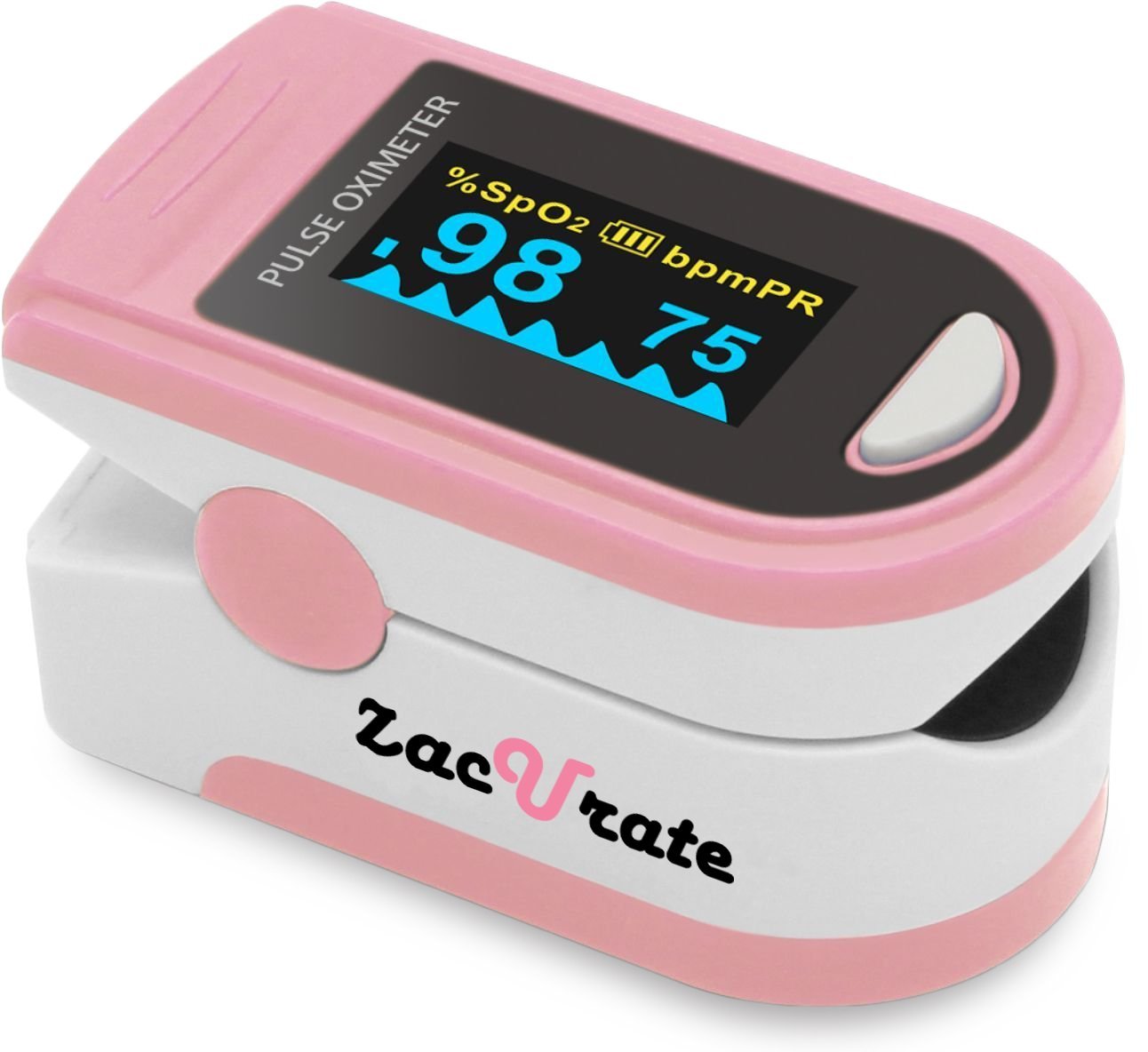
Zacurate 500BL Fingertip Pulse Oximeter Blood Oxygen Saturation Monitor with Batteries Included (Navy Blue)
Buy Zacurate 500BL Fingertip Pulse Oximeter Blood Oxygen Saturation Monitor with Batteries Included (Navy Blue) on Amazon.com ✓ FREE SHIPPING on qualified orders
Health Disclaimer
This content is for informational purposes only and does not constitute medical advice. Always consult a qualified healthcare provider before starting, stopping, or changing any supplement or medication regimen.