

Heart Disease and Diabetes
Heart disease and diabetes are tightly linked cardiometabolic conditions that frequently co-occur and amplify each other’s risks. Cardiovascular disease (CVD)—including coronary artery disease, stroke, heart failure, and peripheral artery disease—is the leading cause of morbidity and mortality in people with diabetes. Adults with diabetes have roughly double the risk of atherosclerotic cardiovascular events compared to those without diabetes, and about half of deaths in type 2 diabetes are attributable to CVD. Conversely, diabetes (including unrecognized hyperglycemia) is common among people with established heart disease and worsens prognosis after myocardial infarction and in heart failure. The connection is driven by overlapping risk factors—central obesity, hypertension, atherogenic dyslipidemia, insulin resistance, chronic inflammation, smoking, sedentary behavior, unhealthy diet, and sleep apnea—as well as direct metabolic injury from hyperglycemia. Biologically, insulin resistance and elevated glucose promote endothelial dysfunction, oxidative stress, advanced glycation end-products, vascular inflammation, pro-thrombotic states, and a dyslipidemic profile (high triglycerides, small dense LDL, low HDL) that accelerates atherosclerosis. Diabetes also remodels the myocardium and microvasculature, predisposing to heart failure, even in the absence of obstructive coronary disease. Shared, evidence-based treatments target both risk and outcomes. Lifestyle measures—Mediterranean/DASH eating patterns, regular aerobic and resistance exercise, weight loss (5–10%), tobacco cessation, and sleep optimization—lower glucose and blood pressure, improve lipids, and reduce cardiovascular events. Pharmacotherapies now integrate across specialties: statins and blood pressure agents (ACE inhibitors/ARBs, thiazide-like diuretics, calcium channel blockers) are foundational; SGLT2 inhibitors and GLP-1 receptor agonists provide glycemic control with proven reductions in major CV or
Updated September 8, 2026This content is for informational purposes only and does not constitute medical advice. Always consult a qualified healthcare provider before starting, stopping, or changing any supplement or medication regimen.
Shared Risk Factors
Central obesity and insulin resistance
Strong EvidenceVisceral adiposity drives insulin resistance, dyslipidemia, inflammation, and endothelial dysfunction.
Hypertension
Strong EvidenceElevated blood pressure increases shear stress and vascular damage; common in diabetes.
Atherogenic dyslipidemia
Strong EvidenceHigh triglycerides, low HDL, small dense LDL typical of insulin resistance.
Chronic hyperglycemia
Strong EvidenceGlucose toxicity induces AGEs, oxidative stress, and endothelial dysfunction.
Smoking
Strong EvidenceTobacco increases inflammation, thrombosis, and insulin resistance.
Sedentary lifestyle
Strong EvidencePhysical inactivity impairs insulin sensitivity and cardio-metabolic health.
Unhealthy diet (refined carbs, trans fats, excess sodium)
Strong EvidenceDietary patterns drive weight gain, dyslipidemia, and hypertension.
Obstructive sleep apnea
Moderate EvidenceIntermittent hypoxia increases sympathetic tone, BP, and insulin resistance.
Chronic kidney disease
Strong EvidenceCommon downstream result of both conditions and amplifies risk.
Psychosocial stress and depression
Moderate EvidenceStress hormones and behaviors affect metabolic and cardiovascular health.
History of gestational diabetes/PCOS
Moderate EvidenceIndicates underlying insulin resistance and future risk.
Comorbidity Data
Prevalence
Adults with diabetes have ~2x risk of ASCVD vs. non-diabetics; ~32% of people with T2D have established CVD. Among patients with MI or CAD, 25–40% have diabetes or significant dysglycemia. CVD accounts for ~50% of deaths in T2D, with heart failure risk 2–4x higher.
Mechanistic Link
Insulin resistance and hyperglycemia cause endothelial dysfunction, oxidative stress, advanced glycation, pro-inflammatory cytokine activation, atherogenic dyslipidemia, and pro-thrombotic states, accelerating atherosclerosis. Diabetic cardiomyopathy and microvascular disease predispose to heart failure independent of CAD.
Clinical Implications
Screen for dysglycemia in CVD and for CVD in diabetes; aggressively control BP and lipids; prioritize SGLT2 inhibitors and/or GLP-1 receptor agonists in T2D with or at high risk for CVD/HF/CKD; individualize A1C (often ≤7% for many, less stringent if high comorbidity); emphasize lifestyle interventions; use statins broadly; consider low-dose aspirin for secondary (not routine primary) prevention; monitor for silent ischemia and HF; coordinate cardiology-endocrinology care.
Sources (4)
- American Diabetes Association. Standards of Care in Diabetes—2025: Cardiovascular Disease and Risk Management.
- Einarson TR et al. Prevalence of cardiovascular disease in type 2 diabetes: a systematic review (Lancet Diabetes Endocrinol, 2019).
- AHA/ACC Primary Prevention Guideline (2019).
- ESC Guidelines on diabetes, pre-diabetes and CVD (2019).
Overlapping Treatments
Mediterranean or DASH dietary pattern
Strong EvidenceLowers BP, improves lipids, reduces CVD events.
Improves glycemic control and weight; lowers diabetes incidence.
Adapt portions to glucose targets; monitor potassium in CKD on DASH.
Aerobic + resistance exercise (≥150 min/wk moderate + 2 days resistance)
Strong EvidenceReduces CVD events, BP, resting heart rate; improves VO2.
Improves insulin sensitivity and A1C; aids weight maintenance.
Screen for ischemia/neuropathy; gradual progression.
Weight loss 5–10% (lifestyle or anti-obesity meds)
Strong EvidenceImproves BP, lipids, inflammation; reduces HF risk.
Improves A1C; can induce diabetes remission in some with larger losses.
Monitor for hypoglycemia when meds adjusted.
SGLT2 inhibitors (e.g., empagliflozin, dapagliflozin)
Strong EvidenceReduce HF hospitalization, CV death; renal protection.
Lower A1C modestly; slow CKD progression.
Genital infections, volume depletion, rare euglycemic DKA; hold during acute illness.
GLP-1 receptor agonists (e.g., liraglutide, semaglutide)
Strong EvidenceReduce major adverse CV events (agent-specific).
Robust A1C and weight reduction; renal benefits.
GI effects; possible gallbladder issues; avoid with medullary thyroid carcinoma history.
Statins
Strong EvidenceSubstantially reduce ASCVD events and mortality.
Indicated for most adults with diabetes to reduce risk.
Myalgias, rare rhabdomyolysis; small dysglycemia signal outweighed by CV benefit.
ACE inhibitors/ARBs
Strong EvidenceLower BP and reduce CV/renal events; HF benefit (ACEi/ARB).
Renoprotective in albuminuria; BP control improves glycemia indirectly.
Hyperkalemia, creatinine rise; avoid ACEi in pregnancy; cough/angioedema risk.
Smoking cessation
Strong EvidenceRapidly lowers MI and stroke risk.
Improves insulin sensitivity; reduces micro/macrovascular risk.
Weight gain possible; plan for support/meds.
Bariatric/metabolic surgery (in eligible patients)
Moderate EvidenceReduces CVD events and mortality in severe obesity.
High rates of diabetes remission or major improvement.
Surgical risks; long-term nutritional monitoring.
Low-dose aspirin (secondary prevention)
Strong EvidenceReduces recurrent MI/stroke in established ASCVD.
Benefits diabetics with ASCVD; not routine for primary prevention.
Bleeding risk; individualize.
Medical Perspectives
Two Ways of Seeing Health

Western
scientific · clinical
Western medicine applies science, technology, and clinical experience to treat symptoms through testing, diagnosis, and targeted intervention.
Surgeons · Pharmaceuticals · Clinical trials · Diagnostics 
Eastern
traditional · alternative
Eastern medicine focuses on treating the body naturally by applying traditional knowledge practiced for thousands of years, emphasizing balance and whole-person wellness.
Acupuncture · Herbal medicine · Yoga · Meditation
Gold Bamboo presents both perspectives side-by-side so you can make informed decisions. We don't advocate for one over the other — your health choices are yours.
Two Ways of Seeing Health
Western
scientific · clinical
Western medicine applies science, technology, and clinical experience to treat symptoms through testing, diagnosis, and targeted intervention.
Eastern
traditional · alternative
Eastern medicine focuses on treating the body naturally by applying traditional knowledge practiced for thousands of years, emphasizing balance and whole-person wellness.
Gold Bamboo presents both perspectives side-by-side so you can make informed decisions. We don't advocate for one over the other — your health choices are yours.
Western Perspective
Modern cardiology and endocrinology view diabetes and heart disease as a unified cardiometabolic spectrum. Risk multiplies when conditions co-exist, driven by insulin resistance, hyperglycemia, hypertension, and dyslipidemia. Evidence prioritizes intensive risk-factor modification and cardio-protective glucose-lowering agents to reduce events, heart failure, and kidney disease.
Key Insights
- CVD is the leading cause of death in diabetes; risk roughly doubles for ASCVD and is higher for HF.
- Atherosclerosis and diabetic cardiomyopathy share roots in insulin resistance and inflammation.
- Therapeutic focus extends beyond A1C to comprehensive BP, lipids, weight, and kidney protection.
- SGLT2 inhibitors and GLP-1 RAs confer cardiovascular and renal benefits independent of A1C lowering.
- Statins and ACEi/ARBs are foundational; aspirin is for secondary prevention.
- Screening for dysglycemia in CVD and for CVD in diabetes improves outcomes.
Treatments
- Lifestyle: Mediterranean/DASH diet; structured exercise; weight reduction; tobacco cessation; sleep optimization.
- Medications: statins; ACEi/ARBs; SGLT2 inhibitors; GLP-1 RAs; beta-blockers and antiplatelets in ASCVD; mineralocorticoid receptor antagonists and ARNI for HF.
- Procedures: cardiac rehab post-ACS/HF; bariatric surgery for severe obesity with diabetes.
Deep Dive
From a Western perspective, diabetes and heart disease are two faces of a single cardiometabolic disorder. Insulin resistance and hyperglycemia ... From a Western perspective, diabetes and heart disease are two faces of a single cardiometabolic disorder. Insulin resistance and hyperglycemia trigger endothelial dysfunction, inflammation, and atherogenic dyslipidemia, accelerating plaque formation and impairing myocardial function. Clinically, this translates to a doubled risk of heart attacks and strokes, a 2–4-fold excess risk of heart failure, and earlier, more aggressive vascular disease. Because glycemic control alone does not eliminate cardiovascular risk, management expands to comprehensive risk modification: dietary quality (Mediterranean/DASH), sustained physical activity, weight reduction, tobacco cessation, lipid lowering with statins, and tight blood pressure control with ACE inhibitors/ARBs and complementary agents. Landmark trials have reshaped glucose-lowering strategy—SGLT2 inhibitors reduce heart failure hospitalizations and protect kidneys, while GLP-1 receptor agonists lower major adverse cardiovascular events. These benefits often extend beyond A1C reduction, supporting early use in patients with diabetes and established CVD or high risk. Aspirin is reserved for secondary prevention, and coordinated care between cardiology and endocrinology improves detection of silent ischemia, heart failure, and kidney disease. The result is a shift from glucose-centric to organ-protective therapy aimed at extending healthy lifespan.
Sources
- American Diabetes Association. Standards of Care in Diabetes—2025: Cardiovascular Disease and Risk Management.
- ACC/AHA Guidelines (2018 cholesterol; 2019 primary prevention; 2022 HF).
- EMPA-REG OUTCOME (empagliflozin); CANVAS Program (canagliflozin); DECLARE–TIMI 58 (dapagliflozin).
- LEADER (liraglutide); SUSTAIN-6 (semaglutide); REWIND (dulaglutide).
Eastern Perspective
Eastern traditions frame diabetes and heart disease as interlinked disturbances of metabolism, circulation, and mind-body balance. Traditional Chinese Medicine (TCM) associates diabetes (Xiao Ke) with yin deficiency, phlegm-damp accumulation, and blood stasis affecting the Heart and Spleen. Ayurveda describes Madhumeha (diabetes) and Hridroga (heart disease) arising from deranged Agni (metabolic fire), Kapha aggravation, and impaired Srotas (channels). Interventions emphasize dietary moderation, herbal support, and mind-body practices to restore balance, improve glycemic control, and reduce cardiovascular risk factors.
Key Insights
- Pattern differentiation in TCM (e.g., phlegm-damp with blood stasis) guides use of herbs/acupuncture to support circulation and glucose handling.
- Ayurveda prioritizes Kapha-pacifying diets, weight normalization, and daily movement (vyayama) to reduce cardiometabolic risk.
- Yoga, pranayama, and meditation improve autonomic balance, blood pressure, lipids, and A1C in adjunctive roles.
- Select botanicals (e.g., berberine-containing Coptis, Gymnema, fenugreek, turmeric) show glycemic and lipid benefits in trials, though quality varies.
Treatments
- TCM: individualized herbal formulas (e.g., Huang Lian [berberine], Dan Shen), acupuncture points for metabolic and circulatory support, qigong/taiji.
- Ayurveda: Kapha-reducing diet (high vegetables/legumes, minimized refined sweets), Triphala, Gymnema sylvestre, fenugreek, turmeric; daily yoga/asana and pranayama.
- Mind-body: yoga-based programs for stress reduction, improved sleep, and adherence.
Deep Dive
Eastern systems conceptualize these conditions as interrelated imbalances of metabolism, circulation, and mind. In TCM, patterns such as yin def... Eastern systems conceptualize these conditions as interrelated imbalances of metabolism, circulation, and mind. In TCM, patterns such as yin deficiency with phlegm-damp and blood stasis underlie both Xiao Ke (diabetes) and Xin-related disorders (heart disease). Treatment combines dietary moderation, movement (qigong/taiji), acupuncture to regulate qi and blood, and botanicals like berberine-containing Coptis or Dan Shen to support glucose handling and vascular flow. Ayurveda similarly addresses Madhumeha and Hridroga through restoration of Agni (metabolic fire), Kapha reduction, and cleansing of channels (Srotas) via Kapha-pacifying diets rich in vegetables and legumes, daily exercise (vyayama), and herbs including Gymnema, fenugreek, and turmeric. Mind-body practices—yoga asana, pranayama, and meditation—target autonomic balance, stress reduction, and sleep quality, which in turn improve blood pressure, glycemia, and adherence to healthy routines. Evidence is growing for yoga’s benefit on A1C and cardiovascular risk factors, while trials of specific herbs show promise but remain heterogeneous in quality and safety reporting. As adjuncts to standard medical care, these approaches may enhance metabolic flexibility, support weight management, and improve quality of life; they should be individualized, monitored for herb–drug interactions, and integrated with guideline-based cardiometabolic therapy.
Sources
- Cramer H et al. Yoga for type 2 diabetes: systematic review/meta-analysis (J Diabetes Res, 2016).
- Liu L et al. Acupuncture for insulin resistance: systematic review (Medicine, 2017).
- Dong H et al. Berberine in T2D: meta-analysis (Phytomedicine, 2012; updates in Front Endocrinol, 2021).
- Innes KE et al. Yoga and CVD risk factors: systematic review (Eur J Prev Cardiol, 2016).
Evidence Ratings
SGLT2 inhibitors reduce hospitalization for heart failure and slow CKD progression in T2D, with or without established CVD.
EMPA-REG OUTCOME; CANVAS; DECLARE–TIMI 58; DAPA-HF/DAPA-CKD subgroup analyses.
GLP-1 receptor agonists reduce major adverse cardiovascular events in high-risk T2D.
LEADER; SUSTAIN-6; REWIND trials.
Statins reduce ASCVD events in nearly all adults with diabetes over age 40.
2018 ACC/AHA Cholesterol Guideline; multiple statin RCTs/meta-analyses.
Intensive lifestyle change (diet + activity + weight loss) lowers CVD risk factors and incident diabetes.
Look AHEAD (risk factors, select outcomes); Diabetes Prevention Program (incident diabetes).
Yoga-based programs modestly improve A1C, BP, and lipids as adjunct therapy.
Cramer H et al., 2016 meta-analysis; Innes KE et al., 2016 review.
Berberine improves glycemia and lipids in T2D compared with placebo and is similar to metformin in some small trials.
Front Endocrinol 2021 meta-analysis; heterogeneous quality; limited long-term safety data.
Acupuncture improves insulin sensitivity and cardiometabolic risk markers.
Medicine (Baltimore) 2017 systematic review; variable methodologies.
Sources
- American Diabetes Association. Standards of Care in Diabetes—2025. Cardiovascular Disease and Risk Management. https://diabetesjournals.org/care/issue
- Einarson TR et al. Prevalence of CVD in T2D: a systematic review and meta-analysis. Lancet Diabetes Endocrinol. 2019;7(8):e1–e16.
- Grundy SM et al. 2018 AHA/ACC Guideline on Management of Blood Cholesterol. J Am Coll Cardiol. 2019;73:e285–e350.
- Arnett DK et al. 2019 ACC/AHA Guideline on the Primary Prevention of CVD. Circulation. 2019;140:e596–e646.
- Heidenreich PA et al. 2022 AHA/ACC/HFSA Guideline for the Management of Heart Failure. Circulation. 2022;145:e895–e1032.
- Zinman B et al. Empagliflozin, CV outcomes. NEJM. 2015;373:2117–2128.
- Neal B et al. CANVAS Program. NEJM. 2017;377:644–657.
- Wiviott SD et al. DECLARE–TIMI 58. NEJM. 2019;380:347–357.
- Marso SP et al. Liraglutide LEADER. NEJM. 2016;375:311–322.
- Marso SP et al. Semaglutide SUSTAIN-6. NEJM. 2016;375:1834–1844.
- Gerstein HC et al. Dulaglutide REWIND. Lancet. 2019;394:121–130.
- Cramer H et al. Yoga for T2D: meta-analysis. J Diabetes Res. 2016:6979370.
- Innes KE, Selfe TK. Yoga for CVD risk factors: systematic review. Eur J Prev Cardiol. 2016;23(3):291–307.
- Liu L et al. Acupuncture for insulin resistance: systematic review. Medicine (Baltimore). 2017;96(17):e6502.
- Dong H et al. Berberine in T2D: meta-analyses. Front Endocrinol (Lausanne). 2021;12:779315.
- Cosentino F et al. 2019 ESC Guidelines on diabetes, pre-diabetes and cardiovascular diseases. Eur Heart J. 2020;41:255–323.
Related Topics
Recommended Products
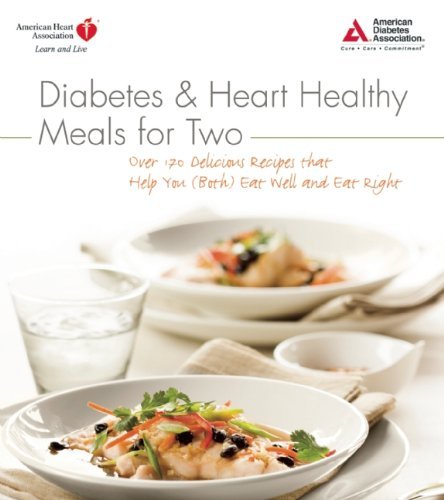
Diabetes and Heart Healthy Cookbook: American Diabetes Association, American Heart Association
<strong>One-of-a-kind heart-healthy cookbook created especially for people with diabetes</strong> Diabetes puts people at a very high risk of having a heart attack or stroke. To address this problem,
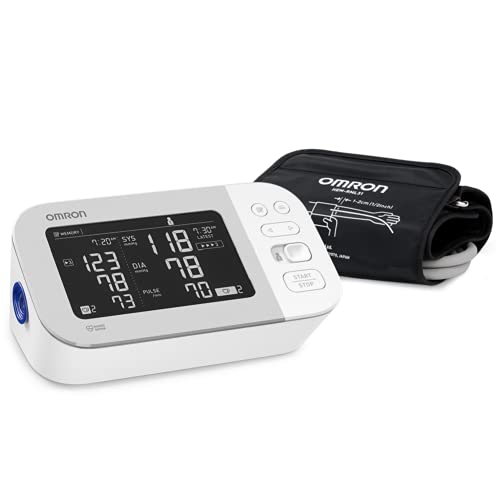
OMRON Platinum Blood Pressure Monitor, Upper Arm Cuff, Digital Bluetooth Blood Pressure Machine, Stores Up To 200 Readings for Two Users (100 readings each) : Everything Else
Buy OMRON Platinum Blood Pressure Monitor, Upper Arm Cuff, Digital Bluetooth Blood Pressure Machine, Stores Up To 200 Readings for Two Users (100 readings each) on Amazon.com ✓ FREE SHIPPING on qualif
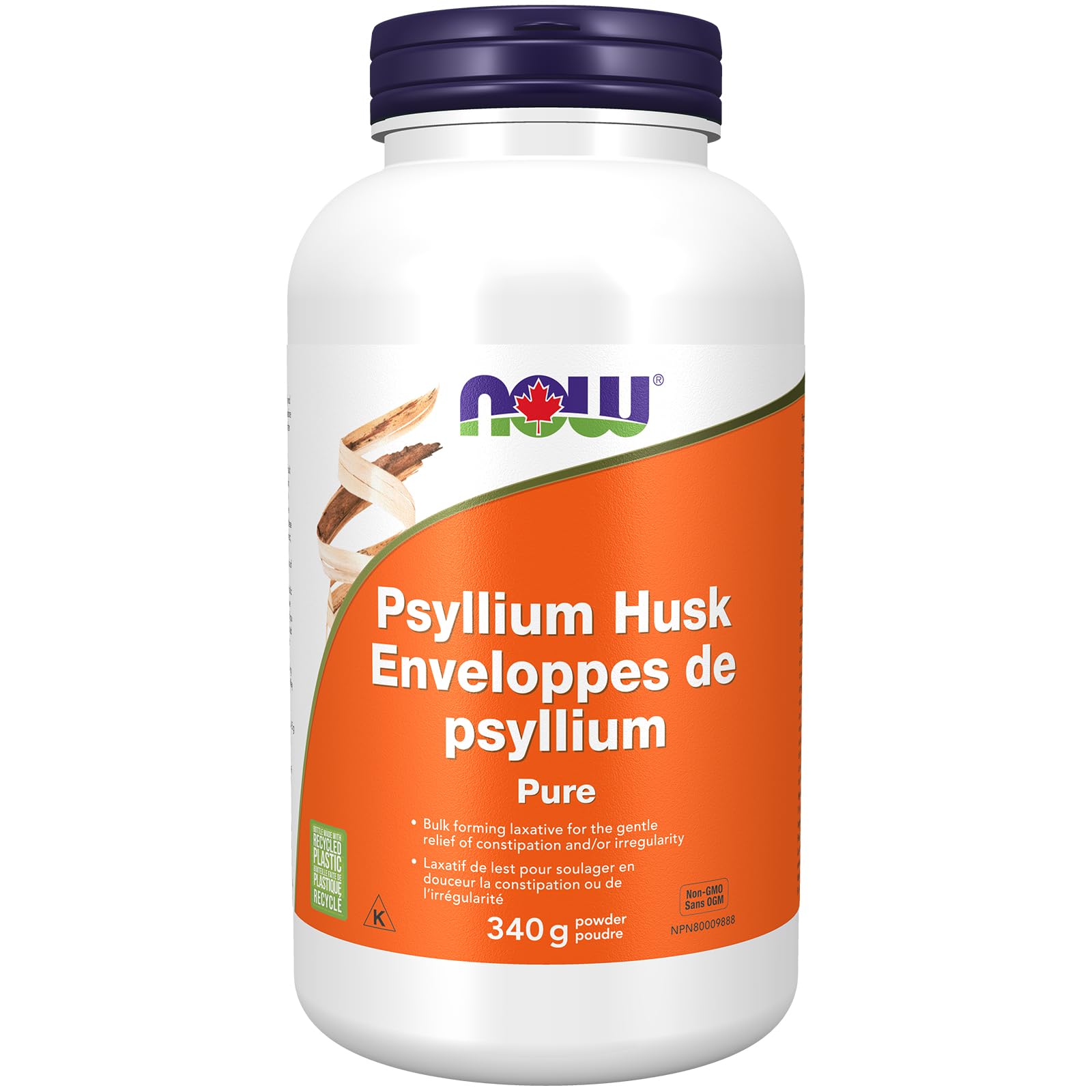
NOW Foods Supplements, Psyllium Husk Powder, Non-GMO Project Verified, Soluble Fiber, 12-Ounce
Amazon.com: NOW Foods Supplements, Psyllium Husk Powder, Non-GMO Project Verified, Soluble Fiber, 12-Ounce
Health Disclaimer
This content is for informational purposes only and does not constitute medical advice. Always consult a qualified healthcare provider before starting, stopping, or changing any supplement or medication regimen.