

Interstitial Lung Disease
Overview
Interstitial lung disease (ILD) is an umbrella term for a large group of disorders that cause inflammation and/or scarring of the lung interstitium—the tissue that supports the air sacs and surrounding structures. Over time, these processes can make the lungs stiffer, reduce oxygen transfer, and contribute to symptoms such as progressive shortness of breath, dry cough, fatigue, and reduced exercise tolerance. ILD is not a single disease but a category that includes conditions such as idiopathic pulmonary fibrosis (IPF), connective tissue disease–associated ILD, hypersensitivity pneumonitis, sarcoidosis, occupational lung diseases, and drug-related interstitial lung disorders.
The significance of ILD lies in its heterogeneity. Some forms are primarily inflammatory and may stabilize or improve, while others are fibrotic and tend to progress despite treatment. In many patients, diagnosis is complex because symptoms may develop gradually and overlap with asthma, chronic obstructive pulmonary disease, heart disease, or recurrent respiratory infections. Research and clinical guidelines increasingly emphasize the value of early recognition, multidisciplinary evaluation, and imaging-based classification, as these factors can strongly influence prognosis and management.
ILD may arise from a wide range of causes, including autoimmune disease, environmental or occupational exposures, inhaled antigens, medications, radiation, and genetic susceptibility. In some cases, no clear cause is identified, leading to diagnoses such as idiopathic interstitial pneumonias. Across the ILD spectrum, disease burden can be substantial, affecting quality of life, physical activity, sleep, mental health, and in advanced cases, heart and pulmonary vascular function. Acute worsening episodes, often termed acute exacerbations, can also occur in certain ILDs and are associated with significant risk.
From a broader health perspective, ILD illustrates the importance of integrating respiratory medicine, rheumatology, radiology, pathology, occupational history, and supportive care. Conventional medicine focuses on defining the specific ILD subtype and monitoring progression, while traditional and integrative systems often frame breathing difficulty in relation to constitutional balance, immune resilience, inflammation, and overall vitality. Because ILD encompasses both well-characterized and still-evolving disease entities, it remains an area of active research in diagnosis, biomarkers, antifibrotic therapy, rehabilitation, and complementary symptom support.
Medical Perspectives
Two Ways of Seeing Health

Western
scientific · clinical
Western medicine applies science, technology, and clinical experience to treat symptoms through testing, diagnosis, and targeted intervention.

Eastern
traditional · alternative
Eastern medicine focuses on treating the body naturally by applying traditional knowledge practiced for thousands of years, emphasizing balance and whole-person wellness.
Gold Bamboo presents both perspectives side-by-side so you can make informed decisions. We don't advocate for one over the other — your health choices are yours.
Western Medicine Perspective
Western Medicine Perspective
In conventional medicine, ILD is understood as a group of disorders marked by varying degrees of alveolar injury, immune activation, inflammation, fibrosis, and abnormal tissue remodeling. Diagnostic evaluation typically relies on a combination of clinical history, high-resolution computed tomography (HRCT), pulmonary function testing, oxygen assessment, serologic testing for autoimmune disease, and selected cases of bronchoscopy or lung biopsy. A major goal is to determine whether the pattern is inflammatory, fibrotic, exposure-related, autoimmune-associated, or idiopathic. Many centers use a multidisciplinary discussion model involving pulmonologists, radiologists, and pathologists because diagnostic accuracy improves when these perspectives are combined.
Conventional management depends on the subtype. For example, antifibrotic agents have become central in idiopathic pulmonary fibrosis and are increasingly studied or used in other progressive fibrosing ILDs. In contrast, some inflammatory ILDs, such as certain connective tissue disease–associated forms or hypersensitivity pneumonitis, may be approached with immunomodulatory strategies, exposure identification, and close monitoring. Supportive care is also considered essential and may include pulmonary rehabilitation, supplemental oxygen when indicated, vaccination, management of reflux or sleep-related breathing disorders, and assessment for lung transplantation in advanced disease. Research suggests that early referral to specialty centers may improve classification and expand access to evolving therapies and clinical trials.
From an evidence standpoint, western medicine has a relatively strong foundation for imaging patterns, functional monitoring, prognostic markers, and antifibrotic therapy in selected ILDs, particularly IPF. However, important uncertainties remain. Many non-IPF ILDs are biologically diverse, and studies continue to investigate the best timing, sequencing, and combinations of therapies. There is also growing interest in biomarkers, home spirometry, digital monitoring, and personalized medicine approaches, but these remain under active evaluation.
Eastern & Traditional Perspective
Eastern/Traditional Medicine Perspective
In Traditional Chinese Medicine (TCM), chronic breathlessness and cough seen in ILD are not described as a single modern disease category but may be interpreted through patterns involving the Lung, Spleen, and Kidney systems, often with contributions from phlegm, qi deficiency, yin deficiency, blood stasis, or residual pathogenic factors. Fibrotic, longstanding respiratory illness may be viewed as a condition in which the Lung's capacity to govern qi and respiration is impaired, while the body's deeper restorative reserves are depleted. Traditional assessment focuses on the overall pattern of imbalance rather than the radiologic diagnosis alone.
In Ayurveda, chronic respiratory symptoms may be conceptualized through disturbances in prana vaha srotas (the channels of respiration), with varying involvement of Vata and Kapha, and in some chronic inflammatory states, Pitta as well. A longstanding dry cough, wasting, fatigue, and restricted breathing may be interpreted as a complex disorder of tissue depletion, obstruction, and impaired respiratory vitality. Traditional frameworks often emphasize digestion, resilience, environmental compatibility, and restoration of systemic balance alongside symptom patterns.
In naturopathic and other traditional systems, ILD-related symptoms may be discussed in terms of inflammatory burden, immune dysregulation, oxidative stress, environmental triggers, and whole-person support. These frameworks often give considerable attention to breathing practices, constitutional assessment, stress regulation, and quality of life. At the same time, high-quality evidence for traditional interventions specifically in ILD is limited. Existing research is generally small, heterogeneous, and often adjunctive, with more data available for symptom support in chronic lung disease broadly than for altering the course of fibrotic interstitial disease itself.
An integrative perspective generally recognizes that while traditional systems may offer valuable ways to understand symptom experience, recovery capacity, and supportive care, ILD can be a serious and potentially progressive pulmonary condition that warrants evaluation by qualified medical professionals. Collaboration between conventional respiratory specialists and experienced integrative practitioners is often described in the literature as the most balanced framework when complementary approaches are being considered.
Related Topics
Rheumatoid Arthritis
Rheumatoid Arthritis — condition topic in the Gold Bamboo health ontology.
How They Relate
Rheumatoid Arthritis & Interstitial Lung Disease
Rheumatoid arthritis (RA) is a systemic autoimmune disease primarily known for joint inflammation but it can also involve the lungs. Interstitial lung disease (ILD) is one of the most serious extra...
Supplements & Products
Recommended Products
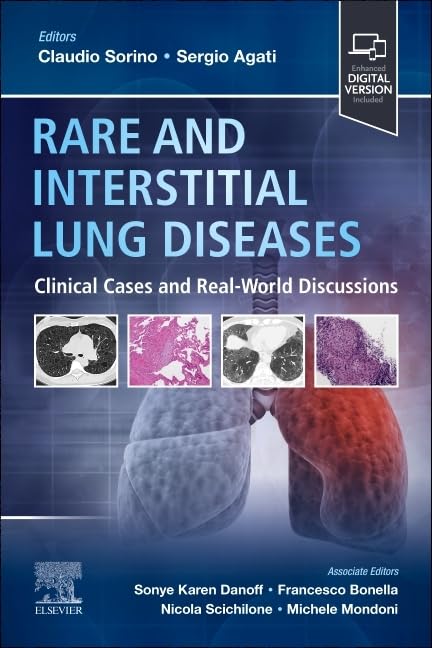
Interstitial Lung Disease
Talmadge E. King Jr, MD Julius R.

Zacurate Pro Series 500DL Fingertip Pulse Oximeter Blood Oxygen Saturation Monitor with Silicone Cover, Batteries and Lanyard (Royal Black)
Zacurate Pro Series 500DL Fingertip Pulse Oximeter Blood Oxygen Saturation Monitor with Silicone Cover, Batteries and Lanyard (Blushing Pink)

Coway AP-1512HH Mighty Air Purifier with True HEPA and Eco Mode, black/silver, 16.8 x 18.3 x 9.6
Buy Coway AP-1512HH Mighty Air Purifier with True HEPA and Eco Mode, black/silver, 16.8 x 18.3 x 9.6: Travel-Size Air Purifiers - Amazon.com ✓ FREE DELIVERY possible on eligible purchases
Evidence & Sources
Promising research with growing clinical support from multiple studies
- American Thoracic Society/European Respiratory Society (ATS/ERS) Clinical Practice Guidelines
- Lancet Respiratory Medicine
- New England Journal of Medicine
- CHEST
- National Heart, Lung, and Blood Institute (NHLBI)
- National Institute for Health and Care Excellence (NICE)
- European Respiratory Journal
- National Center for Complementary and Integrative Health (NCCIH)
This content is for informational purposes only and does not constitute medical advice. Always consult a qualified healthcare provider before starting, stopping, or changing any supplement or medication regimen.