

Psoriasis
Psoriasis Overview
Psoriasis is a chronic, immune-mediated inflammatory skin condition that most often causes well-defined, scaly plaques on the elbows, knees, scalp, trunk, and other body areas. The most common form, plaque psoriasis, is characterized by thickened, red or pink patches covered with silvery scale, although presentation varies by skin tone and disease subtype. Other forms include guttate psoriasis, inverse psoriasis, pustular psoriasis, and erythrodermic psoriasis. The condition is not contagious, but it can be persistent, recurrent, and closely tied to broader systemic inflammation.
Psoriasis affects millions of people worldwide and is now understood as more than a skin-deep disorder. Research suggests it arises from a combination of genetic susceptibility, immune dysregulation, and environmental triggers such as infections, certain medications, skin injury, smoking, alcohol use, and psychological stress. Many people experience fluctuating disease activity, with periods of relative calm followed by flares. Symptoms may include itching, burning, cracking, discomfort, and visible skin changes that can substantially affect quality of life, sleep, work, and mental health.
A major feature of contemporary psoriasis care is recognition of its association with comorbid conditions. Studies indicate that psoriasis, especially when moderate to severe, is linked with higher rates of psoriatic arthritis, obesity, metabolic syndrome, cardiovascular disease, inflammatory bowel disease, anxiety, and depression. Nail changes such as pitting, thickening, or separation from the nail bed are also common and may correlate with joint involvement. Because of these broader health implications, psoriasis is often viewed as a systemic inflammatory disease rather than solely a dermatologic problem.
From an integrative health perspective, psoriasis is a topic where conventional dermatology and traditional systems of medicine often intersect around themes of inflammation, barrier dysfunction, stress response, digestion, and whole-person health. Western medicine emphasizes immune pathways, skin-cell turnover, and targeted therapies, while Eastern and traditional systems may frame psoriasis through patterns of heat, dryness, blood imbalance, toxin accumulation, or constitutional disturbance. Across perspectives, careful evaluation by qualified healthcare professionals remains important, particularly because severe rashes, joint symptoms, or rapidly changing skin findings may require prompt medical assessment.
Compare Treatment Options
Psoriasis is a chronic, immune-mediated inflammatory skin condition that most often causes well-demarcated, scaly plaques on the elbows, knees, scalp, trunk, nails, and other body areas. The most common subtype is plaque psoriasis, but guttate, inverse, pustular, and erythrodermic forms also occur. Symptoms can range from mild cosmetic nuisance to significant itching, burning, cracking, sleep disruption, and social distress. In some people, psoriasis is also linked with nail disease, psoriatic arthritis, metabolic disease, and higher overall inflammatory burden, which is one reason treatment plans vary so widely. From a Western perspective, treatment is often matched to body surface area involved, lesion location, symptom burden, prior treatment response, and whether joints are affected. That is why topical steroids may be enough for limited plaques, while phototherapy, systemic medications, or biologics are considered for more extensive or high-impact disease. From Eastern and integrative perspectives, psoriasis is often viewed through patterns involving heat, dryness, blood stasis, stress reactivity, and constitutional imbalance, with attention to sleep, digestion, emotional triggers, and recurrence patterns. As with related Gold Bamboo topics such as eczema vs psoriasis and psoriatic arthritis, the most useful decision framework is usually not “East versus West,” but which approaches best fit the person’s severity, goals, tolerance for risk, and need for short-term versus long-term control.
View treatment comparison (6 options)Medical Perspectives
Two Ways of Seeing Health

Western
scientific · clinical
Western medicine applies science, technology, and clinical experience to treat symptoms through testing, diagnosis, and targeted intervention.

Eastern
traditional · alternative
Eastern medicine focuses on treating the body naturally by applying traditional knowledge practiced for thousands of years, emphasizing balance and whole-person wellness.
Gold Bamboo presents both perspectives side-by-side so you can make informed decisions. We don't advocate for one over the other — your health choices are yours.
Western Medicine Perspective
Western / Conventional Medicine Perspective
In conventional medicine, psoriasis is understood as a chronic inflammatory disorder driven by immune-system signaling, particularly involving the IL-23/Th17 axis, tumor necrosis factor (TNF), and other cytokines that accelerate skin-cell turnover. Instead of maturing and shedding over weeks in a typical pattern, skin cells in psoriasis accumulate rapidly, producing thick plaques and scale. Diagnosis is usually clinical, based on lesion appearance and distribution, though biopsy may occasionally be used when the diagnosis is uncertain or when other conditions such as eczema, fungal infection, cutaneous lupus, or seborrheic dermatitis need to be distinguished.
Disease assessment generally considers severity, body surface area involved, symptom burden, impact on daily life, and presence of special-site disease such as scalp, nails, face, genitals, palms, and soles. Screening for psoriatic arthritis is a key part of care because joint disease can occur with or without extensive skin findings and may lead to long-term damage if unrecognized. Conventional management may include topical therapies, phototherapy, systemic non-biologic medications, and biologic agents that target specific inflammatory pathways. Large clinical trials and long-term registry data indicate that modern biologic therapies can substantially improve skin clearance and quality of life for many patients, though risks, monitoring needs, and candidacy vary by individual.
Western medicine also increasingly emphasizes the importance of comorbidity screening and lifestyle context. Research suggests that body weight, smoking, alcohol exposure, chronic stress, sleep disturbance, and infection history can influence disease activity in some individuals. Mental health burden is also well documented, and multidisciplinary care may be relevant where anxiety, depression, or social stigma are prominent. Conventional care does not treat psoriasis as a one-size-fits-all condition; rather, it is typically approached as a long-term inflammatory disease requiring periodic reassessment, attention to triggers, and individualized care planning with a dermatologist or other licensed clinician.
Eastern & Traditional Perspective
Eastern / Traditional Medicine Perspective
In Traditional Chinese Medicine (TCM), psoriasis is not defined by a single disease label identical to the biomedical concept, but symptoms may be interpreted through patterns such as blood heat, blood dryness, blood stasis, wind, or accumulation of damp-heat and toxins in the skin. Red, inflamed, actively flaring lesions may be viewed differently from thick, chronic, dry, scaling plaques. TCM assessment traditionally includes the appearance of the skin, itching, emotional state, digestion, sleep, tongue, and pulse. Traditional approaches may involve herbal formulas, acupuncture, dietary patterning, and strategies aimed at restoring systemic balance rather than focusing only on local skin lesions.
In Ayurveda, psoriasis is often discussed under frameworks related to kushtha and may be interpreted as a disturbance involving doshas, especially Pitta and Kapha, with possible involvement of impaired digestion and metabolic processing known as agni and ama. Skin inflammation, discoloration, scaling, and chronicity may be seen as reflections of broader imbalance in tissues and elimination pathways. Traditional Ayurvedic care may include botanical preparations, external applications, dietary regulation, purification-oriented practices in selected contexts, and efforts to address stress and daily routine.
Other traditional and naturopathic perspectives frequently emphasize the relationship between inflammation, gut function, stress physiology, and skin health. Botanicals, mind-body practices, bathing approaches, and nutrition-focused strategies are commonly discussed in integrative settings. However, the evidence base for many traditional interventions remains variable. Some studies suggest potential benefit for selected complementary approaches—such as stress-reduction practices or certain topical adjuncts—but findings are often limited by small sample size, inconsistent formulations, or methodological differences. For this reason, integrative use is generally discussed in the context of clinician oversight, especially because severe psoriasis, widespread rash, infection risk, and psoriatic arthritis warrant formal medical evaluation.
Related Topics
Metabolic Syndrome
Metabolic Syndrome — condition topic in the Gold Bamboo health ontology.
Phototherapy
Phototherapy — treatment topic in the Gold Bamboo health ontology.
Psoriatic Arthritis
Psoriatic Arthritis — condition topic in the Gold Bamboo health ontology.
How They Relate
Cardiovascular Disease & Psoriasis
Psoriasis is a chronic immune‑mediated skin disease that extends beyond the skin. A robust body of epidemiologic research links psoriasis—especially moderate to severe forms and long‑standing disea...
Metabolic Syndrome & Psoriasis
Psoriasis is a chronic, immune‑mediated skin disease, while metabolic syndrome is a cluster of cardiometabolic risk factors (central obesity, dyslipidemia, hypertension, and impaired glucose regula...
Psoriasis & Phototherapy
Psoriasis is a chronic, immune‑mediated skin disease marked by well‑demarcated, scaly plaques that can itch, crack, and bleed. Variants include chronic plaque (most common), guttate, inverse, pustu...
Psoriasis & Psoriatic Arthritis
Psoriasis is a chronic, immune-mediated skin disease affecting roughly 2–3% of the population. Psoriatic arthritis (PsA) is an inflammatory arthropathy that occurs in a substantial subset of people...
Supplements & Products
Recommended Products
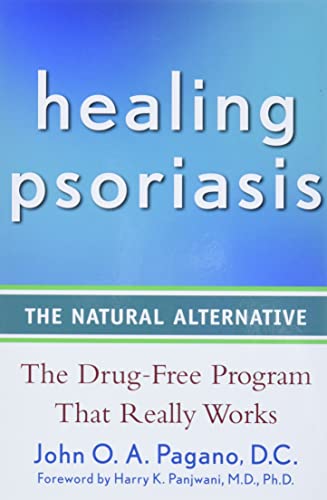
Healing Psoriasis: The Natural Alternative: Pagano D.C., John O. A., Panjwani M.D. Ph.D, Harry K.
John O. A. Pagano ... According to the National Psoriasis Foundation, at least seven million people in the U.S. and more than 100 million worldwide suffer from this chronic skin disease. This book out
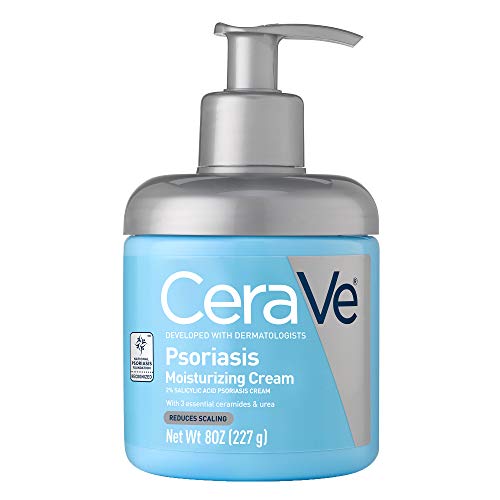
CeraVe Moisturizing Cream for Psoriasis Treatment, With Salicylic Acid for Dry Skin Itch Relief & Urea for Moisturizing, Fragrance Free & Allergy Tested, 8 Oz
Amazon.com : CeraVe Moisturizing Cream for Psoriasis Treatment, With Salicylic Acid for Dry Skin Itch Relief & Urea for Moisturizing, Fragrance Free & Allergy Tested, 8 Oz : Beauty & Perso
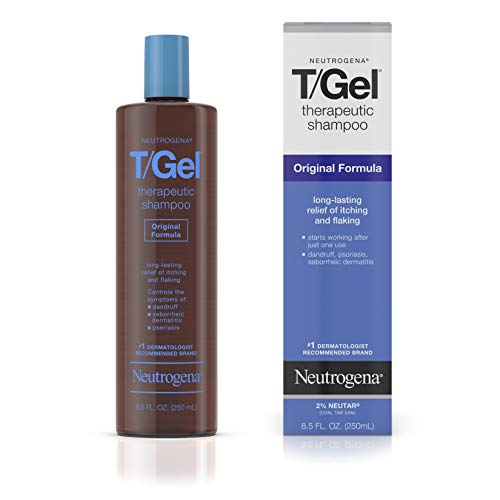
Neutrogena T/Gel Therapeutic Shampoo, Original Formula, 8.5 Ounce : Hair Shampoos
Active Ingredients: Coal Tar (2% Neutar Solubilized Coal Tar Extract) (0.5 %), <strong>Anti-Dandruff, Anti-Seborrheic Dermatitis, Anti-Psoriasis</strong>.
Evidence & Sources
Supported by multiple clinical trials and systematic reviews
- American Academy of Dermatology
- National Psoriasis Foundation
- National Institute of Arthritis and Musculoskeletal and Skin Diseases (NIAMS)
- New England Journal of Medicine
- The Lancet
- Journal of the American Academy of Dermatology
- British Journal of Dermatology
- World Health Organization
- NCCIH
- Cochrane Database of Systematic Reviews
This content is for informational purposes only and does not constitute medical advice. Always consult a qualified healthcare provider before starting, stopping, or changing any supplement or medication regimen.