

Cardiovascular Disease and Psoriasis
Psoriasis is a chronic immune‑mediated skin disease that extends beyond the skin. A robust body of epidemiologic research links psoriasis—especially moderate to severe forms and long‑standing disease—to higher rates of myocardial infarction, stroke, and cardiovascular (CV) mortality. Large cohort studies and meta‑analyses estimate roughly 20–30% higher risk of heart attack and 10–20% higher risk of stroke overall, with greater elevations in those with severe disease, earlier onset, or longer duration. Young adults with severe psoriasis appear to carry a disproportionately higher relative risk of acute myocardial infarction compared with peers without psoriasis. Biology helps explain this connection. Psoriasis is driven by systemic inflammation fueled by cytokines including TNF‑α, IL‑17, and IL‑23. These same inflammatory pathways promote endothelial dysfunction, oxidative stress, and plaque formation in arteries, accelerating atherosclerosis and predisposing to thrombosis. Imaging studies show increased vascular inflammation and impaired endothelial function in psoriasis, and inflammatory pathway blockers can improve some of these surrogate measures. Shared comorbidities amplify risk. People with psoriasis are more likely to have obesity, insulin resistance and metabolic syndrome, type 2 diabetes, hypertension, dyslipidemia, and higher rates of smoking and sedentary behavior. Each of these independently raises CV risk, and together they create a synergistic burden. Recognizing and addressing these overlapping drivers is central to care. Clinical implications are practical. Dermatology and primary care guidelines encourage routine cardiovascular risk assessment in patients with psoriasis—checking blood pressure, lipids, glucose or diabetes risk, body weight, and lifestyle factors—often with heightened vigilance in severe disease or psoriatic arthritis. Treating traditional risk factors according to standard CV prevention guidelines remains the cornerstone. Some ps
Updated September 8, 2026This content is for informational purposes only and does not constitute medical advice. Always consult a qualified healthcare provider before starting, stopping, or changing any supplement or medication regimen.
Shared Risk Factors
Obesity and visceral adiposity
Strong EvidenceHigher rates of overweight/obesity and central fat are observed in psoriasis and are major drivers of atherosclerotic cardiovascular disease (ASCVD). Adipose tissue secretes pro‑inflammatory adipokines that worsen both conditions.
Insulin resistance and metabolic syndrome
Strong EvidencePsoriasis is associated with metabolic syndrome (abdominal obesity, dyslipidemia, hypertension, hyperglycemia), which clusters ASCVD risks.
Hypertension
Strong EvidenceElevated blood pressure is more common in psoriasis and independently increases ASCVD risk.
Atherogenic dyslipidemia
Moderate EvidencePsoriasis is associated with higher triglycerides, lower HDL, and oxidized LDL; lipid abnormalities promote plaque formation.
Smoking and sedentary lifestyle
Strong EvidenceSmoking prevalence is higher in psoriasis; inactivity is also more common. Both worsen systemic inflammation and cardiometabolic health.
Chronic systemic inflammation (TNF‑α, IL‑17, IL‑23 axis)
Moderate EvidenceCore immune pathways in psoriasis directly impair endothelial function and promote atherogenesis.
Comorbidity Data
Prevalence
Meta-analyses show psoriasis is associated with increased incidence of MI (~20–30%), stroke (~10–20%), and cardiovascular mortality (~15–40%), with higher relative risks in severe psoriasis. Psoriatic arthritis further elevates risk.
Mechanistic Link
Systemic Th1/Th17‑skewed inflammation (TNF‑α, IL‑17, IL‑23) increases endothelial activation, oxidative stress, and prothrombotic signaling; this accelerates atherosclerosis. Imaging demonstrates increased vascular inflammation and impaired flow‑mediated dilation in psoriasis.
Clinical Implications
Psoriasis, particularly when severe or longstanding or with psoriatic arthritis, is considered a cardiovascular risk‑enhancing factor. Clinicians often prioritize screening and aggressive management of blood pressure, lipids, glucose, weight, and smoking, and consider systemic anti‑inflammatory therapies that may favorably influence CV risk surrogates. Multidisciplinary care with dermatology, primary care, and cardiology may be beneficial.
Sources (4)
- Gelfand JM et al. JAMA. 2006;296:1735-1741.
- Armstrong AW et al. J Am Heart Assoc. 2013;2:e000062.
- Egeberg A et al. JAMA Dermatol. 2016;152:761-767.
- Boehncke WH, Schön MP. Lancet. 2015;386:983-994.
Overlapping Treatments
Weight management and Mediterranean-style eating pattern
Strong EvidenceReduces ASCVD events and risk factors; robust evidence for improving lipids, blood pressure, and glycemia.
Weight loss and anti-inflammatory diet patterns are associated with reduced psoriasis severity and improved treatment response.
Sustained lifestyle support is often needed; tailor to cultural and medical context.
Regular aerobic and resistance exercise
Strong EvidenceLowers ASCVD risk, blood pressure, and improves insulin sensitivity.
Associated with fewer flares and improved quality of life; may modestly reduce severity.
Screen for joint involvement (psoriatic arthritis) to select joint-friendly activities.
Smoking cessation
Strong EvidenceSubstantially reduces risk of MI, stroke, and mortality over time.
Linked to lower risk of developing psoriasis and may reduce flare frequency.
Behavioral and pharmacologic aids improve success; monitor for weight gain.
Statins (lipid-lowering therapy)
Moderate EvidenceStrong reduction in ASCVD events across risk groups.
Some studies show modest improvement in psoriasis severity and inflammatory markers.
Use per CV risk indications; monitor for liver enzymes and myalgias; psoriasis benefit varies.
Methotrexate (systemic anti-inflammatory)
Moderate EvidenceObservational data suggest fewer CV events in inflammatory diseases; RCT in non-inflammatory populations did not show benefit.
Effective for moderate-to-severe psoriasis and psoriatic arthritis.
Requires lab monitoring; contraindications apply; CV benefit not proven in RCTs for psoriasis.
TNF‑α inhibitors
Moderate EvidenceObservational studies indicate reduced MI risk compared with non-biologic therapies; improve endothelial function.
Highly effective for moderate–severe psoriasis and psoriatic arthritis.
Infection risk and other safety considerations; hard CV outcomes evidence is observational.
IL‑17 or IL‑23 inhibitors
Emerging ResearchImprove vascular inflammation and endothelial function on surrogate imaging; effects on clinical CV events remain uncertain.
Highly effective skin clearance and arthritis control.
Long-term CV outcome data are limited; standard safety monitoring applies.
Omega‑3 fatty acids (nutrition/integrative)
Moderate EvidenceLower triglycerides; some formulations reduce ASCVD events in high-risk groups.
Small studies suggest symptom improvement in some patients.
Benefits depend on dose/formulation; may interact with anticoagulants.
Stress reduction (mindfulness, yoga)
Emerging ResearchCan lower blood pressure and improve autonomic balance and inflammation markers.
Helps manage stress-triggered flares and improves quality of life.
Adjunctive approach; not a replacement for medical therapy.
Medical Perspectives
Two Ways of Seeing Health

Western
scientific · clinical
Western medicine applies science, technology, and clinical experience to treat symptoms through testing, diagnosis, and targeted intervention.
Surgeons · Pharmaceuticals · Clinical trials · Diagnostics 
Eastern
traditional · alternative
Eastern medicine focuses on treating the body naturally by applying traditional knowledge practiced for thousands of years, emphasizing balance and whole-person wellness.
Acupuncture · Herbal medicine · Yoga · Meditation
Gold Bamboo presents both perspectives side-by-side so you can make informed decisions. We don't advocate for one over the other — your health choices are yours.
Two Ways of Seeing Health
Western
scientific · clinical
Western medicine applies science, technology, and clinical experience to treat symptoms through testing, diagnosis, and targeted intervention.
Eastern
traditional · alternative
Eastern medicine focuses on treating the body naturally by applying traditional knowledge practiced for thousands of years, emphasizing balance and whole-person wellness.
Gold Bamboo presents both perspectives side-by-side so you can make informed decisions. We don't advocate for one over the other — your health choices are yours.
Western Perspective
Western medicine recognizes psoriasis as a systemic inflammatory disorder that independently associates with increased incidence of myocardial infarction, stroke, and cardiovascular mortality—especially in severe, early-onset, or long-duration disease. The shared inflammatory pathways (TNF‑α, IL‑17, IL‑23) and clustering of cardiometabolic comorbidities link skin disease to vascular disease.
Key Insights
- Psoriasis confers a modest but clinically meaningful increase in CV events; risk rises with severity and younger age of onset.
- Systemic inflammation in psoriasis promotes endothelial dysfunction and atherogenesis; imaging shows higher vascular inflammation.
- Traditional risk factors (obesity, hypertension, dyslipidemia, diabetes, smoking) are more prevalent in psoriasis and account for a large portion of excess risk.
- Guidelines list psoriasis as a cardiovascular risk‑enhancing factor, supporting vigilant screening and prevention.
- Some systemic psoriasis therapies may improve vascular biomarkers; definitive reductions in hard CV outcomes remain under study.
Treatments
- Risk assessment using standard CV calculators with psoriasis as a risk‑enhancing factor
- Aggressive management of BP, lipids (statins), glucose, and smoking
- Selection of effective systemic anti‑inflammatory therapy (e.g., TNF‑α, IL‑17/23 inhibitors, methotrexate) when indicated for skin/joint disease
- Lifestyle interventions: Mediterranean-style diet, physical activity, weight management
- Multidisciplinary care including dermatology, primary care, and cardiology when risk is high
Deep Dive
From a western clinical perspective, psoriasis is now viewed as a systemic inflammatory disease with important cardiovascular implications. Popu... From a western clinical perspective, psoriasis is now viewed as a systemic inflammatory disease with important cardiovascular implications. Population studies and meta-analyses consistently demonstrate higher rates of myocardial infarction, stroke, and cardiovascular mortality in psoriasis compared with the general population, with risk magnified in individuals with severe disease, earlier onset, longer duration, or concomitant psoriatic arthritis. The association persists after adjustment for traditional risk factors, supporting an independent contribution from psoriatic inflammation. Mechanistically, psoriasis is driven by immune activation along the TNF‑α/IL‑23/IL‑17 axis. These cytokines promote endothelial activation, oxidative stress, and leukocyte adhesion, fostering the initiation and progression of atherosclerotic plaques. Endothelial dysfunction and increased vascular inflammation have been demonstrated using flow-mediated dilation and FDG-PET imaging. These insights explain why cardiometabolic comorbidities—obesity, insulin resistance, dyslipidemia, and hypertension—cluster with psoriasis and cumulatively elevate absolute cardiovascular risk. Clinically, major guidelines list psoriasis as a cardiovascular risk‑enhancing factor, prompting vigilant screening for blood pressure, lipids, glucose abnormalities, tobacco use, and obesity. Management follows standard prevention frameworks: lifestyle modification (Mediterranean-style eating, physical activity, weight management, smoking cessation), statins for indicated lipid lowering, and appropriate antihypertensive and glucose-lowering therapies. The choice of psoriasis therapy may also influence cardiovascular biology. Methotrexate and TNF‑α inhibitors have been associated in observational cohorts with fewer cardiovascular events, and biologics targeting IL‑17 or IL‑23 improve endothelial function and vascular inflammation on surrogate measures. However, definitive randomized evidence for reductions in hard cardiovascular outcomes with psoriasis biologics is limited, so prevention still hinges on aggressive risk factor control. Multidisciplinary collaboration between dermatology, primary care, and cardiology can align skin and heart health goals, especially in severe or long-standing disease.
Sources
- Gelfand JM et al. JAMA. 2006;296:1735-1741.
- Armstrong AW et al. J Am Heart Assoc. 2013;2:e000062.
- ACC/AHA Guideline on Primary Prevention of CVD. Circulation. 2019.
- Elmets CA et al. AAD–NPF Guidelines: Comorbidities. J Am Acad Dermatol. 2018.
- Boehncke WH, Schön MP. Lancet. 2015;386:983-994.
Eastern Perspective
Traditional systems view psoriasis and cardiovascular disease as expressions of systemic imbalance. In Traditional Chinese Medicine (TCM), psoriasis often reflects blood heat, dryness, and blood stasis, patterns that can parallel vessel stagnation contributing to heart disease. Ayurveda describes psoriasis (often categorized under kushtha) as a disorder of pitta and kapha with ama (metabolic toxins), which can also disturb rakta dhatu (blood) and meda dhatu (fat), aligning with cardiometabolic dysfunction. Integrative approaches prioritize reducing systemic inflammation, improving circulation, calming the nervous system, and optimizing digestion and metabolism.
Key Insights
- Dietary moderation and anti-inflammatory foods/herbs are emphasized to reduce internal heat/toxicity and support healthy lipids and glucose.
- Mind–body practices (yoga, breathwork, meditation) aim to regulate stress responses that aggravate both psoriasis flares and blood pressure.
- TCM strategies to move blood and clear heat (e.g., select herbal formulas, acupuncture) are used to address skin lesions and circulation.
- Curcumin (turmeric) and omega‑3–rich foods are traditionally valued for cooling/anti-inflammatory qualities and have emerging clinical support.
Treatments
- Ayurvedic dietary guidance and lifestyle routines to balance pitta/kapha; supervised panchakarma in select settings
- Herbal approaches such as curcumin and standardized botanicals under professional oversight
- Acupuncture and acupressure for stress modulation and circulatory support
- Yoga, tai chi, and meditation to improve autonomic balance and cardiometabolic markers
- Integrative nutrition emphasizing whole, minimally processed, plant‑forward meals
Deep Dive
Traditional and integrative paradigms approach the psoriasis–cardiovascular connection through the lens of systemic balance. In Traditional Chin... Traditional and integrative paradigms approach the psoriasis–cardiovascular connection through the lens of systemic balance. In Traditional Chinese Medicine, psoriasis is often attributed to blood heat and blood stasis; when heat dries fluids and stagnates blood, the skin becomes inflamed and plaques form, and circulation may be compromised in the vessels. Therapy aims to clear heat, move blood, and calm the spirit using tailored herbal formulas, acupuncture, and dietary guidance. In Ayurveda, psoriasis is linked to aggravated pitta and kapha with accumulation of ama (metabolic toxins), which can disturb blood and fat tissues—paralleling modern concepts of inflammation and dysmetabolism. Treatment emphasizes pitta‑pacifying diet, digestive strengthening, daily routines, herbal supports such as turmeric (curcumin), and, when appropriate, supervised detoxification (panchakarma). Across these systems, mind–body practices—yoga, meditation, breathwork—address stress reactivity that can exacerbate flares and elevate blood pressure. Integrative nutrition encourages whole, minimally processed, plant‑forward eating patterns rich in omega‑3 fats and polyphenols, which modern studies associate with improved cardiometabolic markers and, in some cases, milder psoriasis severity. Emerging research lends support to select traditional tools: small trials and reviews suggest curcumin may reduce psoriatic inflammation, and yoga-based programs can modestly lower blood pressure and improve quality of life. Safety and evidence appraisal remain important. Herbal medicines and intensive detoxification procedures require professional oversight to avoid interactions or adverse effects, particularly in people taking cardiovascular medications. Integrative clinicians often combine evidence‑based lifestyle measures with conventional therapies, using acupuncture, stress reduction, and mind–body approaches as adjuncts. In this blended model, the shared goal aligns with western practice: reduce systemic inflammation, improve circulation and metabolic health, and support sustainable habits that benefit both skin and heart.
Sources
- Cochrane Review: Chinese herbal medicine for psoriasis. Cochrane Database Syst Rev. 2012.
- Thompson Coon J, Ernst E. Acupuncture for hypertension: systematic review. J Hypertens. 2012.
- Cramer H et al. Yoga for blood pressure: systematic review/meta-analysis. Am J Hypertens. 2014.
- Heng MCY. Curcumin as adjunct in psoriasis: review. Int J Dermatol. 2000s (narrative).
- Integrative reviews on diet and psoriasis: Barrea L et al. Nutrients. 2018.
Evidence Ratings
Psoriasis is associated with increased risk of myocardial infarction, with higher relative risk in severe disease and younger patients.
Gelfand JM et al. JAMA. 2006;296:1735-1741; Armstrong AW et al. J Am Heart Assoc. 2013.
Stroke risk is modestly elevated in people with psoriasis.
Armstrong AW et al. J Am Heart Assoc. 2013; Egeberg A et al. JAMA Dermatol. 2016.
Systemic inflammation in psoriasis (TNF‑α/IL‑17/IL‑23) contributes to endothelial dysfunction and atherogenesis.
Boehncke WH, Schön MP. Lancet. 2015; Lowes MA et al. N Engl J Med. 2014/2018 (pathways).
Weight loss and Mediterranean-style eating reduce cardiovascular risk and can improve psoriasis severity.
Estruch R et al. N Engl J Med. 2013 (PREDIMED); Jensen P et al. JAMA Dermatol. 2013.
TNF‑α inhibitors are associated with lower MI rates versus non-biologic therapies in observational psoriasis cohorts.
Ahlehoff O et al. J Intern Med. 2014; Wu JJ et al. JAMA Dermatol. 2018.
IL‑17/IL‑23 inhibitors improve vascular inflammation/endothelial function on surrogate imaging; effects on hard CV outcomes are not yet established.
Mehta NN et al. Circulation Imaging studies 2017–2020; Gisondi P et al. Expert Opin Biol Ther. 2020 (review).
Statins reduce ASCVD events and may modestly improve psoriasis severity.
Cholesterol Treatment Trialists’ Collaboration; Upala S, Sanguankeo A. Int J Dermatol. 2015.
Mind–body practices (yoga/meditation) modestly lower blood pressure and stress, which can benefit both conditions.
Cramer H et al. Am J Hypertens. 2014; integrative dermatology reviews.
Sources
- Gelfand JM, Neimann AL, Shin DB, et al. Risk of myocardial infarction in patients with psoriasis. JAMA. 2006;296(14):1735-1741.
- Armstrong AW, Harskamp CT, Armstrong EJ. Psoriasis and major adverse cardiovascular events: a systematic review and meta-analysis. J Am Heart Assoc. 2013;2(2):e000062.
- Egeberg A, Hansen PR, Gislason GH, et al. Exploring the association between psoriasis and cardiovascular disease in a nationwide cohort. JAMA Dermatol. 2016;152(7):761-767.
- Boehncke WH, Schön MP. Psoriasis. Lancet. 2015;386(9997):983-994.
- ACC/AHA Guideline on the Primary Prevention of Cardiovascular Disease. Circulation. 2019;140:e596–e646.
- Elmets CA, Leonardi CL, Davis DMR, et al. Joint AAD–NPF guidelines of care for the management and treatment of psoriasis with awareness and attention to comorbidities. J Am Acad Dermatol. 2018;78(1):107-121.
- Ahlehoff O, Skov L, Gislason G, et al. Cardiovascular outcomes and systemic anti-inflammatory drugs in psoriasis: a Danish cohort. J Intern Med. 2014;275(5):481-490.
- Wu JJ, Poon KYT, Channual JC, et al. Association between tumor necrosis factor inhibitor therapy and myocardial infarction risk in psoriasis. JAMA Dermatol. 2018;154(10):1148-1155.
- Estruch R, Ros E, Salas-Salvadó J, et al. Primary prevention of CVD with a Mediterranean diet. N Engl J Med. 2013;368:1279-1290.
- Jensen P, Zachariae C, Christensen R, et al. Effect of weight loss on the severity of psoriasis: a randomized clinical study. JAMA Dermatol. 2013;149(7):795-801.
- Upala S, Sanguankeo A. Effect of statins on the severity of psoriasis: a systematic review and meta-analysis. Int J Dermatol. 2015;54(3):e68-e75.
- Cochrane Database Syst Rev. Chinese herbal medicine for psoriasis. 2012.
- Cramer H, et al. Yoga for blood pressure: a systematic review and meta-analysis. Am J Hypertens. 2014;27(9):1146-1151.
Related Topics
Recommended Products

Psoriasis: Causes, Diagnosis and Treatment (Dermatology - Laboratory and Clinical Research): Carrasco, Julian A.
This book <strong>presents current research in the causes, diagnosis and treatment of psoriasis</strong>. Topics discussed include furocoumarins used in radiation therapy to treat psoriasis; comorbidi

Nordic Naturals Ultimate Omega, Lemon Flavor - 90 Soft Gels - 1280 mg Omega-3 - High-Potency Omega-3 Fish Oil Supplement with EPA & DHA - Promotes Brain & Heart Health - Non-GMO - 45 Servings
Buy Nordic Naturals Ultimate Omega, Lemon Flavor - 90 Soft Gels - 1280 mg Omega-3 - High-Potency Omega-3 Fish Oil Supplement with EPA & DHA - Promotes Brain & Heart Health - Non-GMO - 45 Servi
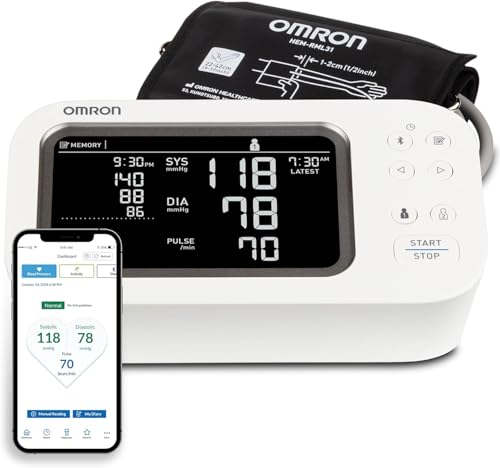
OMRON Platinum Blood Pressure Monitor for Home Use & Upper Arm Blood Pressure Cuff - #1 Doctor & Pharmacist Recommended Brand - Clinically Validated - AFib Detection - Connect App
CONFIDENCE IN EVERY READING: Monitor your heart health with the OMRON Platinum Upper Arm Blood Pressure Monitor's <strong>Advanced Accuracy with AFib Detection Technology</strong>; Store up to 10
Health Disclaimer
This content is for informational purposes only and does not constitute medical advice. Always consult a qualified healthcare provider before starting, stopping, or changing any supplement or medication regimen.