

Phototherapy
Overview
Phototherapy refers to the therapeutic use of specific wavelengths of light to influence biological processes. In conventional medicine, the term most often includes ultraviolet light therapy for skin disorders, blue-light therapy for neonatal jaundice, and bright light therapy for circadian rhythm and mood-related conditions such as seasonal affective disorder. In broader integrative health discussions, phototherapy may also encompass forms of low-level light therapy or red/near-infrared light exposure, although these uses vary considerably in evidence quality and clinical acceptance.
Light affects human physiology in multiple ways. Different wavelengths penetrate tissue to different depths and interact with distinct cellular targets. For example, ultraviolet light can alter immune activity in the skin and slow excessive skin-cell turnover, while blue light can transform bilirubin into forms more easily excreted by infants. Bright visible light can influence the suprachiasmatic nucleus through retinal signaling, helping regulate circadian rhythms, sleep-wake patterns, and melatonin secretion. These mechanisms help explain why phototherapy is used across several very different medical contexts.
The clinical significance of phototherapy depends on the condition being treated. It is a mainstay option in dermatology for disorders such as psoriasis, atopic dermatitis, vitiligo, and cutaneous T-cell lymphoma, and it is standard care in many newborn units for hyperbilirubinemia. In psychiatry and sleep medicine, light therapy is commonly studied and used for seasonal affective disorder, certain nonseasonal depressive symptoms, and circadian rhythm disturbances. At the same time, not all forms of light-based treatment are equally established; some applications remain investigational or are marketed beyond the strength of current evidence.
Because light is biologically active, phototherapy is not simply a wellness exposure but a treatment modality with potential benefits, limitations, and risks. Depending on the type used, these may include skin irritation, burns, photoaging, eye hazards, headache, sleep disruption, or—particularly with ultraviolet therapies—cumulative long-term concerns such as skin cancer risk. For that reason, phototherapy is generally understood in healthcare as a modality that benefits from proper diagnosis, selection of wavelength and dose, and oversight by qualified clinicians when used for medical conditions.
Medical Perspectives
Two Ways of Seeing Health

Western
scientific · clinical
Western medicine applies science, technology, and clinical experience to treat symptoms through testing, diagnosis, and targeted intervention.

Eastern
traditional · alternative
Eastern medicine focuses on treating the body naturally by applying traditional knowledge practiced for thousands of years, emphasizing balance and whole-person wellness.
Gold Bamboo presents both perspectives side-by-side so you can make informed decisions. We don't advocate for one over the other — your health choices are yours.
Western Medicine Perspective
Western Medicine Perspective
In conventional medicine, phototherapy is defined by the condition being treated, the wavelength used, and the dosage parameters. Among the most established forms is narrowband UVB phototherapy, widely used in dermatology for inflammatory and pigmentary skin diseases. Research indicates that UV-based therapy can reduce cutaneous inflammation, induce local immunomodulation, and normalize abnormal keratinocyte proliferation. PUVA (psoralen plus UVA) has also been used for certain skin disorders, though its use may be more limited because of adverse-effect profiles and cumulative exposure concerns. Dermatologic phototherapy is typically delivered in controlled medical settings with carefully calibrated equipment.
Another major evidence-based application is blue-light phototherapy for neonatal jaundice. In newborns with elevated bilirubin, blue light converts bilirubin into water-soluble photoisomers that can be eliminated without hepatic conjugation. This approach has substantially reduced the need for exchange transfusions in many settings and is considered a standard, well-established intervention. In psychiatry and sleep medicine, bright light therapy has been studied for seasonal affective disorder, circadian rhythm sleep-wake disorders, and selected depressive conditions. Studies suggest that appropriately timed light exposure may help shift circadian rhythms and improve mood symptoms in some patients.
Western medicine also evaluates safety and contraindications carefully. Ultraviolet phototherapy may be inappropriate or require caution in individuals with photosensitive disorders, certain medication exposures, or elevated skin cancer risk. Bright light therapy may cause eyestrain, agitation, headache, or insomnia in some users, and in susceptible individuals may contribute to mood destabilization. Low-level light therapy and red-light applications are increasingly studied for wound healing, oral mucositis, pain, and tissue recovery, but evidence varies by indication, and clinical standards are less uniform than for neonatal, dermatologic, or circadian uses.
Overall, the conventional framework treats phototherapy as a dose-dependent medical intervention rather than a generalized wellness practice. Its legitimacy is strongest where mechanisms are clearly characterized, treatment parameters are standardized, and clinical trial evidence supports benefit over risk.
Eastern & Traditional Perspective
Eastern / Traditional Medicine Perspective
In Traditional Chinese Medicine (TCM) and related East Asian healing systems, light itself has not historically been categorized in the same mechanistic way as in modern photomedicine, but therapies involving sun exposure, warmth, and environmental regulation have long been linked to health. Traditional frameworks often interpret these influences through concepts such as yang activation, movement of qi, warming of cold conditions, and support of the body’s rhythms in relation to day-night cycles and seasonal change. From this perspective, light may be seen less as an isolated treatment target and more as one expression of the body’s relationship with nature.
In Ayurveda, sunlight and daily timing are understood in relation to circadian balance, agni, doshic rhythms, and seasonal routine. Traditional literature places importance on appropriate exposure to natural environmental elements, including light and heat, while also warning against excess. Although classical systems did not describe blue-light bilirubin photochemistry or ultraviolet immunomodulation in biomedical terms, they often recognized that regulated contact with sunlight could influence skin, mood, vitality, and daily rhythm. Modern integrative practitioners sometimes interpret phototherapy through these traditional ideas of restoring balance, especially in conditions associated with seasonal change, sluggishness, or disrupted sleep patterns.
In naturopathy and integrative practice, forms of heliotherapy and light-based modalities have at times been incorporated as supportive tools, often alongside nutrition, botanical medicine, sleep regulation, and stress management. However, traditional systems generally emphasize individual constitution, environment, and pattern differentiation, rather than relying on a single modality alone. As a result, when phototherapy is discussed in Eastern or integrative settings, it is usually framed as one element within a broader therapeutic context.
From an evidence standpoint, it is important to distinguish traditional interpretation from modern clinical validation. Many historical concepts about sunlight, warmth, and rhythm are culturally significant and may align in part with modern chronobiology, but specific medical claims about phototherapy are generally evaluated today using contemporary biomedical research rather than traditional doctrine alone. Integrative care models typically stress collaboration with licensed healthcare professionals, particularly for medical uses such as neonatal jaundice, significant mood disorders, or chronic skin disease.
Related Topics
Psoriasis
Psoriasis — condition topic in the Gold Bamboo health ontology.
How They Relate
Psoriasis & Phototherapy
Psoriasis is a chronic, immune‑mediated skin disease marked by well‑demarcated, scaly plaques that can itch, crack, and bleed. Variants include chronic plaque (most common), guttate, inverse, pustu...
Supplements & Products
Recommended Products
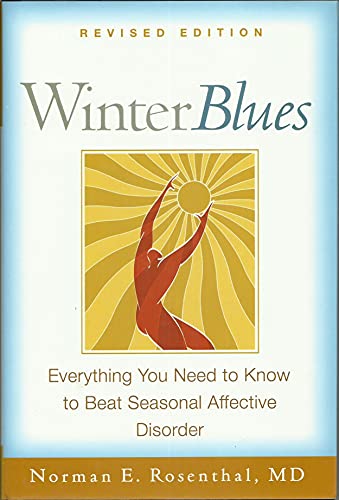
Winter Blues: Everything You Need to Know to Beat Seasonal Affective Disorder
Copyright © 2013 Norman E. Rosenthal All rights reserved. ISBN: 978-1-60918-185-7 · Cover, Praise for Winter Blues, Title Page, Copyright Page, Preface, Introduction, Part I Seasonal Syndromes, ONE Di

Verilux HappyLight Luxe - Light Therapy Lamp with 10,000 Lux, UV-Free, LED Bright White Light with Adjustable Brightness, Color, Countdown Timer, & Stand - Boost Mood, Sleep, Focus (White)
Verilux HappyLight Lumi Plus - Light Therapy Lamp with 10,000 Lux, <strong>UV-Free, LED Bright White Light with Adjustable Brightness, Countdown Timer, & Detachable Stand - Boost Mood, Sleep, and
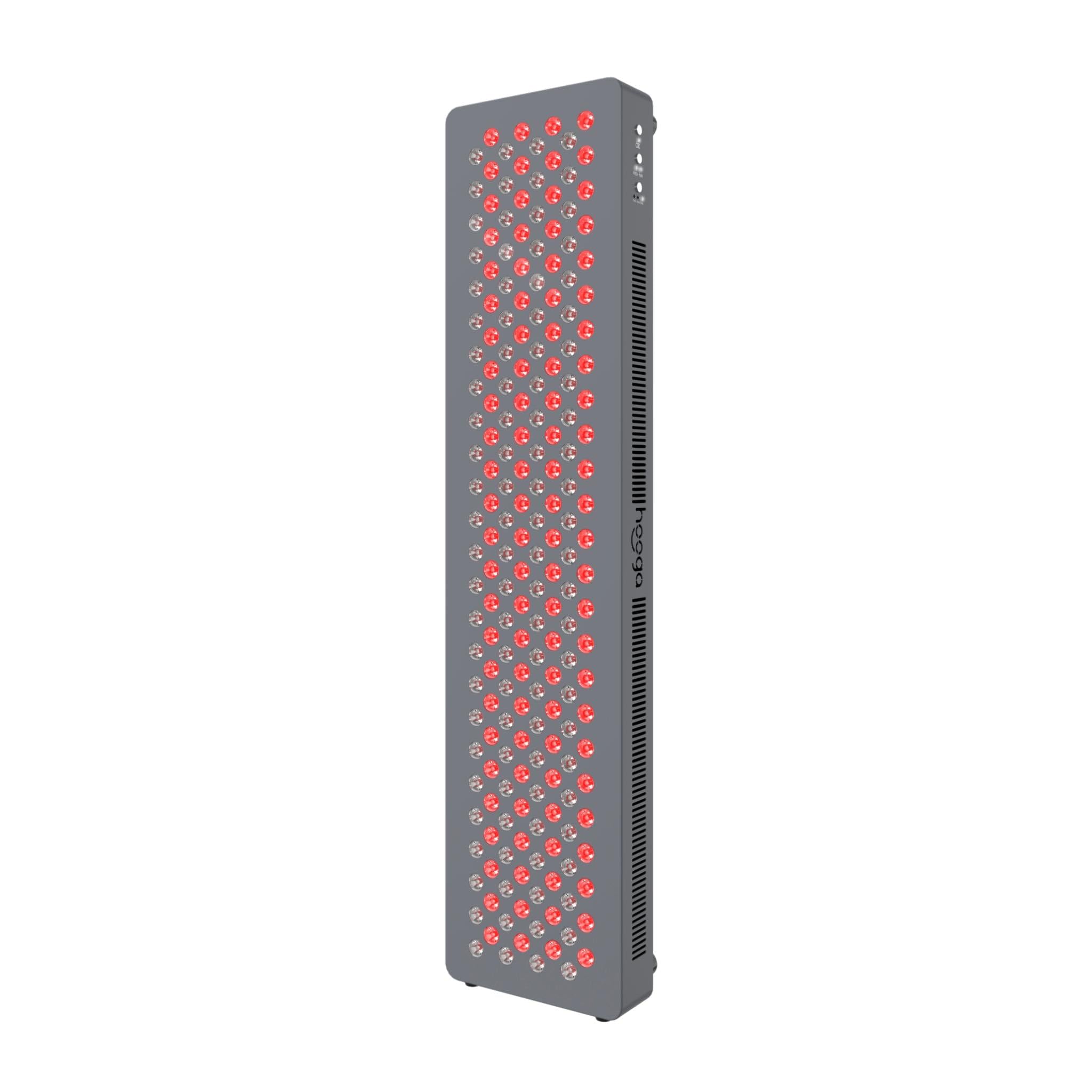
Hooga Red Light Therapy Panel – 660nm Red & 850nm Near Infrared Light Therapy Device, LED Light Therapy Lamp for Face & Body, 60 LEDs, Timer, Stand, Carrying Handle – HG300
hooga Red Light Therapy Bulb, 660nm & 850nm Red & Near Infrared Light, <strong>12 Dual-Chip LEDs, Targeted Light Bulb with Base & Braided Power Cord for Home Wellness Routine</strong>, HG2
Evidence & Sources
Supported by multiple clinical trials and systematic reviews
- American Academy of Dermatology
- National Institute for Health and Care Excellence (NICE)
- American Academy of Pediatrics
- Cochrane Database of Systematic Reviews
- National Center for Complementary and Integrative Health (NCCIH)
- New England Journal of Medicine
- Journal of the American Academy of Dermatology
- Sleep Medicine Reviews
This content is for informational purposes only and does not constitute medical advice. Always consult a qualified healthcare provider before starting, stopping, or changing any supplement or medication regimen.