

Psoriatic Arthritis
Psoriatic Arthritis Overview
Psoriatic arthritis (PsA) is a chronic inflammatory arthritis associated with psoriasis, an immune-mediated skin condition characterized by red, scaly plaques. It belongs to the broader family of spondyloarthropathies, a group of inflammatory disorders that can affect the joints, entheses (where tendons and ligaments attach to bone), spine, skin, nails, and sometimes the eyes and gastrointestinal system. Although it is closely linked with psoriasis, joint symptoms may begin before, after, or at the same time as skin disease.
PsA is clinically significant because it is more than a joint disorder. It may involve peripheral joints, the axial skeleton, fingers and toes (causing dactylitis or “sausage digits”), and the entheses, leading to pain, stiffness, swelling, reduced function, and fatigue. Nail changes such as pitting or separation from the nail bed are also common. The disease course is variable: some people experience intermittent flares, while others develop persistent inflammation that may contribute to structural joint damage over time.
Research suggests psoriatic arthritis affects a meaningful subset of people with psoriasis, with estimates varying across populations and diagnostic criteria. It is increasingly understood as a systemic inflammatory condition associated with elevated risks of comorbidities such as obesity, metabolic syndrome, cardiovascular disease, depression, anxiety, and uveitis. Early recognition is considered important in conventional care because delays in diagnosis have been associated in studies with worse functional and radiographic outcomes.
From a broad health perspective, psoriatic arthritis sits at the intersection of immunology, dermatology, rheumatology, and whole-person care. Conventional medicine focuses on controlling inflammation and preventing damage, while many traditional systems frame the condition in terms of imbalance, digestion, circulation, or disruption of vital energy. An integrative discussion often emphasizes symptom burden, quality of life, mind-body health, sleep, stress, and coordinated care with qualified healthcare professionals.
Compare Treatment Options
Psoriasis is a chronic, immune-mediated inflammatory skin condition that most often causes well-demarcated, scaly plaques on the elbows, knees, scalp, trunk, nails, and other body areas. The most common subtype is plaque psoriasis, but guttate, inverse, pustular, and erythrodermic forms also occur. Symptoms can range from mild cosmetic nuisance to significant itching, burning, cracking, sleep disruption, and social distress. In some people, psoriasis is also linked with nail disease, psoriatic arthritis, metabolic disease, and higher overall inflammatory burden, which is one reason treatment plans vary so widely. From a Western perspective, treatment is often matched to body surface area involved, lesion location, symptom burden, prior treatment response, and whether joints are affected. That is why topical steroids may be enough for limited plaques, while phototherapy, systemic medications, or biologics are considered for more extensive or high-impact disease. From Eastern and integrative perspectives, psoriasis is often viewed through patterns involving heat, dryness, blood stasis, stress reactivity, and constitutional imbalance, with attention to sleep, digestion, emotional triggers, and recurrence patterns. As with related Gold Bamboo topics such as eczema vs psoriasis and psoriatic arthritis, the most useful decision framework is usually not “East versus West,” but which approaches best fit the person’s severity, goals, tolerance for risk, and need for short-term versus long-term control.
View treatment comparison (6 options)Medical Perspectives
Two Ways of Seeing Health

Western
scientific · clinical
Western medicine applies science, technology, and clinical experience to treat symptoms through testing, diagnosis, and targeted intervention.

Eastern
traditional · alternative
Eastern medicine focuses on treating the body naturally by applying traditional knowledge practiced for thousands of years, emphasizing balance and whole-person wellness.
Gold Bamboo presents both perspectives side-by-side so you can make informed decisions. We don't advocate for one over the other — your health choices are yours.
Western Medicine Perspective
Western / Conventional Medicine Perspective
In conventional medicine, psoriatic arthritis is understood as an immune-mediated inflammatory disease shaped by both genetic susceptibility and environmental triggers. Studies have identified roles for immune pathways involving tumor necrosis factor (TNF), interleukin-17 (IL-17), and interleukin-23 (IL-23), among others. Family history, psoriasis severity, obesity, infection, biomechanical stress, and smoking have all been studied as possible contributors to disease onset or severity. Diagnosis is clinical and typically draws on the history of psoriasis, joint symptoms, examination findings, inflammatory markers, and imaging; classification tools such as CASPAR criteria are often used in research and specialty care.
Conventional assessment recognizes that PsA is heterogeneous. Some patients primarily have peripheral arthritis, while others have axial disease, enthesitis, or dactylitis. Imaging with ultrasound, X-ray, or MRI may help identify inflammation or structural changes. Management frameworks in rheumatology generally aim to reduce inflammatory activity, preserve physical function, address skin and nail disease, and lower the risk of irreversible joint damage. Research supports the use of disease-modifying approaches in appropriate clinical settings, including conventional synthetic DMARDs, biologic therapies, and targeted synthetic agents, with treatment selection typically individualized according to disease pattern, severity, comorbidities, and patient factors.
Conventional medicine also places growing emphasis on comorbidity screening and multidisciplinary care. Because PsA may coexist with cardiovascular risk factors, obesity, inflammatory bowel disease, uveitis, mood disorders, and reduced quality of life, modern care often extends beyond joint counts alone. Physical therapy, occupational therapy, exercise science, dermatology collaboration, and mental health support may all play a role. While lifestyle measures are commonly discussed in supportive care, the medical literature generally presents them as adjuncts rather than substitutes for evidence-based management, and patients are typically encouraged to discuss any complementary approaches with their healthcare team.
Eastern & Traditional Perspective
Eastern / Traditional Medicine Perspective
Traditional medical systems do not define psoriatic arthritis using modern immunologic categories, but they often interpret similar symptom patterns through frameworks of systemic imbalance, impaired circulation, inflammatory heat, dampness, wind, or toxin accumulation. In Traditional Chinese Medicine (TCM), presentations resembling psoriatic arthritis may be discussed in relation to patterns such as wind-damp-bi syndromes, blood stasis, or heat in the blood, particularly when skin lesions and painful joints coexist. TCM assessment generally considers the whole pattern of symptoms rather than a single diagnostic label, incorporating sleep, digestion, stress, tongue and pulse findings, and the distribution of pain and skin changes.
In Ayurveda, symptoms resembling psoriatic arthritis are sometimes viewed through concepts related to ama (metabolic waste or undigested residue), vata disturbance affecting the joints, and inflammatory involvement of rakta (blood) and pitta in skin manifestations. Classical Ayurvedic interpretation tends to connect musculoskeletal symptoms, skin disease, digestion, and lifestyle rhythms into one systemic picture. Naturopathic and traditional holistic frameworks may similarly emphasize inflammatory load, gut-immune interactions, stress regulation, restorative sleep, and individualized constitutional factors.
Research on Eastern and traditional approaches for psoriatic arthritis remains limited compared with conventional pharmacologic therapy. Some studies have explored acupuncture, mind-body practices, dietary patterns, herbal medicine, and integrative care models for inflammatory arthritis or psoriasis-related symptoms more broadly, but the evidence base specifically for PsA is still developing and often heterogeneous. As a result, these approaches are generally discussed as complementary perspectives rather than established disease-modifying strategies. Because herbal formulas and supplements may interact with prescription medicines or affect liver and immune function, traditional care is best considered within coordinated oversight from qualified practitioners and licensed medical professionals.
Related Topics
Psoriasis
Psoriasis — condition topic in the Gold Bamboo health ontology.
How They Relate
Psoriasis & Psoriatic Arthritis
Psoriasis is a chronic, immune-mediated skin disease affecting roughly 2–3% of the population. Psoriatic arthritis (PsA) is an inflammatory arthropathy that occurs in a substantial subset of people...
Supplements & Products
Recommended Products
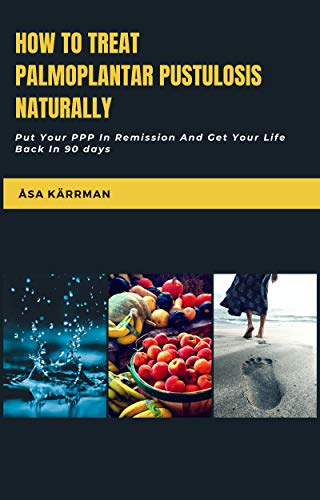
Psoriatic Arthritis (Oxford Rheumatology Library) eBook : Gladman, Dafna, Rosen, Cheryl F., Chandran, Vinod: Kindle Store
Amazon.com: Psoriatic Arthritis (Oxford Rheumatology Library) eBook : Gladman, Dafna, Rosen, Cheryl F., Chandran, Vinod: Kindle Store

Nordic Naturals Ultimate Omega, Lemon Flavor - 180 Soft Gels - 1280 mg Omega-3 - High-Potency Fish Oil with EPA & DHA - Promotes Brain & Heart Health - Non-GMO - 90 Servings
Buy Nordic Naturals Ultimate Omega, Lemon Flavor - 180 Soft Gels - 1280 mg Omega-3 - High-Potency Fish Oil with EPA & DHA - Promotes Brain & Heart Health - Non-GMO - 90 Servings on Amazon.com
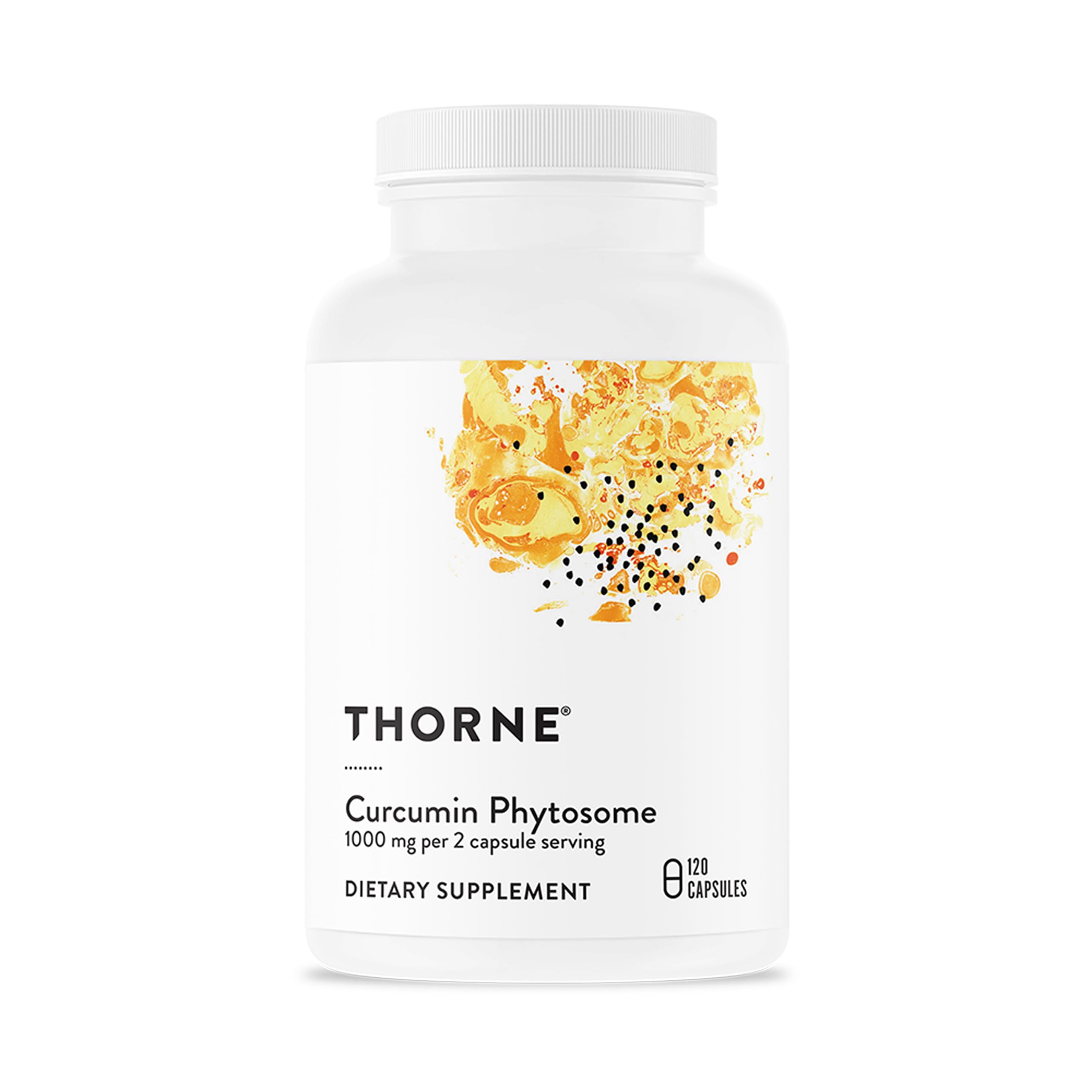
THORNE - Curcumin Phytosome 1000 mg (Meriva) - Clinically Studied, High Absorption - Supports Healthy Inflammatory Response in Joints, Muscles, GI Tract, Liver, Brain & Nerves* - 30 Servings
THORNE - Curcumin Phytosome 500 mg (Meriva) - Sustained Release, Clinically Studied - <strong>Supports Healthy Inflammatory Response in Joints, Muscles, GI Tract, Liver, Brain & Nerves</strong>* -
Evidence & Sources
Promising research with growing clinical support from multiple studies
- National Psoriasis Foundation
- American College of Rheumatology
- EULAR (European Alliance of Associations for Rheumatology) recommendations for psoriatic arthritis
- Annals of the Rheumatic Diseases
- Arthritis & Rheumatology
- Nature Reviews Rheumatology
- National Institute of Arthritis and Musculoskeletal and Skin Diseases (NIAMS)
- NCCIH (National Center for Complementary and Integrative Health)
- The Lancet
- New England Journal of Medicine
This content is for informational purposes only and does not constitute medical advice. Always consult a qualified healthcare provider before starting, stopping, or changing any supplement or medication regimen.