

Psoriasis and Psoriatic Arthritis
Psoriasis is a chronic, immune-mediated skin disease affecting roughly 2–3% of the population. Psoriatic arthritis (PsA) is an inflammatory arthropathy that occurs in a substantial subset of people with psoriasis and targets peripheral joints, the spine, and sites where tendons and ligaments insert (entheses). Shared genetic architecture (notably variants along the IL-23/Th17 pathway) and overlapping environmental risks (obesity, mechanical stress, and metabolic comorbidities) create a biologic continuum from skin to musculoskeletal inflammation. Nail involvement, scalp and intertriginous psoriasis, and higher skin severity are particularly linked with later PsA, likely reflecting the close anatomic and immunologic relationship between the nail unit and entheses. Epidemiologically, about 20–30% of individuals with psoriasis develop PsA, most often years after skin onset, though arthritis can precede skin disease in a minority. Subclinical entheseal and synovial inflammation is detectable by imaging in some patients with cutaneous psoriasis alone, underscoring the need for vigilant screening. Simple questionnaires (PEST, ToPAS, PASE) can flag suspected PsA for rheumatology referral. Early diagnosis matters: persistent inflammation risks irreversible joint damage, disability, and reduced quality of life, while timely treatment can achieve minimal disease activity and prevent progression. Therapies increasingly target the shared IL-23/IL-17–TNF axis, yielding options effective for both skin and joints: TNF inhibitors, IL-17 inhibitors, IL-23 inhibitors, and ustekinumab have strong evidence across domains; apremilast offers oral convenience with moderate efficacy; JAK inhibitors are effective for PsA musculoskeletal domains. Conventional agents (methotrexate, cyclosporine) remain useful, particularly for skin and peripheral arthritis, though effect sizes vary. Lifestyle interventions—weight reduction, exercise, smoking cessation, cardiometabolic risk control—improve症
Updated September 8, 2026This content is for informational purposes only and does not constitute medical advice. Always consult a qualified healthcare provider before starting, stopping, or changing any supplement or medication regimen.
Shared Risk Factors
Genetic susceptibility (IL-23/Th17 pathway genes)
Strong EvidenceShared risk loci (e.g., IL23R, IL12B, TNFAIP3, TRAF3IP2) predispose to psoriatic disease; HLA-C*06:02 more strongly associates with cutaneous psoriasis, while HLA-B27/B38/B39 associate with PsA/axial disease.
Nail psoriasis
Strong EvidenceInflammation at the nail enthesis unit links nail changes with adjacent DIP joint/enthesis pathology, roughly doubling or tripling PsA risk.
Higher skin severity and lesion distribution
Strong EvidenceGreater PASI scores and involvement of scalp, intergluteal/perianal or inverse areas are associated with higher PsA incidence.
Obesity and metabolic syndrome
Strong EvidenceAdipokine-driven systemic inflammation increases incidence and worsens activity; weight loss improves treatment response.
Mechanical stress and microtrauma (deep Koebner)
Moderate EvidenceRepetitive stress at entheses may initiate/propagate musculoskeletal inflammation in genetically primed individuals.
Smoking
Moderate EvidenceSmoking increases psoriasis risk/severity and cardiometabolic comorbidity; data for PsA incidence are mixed but outcomes are generally worse.
Microbiome and infections
Emerging ResearchOropharyngeal streptococcal infection triggers guttate psoriasis; gut/skin dysbiosis may contribute to systemic inflammation relevant to PsA.
Comorbidity Data
Prevalence
Approximately 20–30% of individuals with psoriasis develop psoriatic arthritis; in 75–85% psoriasis precedes arthritis by several years.
Mechanistic Link
Shared IL-23/IL-17–driven inflammation and TNF signaling; the enthesis as a primary inflammatory site; immune cell trafficking between skin, nail unit, and joints; metabolic inflammation amplifies both phenotypes.
Clinical Implications
Screen psoriasis patients annually with brief tools (e.g., PEST). Early rheumatology referral and treat-to-target strategies reduce structural damage and disability. Manage cardiometabolic risk aggressively due to elevated CVD burden in psoriatic disease.
Sources (3)
- Alinaghi F et al. J Am Acad Dermatol. 2019;80:251-265.
- NIAMS. Psoriatic Arthritis. https://www.niams.nih.gov/health-topics/psoriatic-arthritis
- Coates LC et al. EULAR recommendations for PsA management (2023). Ann Rheum Dis. 2023.
Overlapping Treatments
TNF inhibitors (adalimumab, etanercept, infliximab, certolizumab, golimumab)
Strong EvidenceRapid, robust skin clearance in moderate–severe psoriasis
Strong efficacy for peripheral arthritis, enthesitis, dactylitis, and axial disease; slows radiographic damage
Infection risk; screen for TB/viral hepatitis; monitor for demyelination/worsening CHF
IL-17 inhibitors (secukinumab, ixekizumab, bimekizumab)
Strong EvidenceHigh rates of PASI90/100
Effective for peripheral and axial PsA, enthesitis/dactylitis
Mucocutaneous Candida risk; avoid/warn in active IBD
IL-23 inhibitors (guselkumab, risankizumab, tildrakizumab)
Strong EvidenceExcellent and durable skin responses
Effective for peripheral PsA (enthesitis/dactylitis); axial data evolving
Infection risk; slower joint onset than TNF/IL-17 in some patients
Ustekinumab (IL-12/23)
Strong EvidenceEffective for moderate–severe psoriasis
Improves peripheral PsA signs and symptoms
Less effective for axial PsA than TNF/IL-17
Apremilast (PDE4 inhibitor)
Moderate EvidenceImproves plaque burden and pruritus with favorable safety
Reduces peripheral arthritis, enthesitis, dactylitis
GI upset, weight loss; modest effect size vs biologics
Methotrexate
Moderate EvidenceReduces skin inflammation; steroid-sparing
Useful for peripheral arthritis and as anchor with biologics (evidence varies)
Hepatotoxicity, cytopenias; folate supplementation and monitoring required; avoid in pregnancy
JAK inhibitors (tofacitinib, upadacitinib)
Strong EvidenceNot widely approved for psoriasis skin alone (regional variation)
Effective for peripheral PsA and enthesitis/dactylitis; oral option
Infection, zoster, lipids, MACE/VTE warnings; risk–benefit assessment needed
Cyclosporine
Moderate EvidenceRapid skin control in severe flares/erythroderma
Can help peripheral arthritis short-term
Nephrotoxicity, hypertension; short duration use
Weight loss, exercise, smoking cessation
Moderate EvidenceImproves PASI and increases biologic response
Improves disease activity and function; cardiometabolic risk reduction
Sustained lifestyle support needed
Intra-articular corticosteroid injections
Moderate EvidenceNo direct skin benefit
Targeted relief for inflamed joints/entheses
Use sparingly; minimize systemic exposure to avoid rebound skin flares
Phototherapy (NB-UVB)
Moderate EvidenceEffective for skin plaques
Minimal to no joint benefit
Adjunct only for PsA; cumulative UV exposure considerations
Medical Perspectives
Two Ways of Seeing Health

Western
scientific · clinical
Western medicine applies science, technology, and clinical experience to treat symptoms through testing, diagnosis, and targeted intervention.
Surgeons · Pharmaceuticals · Clinical trials · Diagnostics 
Eastern
traditional · alternative
Eastern medicine focuses on treating the body naturally by applying traditional knowledge practiced for thousands of years, emphasizing balance and whole-person wellness.
Acupuncture · Herbal medicine · Yoga · Meditation
Gold Bamboo presents both perspectives side-by-side so you can make informed decisions. We don't advocate for one over the other — your health choices are yours.
Two Ways of Seeing Health
Western
scientific · clinical
Western medicine applies science, technology, and clinical experience to treat symptoms through testing, diagnosis, and targeted intervention.
Eastern
traditional · alternative
Eastern medicine focuses on treating the body naturally by applying traditional knowledge practiced for thousands of years, emphasizing balance and whole-person wellness.
Gold Bamboo presents both perspectives side-by-side so you can make informed decisions. We don't advocate for one over the other — your health choices are yours.
Western Perspective
Psoriasis and psoriatic arthritis are manifestations of a unified psoriatic disease spectrum driven by IL-23/IL-17 and TNF-mediated inflammation with the enthesis as a key tissue. Genetics, environment, and metabolic factors shape whether disease localizes to skin, joints, or both. Early identification of musculoskeletal involvement and treat-to-target strategies prevent damage.
Key Insights
- Roughly one in four patients with psoriasis develops PsA; nail disease and higher skin severity raise risk.
- The enthesis is a primary lesion site in PsA; microdamage amplifies IL-23/IL-17 signaling.
- Validated screening tools (PEST, ToPAS, PASE) enable early rheumatology referral.
- Biologic agents targeting TNF, IL-17, and IL-23 are effective across skin and joint domains; choice is tailored by domain (axial vs peripheral), comorbidities, and patient preference.
- Aggressive management of cardiometabolic comorbidities is essential to reduce excess cardiovascular risk.
Treatments
- TNF inhibitors
- IL-17 inhibitors
- IL-23 inhibitors
- Ustekinumab
- Apremilast
- JAK inhibitors
- Methotrexate and conventional DMARDs
- Targeted intra-articular steroids
- Lifestyle modification and physical therapy
Deep Dive
Modern evidence positions psoriasis and psoriatic arthritis as expressions of a single psoriatic disease spectrum, unified by dysregulated IL‑23... Modern evidence positions psoriasis and psoriatic arthritis as expressions of a single psoriatic disease spectrum, unified by dysregulated IL‑23/IL‑17 and TNF pathways and amplified by metabolic inflammation. Genetics shape phenotype: HLA‑C*06:02 often tilts toward skin-dominant disease, whereas HLA‑B27/B38/B39 and TRAF3IP2 are enriched in PsA and axial patterns. The enthesis—where tendons and ligaments insert into bone—is a critical nexus; repetitive microtrauma at this interface may trigger cytokine cascades in genetically primed individuals, explaining the tight links among nail disease, DIP arthritis, and enthesitis. Epidemiologically, roughly a quarter of patients with psoriasis develop PsA, usually after years of cutaneous disease, though subclinical synovio‑entheseal inflammation may be present earlier on ultrasound or MRI. Clinically, proactive screening in dermatology using brief tools (PEST, ToPAS, PASE) reduces diagnostic delay and enables early rheumatology referral. Treat‑to‑target strategies aiming for minimal disease activity prevent structural damage and improve function. Therapeutic selection is domain-driven: TNF or IL‑17 inhibitors are preferred for axial disease and severe enthesitis/dactylitis; IL‑23 inhibitors and ustekinumab are excellent for skin and peripheral arthritis; JAK inhibitors are potent oral options for refractory PsA. Methotrexate remains useful—particularly for skin and peripheral arthritis—and as a background agent with biologics; apremilast offers a safer oral alternative with modest efficacy. Phototherapy is valuable for skin but not joints. Across all patients, aggressive cardiometabolic risk management, weight loss, smoking cessation, and structured exercise are essential, improving disease control and reducing excess cardiovascular events that disproportionately affect psoriatic disease.
Sources
- Coates LC et al. Ann Rheum Dis. 2023 (EULAR recommendations).
- Singh JA et al. Arthritis Rheumatol. 2018 (ACR/NPF guideline).
- McGonagle D et al. Nat Rev Rheumatol. 2021 (enthesis concept).
- NIAMS Psoriatic Arthritis.
Eastern Perspective
In Traditional Chinese Medicine (TCM), psoriasis is often categorized as blood-heat transforming to dryness with blood stasis, while psoriatic arthritis aligns with Bi Zheng (painful obstruction) from wind-damp-heat or cold lodging in the channels. Treatment aims to clear heat, resolve damp, move and nourish blood, and unblock channels to harmonize the skin–joint axis.
Key Insights
- Pattern differentiation guides therapy: early erythematous plaques suggest blood-heat; thick scaly plaques and nail dystrophy suggest blood stasis and dryness; warm, swollen joints reflect damp-heat Bi.
- Internal–external approaches combine herbal formulas with acupuncture to address systemic inflammation and pain.
- Some TCM agents (e.g., indigo naturalis topically) have clinical data for skin; evidence for joint inflammation is more limited.
- Safety and herb–drug interactions require careful oversight, especially with concurrent immunomodulators.
Treatments
- Topical indigo naturalis (Qing Dai) ointments for plaques
- Herbal formulas tailored to pattern (e.g., Xiao Feng San for wind-damp-heat; additions like Sheng Di Huang, Mu Dan Pi, Zi Cao for blood-heat; Dan Shen, Chuan Xiong for blood stasis)
- Thunder god vine (Tripterygium wilfordii) extracts—potent but safety-limited immunosuppressant used traditionally for inflammatory arthritis
- Acupuncture (e.g., LI11, SP10, BL17 for skin; ST36, GB34, local points for pain/enthesitis), moxibustion, and qigong/tai chi for function and stress modulation
Deep Dive
Traditional Chinese Medicine interprets psoriatic disease through patterns reflecting the interaction of heat, dampness, wind, dryness, and bloo... Traditional Chinese Medicine interprets psoriatic disease through patterns reflecting the interaction of heat, dampness, wind, dryness, and blood dynamics. Early erythematous plaques with active inflammation are often viewed as blood‑heat; evolution to thick, scaly, persistent plaques and nail dystrophy reflects dryness and blood stasis. Painful, swollen, warm joints typify damp‑heat Bi obstructing the channels, whereas chronic stiffness may reflect residual cold‑damp with stasis. Therapeutic aims are to clear heat, resolve damp, nourish and move blood, and free the collaterals to reconnect skin and joints within a holistic framework. Practice commonly combines internal herbal formulas with external therapies and acupuncture. For blood‑heat and damp‑heat, formulas inspired by Xiao Feng San with additions such as Sheng Di Huang, Mu Dan Pi, and Zi Cao seek to cool blood and reduce inflammation; for blood stasis and dryness, agents like Dan Shen and Chuan Xiong promote circulation. Topical indigo naturalis (Qing Dai) has randomized evidence for plaque improvement, while systemic Tripterygium wilfordii extracts have demonstrated anti‑inflammatory benefits in inflammatory arthritis but carry significant toxicity that restricts use. Acupuncture at points such as LI11, SP10, BL17 (skin) and ST36, GB34 with local points (pain/enthesitis) may relieve pain and improve function, and mind‑body practices (qigong, tai chi) support stress modulation. Within an integrative plan, TCM modalities can complement biomedical care—particularly for symptom control and quality of life—provided they are individualized, safety‑monitored, and coordinated with dermatology and rheumatology to avoid herb–drug interactions and to ensure timely escalation when joint inflammation threatens structural integrity.
Sources
- Lin YK et al. Arch Dermatol. 2008 (indigo naturalis RCT).
- Cochrane Review 2016: Tripterygium wilfordii in inflammatory arthritis—efficacy with significant toxicity.
- Vickers AJ et al. Arch Intern Med. 2012 (acupuncture for chronic pain meta-analysis).
Evidence Ratings
About 20–30% of people with psoriasis develop psoriatic arthritis.
Alinaghi F et al. J Am Acad Dermatol. 2019.
Nail psoriasis substantially increases the risk of developing PsA.
Alinaghi F et al. J Am Acad Dermatol. 2019.
Higher skin severity and scalp/inverse involvement are associated with higher PsA incidence.
Alinaghi F et al. J Am Acad Dermatol. 2019.
TNF, IL-17, and IL-23 inhibitors are effective for both psoriasis and PsA.
Coates LC et al. Ann Rheum Dis. 2023; ACR/NPF 2018 guideline.
Weight loss improves psoriatic disease activity and increases response to systemic therapy.
Jensen P et al. JAMA Dermatol. 2013; Di Minno MN et al. Ann Rheum Dis. 2014.
Apremilast provides moderate efficacy for skin and peripheral arthritis with favorable safety.
ACR/NPF 2018 guideline; pivotal PALACE trials.
JAK inhibitors are effective for PsA musculoskeletal domains.
Mease PJ et al. N Engl J Med. 2017 (tofacitinib); McInnes IB et al. Lancet. 2021 (upadacitinib).
Phototherapy benefits skin but not joints in psoriatic disease.
JAAD Guidelines for phototherapy in psoriasis, 2019.
Systemic corticosteroids can precipitate rebound/worsening psoriasis upon withdrawal; use cautiously.
JAMA Dermatol. 2020 (systematic review of steroid-associated flares).
Topical indigo naturalis improves plaque psoriasis.
Lin YK et al. Arch Dermatol. 2008 RCT.
Tripterygium wilfordii may reduce inflammatory arthritis activity but is limited by toxicity.
Cochrane Review 2016 on TwHF in arthritis.
Sources
- Alinaghi F, Calov M, Kristensen LE, et al. Prevalence of psoriatic arthritis in patients with psoriasis: A systematic review and meta-analysis. J Am Acad Dermatol. 2019;80(1):251-265.
- Coates LC, Behrens F, Gossec L, et al. EULAR recommendations for the management of psoriatic arthritis with pharmacological therapies: 2023 update. Ann Rheum Dis. 2023.
- Singh JA, Guyatt G, Ogdie A, et al. 2018 American College of Rheumatology/National Psoriasis Foundation Guideline for the Treatment of Psoriatic Arthritis. Arthritis Rheumatol. 2019.
- NIAMS. Psoriatic Arthritis. https://www.niams.nih.gov/health-topics/psoriatic-arthritis
- McGonagle D, Watad A, Savic S. Mechanisms of inflammatory arthritis at the enthesis. Nat Rev Rheumatol. 2021.
- Mease PJ, Kremer J, Cohen S, et al. Tofacitinib or adalimumab versus placebo in psoriatic arthritis. N Engl J Med. 2017.
- McInnes IB, Nash P, Ritchlin C, et al. Upadacitinib in psoriatic arthritis. Lancet. 2021.
- Deodhar A, Helliwell PS, Boehncke WH, et al. Guselkumab in psoriatic arthritis (DISCOVER). Lancet. 2020.
- Elmets CA, et al. Joint AAD–NPF guidelines of care for phototherapy in psoriasis. J Am Acad Dermatol. 2019.
- Jensen P, et al. Effect of weight loss on the severity of psoriasis: a randomized clinical study. JAMA Dermatol. 2013.
- Di Minno MN, et al. Weight loss and achievement of minimal disease activity in psoriatic arthritis. Ann Rheum Dis. 2014.
- Lin YK, et al. Indigo naturalis ointment in chronic plaque psoriasis. Arch Dermatol. 2008.
- Cochrane Review: Cameron M, et al. Tripterygium wilfordii for rheumatoid arthritis. Cochrane Database Syst Rev. 2011 (updated 2016).
- Helliwell PS, Taylor WJ. Psoriatic Arthritis Epidemiology, Screening and Diagnosis. Best Pract Res Clin Rheumatol. 2021.
- Gisondi P, Tinazzi I, et al. Ultrasonographic evidence of enthesitis in psoriasis. Ann Rheum Dis. 2008.
Related Topics
Recommended Products
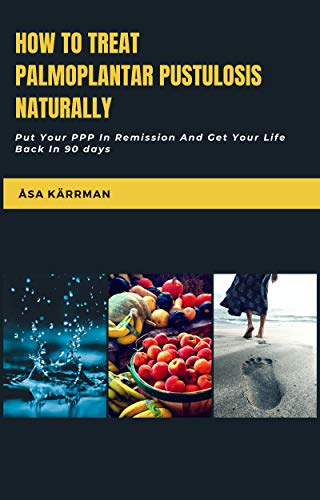
Psoriatic Arthritis (Oxford Rheumatology Library) eBook : Gladman, Dafna, Rosen, Cheryl F., Chandran, Vinod: Kindle Store
Amazon.com: Psoriatic Arthritis (Oxford Rheumatology Library) eBook : Gladman, Dafna, Rosen, Cheryl F., Chandran, Vinod: Kindle Store
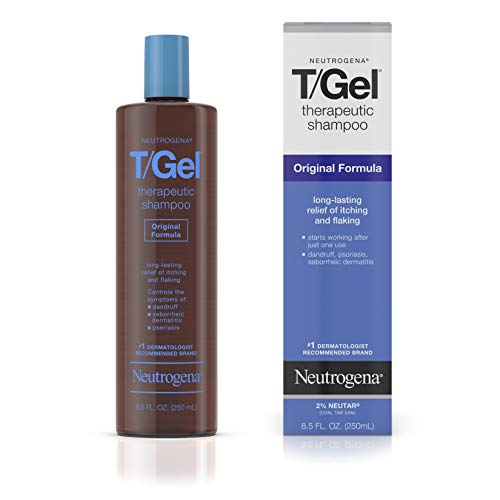
Neutrogena T/Gel Therapeutic Shampoo, Original Formula, 8.5 Ounce : Hair Shampoos
Active Ingredients: Coal Tar (2% Neutar Solubilized Coal Tar Extract) (0.5 %), <strong>Anti-Dandruff, Anti-Seborrheic Dermatitis, Anti-Psoriasis</strong>.

Nordic Naturals Ultimate Omega, Lemon Flavor - 90 Soft Gels - 1280 mg Omega-3 - High-Potency Omega-3 Fish Oil Supplement with EPA & DHA - Promotes Brain & Heart Health - Non-GMO - 45 Servings
Buy Nordic Naturals Ultimate Omega, Lemon Flavor - 90 Soft Gels - 1280 mg Omega-3 - High-Potency Omega-3 Fish Oil Supplement with EPA & DHA - Promotes Brain & Heart Health - Non-GMO - 45 Servi
Health Disclaimer
This content is for informational purposes only and does not constitute medical advice. Always consult a qualified healthcare provider before starting, stopping, or changing any supplement or medication regimen.