

Metabolic Syndrome and Psoriasis
Psoriasis is a chronic, immune‑mediated skin disease, while metabolic syndrome is a cluster of cardiometabolic risk factors (central obesity, dyslipidemia, hypertension, and impaired glucose regulation). Research increasingly shows these two conditions travel together, linked by shared inflammatory pathways and lifestyle contributors. Understanding this relationship matters because it affects cardiovascular risk, therapeutic choices, and opportunities for integrated care. Biologically, both conditions are driven by systemic inflammation involving TNF‑α and the IL‑23/IL‑17 axis. In adipose tissue, excess fat secretes adipokines (higher leptin and resistin, lower adiponectin) that promote insulin resistance and amplify Th17/TNF signaling—pathways central to psoriasis plaques. Psoriasis is also associated with insulin resistance, endothelial dysfunction, and subclinical atherosclerosis, mechanistically tying skin inflammation to metabolic and vascular disease. Genetic overlaps in immune regulation (for example, IL23R pathway variants) further support a shared predisposition. Epidemiologically, meta‑analyses report higher odds of metabolic syndrome in people with psoriasis (roughly 1.5–2.0 times that of the general population). Individual components are also more common: obesity, hypertension, dyslipidemia, and type 2 diabetes each appear elevated, with a dose–response pattern—more severe or long‑standing psoriasis generally corresponds to higher cardiometabolic risk. Large database and cohort studies support these trends, though most are observational and subject to confounding. Clinically, coexisting metabolic syndrome amplifies cardiovascular morbidity and mortality in psoriasis. Severe psoriasis is linked to higher rates of myocardial infarction and major adverse cardiovascular events. Metabolic factors can worsen psoriasis control and reduce treatment response. Some psoriasis therapies influence cardiometabolic risk: cyclosporine and systemic corticosteroids can
Updated September 8, 2026This content is for informational purposes only and does not constitute medical advice. Always consult a qualified healthcare provider before starting, stopping, or changing any supplement or medication regimen.
Shared Risk Factors
Systemic Th17/TNF-α inflammation
Strong EvidencePsoriasis and metabolic syndrome share upregulated TNF‑α and IL‑23/IL‑17 signaling, driving keratinocyte activation, insulin resistance, and vascular inflammation.
Adiposity and adipokines (leptin↓/adiponectin↓, resistin↑)
Moderate EvidenceExcess visceral fat secretes pro‑inflammatory adipokines that intensify Th17/TNF signaling; psoriasis itself is associated with altered adipokine profiles.
Insulin resistance
Moderate EvidenceInsulin resistance is common in both conditions and links metabolic dysfunction to skin and vascular inflammation.
Endothelial dysfunction and subclinical atherosclerosis
Moderate EvidenceSystemic inflammation impairs endothelial function and accelerates plaque formation in both conditions.
Shared genetic/immunologic architecture
Emerging ResearchVariants affecting IL‑23/Th17 signaling and immune regulation predispose to both systemic inflammation and metabolic perturbation.
Lifestyle factors (smoking, sedentary behavior, poor sleep/stress)
Moderate EvidenceBehavioral and psychosocial factors elevate systemic inflammation and cardiometabolic risk; stress can trigger psoriasis flares.
Comorbidity Data
Prevalence
Meta‑analyses indicate people with psoriasis have ~1.5–2.0× higher odds of metabolic syndrome than controls; reported metabolic syndrome prevalence among psoriasis cohorts ranges ~20–50% depending on age, severity, and criteria used.
Mechanistic Link
Shared TNF‑α/IL‑23/IL‑17 inflammation, adipokine dysregulation, insulin resistance, and endothelial dysfunction connect cutaneous and cardiometabolic pathology. Genetic overlaps in immune regulation (e.g., IL23R pathway) support a common inflammatory diathesis.
Clinical Implications
Coexisting metabolic syndrome raises risk of myocardial infarction and major adverse cardiovascular events in psoriasis. Severity/duration of psoriasis correlates with higher risk of obesity, hypertension, dyslipidemia, and type 2 diabetes, underscoring the need for cardiovascular risk assessment and integrated management. Observational designs limit causal inference; residual confounding (e.g., lifestyle) is possible.
Sources (5)
- Armstrong AW, Harskamp CT, Armstrong EJ. J Am Acad Dermatol. 2013;68:654-662.
- Armstrong AW, Harskamp CT, Armstrong EJ. J Am Acad Dermatol. 2012;67:555-562.
- Egeberg A et al. JAMA Dermatol. 2016;152:1086-1093.
- Gelfand JM et al. JAMA. 2006;296:1735-1741.
- Takeshita J et al. JAMA Dermatol. 2017;153:1061-1069.
Overlapping Treatments
Weight loss (dietary energy restriction, behavioral programs, bariatric surgery)
Moderate EvidenceImproves insulin sensitivity, blood pressure, and lipid profile; substantial and sustained weight loss can remit metabolic syndrome.
Randomized trials and cohort studies show clinically meaningful reductions in psoriasis severity and improved treatment response in people with obesity.
Monitor for nutritional adequacy; bariatric surgery requires multidisciplinary evaluation and long‑term follow‑up.
Mediterranean/anti‑inflammatory dietary pattern
Emerging ResearchImproves lipid profile, blood pressure, and glycemic control; lowers systemic inflammation.
Higher adherence associates with lower psoriasis severity; small interventional studies suggest symptom improvement.
Observational data predominate; individual responses vary.
Aerobic and resistance exercise
Moderate EvidenceReduces central adiposity, improves insulin sensitivity and blood pressure; lowers cardiovascular risk.
May reduce systemic inflammation and improve quality of life; weight loss augments psoriasis control.
Adapt activities to joint symptoms if psoriatic arthritis is present.
Smoking cessation
Moderate EvidenceReduces cardiometabolic risk and improves HDL levels over time.
Associated with lower incidence and improved control of psoriasis over time.
Nicotine withdrawal may transiently increase stress; behavioral support is helpful.
Stress, sleep, and mindfulness‑based interventions
Emerging ResearchImproves blood pressure, insulin sensitivity, and inflammatory tone via autonomic balance.
Mindfulness adjuncts have reduced time to skin clearance with phototherapy and improved symptom burden in small trials.
Adjunctive support; not a replacement for indicated medical therapy.
Statins
Moderate EvidenceFirst‑line for atherogenic dyslipidemia; lower ASCVD events.
Some trials show modest PASI improvement, possibly via anti‑inflammatory effects.
Monitor liver enzymes and myopathy risk; drug–drug interactions possible.
Metformin (in insulin resistance/T2D)
Emerging ResearchImproves glycemia and modestly aids weight control.
Small studies suggest reduced psoriasis severity, especially with obesity/insulin resistance.
GI side effects; renal function monitoring required.
GLP‑1 receptor agonists (for obesity/T2D)
Emerging ResearchSubstantial weight loss, improved glycemia, and cardioprotective benefits in high‑risk patients.
Case series and small studies report psoriasis improvement alongside weight loss.
GI adverse effects; cost and access considerations.
Medical Perspectives
Two Ways of Seeing Health

Western
scientific · clinical
Western medicine applies science, technology, and clinical experience to treat symptoms through testing, diagnosis, and targeted intervention.
Surgeons · Pharmaceuticals · Clinical trials · Diagnostics 
Eastern
traditional · alternative
Eastern medicine focuses on treating the body naturally by applying traditional knowledge practiced for thousands of years, emphasizing balance and whole-person wellness.
Acupuncture · Herbal medicine · Yoga · Meditation
Gold Bamboo presents both perspectives side-by-side so you can make informed decisions. We don't advocate for one over the other — your health choices are yours.
Two Ways of Seeing Health
Western
scientific · clinical
Western medicine applies science, technology, and clinical experience to treat symptoms through testing, diagnosis, and targeted intervention.
Eastern
traditional · alternative
Eastern medicine focuses on treating the body naturally by applying traditional knowledge practiced for thousands of years, emphasizing balance and whole-person wellness.
Gold Bamboo presents both perspectives side-by-side so you can make informed decisions. We don't advocate for one over the other — your health choices are yours.
Western Perspective
Western medicine views psoriasis as a systemic inflammatory disease that increases cardiometabolic risk through shared immune pathways, adiposity‑driven inflammation, insulin resistance, and vascular dysfunction. Metabolic syndrome is more prevalent in psoriasis, with severity‑dependent risk. Managing cardiometabolic health is considered a core component of psoriasis care.
Key Insights
- Meta‑analyses show ~1.5–2.0× higher odds of metabolic syndrome in psoriasis, with elevated risks of obesity, hypertension, dyslipidemia, and type 2 diabetes.
- Severe psoriasis confers increased myocardial infarction and major adverse cardiovascular event risk beyond traditional factors.
- TNF‑α and IL‑23/IL‑17 pathways mechanistically link cutaneous and vascular inflammation; adipokine imbalances and insulin resistance intensify both.
- Weight loss and cardio‑protective lifestyles improve both metabolic parameters and psoriasis severity.
- Some psoriasis therapies influence cardiometabolic risk: cyclosporine and systemic corticosteroids can worsen it; biologics may favorably modulate vascular inflammation, though hard‑outcome data are limited.
Treatments
- Risk factor screening per AAD–NPF guidelines (BP, BMI/waist, lipids, glucose/HbA1c).
- Lifestyle interventions: calorie control, Mediterranean‑style diet, exercise, smoking cessation, sleep optimization.
- Optimize psoriasis therapy with cardiometabolic profile in mind (e.g., avoid cyclosporine in uncontrolled hypertension; consider agents with neutral/favorable metabolic effects).
- Manage dyslipidemia and diabetes per cardiovascular guidelines; consider statins and metformin when indicated.
Deep Dive
From a western clinical standpoint, psoriasis is no longer viewed as a skin‑limited disorder but as a systemic inflammatory disease that raises ... From a western clinical standpoint, psoriasis is no longer viewed as a skin‑limited disorder but as a systemic inflammatory disease that raises cardiometabolic risk. The same cytokine networks that drive psoriatic plaques—particularly TNF‑α and the IL‑23/IL‑17 axis—intersect with pathways that promote insulin resistance, endothelial dysfunction, and atherosclerosis. Adipose tissue is an active endocrine organ in this story; excess visceral fat secretes adipokines (leptin, resistin) and reduces adiponectin, amplifying Th17/TNF signaling and impairing insulin action. Physiologic studies show impaired flow‑mediated dilation and increased non‑calcified coronary plaque in psoriasis, supporting a vascular link. Epidemiology aligns with these mechanisms. Meta‑analyses report roughly 1.5–2.0‑fold higher odds of metabolic syndrome in psoriasis, with elevated risks for obesity, hypertension, dyslipidemia, and type 2 diabetes. Severity matters: more extensive or long‑standing disease tracks with greater metabolic burden and higher rates of myocardial infarction and major adverse cardiovascular events. While most data are observational and susceptible to confounding by lifestyle and treatment selection, the consistency and dose–response trends strengthen causal inference. These connections have practical consequences. Guidelines advise routine screening for blood pressure, BMI/waist circumference, fasting lipids, and glucose/HbA1c in adults with psoriasis—especially when disease is moderate‑to‑severe or accompanied by psoriatic arthritis. Co‑management with primary care/endocrinology/cardiology can help address risk. Lifestyle interventions—calorie reduction, Mediterranean‑style eating, physical activity, smoking cessation, and sleep optimization—offer dual benefits: they improve metabolic syndrome components and can reduce psoriasis severity and enhance therapeutic response. Medication choices also matter. Cyclosporine and systemic corticosteroids may worsen blood pressure, lipids, or glycemia; acitretin can raise triglycerides. Biologic agents that neutralize TNF‑α or IL‑23/IL‑17 reduce systemic inflammatory load, and observational data suggest potential cardiovascular benefit, though definitive randomized outcome trials are still needed. Metformin, statins, and GLP‑1 receptor agonists, when indicated for cardiometabolic disease, may confer ancillary improvements in skin disease. Research priorities include randomized trials measuring hard cardiovascular outcomes in biologic‑treated psoriasis, mechanistic studies of adipokines and endothelial repair, and pragmatic trials of integrated lifestyle programs tailored to psoriatic disease.
Sources
- Armstrong AW et al. J Am Acad Dermatol. 2013;68:654-662.
- Gelfand JM et al. JAMA. 2006;296:1735-1741.
- Takeshita J et al. JAMA Dermatol. 2017;153:1061-1069.
- AAD–NPF Guidelines. J Am Acad Dermatol. 2018;78:102-119.e6.
- Egeberg A et al. JAMA Dermatol. 2016;152:1086-1093.
Eastern Perspective
Traditional systems frame psoriasis and metabolic syndrome as manifestations of systemic imbalance. In Traditional Chinese Medicine (TCM), psoriasis often reflects Blood Heat/Blood Stasis with Dampness; metabolic syndrome features Spleen Qi deficiency with Damp‑Phlegm and Liver Qi stagnation. Ayurveda similarly links psoriasis (Kitibha) to Pitta–Kapha aggravation with impaired digestive fire and Meda Dhatu (adipose) imbalance. These frameworks emphasize diet, digestion, stress, and circulation as drivers of chronic inflammation.
Key Insights
- Dietary patterns that reduce ‘heat’/inflammation and ‘dampness’ (refined sugars, alcohol, processed fats) are prioritized, aligning with anti‑inflammatory/Mediterranean principles.
- Herbs that modulate metabolism and inflammation (e.g., berberine‑containing Coptis/Huang Lian; turmeric/curcumin) are traditionally used; modern studies support metabolic benefits and suggest adjunctive dermatologic effects.
- Mind–body practices (yoga, meditation, breathing) target stress reactivity, which can trigger psoriasis flares and worsen metabolic control.
- Acupuncture is used to regulate Qi/blood flow and reduce pruritus and stress; clinical evidence for psoriasis is limited but suggests symptom relief for some.
Treatments
- Dietary therapy emphasizing whole foods, vegetables, legumes, spices (turmeric), and reduced alcohol/refined sugars.
- Mind–body practices: yoga, mindfulness meditation, tai chi/qigong.
- Targeted botanicals (under professional guidance): berberine‑containing formulas for glycemic/lipid control; curcumin as an anti‑inflammatory adjunct.
- Acupuncture for itch, stress, and sleep.
Deep Dive
Traditional and integrative frameworks conceptualize psoriasis and metabolic syndrome as systemic imbalances that share common roots in diet, di... Traditional and integrative frameworks conceptualize psoriasis and metabolic syndrome as systemic imbalances that share common roots in diet, digestion, stress physiology, and circulatory stagnation. In Traditional Chinese Medicine, psoriasis is often attributed to Blood Heat and Blood Stasis with Dampness; metabolic syndrome reflects Spleen Qi deficiency generating Damp‑Phlegm with Liver Qi stagnation. Ayurveda describes psoriasis (Kitibha) as a Pitta–Kapha disorder, with impaired digestive fire (Agni) leading to accumulation of metabolic byproducts (Ama) and dysfunction of Meda Dhatu (adipose). These models predict that dietary simplification, improvement in digestive function, stress reduction, and restoration of healthy circulation can improve both skin and metabolic outcomes. Pragmatically, the recommended eating patterns—emphasizing vegetables, legumes, whole grains, spices (notably turmeric), and minimizing alcohol, refined sugars, and processed fats—parallel modern anti‑inflammatory/Mediterranean diets associated with better metabolic control and lower psoriasis severity. Mind–body practices such as yoga, qigong, tai chi, and mindfulness meditation target the stress–inflammation axis; early western studies suggest meditation can speed skin clearance when combined with phototherapy and may improve perceived stress and sleep—factors relevant to metabolic health. Botanicals used traditionally for metabolic regulation, such as Huang Lian (berberine‑containing) in TCM and Haridra (turmeric/curcumin) in Ayurveda, have modern evidence for glycemic and lipid benefits; small trials and adjunctive studies suggest possible improvements in psoriasis symptoms, though high‑quality dermatologic RCTs remain limited. Acupuncture is applied for itch, stress, and sleep support, with heterogeneous evidence. An integrative care plan may therefore weave conventional risk screening and evidence‑based pharmacotherapy with lifestyle medicine and carefully selected mind–body and botanical adjuncts, under professional supervision to ensure safety and coordination with dermatologic and cardiometabolic treatments. Future research could bridge traditions by testing whole‑systems interventions that combine dietary, movement, and stress‑reduction strategies alongside standard care, with outcomes spanning skin severity, metabolic parameters, and cardiovascular events.
Sources
- Low Dog T. Integrative Dermatology. (review)
- Kabat‑Zinn J et al. Psychosom Med. 1998;60:625-632.
- Yin J et al. Metabolism. 2008;57:712-717 (berberine for dysglycemia).
- Antiga E et al. BioMed Res Int. 2015 (curcumin adjunct in psoriasis).
- Cochrane/other systematic reviews on acupuncture and psoriasis (limited/heterogeneous).
Evidence Ratings
People with psoriasis have higher odds of metabolic syndrome than those without.
Armstrong AW et al. J Am Acad Dermatol. 2013;68:654-662.
Risk of type 2 diabetes is increased in psoriasis, with higher risk in severe disease.
Armstrong AW et al. JAMA Dermatol. 2013;149:84-91; Egeberg A et al. JAMA Dermatol. 2016;152:1086-1093.
Severe psoriasis is associated with increased myocardial infarction risk.
Gelfand JM et al. JAMA. 2006;296:1735-1741.
Weight loss improves psoriasis severity and enhances response to therapy in patients with obesity.
Jensen P et al. JAMA Dermatol. 2013;149:795-801.
Mediterranean diet adherence correlates with lower psoriasis severity.
Phan C et al. JAMA Dermatol. 2018;154:1017-1024.
Cyclosporine can worsen hypertension and dyslipidemia; systemic corticosteroids can worsen glucose control.
AAD–NPF Guidelines (Comorbidities). J Am Acad Dermatol. 2018;78:102-119.e6.
TNF‑α inhibitors may reduce vascular inflammation and cardiovascular events compared with non‑biologic treatments, but evidence is primarily observational.
Wu JJ et al. JAMA Dermatol. 2018;154:1147-1158.
Metformin and GLP‑1 receptor agonists may improve psoriasis severity in insulin‑resistant or obese patients.
Wang Z et al. Dermatology. 2020 (systematic review); Khalid U et al. J Eur Acad Dermatol Venereol. 2015.
Sources
- Armstrong AW, Harskamp CT, Armstrong EJ. The association between psoriasis and metabolic syndrome: a systematic review and meta-analysis. J Am Acad Dermatol. 2013;68(4):654-662. doi:10.1016/j.jaad.2012.09.021
- Armstrong AW, Harskamp CT, Armstrong EJ. Psoriasis and obesity: a systematic review and meta-analysis. J Am Acad Dermatol. 2012;67(4):555-562. doi:10.1016/j.jaad.2011.11.013
- Armstrong AW et al. Psoriasis and risk of diabetes mellitus: a systematic review and meta-analysis. JAMA Dermatol. 2013;149(1):84-91. doi:10.1001/jamadermatol.2013.448
- Egeberg A et al. Association between psoriasis and comorbidities: a nationwide cohort study. JAMA Dermatol. 2016;152(10):1086-1093. doi:10.1001/jamadermatol.2016.2248
- Gelfand JM et al. Risk of myocardial infarction in patients with psoriasis. JAMA. 2006;296(14):1735-1741. doi:10.1001/jama.296.14.1735
- Lowes MA, Suárez-Fariñas M, Krueger JG. Immunology of psoriasis. Annu Rev Immunol. 2014;32:227-255. doi:10.1146/annurev-immunol-032713-120225
- Baran A et al. Serum adiponectin and leptin levels in psoriasis: a meta-analysis. PLoS One. 2016;11(5):e0157913. doi:10.1371/journal.pone.0157913
- Takeshita J et al. Psoriasis and comorbid diseases: epidemiology. JAMA Dermatol. 2017;153(10):1061-1069. doi:10.1001/jamadermatol.2017.2833
- American Academy of Dermatology–National Psoriasis Foundation Guidelines: Comorbidities. J Am Acad Dermatol. 2018;78(1):102-119.e6. doi:10.1016/j.jaad.2017.09.070
- Phan C et al. Association between Mediterranean diet and severity of psoriasis. JAMA Dermatol. 2018;154(9):1017-1024. doi:10.1001/jamadermatol.2018.2127
- Jensen P et al. Effect of weight loss on the severity of psoriasis: a randomized clinical study. JAMA Dermatol. 2013;149(7):795-801. doi:10.1001/jamadermatol.2013.722
- Wu JJ et al. Association of biologic therapy with risk of major adverse cardiovascular events in patients with psoriasis. JAMA Dermatol. 2018;154(10):1147-1158. doi:10.1001/jamadermatol.2018.1818
- Khurana R et al. Statins in psoriasis: a systematic review and meta-analysis. Br J Dermatol. 2014;170(2):484-492. doi:10.1111/bjd.12740
- Wang Z et al. The effect of metformin on psoriasis: a systematic review. Dermatology. 2020;236(6):507-514. doi:10.1159/000505964
- Khalid U et al. Improvement in psoriasis with GLP-1 receptor agonists. J Eur Acad Dermatol Venereol. 2015;29(1):123-126. doi:10.1111/jdv.12589
- Kabat-Zinn J et al. Influence of mindfulness-based stress reduction on psoriasis. Psychosom Med. 1998;60:625-632
- Mehta NN, Krueger JG, Lebwohl M. Psoriasis and cardiovascular disease: mechanisms and clinical considerations. Eur Heart J. 2017;38(27):2243-2255. doi:10.1093/eurheartj/ehw291
Related Topics
Recommended Products
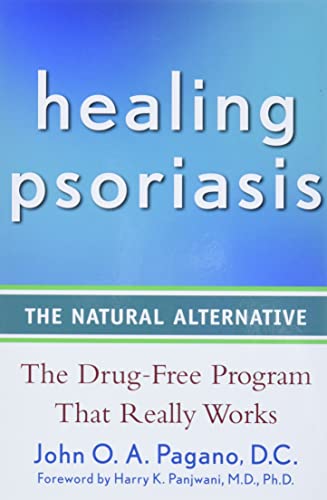
Healing Psoriasis: The Natural Alternative: Pagano D.C., John O. A., Panjwani M.D. Ph.D, Harry K.
John O. A. Pagano ... According to the National Psoriasis Foundation, at least seven million people in the U.S. and more than 100 million worldwide suffer from this chronic skin disease. This book out

Nordic Naturals Ultimate Omega, Lemon Flavor - 90 Soft Gels - 1280 mg Omega-3 - High-Potency Omega-3 Fish Oil Supplement with EPA & DHA - Promotes Brain & Heart Health - Non-GMO - 45 Servings
Buy Nordic Naturals Ultimate Omega, Lemon Flavor - 90 Soft Gels - 1280 mg Omega-3 - High-Potency Omega-3 Fish Oil Supplement with EPA & DHA - Promotes Brain & Heart Health - Non-GMO - 45 Servi
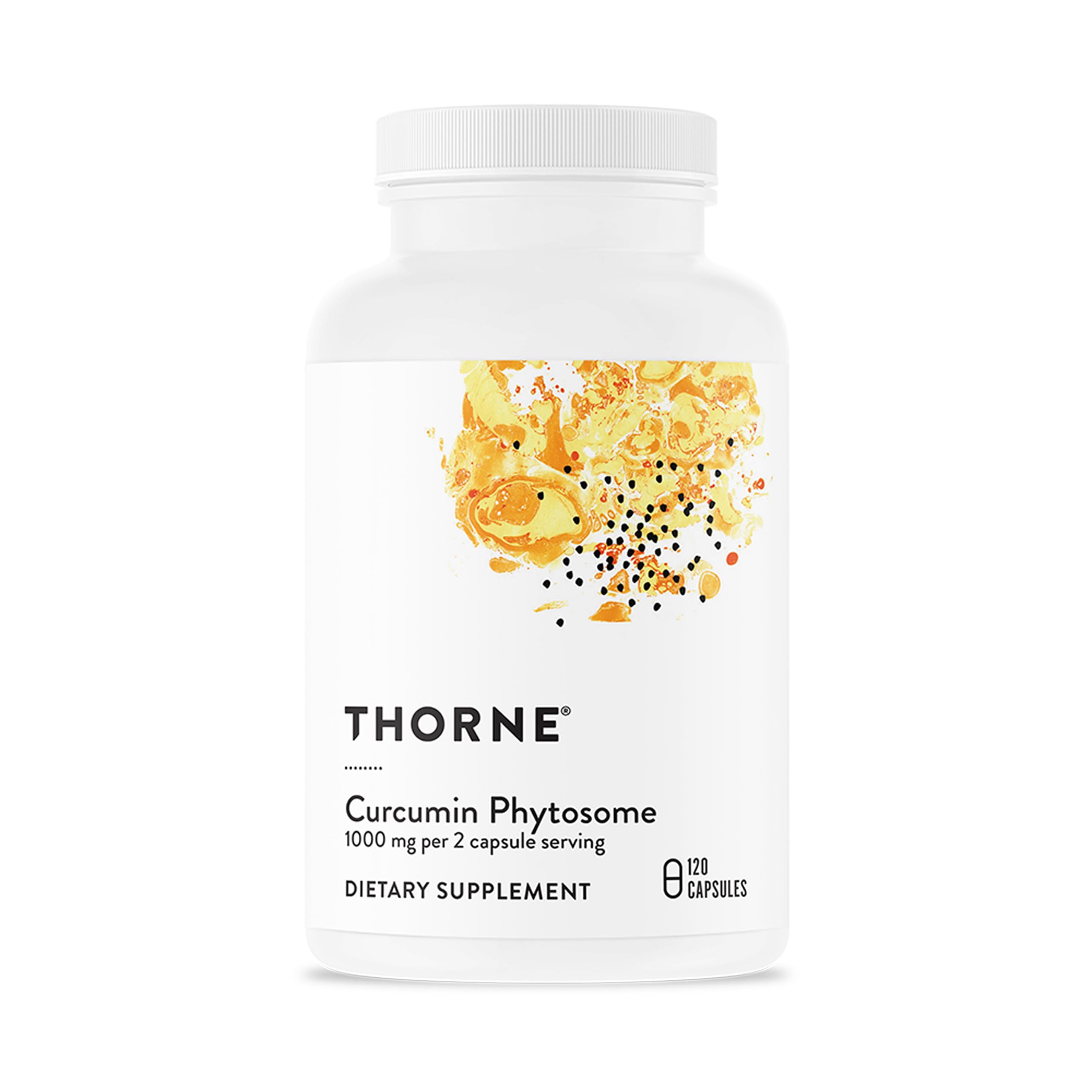
THORNE - Curcumin Phytosome 1000 mg (Meriva) - Clinically Studied, High Absorption - Supports Healthy Inflammatory Response in Joints, Muscles, GI Tract, Liver, Brain & Nerves* - 30 Servings
THORNE - Curcumin Phytosome 500 mg (Meriva) - Sustained Release, Clinically Studied - <strong>Supports Healthy Inflammatory Response in Joints, Muscles, GI Tract, Liver, Brain & Nerves</strong>* -
Health Disclaimer
This content is for informational purposes only and does not constitute medical advice. Always consult a qualified healthcare provider before starting, stopping, or changing any supplement or medication regimen.