Emerging Research

Early-stage research, mostly preclinical or preliminary human studies

Natural Remedies for Peripheral Neuropathy

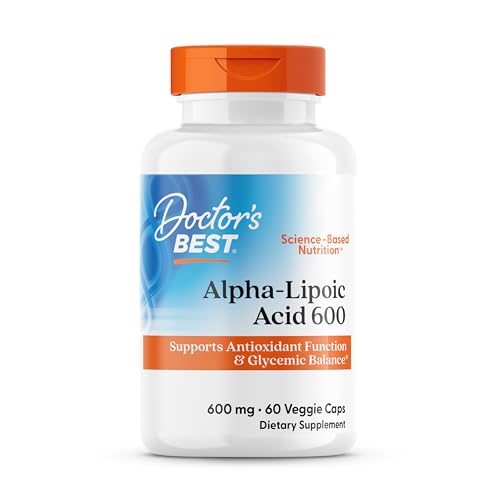
Peripheral neuropathy refers to damage or dysfunction of the peripheral nerves, leading to symptoms such as burning, tingling, numbness, electric-shock sensations, altered temperature perception, and balance problems. Common causes include diabetes, alcohol overuse, chemotherapy, vitamin B12 deficiency, autoimmune disease, infections, and hereditary conditions. Prognosis varies: some neuropathies stabilize or improve if the underlying cause is addressed early, while others progress gradually. Because neuropathic pain and sensory loss can be stubborn, many people look beyond prescriptions to natural strategies. Understanding how Western and Eastern systems conceptualize and support nerve health can help you discuss options with qualified clinicians. In Western clinical medicine, peripheral neuropathy is identified through history, neurological examination (sensation, strength, reflexes), and targeted testing to find reversible causes (for example, blood glucose/A1C, vitamin B12, thyroid function, alcohol or medication history). Nerve conduction studies and electromyography may be used to characterize fiber types involved. When the cause is known (e.g., diabetes), treatment focuses on risk-factor control plus symptom relief. Conventional medications like duloxetine or gabapentin can help pain, but natural approaches are often layered in to improve function, quality of life, and potentially nerve regeneration. Mainstream Western natural strategies include nutraceuticals, topical agents, movement-based therapies, and metabolic optimization. Alpha‑lipoic acid has antioxidant and mitochondrial actions; intravenous forms have shown symptom relief in diabetic neuropathy, while oral evidence is mixed. B‑vitamins are targeted, especially B12 when deficient; benfotiamine (a fat‑soluble B1 derivative) has shown improvement in diabetic neuropathy symptoms in several trials, while high B6 intake can itself cause neuropathy and warrants caution. Acetyl‑L‑carnitine has evidence (

neurological Updated March 22, 2026

This content is for informational purposes only and does not constitute medical advice. Always consult a qualified healthcare provider before starting, stopping, or changing any supplement or medication regimen.

Western Medicine

Diagnosis

Western medicine identifies peripheral neuropathy through a structured neurologic history and exam (sensory loss, allodynia, weakness, reflex changes), laboratory tests to find reversible causes (e.g., fasting glucose/A1C, vitamin B12 and methylmalonic acid, thyroid-stimulating hormone, serum protein electrophoresis when indicated), and sometimes nerve conduction studies/electromyography. Skin biopsy for intraepidermal nerve fiber density may be used for small-fiber neuropathy in specialized centers. Imaging is reserved for focal deficits suggesting entrapment or radiculopathy. Severity and functional impact are tracked over time to guide therapy.

Treatments

  • Address underlying cause (e.g., glycemic optimization in diabetes; treat B12 deficiency; reduce alcohol; review neurotoxic drugs)
  • Lifestyle and rehab: graded aerobic and resistance exercise; balance and gait training; physical therapy; foot care and protective footwear
  • Nutraceuticals (evidence varies): alpha‑lipoic acid, benfotiamine (B1 derivative), vitamin B12 (when low), folate (when low), acetyl‑L‑carnitine, omega‑3 fatty acids, curcumin, magnesium (select cases)
  • Topicals: low‑dose capsaicin creams; menthol; limited early data for topical cannabidiol (CBD)
  • Non‑drug modalities: transcutaneous electrical nerve stimulation (TENS), mindfulness-based pain management
  • Risk-factor modification: smoking cessation, alcohol moderation, weight management, sleep and stress optimization

Medications

  • duloxetine
  • gabapentin
  • pregabalin
  • amitriptyline
  • lidocaine 5% topical (patch/gel)
  • high‑concentration capsaicin 8% patch (prescription)

Limitations

Evidence for natural agents is heterogeneous: alpha‑lipoic acid shows stronger effects in short‑term intravenous protocols than in oral use; B‑vitamins help when deficiency is present but routine high‑dose B6 can worsen neuropathy; acetyl‑L‑carnitine shows benefits in diabetic neuropathy yet may worsen chemotherapy‑induced neuropathy when used preventively; CBD data are limited to small studies. Topical low‑dose capsaicin provides modest relief; exercise improves function but may not fully normalize pain. Many studies are small, short in duration, or lack standardized outcomes. Natural products can interact with medications and vary in quality.

Evidence: Moderate Evidence

Sources

  • ADA Standards of Care in Diabetes 2024 emphasize glycemic control and lifestyle as foundations; intensive control reduces neuropathy risk in type 1 diabetes (DCCT/EDIC) and more modestly in type 2 (UKPDS analyses).
  • A Cochrane review and subsequent meta‑analyses report symptom improvement with short‑term intravenous alpha‑lipoic acid in diabetic neuropathy; oral forms show mixed results and uncertain long‑term benefit.
  • Systematic reviews suggest vitamin B12 benefits neuropathy due to deficiency; benfotiamine has RCTs showing symptom improvement in diabetic neuropathy; high‑dose pyridoxine (B6) is associated with neuropathy.
  • A 2017 Cochrane review found high‑concentration capsaicin 8% patches provide modest pain relief for peripheral neuropathic pain; low‑dose over‑the‑counter capsaicin has smaller effects.
  • A 2019 systematic review found acetyl‑L‑carnitine improved pain and nerve fiber measures in diabetic neuropathy; ASCO guidelines advise against preventive use of acetyl‑L‑carnitine in chemotherapy due to potential worsening of CIPN.
  • Small randomized studies report benefit of topical CBD for peripheral neuropathic pain, but data are preliminary and regulatory standards vary.
  • Exercise and physical therapy show improvements in pain, balance, and nerve function in diabetic neuropathy in multiple controlled trials; benefits are additive to glycemic management.

Eastern & Traditional Medicine

Traditional Chinese Medicine (TCM) and Acupuncture

TCM views neuropathic symptoms as disruptions in the flow of qi and blood through channels, often involving patterns such as qi and blood deficiency (numbness, fatigue), blood stasis (stabbing pain), wind‑cold‑damp obstruction (migratory aches/paresthesias), or yin deficiency with internal heat (burning pain). Treatment aims to restore channel flow, nourish blood and yin, and dispel pathogenic factors. Acupuncture, electroacupuncture, moxibustion, and individualized herbal formulas are selected based on pattern diagnosis rather than a single disease label.

Techniques

  • Acupuncture/electroacupuncture along affected dermatomes and systemic points (e.g., ST36, SP6, GB34, LV3, LI4, Baxie/Bafeng, EX‑LE10), with low‑frequency stimulation for analgesia
  • Moxibustion or warm needling in cold‑damp patterns
  • Herbal formulas tailored to pattern, e.g., Bu Yang Huan Wu Tang (qi/blood deficiency with stasis), Dang Gui Si Ni Tang (cold‑induced pain), Xiao Huo Luo Dan (wind‑cold‑damp), or modifications including Astragalus (Huang Qi), Angelica (Dang Gui), Rehmannia (Shu Di Huang), Corydalis (Yan Hu Suo)
  • Topical/soak formulas with warming or blood‑invigorating herbs; tui na (medical massage) and qigong for circulation
Licensed acupuncturist (L.Ac.) TCM herbalist Traditional East Asian Medicine physician
Evidence: Emerging Research

Ayurveda (including Yoga and Panchakarma)

Ayurveda frames neuropathic pain and numbness primarily as Vata vitiation (Vatavyadhi), often arising from dhatu (tissue) depletion and aggravated by lifestyle and diet; in diabetes (Madhumeha), vitiated Vata and kapha contribute to nerve dysfunction. Goals are to pacify Vata, nourish tissues (rasayana), restore agni (metabolic fire), and improve srotas (microcirculation). Therapies combine internal herbs, medicated oils, diet, yoga, and Panchakarma procedures individualized to the patient’s constitution (prakriti) and pattern.

Techniques

  • Herbal rasayana and Vata‑pacifying formulations (institution‑specific), often including Withania somnifera (Ashwagandha), Tinospora cordifolia (Guduchi), Curcuma longa (Haridra/turmeric), Boswellia serrata (Shallaki), Sida cordifolia (Bala), and Guggulu preparations
  • Medicated oil therapies such as Abhyanga (warm oil massage) and Ksheerabala taila application; Swedana (therapeutic heat)
  • Basti (medicated enema) for systemic Vata pacification under supervision
  • Dietary guidance emphasizing warm, unctuous foods and regular routines; yoga practices for pain modulation and balance
Ayurvedic physician (BAMS or equivalent) Ayurvedic practitioner/therapist Yoga therapist
Evidence: Emerging Research

Sources

  • Systematic reviews (2017–2022) suggest acupuncture/electroacupuncture may reduce pain and improve nerve conduction in diabetic neuropathy, but trials are small with variable quality and risk of bias.
  • Reviews of acupuncture for chemotherapy‑induced peripheral neuropathy (CIPN) report symptom improvements in pilot and small RCTs; evidence is low to moderate certainty and heterogeneous.
  • Small RCTs and observational studies from China report benefits of moxibustion and herbal formulas for neuropathic symptoms; confirmation in larger, rigorously controlled trials is needed.
  • Small open‑label and pilot randomized studies suggest certain Ayurvedic polyherbal formulations and Panchakarma protocols may improve neuropathic pain and vibration perception in diabetic neuropathy; methodological quality is variable and sample sizes are small.
  • Yoga and mindfulness‑based practices have shown modest benefits for chronic pain and glycemic control in diabetes in controlled trials; neuropathy‑specific data are limited.

Integrative Perspective

Direct comparison and integration: Western natural approaches emphasize mechanisms like antioxidant and mitochondrial support (alpha‑lipoic acid, acetyl‑L‑carnitine), correction of deficiencies (B12, thiamine/benfotiamine), anti‑inflammatory actions (omega‑3s, curcumin), nociceptor desensitization (capsaicin), and metabolic optimization (glycemic control, exercise). Eastern modalities emphasize restoring flow and balance—improving microcirculation, nourishing tissues, and modulating pain via channel or dosha frameworks. Translational hypotheses suggest acupuncture activates endogenous opioids, modulates inflammatory cytokines, and may improve nerve blood flow, aligning with neuroprotective and anti‑inflammatory goals identified in Western models. Efficacy and timelines: For diabetic neuropathy, glycemic control and exercise are foundational and preventive, with benefits accruing over months. Intravenous alpha‑lipoic acid has shown symptomatic improvement within weeks in studies; oral nutraceuticals often require several weeks to months. Acupuncture trials commonly use 1–2 sessions weekly for 6–10 weeks, with reassessment for maintenance. Ayurvedic programs may run 4–12 weeks, combining herbs and external therapies. When each may be favored: - Western natural strategies are suitable when deficiency or metabolic drivers are prominent (e.g., low B12, suboptimal glucose control), when topical symptom relief is desired, or when adding to guideline‑based care. - TCM or Ayurveda may be favored when pain patterns suggest poor microcirculation or systemic Vata/qi-blood imbalance, or when patients prefer body‑based therapies (acupuncture, oil massage) and holistic routines. - Integrative strategies are common: combine exercise, foot care, and glycemic optimization with a time‑limited trial of acupuncture and a carefully selected nutraceutical (e.g., benfotiamine or alpha‑lipoic acid), reassessing function, pain scores, and safety at 6–12 weeks. Safety and interactions: - Herb‑drug interactions are possible: turmeric and guggulu may affect platelet function; licorice‑containing TCM formulas can raise blood pressure; St. John’s wort (not typically used for neuropathy in TCM/Ayurveda) induces drug metabolism. Quality control matters—use reputable sources. - B‑vitamins help when deficient; avoid excessive B6 due to neurotoxicity risk. Alpha‑lipoic acid can lower blood sugar; coordinate monitoring if on glucose‑lowering medication. Acetyl‑L‑carnitine should be used cautiously in people undergoing chemotherapy given signals of worsened CIPN in preventive trials. CBD can interact with medications metabolized by CYP enzymes; topical absorption is variable. Practical guidance: Seek practitioners with recognized credentials (e.g., licensed acupuncturist, board‑certified integrative/neuromuscular clinician, credentialed Ayurvedic practitioner). Ask about treatment goals, expected timelines, and how outcomes will be measured (pain scales, balance tests, monofilament/vibration, sleep and function). Urgent medical evaluation is warranted for red flags such as rapidly progressive weakness, new asymmetry, severe back pain with leg weakness, loss of bladder or bowel control, or infected foot wounds. Research gaps include high‑quality, longer‑term trials of combined protocols (e.g., acupuncture plus benfotiamine and exercise), head‑to‑head comparisons of oral vs intravenous alpha‑lipoic acid, and mechanistic biomarkers (small‑fiber density, perfusion) to match patients to therapies. Consult your healthcare provider before making changes to your health regimen.


Sources

  1. ADA Standards of Medical Care in Diabetes (2024) on neuropathy risk reduction and lifestyle management.
  2. DCCT/EDIC trial: intensive glycemic control in type 1 diabetes reduced neuropathy incidence over long‑term follow‑up.
  3. UKPDS analyses: more modest neuropathy risk reduction in type 2 diabetes with improved glycemic control.
  4. Cochrane review/meta‑analyses on alpha‑lipoic acid for diabetic neuropathy: short‑term IV benefit; mixed oral results.
  5. Systematic reviews on benfotiamine showing symptom improvement in diabetic neuropathy.
  6. Cochrane review (2017) on high‑concentration capsaicin for peripheral neuropathic pain: modest benefit.
  7. ASCO guidelines on chemotherapy‑induced peripheral neuropathy caution against acetyl‑L‑carnitine for prevention; acupuncture evidence considered promising but not definitive.
  8. Small randomized trial of topical CBD for peripheral neuropathic pain reported pain score improvements; preliminary data.
  9. Systematic reviews (2017–2022) on acupuncture/electroacupuncture for diabetic neuropathy and CIPN: potential benefits with low‑to‑moderate quality evidence.
  10. Ayurvedic pilot and small RCT studies for diabetic neuropathy and Vata‑pacifying protocols: suggest benefit; larger trials needed.

Related Content

comparisons

Peripheral Neuropathy — Herbal and Integrative Approaches: East vs West

Peripheral Neuropathy — Herbal and Integrative Approaches. Peripheral neuropathy refers to damage or dysfunction of the peripheral nerves that carry sensation and motor signals between the body and the spinal cord/brain. From a Western medical perspective, common causes include long-standing diabetes, chemotherapy-induced nerve injury, vitamin B12 deficienc

relationships

Chemotherapy-Induced Peripheral Neuropathy (CIPN) and Acupuncture

Chemotherapy-Induced Peripheral Neuropathy (CIPN) and Acupuncture. Chemotherapy-induced peripheral neuropathy (CIPN) is a common side effect of agents such as taxanes, platinum compounds, vinca alkaloids, and bortezomib. Symptoms include burning or shooting pain, numbness, tingling, cold sensitivity, and loss of balance or dexterity. Meta-analytic estimates suggest

relationships

Peripheral Neuropathy and Vitamin B12

Peripheral Neuropathy and Vitamin B12. Vitamin B12 is essential for healthy nerve function. It supports myelin maintenance, DNA synthesis, and one‑carbon (methylation) reactions that keep homocysteine and methylmalonic acid (MMA) in check. When B12 is low, MMA and homocysteine often rise, mitochondrial and axonal metabolism are disrupted

relationships

Type 2 Diabetes and Neuropathy

Type 2 Diabetes and Neuropathy. Type 2 diabetes (T2D) and neuropathy are closely linked: chronically elevated blood glucose and related metabolic changes can damage peripheral and autonomic nerves over time. Diabetic peripheral neuropathy (DPN) is the most common form, affecting sensation—especially in the feet—and can present wit

comparisons

Carpal Tunnel Syndrome — Western vs Eastern (Alternative) Care: East vs West

Carpal Tunnel Syndrome — Western vs Eastern (Alternative) Care. Carpal tunnel syndrome (CTS) is a common nerve entrapment affecting the median nerve as it passes through a narrow tunnel in the wrist. Thickened ligament tissue, tendon swelling, or fluid shifts can increase pressure in this confined space, irritating the nerve. People often notice numbness and tin

comparisons

Multiple Sclerosis — Western vs Eastern Complementary Care: East vs West

Multiple Sclerosis — Western vs Eastern Complementary Care. Multiple sclerosis (MS) is a chronic, immune‑mediated condition in which inflammation damages myelin and axons in the central nervous system, producing symptoms such as fatigue, numbness, weakness, visual changes, spasticity, pain, cognitive issues, and mobility limitations. Western biomedicine has

Health Disclaimer

This content is for informational purposes only and does not constitute medical advice. Always consult a qualified healthcare provider before starting, stopping, or changing any supplement or medication regimen.