Multiple Sclerosis and Chronic Fatigue
Multiple sclerosis (MS) is a chronic, immune-mediated demyelinating disease of the central nervous system. Fatigue—often described as an overwhelming lack of physical and/or mental energy—is among its
Promising research with growing clinical support from multiple studies
Multiple sclerosis (MS) is a chronic, immune‑mediated condition in which inflammation damages myelin and axons in the central nervous system, producing symptoms such as fatigue, numbness, weakness, visual changes, spasticity, pain, cognitive issues, and mobility limitations. Western biomedicine has transformed MS care with disease‑modifying therapies (DMTs) that reduce relapse risk and MRI activity and, for some people, slow disability progression. Yet DMTs do not cure MS, can have significant side effects, and are less effective for progressive forms. These realities, alongside symptom burdens (fatigue, pain, mood changes, sleep disturbance) and a desire for self‑care, motivate many to explore complementary and alternative approaches. Comparing Western and Eastern perspectives helps patients and clinicians navigate options in a realistic, evidence‑aware way. In Western practice, diagnosis relies on the 2017 McDonald criteria integrating clinical history, MRI evidence of lesions disseminated in space and time, and supportive tests such as cerebrospinal fluid oligoclonal bands and evoked potentials. Acute relapses are often treated with high‑dose corticosteroids; plasma exchange may be used for steroid‑refractory attacks. Long‑term DMTs (e.g., interferon beta, glatiramer acetate, fumarates, teriflunomide, sphingosine‑1‑phosphate modulators, natalizumab, ocrelizumab, ofatumumab, alemtuzumab, cladribine) have strong evidence from randomized trials and guidelines. Symptom management, rehabilitation (physical/occupational therapy), exercise, smoking cessation, and mental health care are core elements. Limitations include incomplete disease control, monitoring burdens, infection and other risks (e.g., PML with natalizumab), high costs, and limited options for primary progressive disease. Eastern medical systems conceptualize MS differently. In Traditional Chinese Medicine (TCM), patterns such as “wind,” “dampness,” “phlegm,” and deficiencies of liver–kidney yin or qi/b血
This content is for informational purposes only and does not constitute medical advice. Always consult a qualified healthcare provider before starting, stopping, or changing any supplement or medication regimen.
MS is identified using the 2017 McDonald criteria: clinical attacks affecting different CNS sites, MRI evidence of dissemination in space and time, cerebrospinal fluid oligoclonal bands as supportive evidence, and evoked potentials when needed. Differential diagnosis excludes mimics (e.g., neuromyelitis optica spectrum disorder, vascular, infectious, metabolic). Baseline and follow‑up MRIs monitor disease activity and treatment response.
DMTs do not cure MS and are variably effective, especially in progressive phenotypes. Some require infusions/injections and intensive monitoring; adverse events include infections, infusion reactions, lymphopenia, hepatotoxicity, and rare risks such as PML (natalizumab) or autoimmune events (alemtuzumab). Access and costs can be substantial. Symptom and quality‑of‑life burdens (fatigue, pain, cognitive impairment) often persist despite optimal biomedical care.
Sources
MS is framed as disruption of qi and blood with internal wind, dampness, and phlegm obstructing channels, often alongside liver–kidney yin or spleen qi deficiency. Goals are to dispel wind/dampness, resolve phlegm, nourish liver–kidney, and restore flow to support strength, balance, and fatigue reduction.
MS is often interpreted as a vata‑predominant neurological disorder (vata vyadhi) with possible kapha involvement. Care aims to pacify vata, reduce ama (metabolic by‑products), nourish ojas (vitality), and support nervous system resilience.
Kampo adapts classical Chinese herbal theory with standardized formulas chosen by sho (pattern) such as qi/blood deficiency, cold, or dampness presentations. Goals include warming, moving blood, and strengthening constitution to ease fatigue and stiffness.
Mind–body practices aim to modulate stress reactivity, improve fatigue, mood, sleep, and quality of life, and support balance and mobility through gentle movement and breathwork.
Sources
An integrative plan typically anchors on evidence‑based DMTs and rehabilitation while using complementary modalities to target persistent symptoms and enhance well‑being. Practical combinations include: yoga or mindfulness alongside conventional exercise programs to reduce fatigue, anxiety, and sleep disturbance; a monitored trial of acupuncture for spasticity, neuropathic pain, or paresthesia; and nutritional optimization (e.g., correcting vitamin D deficiency under clinician supervision). Cannabis‑based products may help spasticity and pain for some patients where legal, though cognitive and psychiatric side effects, driving safety, and drug–drug interactions must be weighed. Research directly testing combined approaches is limited, but small studies suggest additive benefits in quality of life when mind–body practices are layered onto standard care. Risk management is central. Many DMTs affect infection risk and liver function; herbs with immunostimulatory or hepatotoxic potential (e.g., echinacea, kava, concentrated green tea extracts, certain TCM botanicals such as Tripterygium wilfordii) can pose added risk. St John’s wort can alter metabolism of multiple drugs; ginkgo may increase bleeding risk; licorice may exacerbate hypertension and potassium loss; cannabinoids can amplify sedation with CNS depressants. Product quality varies widely; some traditional preparations have been found to contain heavy metals or adulterants. Choosing third‑party tested supplements (USP, NSF, or equivalent), using single‑herb products when possible, and coordinating timing with infusions or lab monitoring help reduce harm. Licensed, well‑trained practitioners (acupuncturists, Ayurvedic/Kampo physicians, yoga therapists) who are comfortable collaborating with neurology teams can tailor approaches safely. Key guardrails clinicians and patients often prioritize include: full disclosure of all supplements and botanicals; verification of legal status and quality (especially for cannabis products); avoidance of unproven therapies in place of DMTs; extra caution around treatment transitions, relapses, infections, pregnancy, and procedures; and shared decisions about when to pause or sequence complementary care around high‑risk therapies (e.g., during HSCT). Consult your healthcare provider before making changes to your health regimen.

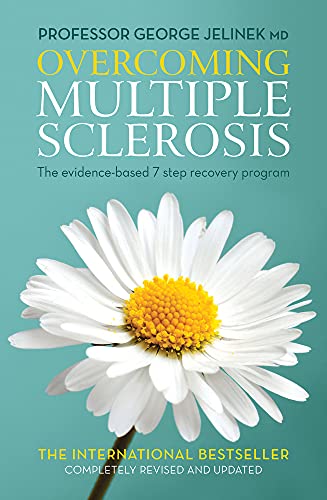
Now thousands of people around the world are living healthy, active lives on the Overcoming Multiple Sclerosis recovery program. Overcoming Multiple Sclerosis <strong>explains the nature of MS and out

One Capsule Contains: Vitamin D (as Vitamin D3) (5,000 IU) <strong>125 mcg</strong>.

Check each product page for other buying options. Price and other details may vary based on product size and color · Multifunction Tension Rope, 6-Tube Elastic Yoga Pedal Puller Resistance Band, Natur
Multiple sclerosis (MS) is a chronic, immune-mediated demyelinating disease of the central nervous system. Fatigue—often described as an overwhelming lack of physical and/or mental energy—is among its
Alternatives for Multiple Sclerosis. “Alternatives for multiple sclerosis (MS)” can mean very different things depending on the goal. MS care typically aims to: prevent relapses, slow long‑term disability progression, manage day‑to‑day symptoms (fatigue, pain, spasticity, bladder and cognitive issues), and support quality of life. With
Multiple Sclerosis and Vitamin D. Multiple sclerosis (MS) is a chronic, immune-mediated disease of the central nervous system. Vitamin D, a secosteroid hormone produced in the skin by UVB light and obtained from diet, has long been linked to MS through geography, biology, and clinical research. Understanding their relationship matte
Eastern vs Western Medicine: Key Differences in Philosophy, Diagnosis, Evidence, and When to Use Each. If you’ve ever wondered how to choose between acupuncture and ibuprofen, or herbs and prescription drugs, you’re already asking the core question behind eastern vs western medicine. People seek clarity on which system works best, when to use each, and how to combine them safely. This guide compares
Combining Eastern and Western Health Practices: An Evidence‑Based Guide to Integrative Care. If you’re curious about combining Eastern and Western health practices, you’re not alone. Many people want the diagnostic clarity of conventional medicine alongside the whole-person focus of Traditional Chinese Medicine (TCM), Ayurveda, yoga, mindfulness, and other mind–body tools. This guide walks
ADHD and Alternative Medicine — East vs West. Attention-deficit/hyperactivity disorder (ADHD) is a common neurodevelopmental condition marked by persistent patterns of inattention, hyperactivity, and/or impulsivity that interfere with functioning at school, work, or home. Comparing Western medical and Eastern traditional approaches can help fam
Health Disclaimer
This content is for informational purposes only and does not constitute medical advice. Always consult a qualified healthcare provider before starting, stopping, or changing any supplement or medication regimen.