

Multiple Sclerosis and Vitamin D
Multiple sclerosis (MS) is a chronic, immune-mediated disease of the central nervous system. Vitamin D, a secosteroid hormone produced in the skin by UVB light and obtained from diet, has long been linked to MS through geography, biology, and clinical research. Understanding their relationship matters because vitamin D status is modifiable and may influence MS risk and activity, though definitive treatment effects remain uncertain. Epidemiology shows a robust latitude gradient—MS is more common farther from the equator where UVB exposure, and thus vitamin D synthesis, is lower. People with darker skin at high latitudes and those with limited sun exposure often have lower 25-hydroxyvitamin D [25(OH)D] levels. Observational cohorts suggest higher 25(OH)D associates with lower risk of developing MS and, among those with MS, with fewer relapses and less MRI activity. Birth-season effects (higher MS risk for spring births at high latitudes) further support a prenatal/early-life light–vitamin D signal. Mendelian randomization studies leveraging genetic predictors of vitamin D generally support a causal protective effect for incident MS, though they do not establish benefit for disease progression once MS is present. Biologically, vitamin D receptors are expressed on T and B lymphocytes, dendritic cells, microglia, and oligodendrocyte lineage cells. The active hormone (1,25-dihydroxyvitamin D) can shift immunity away from proinflammatory Th1/Th17 responses, promote regulatory T cells, reduce cytokines like IL-17 and IFN-γ, and may stabilize the blood–brain barrier. Preclinical data suggest possible support of remyelination via effects on oligodendrocyte precursor cells, but human confirmation is limited. Clinical trials of vitamin D supplementation as add-on therapy in MS show mixed results. Several randomized trials have not demonstrated clear reductions in relapse rates or disability progression compared with control, although some report modest reductions in new MRI-
Updated September 8, 2026This content is for informational purposes only and does not constitute medical advice. Always consult a qualified healthcare provider before starting, stopping, or changing any supplement or medication regimen.
Shared Risk Factors
Latitude and UVB sun exposure
Strong EvidenceMS prevalence increases with distance from the equator, where UVB—and endogenous vitamin D synthesis—decline. Low UVB contributes to lower 25(OH)D and is associated with higher MS risk and activity.
Skin pigmentation and photoprotection behaviors
Moderate EvidenceMelanin reduces cutaneous vitamin D synthesis; clothing, sunscreen, and indoor living further limit UVB. These determinants align with population patterns of MS risk in low-UVB settings.
Adolescent and adult obesity
Moderate EvidenceAdiposity correlates with lower circulating 25(OH)D (sequestration in adipose tissue) and independently associates with higher MS risk, particularly when obesity occurs in adolescence.
Genetic variants in vitamin D pathway and HLA-DRB1
Moderate EvidenceVariants affecting vitamin D metabolism (e.g., CYP27B1, GC) and a vitamin D–responsive element near HLA-DRB1*15:01 suggest biological convergence on MS risk.
Season of birth and prenatal environment
Moderate EvidenceHigher MS risk among spring births at high latitudes points to lower maternal vitamin D/UVB in late gestation as a potential factor.
Smoking and indoor lifestyle
Emerging ResearchSmoking is a known MS risk factor and associates with lower vitamin D status and reduced outdoor activity.
Overlapping Treatments
Safe sunlight/UVB exposure practices
Moderate EvidenceObservationally linked to lower MS risk and activity; small trials of UVB suggest immunomodulation, but clinical outcomes remain uncertain.
Primary physiological route to increase 25(OH)D.
Balance with skin cancer risk; avoid sunburn; heat sensitivity can exacerbate MS symptoms temporarily.
Narrowband UVB phototherapy (investigational)
Emerging ResearchEarly studies show immune shifts and potential reduction in MRI activity in CIS/MS; not standard of care.
Raises vitamin D independently of diet; also exerts vitamin D–independent photobiological effects.
Requires medical supervision; long-term dermatologic risks and MS outcome benefits not established.
Dietary patterns including vitamin D–rich foods (e.g., fatty fish, fortified foods)
Emerging ResearchAnti-inflammatory dietary patterns associate with better symptom management; direct effects on relapses unproven.
Supports maintenance of adequate 25(OH)D without high-dose supplementation.
Fish choices should consider methylmercury content; dietary vitamin D alone may be insufficient in low-UVB settings.
Weight management and physical activity (especially outdoors)
Moderate EvidenceLower BMI associates with reduced MS risk and may improve fatigue and mobility.
Weight loss can increase circulating 25(OH)D; outdoor activity increases UVB exposure.
Heat sensitivity may limit outdoor exertion; tailor activity to tolerance.
Medical Perspectives
Two Ways of Seeing Health

Western
scientific · clinical
Western medicine applies science, technology, and clinical experience to treat symptoms through testing, diagnosis, and targeted intervention.
Surgeons · Pharmaceuticals · Clinical trials · Diagnostics 
Eastern
traditional · alternative
Eastern medicine focuses on treating the body naturally by applying traditional knowledge practiced for thousands of years, emphasizing balance and whole-person wellness.
Acupuncture · Herbal medicine · Yoga · Meditation
Gold Bamboo presents both perspectives side-by-side so you can make informed decisions. We don't advocate for one over the other — your health choices are yours.
Two Ways of Seeing Health
Western
scientific · clinical
Western medicine applies science, technology, and clinical experience to treat symptoms through testing, diagnosis, and targeted intervention.
Eastern
traditional · alternative
Eastern medicine focuses on treating the body naturally by applying traditional knowledge practiced for thousands of years, emphasizing balance and whole-person wellness.
Gold Bamboo presents both perspectives side-by-side so you can make informed decisions. We don't advocate for one over the other — your health choices are yours.
Western Perspective
Western medicine recognizes a strong epidemiologic and mechanistic link between low vitamin D status and MS risk, with mixed interventional evidence for modifying disease activity once MS is established. Vitamin D repletion is considered reasonable for bone and general health, and many clinicians monitor 25(OH)D in MS, while acknowledging that high-dose supplementation has not consistently reduced relapses or disability in randomized trials.
Key Insights
- Latitude, sun exposure, and birth-season data robustly associate lower UVB/vitamin D with higher MS risk.
- Genetic (Mendelian randomization) studies support a likely causal protective role of higher lifelong vitamin D for incident MS.
- Vitamin D acts on immune and CNS cells, dampening Th1/Th17 responses and promoting regulatory T cells; neuroprotective and remyelinating effects are plausible but not confirmed in humans.
- Randomized trials of vitamin D supplementation as add-on therapy show inconsistent benefits: some MRI improvements, little or no effect on relapses/disability.
- Safety is generally good at physiologic replacement doses; very high intakes can cause hypercalcemia and interactions (e.g., with thiazides).
Treatments
- Assessment of serum 25(OH)D and correction of deficiency
- Add-on cholecalciferol in deficient individuals (disease-modifying benefit uncertain)
- Counseling on safe sun exposure and diet
- Investigational UVB phototherapy in research settings
Deep Dive
The relationship between vitamin D and multiple sclerosis emerges first from population patterns: MS rates climb with latitude, tracking lower U... The relationship between vitamin D and multiple sclerosis emerges first from population patterns: MS rates climb with latitude, tracking lower UVB exposure and reduced endogenous vitamin D synthesis. Observational research shows that people with higher circulating 25-hydroxyvitamin D [25(OH)D] have a lower risk of developing MS, and among those with MS, higher levels associate with fewer relapses and less MRI activity. Genetic (Mendelian randomization) studies support a likely causal protective role of higher lifelong vitamin D for incident MS, minimizing confounding by lifestyle. These findings are bolstered by biological plausibility. Immune cells central to MS pathogenesis—dendritic cells, T and B lymphocytes—express the vitamin D receptor and the enzyme that activates vitamin D locally. The active hormone, 1,25-dihydroxyvitamin D, dampens proinflammatory Th1/Th17 pathways, promotes regulatory T cells, reduces production of cytokines such as IL-17 and IFN-γ, and may stabilize the blood–brain barrier. Within the CNS, microglia and oligodendrocyte precursor cells also respond to vitamin D, suggesting potential neuroprotective and remyelinating effects observed in preclinical models. Yet translating association and mechanism into clinical benefit has been challenging. Randomized trials of vitamin D supplementation as an add-on to disease-modifying therapies (e.g., interferon beta, glatiramer acetate) have produced mixed results. Some, like SOLAR, did not meet primary clinical endpoints but reported reductions in MRI activity. The recent VIDAMS trial, comparing higher to lower dose supplementation, did not show a significant reduction in relapse risk. Meta-analyses generally conclude that while vitamin D is safe at replacement levels and may improve biomarkers or imaging in some settings, consistent reductions in relapses or disability progression have not been demonstrated. Methodological issues—heterogeneous dosing strategies, variable baseline 25(OH)D, differing concomitant therapies, and underpowering—complicate interpretation. In practice, clinicians commonly assess and replete vitamin D for bone and general health, consider safe sun exposure and diet, and counsel that current evidence does not support high-dose vitamin D as a stand-alone disease-modifying therapy. Ongoing research aims to define optimal target ranges, timing (e.g., preclinical vs. established disease), and which patient subgroups might benefit most.
Sources
- Munger KL et al. JAMA. 2006;296:2832-2838.
- Ascherio A, Munger KL. Lancet Neurol. 2016;15:1061-1070.
- Mokry LE et al. PLoS Med. 2015;12:e1001866.
- Jagannath V et al. Cochrane Database Syst Rev. 2018;CD008422.
- Hupperts R et al. J Neurol Neurosurg Psychiatry. 2019;90:1347-1353.
- Mowry EM et al. JAMA Neurol. 2023;80:1200-1209.
- Ramagopalan SV et al. PLoS Genet. 2009;5:e1000369.
- NIH ODS. Vitamin D Fact Sheet for Health Professionals.
Eastern Perspective
Traditional systems emphasize harmony between sunlight, diet, and constitutional balance. While MS as a modern diagnosis is not described in classical texts, patterns resembling weakness, numbness, and fatigue are framed in terms of qi/yang deficiency (TCM) or derangement of majja dhatu and vata dosha (Ayurveda). Sunlight’s warming, yang-enhancing quality and nutrient-rich foods align conceptually with maintaining resilience. Contemporary integrative practitioners may pair careful sun exposure, nutrient repletion (including vitamin D), and mind–body practices to support function alongside conventional MS therapies.
Key Insights
- TCM often interprets demyelinating symptoms within wei syndrome or bi patterns, with Kidney–Liver nourishment (marrow/nerve support) and yang-warming strategies (moxibustion, guided sun exposure).
- Ayurveda attributes nerve dysfunction to vata imbalance and depleted majja; routines may include morning sunlight, grounding diets, and oil massage to stabilize the nervous system.
- Naturopathic and integrative models view vitamin D as part of neuroimmune terrain optimization, prioritizing safe sun exposure, nutrient-dense foods, stress reduction, and sleep.
- Evidence for vitamin D specifically improving MS outcomes in these traditions is largely traditional or emerging; approaches are generally adjunctive to disease-modifying therapies.
Treatments
- Guided morning sunlight exposure with photoprotection as needed
- TCM formulas and acupuncture/moxibustion for fatigue and spasticity (adjunctive)
- Ayurvedic lifestyle for vata balance (abhyanga, yoga, pranayama)
- Nutrient-dense diet including fish or fortified foods when consistent with tradition
Deep Dive
Traditional medical systems frame the vitamin D–sunlight–MS relationship through broader concepts of balance between environment, constitution, ... Traditional medical systems frame the vitamin D–sunlight–MS relationship through broader concepts of balance between environment, constitution, and vitality. In Traditional Chinese Medicine (TCM), symptoms akin to weakness, numbness, and fatigue may be interpreted as wei (atrophy) or bi (impediment) syndromes, often involving Kidney and Liver patterns that govern marrow, sinews, and the nervous system. Sunlight is viewed as yang—warming and activating—supporting circulation and vitality when used judiciously. Therapeutic strategies might include gentle morning sun exposure, moxibustion to warm channels, acupuncture for spasticity and fatigue, and formulas to nourish blood and essence, always individualized to the patient’s pattern. While these approaches historically predate the discovery of vitamin D, contemporary TCM practitioners may integrate laboratory data such as 25(OH)D levels into a modern practice context. Ayurveda describes neurological dysfunction in terms of aggravated vata dosha and depletion of majja dhatu (nervous tissue). Interventions emphasize stability and nourishment: daily routines (dinacharya) with regular sleep-wake cycles, warm oil massage (abhyanga), grounding diets, and mindful exposure to the morning sun (Surya) to kindle vitality without overheating. Gentle yoga and pranayama may help fatigue and mood. Naturopathic and integrative medicine synthesize these views with modern nutrition, encouraging safe sunlight, nutrient-dense foods (including vitamin D–rich options consistent with one’s traditions), stress management, and movement. Across these traditions, vitamin D is seen less as a single curative agent and more as one facet of restoring terrain—a supportive cofactor alongside mind–body practices and conventional MS therapies. Evidence specific to MS outcomes remains traditional or emerging; thus, integrative care is typically adjunctive. Practitioners emphasize personalization, seasonality, and careful monitoring—principles that align with modern recommendations to check levels, replete deficiencies prudently, and coordinate care with neurology to ensure safety and coherence with disease-modifying treatments.
Sources
- Maciocia G. The Practice of Chinese Medicine. 2nd ed.
- Lad V. Textbook of Ayurveda. Vol 1.
- Sarris J et al. Nutritional Medicine. 2019.
- Hart PH et al. Front Immunol. 2014;5:UV radiation and immune function.
Evidence Ratings
Higher serum 25(OH)D is associated with lower risk of developing MS.
Munger KL et al. JAMA. 2006;296:2832-2838; Ascherio A, Munger KL. Lancet Neurol. 2016.
Genetically higher vitamin D levels reduce MS risk (Mendelian randomization).
Mokry LE et al. PLoS Med. 2015;12:e1001866; Jiang X et al. Mult Scler. 2018.
Vitamin D supplementation has not consistently reduced relapse rates in RCTs of people with MS.
Jagannath V et al. Cochrane Database Syst Rev. 2018; Mowry EM et al. JAMA Neurol. 2023.
Add-on vitamin D may modestly reduce MRI lesion activity in some trials.
Hupperts R et al. J Neurol Neurosurg Psychiatry. 2019 (SOLAR).
Vitamin D modulates Th1/Th17 responses and promotes regulatory T cells.
Cantorna MT et al. Nat Rev Immunol. 2019;19:325-336.
Very high vitamin D intakes can cause hypercalcemia and interact with thiazide diuretics.
NIH Office of Dietary Supplements. Vitamin D Fact Sheet.
Birth-season and latitude patterns support a prenatal/early-life vitamin D/UVB influence on MS risk.
Willer CJ et al. BMJ. 2005;330:120; Ascherio A, Munger KL. Lancet Neurol. 2016.
Sources
- Munger KL, Levin LI, Hollis BW, Howard NS, Ascherio A. Serum 25-hydroxyvitamin D levels and risk of multiple sclerosis. JAMA. 2006;296:2832-2838.
- Ascherio A, Munger KL. Epidemiology of multiple sclerosis: From risk factors to prevention—An update. Lancet Neurol. 2016;15:1061-1070.
- Van der Mei IAF et al. Past exposure to sun, skin phenotype, and risk of multiple sclerosis. BMJ. 2003;327:316.
- Willer CJ et al. Timing of birth and risk of multiple sclerosis. BMJ. 2005;330:120.
- Ramagopalan SV et al. Expression of the multiple sclerosis-associated MHC class II allele HLA-DRB1*1501 is regulated by vitamin D. PLoS Genet. 2009;5:e1000369.
- Mokry LE et al. Vitamin D and risk of multiple sclerosis: A Mendelian randomization study. PLoS Med. 2015;12:e1001866.
- Cantorna MT, Snyder L, Lin YD, Yang L. Vitamin D and 1,25(OH)2D regulation of T cells. Nat Rev Immunol. 2019;19:325-339.
- Jagannath V, Filippini G, Di Pietrantonj C, Whamond L, Robinson SA. Vitamin D for the management of multiple sclerosis. Cochrane Database Syst Rev. 2018;CD008422.
- Hupperts R et al. Randomized trial of cholecalciferol add-on therapy (SOLAR). J Neurol Neurosurg Psychiatry. 2019;90:1347-1353.
- Mowry EM et al. Effect of vitamin D3 supplementation on relapse in relapsing MS (VIDAMS). JAMA Neurol. 2023;80:1200-1209.
- NIH Office of Dietary Supplements. Vitamin D Fact Sheet for Health Professionals. https://ods.od.nih.gov
- Hart PH, Norval M, Byrne SN, Rhodes LE. Exposure to ultraviolet radiation and the immune system. Nat Rev Immunol. 2019;19:688-701.
Related Topics
Recommended Products

Overcoming Multiple Sclerosis: An Evidence-Based Guide to Recovery: Jelinek, Professor George
"As a physician and the spouse of someone with multiple sclerosis I feel that this book contains much wisdom and guidance for achieving one's greatest potential for healing when confronted b
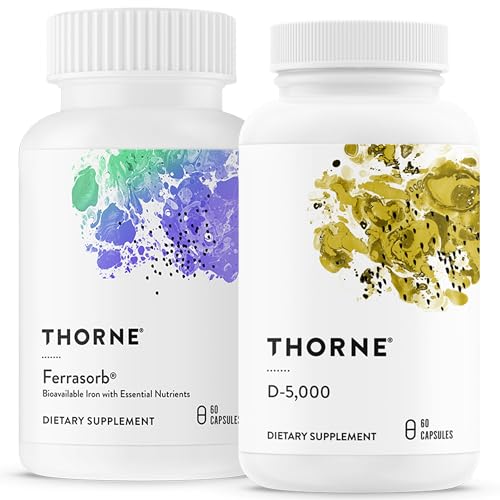
THORNE - Vitamin D-5000 - Vitamin D3 Supplement - Support Healthy Bones, Teeth, Muscles, Cardiovascular & Immune Function* - NSF Certified for Sport - Gluten-Free, Soy-Free - 60 Servings
One Capsule Contains: Vitamin D (as Vitamin D3) (5,000 IU) <strong>125 mcg</strong>.

Everlywell At
Everlywell At-Home Metabolism Test Collection Kit for Women and Men, Get Accurate Results at Home from a CLIA-Certified Lab Within Days, for Ages 18 Plus ... at Home Vitamin D Test Kit - Easy to Use &
Health Disclaimer
This content is for informational purposes only and does not constitute medical advice. Always consult a qualified healthcare provider before starting, stopping, or changing any supplement or medication regimen.