

Multiple Sclerosis
Overview
Multiple sclerosis (MS) is a chronic, immune-mediated disorder that affects the central nervous system, including the brain, spinal cord, and optic nerves. It is characterized by inflammation, damage to myelin (the protective covering around nerve fibers), and, over time, varying degrees of nerve fiber injury and neurodegeneration. Because the nervous system controls movement, sensation, vision, balance, cognition, bladder function, and many other body processes, MS can present with a wide range of symptoms. Common features include fatigue, numbness or tingling, weakness, visual disturbances, gait difficulty, spasticity, and problems with concentration or memory.
MS is often described in clinical patterns such as relapsing-remitting MS, secondary progressive MS, and primary progressive MS. The course is highly variable: some people experience intermittent flares followed by periods of relative stability, while others have gradual worsening over time. Research suggests that MS arises from a combination of genetic susceptibility and environmental influences, with factors such as Epstein-Barr virus exposure, smoking, low vitamin D status, obesity in early life, and geographic patterns of sunlight exposure all being studied as contributors to risk.
Globally, MS affects millions of people and is one of the leading causes of nontraumatic neurologic disability in younger and middle-aged adults. Its significance extends beyond physical symptoms, as it may also affect emotional health, employment, social participation, and quality of life. The condition can be difficult to diagnose early because symptoms may appear intermittently and overlap with other neurologic disorders. Modern diagnostic criteria rely on a combination of clinical history, MRI findings, spinal fluid analysis, and neurologic examination.
From an integrative health perspective, MS is a topic of strong interest because it sits at the intersection of autoimmunity, inflammation, nervous system repair, rehabilitation, and whole-person care. Conventional medicine has developed disease-modifying therapies that can reduce relapse activity and new lesion formation in many patients, while complementary and traditional systems often focus on symptom support, resilience, stress regulation, sleep, mobility, digestion, and overall vitality. Across approaches, a consistent theme is that MS is complex and individualized, and care decisions are best made with qualified healthcare professionals familiar with the person’s disease pattern and overall health status.
Compare Treatment Options
Multiple sclerosis (MS) is a chronic, immune-mediated disease in which inflammation and immune signaling damage myelin and sometimes the nerve fibers themselves within the brain, spinal cord, and optic nerves. Symptoms vary widely because lesions can occur in different parts of the central nervous system. Common experiences include fatigue, numbness, weakness, visual changes, imbalance, pain, stiffness, bladder symptoms, and cognitive changes. The course is also variable: some people mainly experience relapses and remissions, while others have more steadily progressive disability over time. Treatment options vary because MS care has several distinct goals that do not always overlap: reducing relapses, slowing new inflammatory activity on MRI, preserving long-term function, and managing daily symptoms such as spasticity, mobility limits, fatigue, or pain. In western medicine, this often includes disease-modifying therapies and targeted rehabilitation. In eastern and integrative traditions, approaches such as acupuncture, mind-body practices, and individualized herbal medicine are more often used to support symptoms, stress regulation, sleep, and quality of life rather than to replace relapse-prevention therapy. Research is strongest for conventional disease control, while evidence for complementary approaches is usually symptom-focused and more mixed.
View treatment comparison (5 options)Medical Perspectives
Two Ways of Seeing Health

Western
scientific · clinical
Western medicine applies science, technology, and clinical experience to treat symptoms through testing, diagnosis, and targeted intervention.

Eastern
traditional · alternative
Eastern medicine focuses on treating the body naturally by applying traditional knowledge practiced for thousands of years, emphasizing balance and whole-person wellness.
Gold Bamboo presents both perspectives side-by-side so you can make informed decisions. We don't advocate for one over the other — your health choices are yours.
Western Medicine Perspective
Western Medicine Perspective
In conventional medicine, MS is understood as an immune-mediated demyelinating disease of the central nervous system. The immune system appears to mistakenly target components of myelin and related neural structures, leading to inflammation and impaired nerve signal transmission. Over time, axonal damage and neurodegeneration may contribute to persistent disability. Current scientific models emphasize both inflammatory and neurodegenerative processes, rather than viewing MS as a purely inflammatory condition.
Diagnosis is generally based on the principle of dissemination in time and space, meaning evidence that lesions have occurred in different parts of the central nervous system and at different times. MRI is central to this process, and cerebrospinal fluid findings such as oligoclonal bands may support the diagnosis. Conventional management commonly includes disease-modifying therapies (DMTs) aimed at reducing relapses, MRI activity, and progression risk, especially in relapsing forms of MS. Additional care may involve corticosteroids for acute relapses, rehabilitation therapies, mental health support, and symptom-focused management for pain, spasticity, bladder dysfunction, fatigue, sleep disturbance, and mood changes.
Research indicates that outcomes are influenced by early recognition, access to specialty neurologic care, adherence to monitoring, and management of comorbidities such as depression, cardiovascular risk factors, and smoking. There is also increasing interest in lifestyle-related factors including exercise, nutrition patterns, sleep quality, and stress reduction, though these are generally considered supportive rather than substitutes for standard neurologic care. Because MS can mimic other disorders and because some symptoms may reflect medication effects, infection, overheating, or unrelated neurologic disease, conventional evaluation remains important whenever symptoms change.
Eastern & Traditional Perspective
Eastern/Traditional Medicine Perspective
Traditional medical systems do not describe multiple sclerosis in the same biomedical terms as modern neurology, but many interpret MS-like symptom patterns through frameworks involving imbalance, obstruction, depletion, and disrupted communication within the body. In Traditional Chinese Medicine (TCM), presentations resembling MS may be discussed in relation to patterns such as weakness of the limbs, tremor, numbness, vision disturbance, fatigue, or impaired mobility. These may be interpreted through concepts such as deficiencies of Kidney and Liver systems, depletion of qi and blood, or obstruction of channels by phlegm, dampness, wind, or heat, depending on the individual presentation.
In Ayurveda, symptoms associated with MS are sometimes viewed through disturbances of vata dosha, especially when there is weakness, tremor, sensory change, fatigue, or irregular neurologic function. Some traditional practitioners may also consider issues related to tissue nourishment, digestive function, vitality, and accumulation of metabolic imbalance. In naturopathic and holistic traditions, attention is often given to the terrain of chronic inflammation, stress burden, restorative sleep, digestive health, movement capacity, and resilience.
Research on complementary approaches in MS is growing but remains mixed in quality. Studies suggest some nonpharmacologic modalities such as mind-body practices, yoga, meditation, acupuncture, massage, and certain rehabilitation-based integrative therapies may help with symptoms like stress, pain, fatigue, mood, or quality of life in some individuals. However, evidence is generally more limited for effects on core disease activity such as relapse rate or long-term progression. Traditional systems therefore tend to be discussed as complementary frameworks for supportive care, not replacements for neurologic assessment and evidence-based disease monitoring. Given the complexity of MS and the potential for interactions, complementary therapies are best considered in coordination with licensed healthcare professionals.
Related Topics
Vitamin D3
Vitamin D3 — supplement topic in the Gold Bamboo health ontology.
How They Relate
Multiple Sclerosis & Chronic Fatigue
Multiple sclerosis (MS) is a chronic, immune-mediated demyelinating disease of the central nervous system. Fatigue—often described as an overwhelming lack of physical and/or mental energy—is among ...
Multiple Sclerosis & Vitamin D
Multiple sclerosis (MS) is a chronic, immune-mediated disease of the central nervous system. Vitamin D, a secosteroid hormone produced in the skin by UVB light and obtained from diet, has long been...
Supplements & Products
Recommended Products

Overcoming Multiple Sclerosis: An Evidence-Based Guide to Recovery: Jelinek, Professor George
"As a physician and the spouse of someone with multiple sclerosis I feel that this book contains much wisdom and guidance for achieving one's greatest potential for healing when confronted b
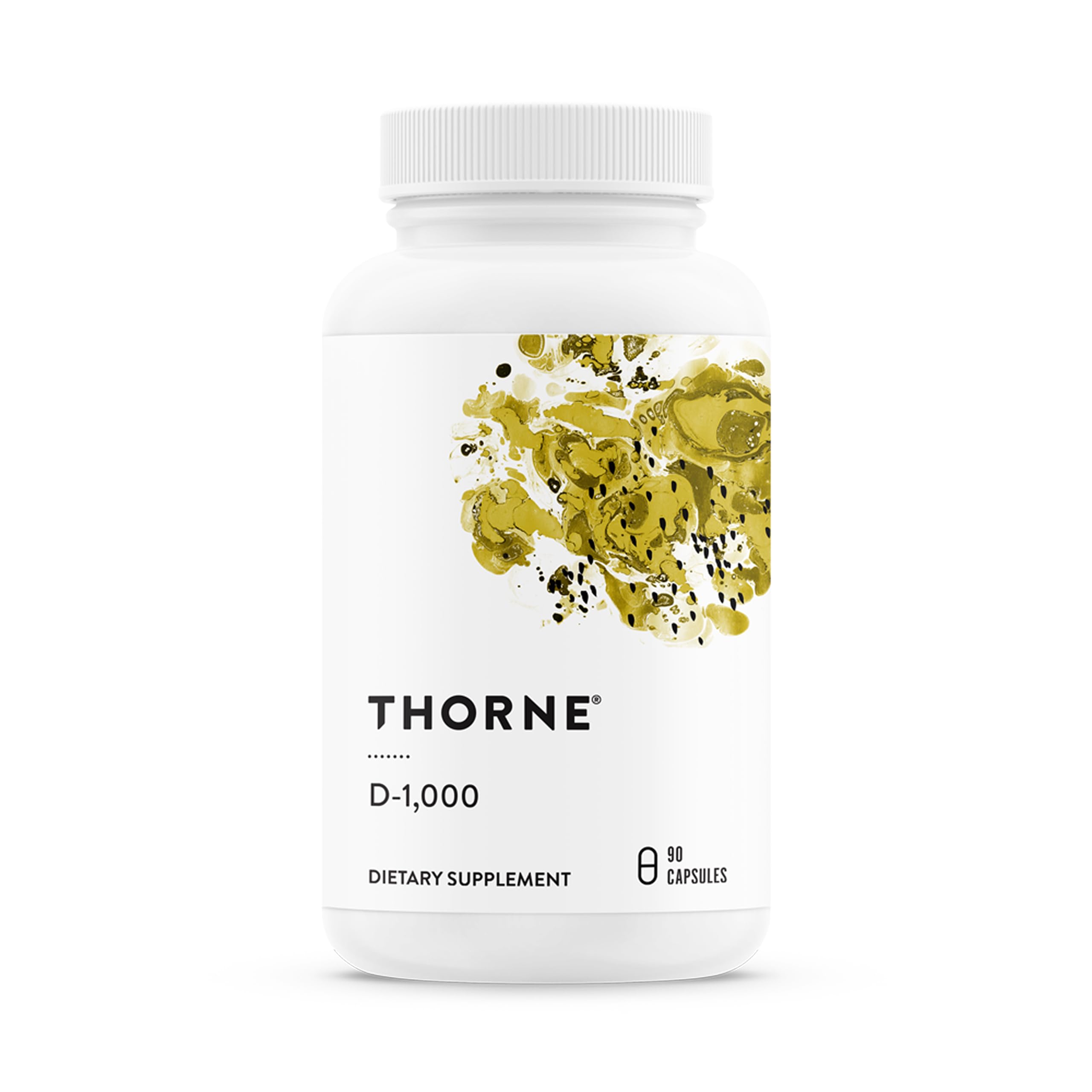
THORNE - Vitamin D3 Supplement - Supports Healthy Bones, Teeth, Muscles, Cardiovascular & Immune Function* - Gluten, Dairy & Soy-Free - 1,000 IU - 90 Servings : Everything Else
<strong>One Capsule Contains: Vitamin D (as Vitamin D3) (1,000 IU) 25 mcg 125%</strong>. Other Ingredients: Microcrystalline Cellulose, Hypromellose (derived from cellulose) capsule, Leucine, Silicon

FlexiFreeze Personal Series Ice Vest (Zipper Closure) (Vest + Extra Panel): Amazon.com
Designed for many uses, the FlexiFreeze Ice Vest is <strong>ideal for individuals who work in heat stress related occupations; who are heat sensitive due to Multiple Sclerosis or other medically relat

Overcoming Multiple Sclerosis: The Evidence-Based 7 Step Recovery Program: Jelinek MD, George
Now thousands of people around the world are living healthy, active lives on the Overcoming Multiple Sclerosis recovery program. Overcoming Multiple Sclerosis <strong>explains the nature of MS and out

THORNE - Vitamin D-5000 - Vitamin D3 Supplement - Support Healthy Bones, Teeth, Muscles, Cardiovascular & Immune Function* - NSF Certified for Sport - Gluten-Free, Soy-Free - 60 Servings
One Capsule Contains: Vitamin D (as Vitamin D3) (5,000 IU) <strong>125 mcg</strong>.

THERABAND Resistance Bands Set, Beginner Kit, Yellow, ...
Check each product page for other buying options. Price and other details may vary based on product size and color · Multifunction Tension Rope, 6-Tube Elastic Yoga Pedal Puller Resistance Band, Natur
Evidence & Sources
Promising research with growing clinical support from multiple studies
- National Institute of Neurological Disorders and Stroke (NINDS)
- National Multiple Sclerosis Society
- McDonald Criteria – The Lancet Neurology
- Multiple Sclerosis Journal
- The New England Journal of Medicine
- Nature Reviews Neurology
- National Center for Complementary and Integrative Health (NCCIH)
- World Health Organization (WHO)
This content is for informational purposes only and does not constitute medical advice. Always consult a qualified healthcare provider before starting, stopping, or changing any supplement or medication regimen.