

Vitamin D3
Also known as: Vitamin D
Overview
Vitamin D3 (cholecalciferol) is a fat-soluble nutrient and commonly used supplement that plays a central role in calcium balance, bone mineralization, muscle function, and immune regulation. It is one of the main forms of vitamin D relevant to human health, alongside vitamin D2 (ergocalciferol). In the body, vitamin D3 can be synthesized in the skin through exposure to ultraviolet B (UVB) light and can also be obtained from foods and dietary supplements. After absorption or skin production, it is converted in the liver to 25-hydroxyvitamin D [25(OH)D], the major circulating form measured in blood tests, and then further activated in the kidneys and other tissues.
Vitamin D insufficiency and deficiency are widely discussed in public health because low vitamin D status has been associated with rickets in children, osteomalacia in adults, reduced bone density, and increased fracture risk in some populations. Certain groups are more likely to have low vitamin D levels, including older adults, people with limited sun exposure, those with darker skin pigmentation, individuals living at northern latitudes, and people with conditions that impair fat absorption. Research also continues to explore possible links between vitamin D status and immune health, mood, cardiovascular disease, metabolic disorders, and respiratory infections, although these areas are more complex and not always supported by consistent clinical trial results.
As a supplement, vitamin D3 is commonly used to support bone and mineral metabolism, especially in people at risk for deficiency or with documented low blood levels. Compared with vitamin D2, some studies suggest vitamin D3 may be more effective at raising and maintaining circulating 25(OH)D concentrations, though both forms are used in clinical practice. The relevance of supplementation can depend on age, baseline vitamin D status, dietary intake, sun exposure, kidney and liver function, and whether calcium intake is adequate.
Vitamin D3 is often discussed as a general wellness supplement, but its effects are not uniform across all outcomes. Research strongly supports its role in correcting deficiency and maintaining skeletal health, while evidence for broader benefits remains mixed. Because vitamin D is fat-soluble, very high intakes over time may lead to toxicity, particularly through excess calcium in the blood and soft tissues. For that reason, assessment of vitamin D status, supplementation needs, and possible interactions is best interpreted in the context of individual health history and in consultation with a qualified healthcare professional.
Medical Perspectives
Two Ways of Seeing Health

Western
scientific · clinical
Western medicine applies science, technology, and clinical experience to treat symptoms through testing, diagnosis, and targeted intervention.

Eastern
traditional · alternative
Eastern medicine focuses on treating the body naturally by applying traditional knowledge practiced for thousands of years, emphasizing balance and whole-person wellness.
Gold Bamboo presents both perspectives side-by-side so you can make informed decisions. We don't advocate for one over the other — your health choices are yours.
Western Medicine Perspective
Western / Conventional Medicine Perspective
In conventional medicine, vitamin D3 is primarily understood through its role as a hormone precursor involved in calcium and phosphate homeostasis. Activated vitamin D helps regulate intestinal calcium absorption, bone remodeling, and neuromuscular function. Clinicians most often evaluate vitamin D status using serum 25-hydroxyvitamin D [25(OH)D] levels, especially when deficiency is suspected due to osteoporosis, fragility fractures, malabsorption, chronic kidney disease, limited sun exposure, or other recognized risk factors. Severe deficiency is well established as a cause of rickets, osteomalacia, and impaired bone mineralization.
From an evidence-based standpoint, vitamin D3 supplementation is best supported for preventing and treating deficiency and for contributing to skeletal health in appropriate populations. Major guidelines and reviews indicate that supplementation may be relevant in older adults, institutionalized individuals, and those with low baseline levels. In osteoporosis care, vitamin D is often considered alongside calcium intake, physical activity, and prescription therapies rather than as a standalone intervention. Research has also examined whether vitamin D reduces falls and fractures, but findings vary depending on dosage, baseline deficiency, age, co-administration of calcium, and study design.
Beyond bone health, vitamin D has been studied extensively in relation to immune function, autoimmune disease, cancer prevention, cardiovascular outcomes, depression, diabetes, and acute respiratory infections. Observational studies often find associations between low vitamin D levels and poorer health outcomes, but randomized trials have frequently shown smaller or inconsistent benefits. Large trials such as VITAL have suggested that broad supplementation in generally healthy adults does not uniformly improve all major chronic disease endpoints. This has led conventional medicine to distinguish clearly between treating deficiency, where evidence is stronger, and using vitamin D3 as a general preventive supplement for unrelated conditions, where evidence is often mixed or still evolving.
Safety is an important part of the conventional view. Vitamin D3 is generally well tolerated at standard supplemental intakes, but excessive intake can cause hypercalcemia, kidney stones in some contexts, gastrointestinal symptoms, confusion, and kidney injury. Interactions may also matter in people taking certain medications or living with granulomatous disorders, hyperparathyroidism, or renal disease. For this reason, conventional care emphasizes appropriate dosing, context-specific laboratory interpretation, and healthcare supervision when there are underlying medical conditions or high-dose use.
Eastern & Traditional Perspective
Eastern / Traditional Medicine Perspective
Traditional systems generally do not classify vitamin D3 as a historical remedy in the modern biochemical sense, but many of their health frameworks overlap with the functions now associated with vitamin D status. In Traditional Chinese Medicine (TCM), bone strength, growth, vitality, and resilience are often discussed through patterns involving the Kidney system, which is traditionally said to govern bones and marrow. From this perspective, weakness of bones, fatigue, low vitality, or developmental issues may be interpreted through broader patterns of deficiency or imbalance rather than a single nutrient model. Contemporary integrative TCM practitioners may therefore view vitamin D3 as a modern nutritional tool that can be relevant when combined with traditional pattern assessment.
In Ayurveda, bone tissue is associated with asthi dhatu, while metabolism, digestion, and tissue nourishment are linked to agni and overall constitutional balance. Although classical Ayurvedic texts do not describe vitamin D3 specifically, sunlight exposure, daily routine, nourishment, and digestive strength have long been considered important to maintaining tissue integrity and vitality. Within modern integrative Ayurveda, low vitamin D status may be framed as part of a broader issue involving inadequate nourishment, limited sun exposure, impaired assimilation, or weakened tissue support.
Naturopathic and integrative medicine often place vitamin D3 within a whole-person model that includes nutrition, outdoor light exposure, sleep-wake rhythms, physical activity, and digestive health. These traditions commonly regard vitamin D as more than a bone nutrient, emphasizing its potential relevance to immune balance and seasonal well-being, while also acknowledging that research quality differs across uses. In these frameworks, laboratory assessment and individualized context are often considered important, especially because both deficiency and excess may carry consequences.
Across traditional and integrative perspectives, the central theme is that vitamin D3 is usually seen not as an isolated cure but as one factor within a larger picture of constitutional resilience, lifestyle, and environmental exposure. These systems often emphasize individualized interpretation and the importance of working with qualified practitioners, particularly when combining supplements with conventional care or when symptoms may reflect broader underlying conditions.
Supplements & Products
Recommended Products
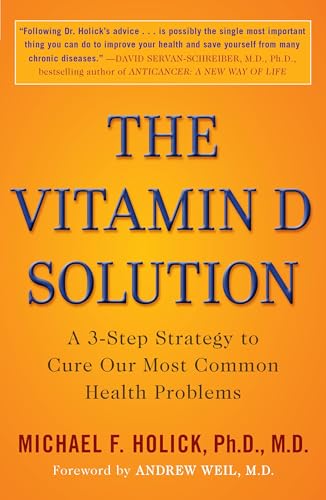
The Vitamin D Solution: A 3-Step Strategy to Cure Our Most Common Health Problems: Michael F. Holick, Andrew Weil
Holick's The Vitamin D Solution…[he] provides an understandable, well-written, and highly informative presentation about this unique vitamin, its history, its very important functions, problems w

NOW Foods Supplements, Vitamin D-3 2,000 IU, High Potency, Structural Support*, 240 Softgels
Buy NOW Foods Supplements, Vitamin D-3 2,000 IU, High Potency, Structural Support*, 240 Softgels on Amazon.com ✓ FREE SHIPPING on qualified orders

Everlywell At
Everlywell At-Home Metabolism Test Collection Kit for Women and Men, Get Accurate Results at Home from a CLIA-Certified Lab Within Days, for Ages 18 Plus ... at Home Vitamin D Test Kit - Easy to Use &
Evidence & Sources
Supported by multiple clinical trials and systematic reviews
- National Institutes of Health Office of Dietary Supplements
- Endocrine Society Clinical Practice Guideline
- The New England Journal of Medicine (VITAL Trial)
- The Lancet Diabetes & Endocrinology
- Cochrane Database of Systematic Reviews
- U.S. Preventive Services Task Force
- National Center for Complementary and Integrative Health (NCCIH)
- Journal of Clinical Endocrinology & Metabolism
This content is for informational purposes only and does not constitute medical advice. Always consult a qualified healthcare provider before starting, stopping, or changing any supplement or medication regimen.