Moderate Evidence

Promising research with growing clinical support from multiple studies

Carpal Tunnel Syndrome — Western vs Eastern (Alternative) Care

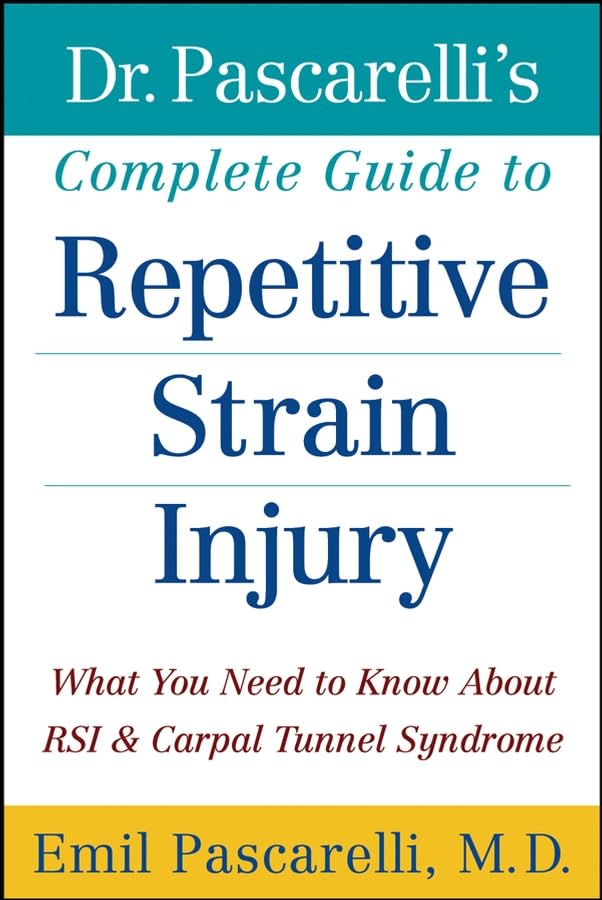
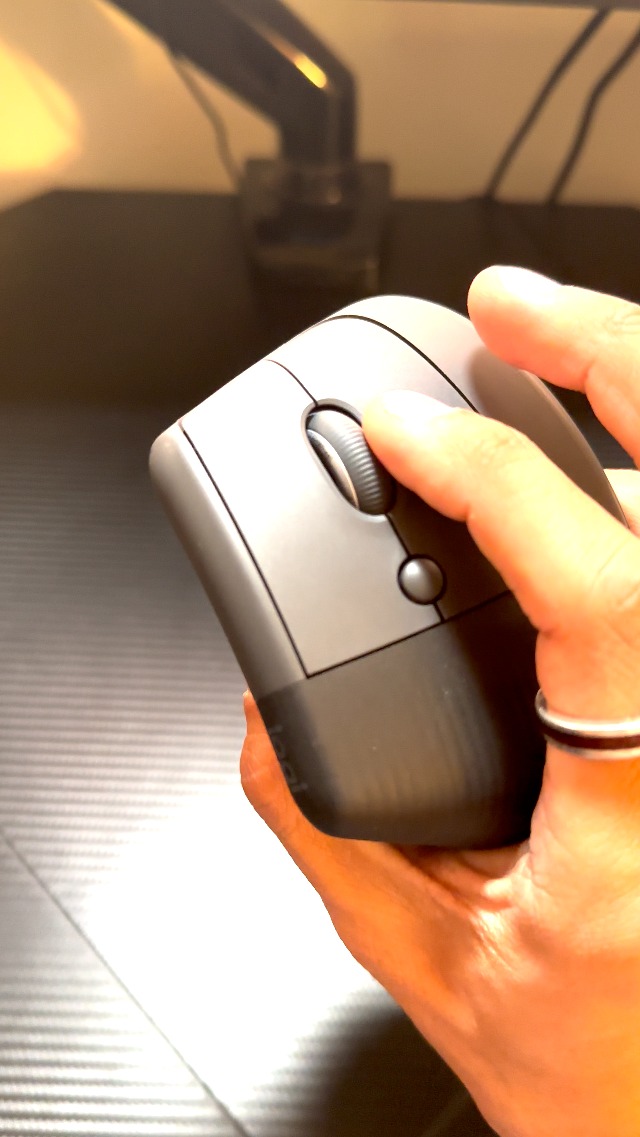
Carpal tunnel syndrome (CTS) is a common nerve entrapment affecting the median nerve as it passes through a narrow tunnel in the wrist. Thickened ligament tissue, tendon swelling, or fluid shifts can increase pressure in this confined space, irritating the nerve. People often notice numbness and tingling in the thumb, index, and middle fingers, night-time symptoms, hand weakness, and sometimes pain radiating up the forearm. Western medicine defines and diagnoses CTS through history and exam (e.g., Phalen’s, Tinel’s, and carpal compression tests), and confirms when needed with nerve conduction studies or ultrasound to measure median nerve changes. Risk factors include repetitive or forceful hand use, obesity, diabetes, hypothyroidism, pregnancy-related fluid retention, inflammatory arthritis, and anatomic variation. Conventional care usually starts conservatively: neutral-position night splints to reduce nocturnal symptoms; activity modification and ergonomics; targeted hand therapy, including nerve and tendon gliding exercises; and short-term use of anti-inflammatory strategies. Local corticosteroid injection into the carpal tunnel can provide meaningful short-term relief for many with mild-to-moderate disease. When symptoms persist or there is progressive weakness or thenar muscle wasting, surgery to divide the transverse carpal ligament (open or endoscopic carpal tunnel release) is considered; long-term outcomes are generally good, although recovery time and the possibility of residual soreness or pillar pain are acknowledged. Western care is supported by strong evidence for diagnosis, splinting, steroid injection (short-term), and surgery (durable relief), but there are gaps: not everyone is ready for or benefits from injections or surgery, some experience symptom recurrence, and special populations (for example, pregnancy) may wish to limit medications. These realities lead many to explore complementary options. Traditional Chinese Medicine (TCM) views wrist/手

neurological Updated March 17, 2026

This content is for informational purposes only and does not constitute medical advice. Always consult a qualified healthcare provider before starting, stopping, or changing any supplement or medication regimen.

Western Medicine

Diagnosis

CTS is identified by a focused history (nocturnal paresthesias in the thumb–ring fingers, hand clumsiness, symptom provocation with gripping or wrist flexion), physical tests (Phalen’s, Tinel’s, and carpal compression/Durkan), and assessment for thenar atrophy or weakness of thumb abduction/opposition. Electrodiagnostic studies (nerve conduction ± EMG) quantify median nerve latency and can grade severity; ultrasound can show increased cross-sectional area of the median nerve and flexor retinaculum bowing. Differential diagnosis includes cervical radiculopathy, proximal median neuropathy, and peripheral neuropathy.

Treatments

  • Education, activity modification, and ergonomics (frequent breaks, neutral wrist positioning)
  • Night splinting in neutral wrist position (first-line in mild-to-moderate CTS)
  • Hand therapy with nerve and tendon gliding exercises
  • Short courses of oral anti-inflammatories for pain (limited CTS-specific benefit)
  • Local corticosteroid injection into the carpal tunnel (often ultrasound-guided)
  • Physiotherapy modalities (e.g., manual therapy; ultrasound has mixed evidence)
  • Addressing comorbidities (glycemic and thyroid optimization, weight management)
  • Surgical carpal tunnel release (open or endoscopic) for persistent, severe, or progressive deficits
  • Emerging: ultrasound-guided hydrodissection/perineural injection (investigational)

Medications

  • ibuprofen
  • naproxen
  • prednisone (short course)
  • triamcinolone (local injection)
  • methylprednisolone (local injection)
  • lidocaine (local anesthetic with injection)

Limitations

NSAIDs provide limited CTS-specific benefit; steroid injections typically offer short-term relief (weeks to months) and may require repeat dosing; some patients relapse. Surgery is effective for many but includes recovery time and risks (scar tenderness, pillar pain, nerve injury, incomplete relief). Electrodiagnostic tests can be normal in early or intermittent disease. Conservative care requires adherence, and not everyone can modify occupational risks.

Evidence: Strong Evidence

Sources

  • Guidelines from the American Academy of Orthopaedic Surgeons (AAOS) recommend splinting, corticosteroid injection for short-term relief, and surgery for persistent or progressive CTS.
  • A Cochrane review on local corticosteroid injection for CTS found significant short-term symptom improvement compared with placebo or splinting.
  • Cochrane and other systematic reviews of non-surgical care report benefit for night splints and modest effects for nerve/tendon gliding; evidence for therapeutic ultrasound is inconsistent.
  • Professional society guidance (AANEM) supports nerve conduction studies for diagnosis and severity grading.

Eastern & Traditional Medicine

Traditional Chinese Medicine (TCM) — Acupuncture, Herbs, Tui Na, Moxibustion, Cupping

TCM interprets CTS as obstruction of Qi and Blood in the hand/wrist channels, often involving the Pericardium, Large Intestine, and San Jiao pathways. Contributing patterns can include Qi/Blood stagnation from overuse or trauma, Wind-Cold-Damp invasion with Phlegm obstructing collaterals, or underlying Liver–Kidney deficiency failing to nourish sinews. Treatment aims to unblock channels, reduce local stasis and swelling, dispel pathogenic factors, and restore function.

Techniques

  • Acupuncture: local and distal points selected by pattern; commonly PC7 (Daling), PC6 (Neiguan), LI4 (Hegu), LI5 (Yangxi), SJ5 (Waiguan), HT7 (Shenmen), ashi points along the carpal tunnel; electroacupuncture at the wrist may be used to enhance analgesia and nerve function
  • Herbal formulas tailored to pattern: for wind-cold-damp Bi with stasis, options like Juan Bi Tang; for cold in channels with deficiency, Dang Gui Si Ni Tang; for chronic wind-damp with deficiency, Du Huo Ji Sheng Tang; customized additions to move Blood (e.g., Chuan Xiong) and transform Phlegm
  • Tui na (medical massage) along forearm/wrist channels to reduce adhesions and improve circulation; gentle mobilization
  • Moxibustion for cold patterns to warm channels
  • Cupping along forearm extensors/flexors to move Qi and relieve myofascial tension (used cautiously near the wrist)
  • Topical herbal plasters or liniments
Licensed acupuncturist (L.Ac.) TCM herbalist Doctor of Acupuncture and Oriental Medicine (DAOM) Medical doctor with additional training in medical acupuncture
Evidence: Moderate Evidence

Ayurveda

CTS symptoms may be framed within Vata-vyadhi (disorders of Vata), where dryness and obstruction in the sira (channels) and snayu (tendons/ligaments) impair nerve and tissue function. Management emphasizes pacifying Vata, reducing local inflammation and congestion, and nourishing tissues.

Techniques

  • External oleation (abhyanga) with warming medicated oils (e.g., bala, ashwagandha) to the forearm/wrist
  • Sudation (swedana) and localized steaming to ease stiffness
  • Nasya (medicated nasal oil) in some protocols for Vata regulation
  • Herbal support individualized by practitioner: ashwagandha, dashamoola, shallaki (Boswellia), turmeric; classical formulations such as Yogaraja Guggulu or Simhanada Guggulu are sometimes used for Vata–Kapha joint/soft-tissue patterns
  • Diet and daily-routine adjustments to balance Vata (warm, unctuous foods, regular schedule)
  • Gentle therapeutic exercises aligned with Ayurveda and yoga principles
Ayurvedic practitioner (BAMS/AYT) Integrative medicine physician with Ayurveda training
Evidence: Traditional Use

Yoga therapy (as a complementary mind–body approach)

Yoga-based stretching, nerve gliding–compatible postures, breathwork, and relaxation may reduce muscle tension, improve wrist/forearm flexibility, enhance ergonomics and stress modulation, and support overall function. This is positioned as adjunctive to splinting and workplace changes.

Techniques

  • Modified asanas avoiding end-range wrist compression; emphasis on forearm/wrist stretching and shoulder/scapular alignment
  • Nerve-friendly mobilizations coordinated with breath
  • Relaxation and stress-reduction practices to reduce muscle guarding
Certified yoga therapist (C-IAYT) Physical therapist with yoga training Integrative health coach with musculoskeletal focus
Evidence: Moderate Evidence

Sources

  • A 2022 systematic review of acupuncture for CTS reported small-to-moderate short-term improvements in symptom severity and function versus sham or splinting, with low-to-moderate certainty due to heterogeneity and small trials.
  • A Cochrane-type overview noted low-certainty evidence that acupuncture can improve Boston Carpal Tunnel Questionnaire scores and nerve conduction measures in the short term.
  • Mechanistic human studies suggest acupuncture can increase local microcirculation, modulate inflammatory cytokines, and alter central pain processing; small studies report improved median nerve conduction after electroacupuncture.
  • Classical TCM texts describe wrist Bi syndrome due to Qi/Blood stagnation and Wind-Cold-Damp, guiding use of moving and warming formulas.
  • Classical Ayurvedic texts describe Vata-vyadhi with limb numbness/weakness treated by oleation, fomentation, and Vata-pacifying measures.
  • Modern clinical evidence specific to CTS is limited; supportive evidence for some herbs (e.g., Boswellia, turmeric) shows anti-inflammatory effects in other musculoskeletal conditions.
  • A randomized controlled trial published in JAMA (1998) found that a yoga-based program improved pain and grip strength compared with control in participants with CTS.
  • Subsequent small trials and feasibility studies suggest symptom and function improvements, though protocols vary and sample sizes are modest.

Integrative Perspective

An integrative plan can layer evidence-based Western measures (night splinting, ergonomics, hand therapy) with TCM acupuncture to potentially accelerate symptom relief in mild-to-moderate CTS. Limited trials suggest acupuncture may reduce symptom severity short term, and pairing it with splints and nerve/tendon gliding is common in integrative clinics. For patients delaying or recovering from surgery, acupuncture and yoga-based gentle mobility may help manage pain and restore function, while standard post-operative protocols guide tendon gliding and scar care. Potential conflicts: Herbal formulas that move Blood (e.g., those containing angelica/dang gui or chuan xiong) and botanicals like ginkgo or high-dose garlic may increase bleeding risk around procedures; many surgical teams advise temporary discontinuation before operations—disclose all supplements to clinicians. Corticosteroid injections can transiently raise blood glucose; people using glucose-modulating herbs should monitor with their clinicians. During pregnancy, many herbs are avoided; conservative Western measures (splints, ergonomics) are typically prioritized. For individuals on anticoagulants or with liver disease, herbal use warrants extra caution. Monitoring: Track symptoms with the Boston Carpal Tunnel Questionnaire and grip/pinch strength measures. If numbness becomes constant, weakness progresses, or thenar atrophy appears, timely surgical evaluation is appropriate. Integrative care works best within a shared plan among an orthopedic/hand specialist, a hand therapist, and credentialed TCM/Ayurveda practitioners.

Sources

  1. American Academy of Orthopaedic Surgeons (AAOS) clinical practice guideline on management of carpal tunnel syndrome: splinting, local corticosteroid injection (short-term benefit), and surgical release for persistent/progressive disease.
  2. Cochrane review on local corticosteroid injection for carpal tunnel syndrome: significant short-term symptom relief versus placebo or splinting; effects diminish over months.
  3. Systematic reviews of non-surgical treatments for CTS: night splints beneficial; nerve/tendon gliding show modest improvements; mixed results for ultrasound therapy.
  4. Systematic reviews of acupuncture for carpal tunnel syndrome (2010s–2020s): small-to-moderate short-term improvements in symptom severity/function versus sham or splinting; overall low-to-moderate certainty due to small, heterogeneous trials.
  5. Randomized controlled trial (JAMA, 1998): yoga-based program improved pain and grip strength in CTS compared with control.
  6. AANEM guidance supports electrodiagnostic testing for diagnosis and severity assessment; ultrasound may aid diagnosis in experienced hands.

Related Content

comparisons

Multiple Sclerosis — Western vs Eastern Complementary Care: East vs West

Multiple Sclerosis — Western vs Eastern Complementary Care. Multiple sclerosis (MS) is a chronic, immune‑mediated condition in which inflammation damages myelin and axons in the central nervous system, producing symptoms such as fatigue, numbness, weakness, visual changes, spasticity, pain, cognitive issues, and mobility limitations. Western biomedicine has

relationships

Physical Therapy and Rotator Cuff Tendonitis

Physical Therapy and Rotator Cuff Tendonitis. Rotator cuff tendonitis (often termed rotator cuff tendinopathy or subacromial pain syndrome) involves irritation and microdegeneration of the rotator cuff tendons, most commonly the supraspinatus. It differs from a rotator cuff tear: tendinopathy features painful, load‑sensitive tendon tissue witho

comparisons

Coronary Artery Disease — Herbal Remedies (West vs East): East vs West

Coronary Artery Disease — Herbal Remedies (West vs East). Coronary artery disease (CAD) arises when atherosclerotic plaque narrows or blocks the coronary arteries, reducing blood flow to the heart muscle. The biomedical goals of care are clear: prevent heart attacks and strokes, reduce symptoms like angina, and extend healthy life through risk-factor contr

relationships

Chemotherapy-Induced Peripheral Neuropathy (CIPN) and Acupuncture

Chemotherapy-Induced Peripheral Neuropathy (CIPN) and Acupuncture. Chemotherapy-induced peripheral neuropathy (CIPN) is a common side effect of agents such as taxanes, platinum compounds, vinca alkaloids, and bortezomib. Symptoms include burning or shooting pain, numbness, tingling, cold sensitivity, and loss of balance or dexterity. Meta-analytic estimates suggest

comparisons

Peripheral Neuropathy — Herbal and Integrative Approaches: East vs West

Peripheral Neuropathy — Herbal and Integrative Approaches. Peripheral neuropathy refers to damage or dysfunction of the peripheral nerves that carry sensation and motor signals between the body and the spinal cord/brain. From a Western medical perspective, common causes include long-standing diabetes, chemotherapy-induced nerve injury, vitamin B12 deficienc

comparisons

Natural Remedies for Peripheral Neuropathy: East vs West

Natural Remedies for Peripheral Neuropathy. Peripheral neuropathy refers to damage or dysfunction of the peripheral nerves, leading to symptoms such as burning, tingling, numbness, electric-shock sensations, altered temperature perception, and balance problems. Common causes include diabetes, alcohol overuse, chemotherapy, vitamin B12 deficie

Health Disclaimer

This content is for informational purposes only and does not constitute medical advice. Always consult a qualified healthcare provider before starting, stopping, or changing any supplement or medication regimen.