

Type 2 Diabetes and Neuropathy
Type 2 diabetes (T2D) and neuropathy are closely linked: chronically elevated blood glucose and related metabolic changes can damage peripheral and autonomic nerves over time. Diabetic peripheral neuropathy (DPN) is the most common form, affecting sensation—especially in the feet—and can present with numbness, tingling, burning pain, or loss of protective sensation. Autonomic neuropathy may affect heart rate and blood pressure control, digestion, bladder and sexual function, and sweating. Less commonly, proximal (diabetic amyotrophy) and focal neuropathies occur. Risk rises with longer duration of diabetes, higher A1C, older age, obesity and insulin resistance, dyslipidemia and hypertension, smoking, and kidney disease. Multiple mechanisms link T2D to nerve injury, including chronic hyperglycemia and glycemic variability, advanced glycation end-products (AGEs), oxidative stress and mitochondrial dysfunction, activation of the polyol and protein kinase C pathways, microvascular ischemia, low-grade inflammation, and lipotoxicity from dyslipidemia. These factors impair blood supply to nerves, disrupt axonal transport, and reduce neurotrophic support. Clinically, screening for DPN in T2D is recommended at diagnosis and annually. Bedside tests include a 10‑g monofilament to assess protective sensation, vibration with a 128‑Hz tuning fork, pinprick or temperature discrimination, and ankle reflexes. Nerve conduction studies are reserved for atypical, rapidly progressive, or motor-predominant cases, or when the diagnosis is uncertain. Referral to neurology or specialized clinics is appropriate for atypical features, severe or refractory pain, or suspected autonomic neuropathy. The consequences can be substantial. Pain disrupts sleep and daily activities and is associated with depression and anxiety. Loss of protective sensation increases risk of foot ulcers, infections, Charcot arthropathy, and amputation; gait instability raises fall risk. Autonomic neuropathy may cause
Updated September 8, 2026This content is for informational purposes only and does not constitute medical advice. Always consult a qualified healthcare provider before starting, stopping, or changing any supplement or medication regimen.
Shared Risk Factors
Poor glycemic control (elevated A1C and glycemic variability)
Strong EvidenceSustained hyperglycemia is central to T2D and a key driver of nerve injury via AGEs, polyol pathway flux, oxidative stress, and microvascular damage.
Duration of diabetes and aging
Strong EvidenceLonger exposure to metabolic and vascular insults and age-related microvascular changes increase neuropathy risk.
Obesity and insulin resistance
Moderate EvidenceExcess adiposity promotes insulin resistance, dyslipidemia, systemic inflammation, and mitochondrial stress that impair nerve function.
Dyslipidemia (especially hypertriglyceridemia)
Moderate EvidenceAtherogenic lipids contribute to endothelial dysfunction, impaired endoneurial perfusion, and lipotoxic nerve injury.
Hypertension and microvascular disease
Moderate EvidenceVascular dysfunction reduces nutrient delivery and oxygenation of peripheral nerves.
Smoking
Moderate EvidenceNicotine and oxidative toxins impair microcirculation and promote oxidative stress.
Comorbidity Data
Prevalence
Peripheral neuropathy affects approximately 25–50% of people with diabetes, with symptomatic painful neuropathy in about 10–26%. Autonomic neuropathy occurs in 20–30% of those with long-standing disease. Proximal and focal neuropathies are less common.
Mechanistic Link
Hyperglycemia and glycemic variability drive polyol pathway flux, AGE formation, PKC activation, oxidative and nitrosative stress, and inflammation. Together with dyslipidemia and endothelial dysfunction, these cause microvascular ischemia, demyelination, and axonal loss.
Clinical Implications
Neuropathy increases risk of foot ulcer, infection, and amputation; contributes to pain, sleep disruption, depression, and falls; and autonomic forms raise risks of orthostatic hypotension, gastrointestinal dysmotility, bladder dysfunction, sexual dysfunction, and silent ischemia. Early detection allows risk mitigation, foot protection, and symptom management.
Sources (4)
- American Diabetes Association. Standards of Care in Diabetes—2024/2025.
- Pop-Busui R et al. Diabetic Neuropathy: A Position Statement by the ADA. Diabetes Care. 2017.
- Boulton AJM et al. Diabetic neuropathies. N Engl J Med. 2005.
- Tesfaye S et al. Diabetic neuropathies. Lancet. 2010.
Overlapping Treatments
Optimized glycemic management (lifestyle and medications)
Moderate EvidenceImproves glucose control and reduces risk of microvascular complications.
Lowers risk and may slow progression of neuropathy; strongest effect in early disease.
Intensive targets are individualized; rapid A1C improvement in severe neuropathy may transiently worsen pain in rare cases ('insulin neuritis').
Aerobic and resistance exercise
Moderate EvidenceImproves insulin sensitivity, weight, blood pressure, and lipids.
Reduces neuropathic pain, improves balance and function; some studies suggest small-fiber regeneration.
Foot protection and gradual progression are important to reduce ulcer risk.
Weight management and cardiometabolic risk reduction (BP and lipid control)
Moderate EvidenceAddresses core drivers of T2D and cardiovascular disease.
Improves microvascular health and may slow neuropathy progression.
Statins occasionally associated with neuropathic symptoms; balance risks/benefits with clinicians.
Smoking cessation
Emerging ResearchReduces cardiovascular risk in T2D.
May slow microvascular and neuropathic progression by improving perfusion.
Behavioral and pharmacologic supports can be considered under medical guidance.
Structured foot care and offloading
Strong EvidencePrevents diabetic foot complications.
Reduces ulceration, infection, and amputation in those with neuropathy.
Requires ongoing self-inspection, proper footwear, and regular podiatry follow-up.
Alpha-lipoic acid (nutraceutical)
Emerging ResearchMay modestly improve insulin sensitivity via antioxidant effects.
May reduce neuropathic pain and paresthesias in some; evidence mixed.
Variable product quality and interactions; discuss with clinicians.
Acupuncture (including electroacupuncture)
Emerging ResearchMay aid glycemic control and stress reduction.
May improve neuropathic pain and nerve conduction in some studies.
Heterogeneous protocols; benefits vary; ensure qualified practitioners.
Medical Perspectives
Two Ways of Seeing Health

Western
scientific · clinical
Western medicine applies science, technology, and clinical experience to treat symptoms through testing, diagnosis, and targeted intervention.
Surgeons · Pharmaceuticals · Clinical trials · Diagnostics 
Eastern
traditional · alternative
Eastern medicine focuses on treating the body naturally by applying traditional knowledge practiced for thousands of years, emphasizing balance and whole-person wellness.
Acupuncture · Herbal medicine · Yoga · Meditation
Gold Bamboo presents both perspectives side-by-side so you can make informed decisions. We don't advocate for one over the other — your health choices are yours.
Two Ways of Seeing Health
Western
scientific · clinical
Western medicine applies science, technology, and clinical experience to treat symptoms through testing, diagnosis, and targeted intervention.
Eastern
traditional · alternative
Eastern medicine focuses on treating the body naturally by applying traditional knowledge practiced for thousands of years, emphasizing balance and whole-person wellness.
Gold Bamboo presents both perspectives side-by-side so you can make informed decisions. We don't advocate for one over the other — your health choices are yours.
Western Perspective
Western medicine recognizes neuropathy as a common microvascular and metabolic complication of type 2 diabetes, driven by hyperglycemia, dyslipidemia, and vascular dysfunction. Early detection with standardized screening and comprehensive cardiometabolic management are central, along with evidence-based analgesic therapies for painful diabetic neuropathy.
Key Insights
- Prevalence of diabetic peripheral neuropathy in T2D is high and increases with disease duration and A1C.
- Mechanisms include AGE formation, oxidative stress, polyol pathway activation, PKC signaling, inflammation, and endoneurial ischemia.
- Annual screening from the time of T2D diagnosis is recommended using monofilament plus at least one additional modality.
- Glycemic optimization reduces neuropathy risk; benefits are strongest when initiated early.
- For painful neuropathy, first-line pharmacologic options include SNRIs, TCAs, gabapentinoids, and sodium-channel blockers; topical capsaicin and lidocaine are adjuncts.
Treatments
- Lifestyle modification and individualized glycemic targets
- Duloxetine, venlafaxine (SNRIs)
- Pregabalin, gabapentin (gabapentinoids)
- Tricyclic antidepressants (e.g., amitriptyline, nortriptyline)
- Topical capsaicin 8% and lidocaine 5% patches
Deep Dive
From a Western clinical standpoint, neuropathy is among the most common and impactful complications of type 2 diabetes. Years of hyperglycemia a... From a Western clinical standpoint, neuropathy is among the most common and impactful complications of type 2 diabetes. Years of hyperglycemia and glycemic variability trigger metabolic pathways—polyol flux, advanced glycation, protein kinase C activation—and oxidative stress that, together with dyslipidemia and endothelial dysfunction, impair endoneurial blood flow and damage myelin and axons. This convergence produces the classic length-dependent, symmetric sensory-predominant polyneuropathy that starts in the toes and ascends. Autonomic nerves are also vulnerable, leading to orthostatic hypotension, gastroparesis, bladder dysfunction, erectile dysfunction, and abnormal sweating. While proximal and focal syndromes are less frequent, they reflect similar ischemic and inflammatory underpinnings. Because early signs can be subtle, systematic screening is prioritized: at T2D diagnosis and annually thereafter, clinicians test protective sensation with a 10-g monofilament and assess vibration, pinprick/temperature, and reflexes. Atypical or rapidly progressive features prompt nerve conduction studies and specialist referral. The stakes are high: loss of protective sensation increases risk of foot ulcers, infections, Charcot arthropathy, and amputation; painful neuropathy erodes sleep and mental health; and autonomic involvement adds cardiovascular and functional risks. Management is layered. First, comprehensive cardiometabolic control aims to prevent or slow damage: individualized glycemic targets, blood pressure and lipid control, smoking cessation, weight management, and regular physical activity. Evidence indicates that earlier optimization yields larger benefits, though neuropathy risk reduction in T2D is modest compared with type 1 diabetes. Second, structured foot care—including daily inspection, proper footwear, callus management, and offloading—has strong evidence for preventing ulcers and amputations. Third, for painful diabetic neuropathy, the American Academy of Neurology supports SNRIs (e.g., duloxetine), TCAs, gabapentinoids, and selective sodium-channel blockers; topical capsaicin and lidocaine are useful adjuncts. Opioids are generally discouraged. Nonpharmacologic strategies—exercise, balance training, psychological support—augment outcomes. Emerging options such as alpha‑lipoic acid show mixed but promising data for symptom relief. A multidisciplinary approach, engaging primary care, endocrinology, neurology, podiatry, pain specialists, rehabilitation, and mental health, best addresses the condition’s breadth.
Sources
- American Diabetes Association. Standards of Care in Diabetes—2024/2025.
- AAN Practice Guideline: Treatment of Painful Diabetic Polyneuropathy. 2022.
- Boulton AJM et al. N Engl J Med. 2005;352:341–350.
- Pop-Busui R et al. Diabetes Care. 2017;40:136–154.
Eastern Perspective
Traditional systems frame diabetic neuropathy as an imbalance affecting circulation, vitality, and nerve nourishment. In Traditional Chinese Medicine (TCM), T2D aligns with Xiao Ke patterns with qi and yin deficiency, phlegm-damp and blood stasis obstructing channels, leading to numbness and burning pain. Ayurveda relates neuropathic symptoms in Madhumeha to aggravated Vata with depleted dhatus (tissues). Interventions aim to restore balance, improve microcirculation, and relieve pain through acupuncture, herbal formulations, mindful movement, and dietary patterns.
Key Insights
- TCM emphasizes channel obstruction and deficiency; strategies combine tonification (e.g., spleen/kidney qi-yin) with moving blood and dispelling damp.
- Acupuncture and electroacupuncture are used to modulate pain pathways and local perfusion; small trials suggest symptom improvement.
- Ayurveda targets Vata imbalance with lifestyle, oil therapies, and rasayana (rejuvenative) approaches alongside diet and movement.
- Mind–body practices (tai chi, qigong, yoga, meditation) may reduce pain perception, improve balance, and support glycemic control.
- Naturopathic use of antioxidants (e.g., alpha-lipoic acid) seeks to counter oxidative stress implicated in nerve injury.
Treatments
- Acupuncture/electroacupuncture and moxibustion
- TCM herbal formulas individualized by pattern
- Yoga, tai chi, and qigong for balance and stress modulation
- Ayurvedic lifestyle and massage (abhyanga) approaches
- Nutraceutical antioxidants such as alpha-lipoic acid
Deep Dive
Traditional and integrative frameworks view diabetic neuropathy through lenses of circulation, energy, and constitutional balance. In Traditiona... Traditional and integrative frameworks view diabetic neuropathy through lenses of circulation, energy, and constitutional balance. In Traditional Chinese Medicine, many with T2D present patterns of qi and yin deficiency with phlegm‑damp and blood stasis. Over time, these imbalances are thought to obstruct meridians and deprive tissues of nourishment, manifesting as numbness, burning pain, and weakness. Treatment strategies combine tonification—supporting spleen and kidney systems to improve fluid metabolism and resilience—with techniques to move blood, dispel damp, and open channels. Acupuncture and electroacupuncture at points such as ST36, SP6, GB34, LI4, and local ashi points are used to modulate pain signaling and microcirculation; moxibustion may warm and invigorate channels. Small modern trials suggest improvements in pain scores and nerve conduction in some individuals, though study quality is variable. Ayurveda correlates T2D (Madhumeha) with derangements of agni (metabolic fire) and accumulation of kapha, while neuropathic pain reflects aggravated vata and depleted dhatus (nervous tissue nourishment). Interventions emphasize balancing diet and daily routines, gentle but regular movement, oil-based therapies (such as abhyanga) to calm vata, and rasayana approaches aimed at tissue rejuvenation. Mind–body practices—including yoga, tai chi, and qigong—fit within both TCM and Ayurvedic principles and have contemporary support for improving glycemic control, balance, and pain coping. Naturopathic and integrative medicine often incorporate antioxidants like alpha‑lipoic acid, given the modern pathophysiologic emphasis on oxidative stress and mitochondrial dysfunction in diabetic nerves. While evidence is mixed, some studies report symptomatic benefit. Across traditions, the therapeutic arc is holistic: support foundational metabolism (diet quality, movement, sleep, stress regulation), improve local circulation and nerve comfort, and sustain protective foot care. Importantly, these approaches can complement standard medical care when communicated within a collaborative, multidisciplinary plan. Practitioners in traditional systems typically individualize care to each person’s pattern and constitution, and they encourage ongoing dialogue with conventional clinicians to ensure safety and cohesion.
Sources
- Cochrane Review: Acupuncture for diabetic peripheral neuropathy (2017).
- Yang et al. Systematic reviews of acupuncture for DPN (recent overviews).
- WHO Traditional Medicine Strategy documents on integrative pain care.
- Pop-Busui R et al. Diabetes Care. 2017 (pathophysiology aligns with antioxidant rationale).
Evidence Ratings
Peripheral neuropathy affects roughly one-quarter to one-half of people with diabetes, with risk rising with duration and A1C.
Boulton AJM et al. N Engl J Med. 2005; Pop-Busui R et al. Diabetes Care. 2017.
Optimizing glycemic control reduces neuropathy risk, with the clearest benefit when initiated early; effects in T2D are modest but meaningful.
ADA Standards of Care 2024/2025; UKPDS Group. Lancet. 1998.
For painful diabetic neuropathy, SNRIs, TCAs, and gabapentinoids reduce pain versus placebo.
AAN Practice Guideline for Painful Diabetic Polyneuropathy. 2022.
Structured foot care and offloading reduce ulceration and amputation in neuropathic feet.
Armstrong DG et al. N Engl J Med. 2017 (Diabetic Foot review).
Exercise programs improve neuropathic symptoms and function in people with T2D and DPN.
ADA Standards of Care 2024/2025 (lifestyle and complications); clinical RCTs summarized therein.
Alpha-lipoic acid may modestly reduce neuropathic pain and paresthesias, though results are mixed.
Cochrane and subsequent meta-analyses summarized in ADA position statements.
Acupuncture may help relieve painful symptoms of diabetic neuropathy in some patients.
Cochrane Review: Acupuncture for DPN (2017) and later small RCTs.
Cardiovascular autonomic neuropathy in diabetes is associated with increased mortality and morbidity.
Pop-Busui R et al. Diabetes Care. 2017.
Sources
- American Diabetes Association. Standards of Care in Diabetes—2024/2025. https://diabetesjournals.org/care
- Pop-Busui R, Boulton AJM, Feldman EL, et al. Diabetic Neuropathy: A Position Statement by the American Diabetes Association. Diabetes Care. 2017;40(1):136–154.
- Boulton AJM, Vinik AI, Arezzo JC, et al. Diabetic neuropathies: a statement by the American Diabetes Association. N Engl J Med. 2005;352:341–350.
- Tesfaye S, Boulton AJM, Dyck PJ, et al. Diabetic neuropathies: update on definitions, diagnostic criteria, estimation of severity, and treatments. Lancet. 2010;375:1993–2002.
- AAN Practice Guideline Update: Treatment of Painful Diabetic Polyneuropathy. Neurology. 2022. https://www.aan.com
- Armstrong DG, Boulton AJM, Bus SA. Diabetic Foot Ulcers and Their Recurrence. N Engl J Med. 2017;376:2367–2375.
- UKPDS Group. Intensive blood-glucose control with sulphonylureas or insulin compared with conventional treatment and risk of complications. Lancet. 1998;352:837–853.
- Cochrane Reviews on acupuncture and alpha‑lipoic acid for diabetic neuropathy (latest updates at https://www.cochranelibrary.com)
Related Topics
Topics
- Diabetic peripheral neuropathy
- Autonomic neuropathy
- Foot care
- Podiatry
Recommended Products

Peripheral Neuropathy: When the Numbness, Weakness and Pain Won't Stop (American Academy of Neurology Press Quality of Life Guides): Norman Latov
Peripheral Neuropathy, by Norman Latov, Professor of Neurology at the Weill Medical College of Cornell University, explains what we know about neuropathy, including its causes and manifestations, and

THORNE - Alpha-Lipoic Acid - 300 mg - Supplement for Liver Detox, Antioxidant Support, Nerve Health & Mental Sharpness* - 60 Servings
<strong>One Capsule Contains: Alpha-Lipoic Acid 300 mg</strong>. Other Ingredients: Hypromellose (derived from cellulose) capsule, Microcrystalline Cellulose, Leucine, Calcium Laurate, Magnesium Citra
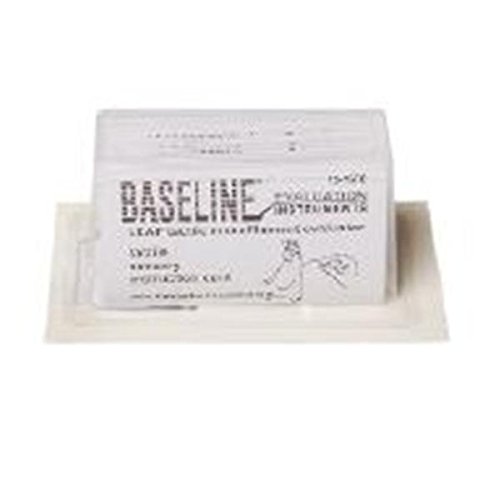
Semmes-Weinstein Baseline Monofilament Sensory Evaluator 5.07-10g... Fabrication Enterprises (12-1670) sold as EA
Baseline disposable individual 10 gm. monofilaments. <strong>Complete with the LEAP program testing protocol</strong>.
Health Disclaimer
This content is for informational purposes only and does not constitute medical advice. Always consult a qualified healthcare provider before starting, stopping, or changing any supplement or medication regimen.