Moderate Evidence

Promising research with growing clinical support from multiple studies

Holistic Treatment for Temporomandibular Joint Disorder (TMJ)

Temporomandibular disorders (TMD, often called TMJ) involve the jaw joint, chewing muscles, and related structures. They commonly present with jaw pain, limited or painful opening, clicking or popping, and headaches or ear symptoms. Comparing Western and Eastern perspectives is useful because each tradition brings different models for why TMD occurs and different tools for easing pain and restoring function. A holistic view blends biomechanics with stress regulation, sleep and habits, and, in traditional systems, energetic balance. In Western clinical medicine, TMD is approached through the Diagnostic Criteria for TMD (DC/TMD), which consider both physical findings (muscle and joint pain, jaw range of motion, joint sounds, disc displacement) and psychosocial factors (stress, anxiety, pain interference). Causes are understood as multifactorial: jaw overuse or parafunction (clenching, grinding), malcoordinated muscle patterns, joint inflammation or intra‑articular derangements, cervical posture, and central pain sensitization. Diagnosis relies on history, palpation of chewing muscles, measurement of maximal interincisal opening, and listening for joint noises. Imaging (panoramic x‑ray, CBCT for bone, MRI for disc position) is reserved for trauma, persistent dysfunction, or suspected internal derangement. Standard conservative care includes education and self‑care (jaw rest, soft diet, heat/ice), physical therapy and manual therapy for the jaw and neck, home exercises for mobility and coordination, behavioral therapies (habit reversal, cognitive behavioral therapy, biofeedback), and occlusal appliances (stabilization splints). Pharmacologic options may help short‑term pain flares: NSAIDs or acetaminophen, short courses of muscle relaxants, and low‑dose tricyclic antidepressants for chronic pain modulation. In refractory cases, clinicians may consider trigger‑point needling or injections, limited intra‑articular procedures (arthrocentesis/arthroscopy) for mechanical “j

musculoskeletal Updated March 22, 2026

This content is for informational purposes only and does not constitute medical advice. Always consult a qualified healthcare provider before starting, stopping, or changing any supplement or medication regimen.

Western Medicine

Diagnosis

Western clinicians use the DC/TMD framework (Axis I physical diagnoses; Axis II psychosocial assessment). Assessment includes history (pain, locking, noises, parafunction), exam of jaw range of motion and deviation, palpation of masseter/temporalis and joint tenderness, auscultation for clicks/crepitus, and provocation tests. Imaging is selective: MRI for suspected disc displacement or persistent closed lock; CBCT for bony change; panoramic radiograph for screening. Differential includes dental pathology, otologic disease, headache disorders, neuropathic pain, and systemic arthritis.

Treatments

  • Education and self-care (jaw rest, soft diet, heat/ice, habit awareness)
  • Physical therapy: jaw-specific manual therapy, stretching, controlled opening/closing, cervical/thoracic posture training
  • Home exercise programs (coordination, mobility, isometric stabilization)
  • Behavioral therapy: cognitive behavioral therapy, biofeedback, habit reversal, sleep and stress management
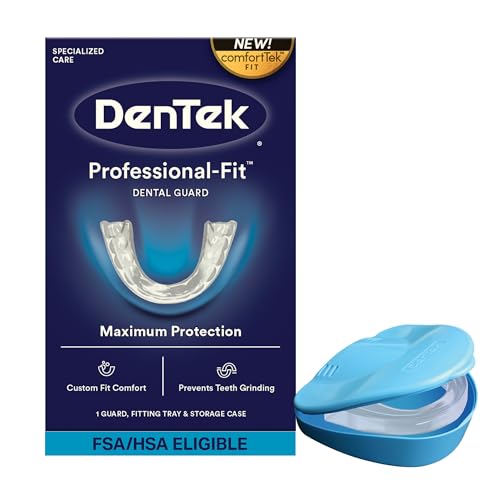
  • Occlusal appliances (stabilization/night guard; anterior bite appliances for acute myogenous pain)
  • Pharmacologic: NSAIDs or acetaminophen for flares; short-course muscle relaxants; low-dose tricyclic antidepressants; SNRIs in selected chronic pain contexts; topical NSAIDs
  • Procedures (select cases): trigger-point dry needling or injections; intra-articular corticosteroid, hyaluronic acid, or lavage (arthrocentesis); arthroscopy for mechanical intra-articular pathology
  • Adjunct modalities: TENS, low-level laser therapy, ultrasound; multidisciplinary pain management when central sensitization is prominent

Medications

  • ibuprofen
  • naproxen
  • acetaminophen
  • cyclobenzaprine
  • tizanidine
  • amitriptyline
  • nortriptyline
  • duloxetine
  • topical diclofenac
  • onabotulinumtoxinA (selected cases; evidence mixed)
  • intra-articular triamcinolone
  • hyaluronic acid

Limitations

Heterogeneous TMD subtypes and significant placebo response make trials difficult to interpret. Imaging findings may not correlate with symptoms. Long-term superiority of any single conservative therapy is uncertain; benefits are often modest and incremental. Medications can cause adverse effects (GI/renal risks with NSAIDs; sedation with muscle relaxants; anticholinergic effects with TCAs). Injections and surgery carry procedural risks and are generally reserved for select intra-articular pathology.

Evidence: Moderate Evidence

Sources

  • Guidelines from the American Academy of Orofacial Pain (AAOP, 2020) emphasize conservative, reversible therapies first and DC/TMD-based assessment.
  • NIH/NIDCR educational guidance notes multifactorial TMD causes and recommends self-care, physical therapy, splints, and behavioral strategies before invasive procedures.
  • A Cochrane review (around 2020) on occlusal splints reported modest, condition-specific benefits with heterogeneity in study quality.
  • Systematic reviews (2018–2022) suggest manual therapy and exercise provide small-to-moderate improvements in pain and mouth opening compared with minimal care.
  • Trials and reviews indicate cognitive behavioral therapy and biofeedback reduce pain interference and parafunction behaviors in chronic orofacial pain.
  • Evidence for botulinum toxin injections is mixed, with potential adverse effects such as masticatory weakness; reviews call for higher-quality RCTs.
  • Systematic reviews (2019–2022) of intra-articular corticosteroid or hyaluronic acid suggest short-term pain/function gains in selected internal derangement, with limited long-term data.
  • Position statements from oral and maxillofacial surgery societies support arthrocentesis/arthroscopy for mechanical intra-articular disorders that fail conservative care.

Eastern & Traditional Medicine

Traditional Chinese Medicine (TCM): Acupuncture, Herbal Medicine, Tui Na, Moxibustion, Cupping

TCM views TMJ pain as disharmony along the Stomach and Gallbladder channels traversing the jaw, often involving Liver qi stagnation, qi and blood stasis, or invasion of wind-cold-damp. Cervical and shoulder tension reflect channel involvement. Treatment aims to move qi and blood, relax sinews, disperse stagnation, and calm the shen (mind). Pattern differentiation guides point selection and herbal formulas.

Techniques

  • Acupuncture at local points (ST6, ST7, SI19, GB2) plus distal points (LI4, SJ5, GB20, LV3); auricular points for jaw/ TMJ; electroacupuncture for myofascial tenderness
  • Tui Na/manual therapy of masseter/temporalis and cervical muscles
  • Moxibustion for cold-damp patterns; cupping along neck/shoulders
  • Herbal formulas selected by pattern: Chai Hu Shu Gan San (Liver qi stagnation), Shao Yao Gan Cao Tang (muscle spasm), Du Huo Ji Sheng Tang (wind-damp bi), topical plasters/liniments
  • Dietary advice (avoid hard/chewy foods; warming or cooling foods per pattern) and qigong for jaw-neck relaxation
Licensed acupuncturists (L.Ac., DAOM) TCM herbalists East Asian bodywork therapists (Tui Na)
Evidence: Moderate Evidence

Ayurveda

TMD symptoms are interpreted as primarily Vata aggravation (pain, dryness, clicking) with possible Pitta involvement (inflammation). Treatment seeks to pacify Vata, lubricate and nourish tissues (dhatus), and reduce stress (rajas).

Techniques

  • Local abhyanga (warm oil massage) to jaw, neck, and shoulders; gentle heat
  • Nasya (medicated nasal oils) and shirodhara (head oil stream) for calming the nervous system (traditional use)
  • Herbal supports selected by practitioner, such as ashwagandha, bala, guduchi, guggulu-containing formulas (general anti-inflammatory and adaptogenic properties in Ayurvedic theory)
  • Dietary guidance favoring warm, soft, unctuous foods; regular routines; yoga and pranayama for stress regulation
Ayurvedic practitioners (Vaidya) Integrative physicians trained in Ayurveda Yoga therapists (C-IAYT) for movement and breath
Evidence: Traditional Use

Mind–Body and Movement Traditions (Qigong, Taiji, Yoga)

These traditions frame TMD within stress reactivity and maladaptive muscle tension. Practices aim to downregulate the autonomic nervous system, improve posture and jaw–neck coordination, and release myofascial holding patterns.

Techniques

  • Qigong or Taiji sequences emphasizing cervical and shoulder relaxation, breath coordination
  • Yoga-based gentle neck/jaw mobility, postural alignment, pranayama, and guided relaxation/meditation
  • Mindfulness training to reduce clenching and catastrophizing
Qigong/Taiji instructors Yoga therapists (C-IAYT) Mindfulness instructors
Evidence: Emerging Research

Sources

  • Systematic reviews and meta-analyses (2018–2022) report acupuncture yields small-to-moderate reductions in TMD pain and improved mouth opening versus sham/usual care, though heterogeneity and risk of bias exist.
  • Trials of electroacupuncture show added benefit for myofascial TMD compared with manual acupuncture in some small RCTs.
  • Evidence for specific TCM herbal formulas in TMD is limited to small trials and traditional use; rigorous RCTs are sparse.
  • Reviews of Tui Na and cupping for musculoskeletal pain suggest potential benefit, but TMD-specific data remain limited.
  • Classical Ayurvedic texts describe Vata-predominant jaw pain managed with snehana (oilation), swedana (gentle heat), nasya, and vata-pacifying diet/lifestyle.
  • Modern clinical evidence is limited; most support derives from broader studies of yoga/meditation for pain and stress rather than TMD-specific RCTs.
  • Safety and interaction data for Ayurvedic herbs come from pharmacologic studies and case reports rather than TMD-focused trials.
  • Systematic reviews show small-to-moderate benefits of yoga, tai chi, and qigong for chronic musculoskeletal pain and quality of life; TMD-specific trials are few.
  • Behavioral and mindfulness-based interventions have evidence for reducing pain interference and parafunctional habits when integrated into care.

Integrative Perspective

Integrative care often pairs Western conservative measures with East Asian therapies and mind–body practice. A common pathway: confirm DC/TMD diagnosis and screen for red flags (trauma, infection signs, progressive malocclusion, unexplained weight loss, cranial nerve deficits, jaw claudication in older adults), then initiate self-care, jaw–neck physical therapy, and a stabilization splint if nocturnal clenching is suspected. Concurrently, acupuncture 1–2 times weekly for several weeks may reduce myofascial tenderness and facilitate PT gains; small trials suggest additive benefit over usual care. Mind–body strategies (CBT skills, mindfulness, qigong or yoga) help reduce daytime clenching and improve sleep, potentially enhancing durability of results. For inflammatory flares, short courses of NSAIDs may be used with attention to GI/renal risk. If intra-articular pathology persists (e.g., closed lock), referral for imaging and consideration of arthrocentesis follows guidelines. Safety and interactions: coordinate herb use with prescribing clinicians. Guggul- or boswellia-containing formulas may affect anticoagulants and some thyroid medications; ashwagandha can potentiate sedation and affect thyroid function in sensitive individuals; licorice derivatives may raise blood pressure and potassium loss. Acupuncture is generally safe with trained practitioners; avoid needling over infected skin; use caution with bleeding disorders/anticoagulation and pregnancy-sensitive points (e.g., LI4). Moxibustion may cause burns if misapplied; cupping can bruise skin. Procedural risks for injections and arthroscopy include infection, bleeding, and rare joint injury. Measurable outcomes to track: pain intensity (0–10), maximal interincisal opening (e.g., millimeters between incisors), the Jaw Functional Limitation Scale (JFLS), headache days, and quality-of-life indices (OHIP-14). Many patients see incremental improvements over 6–12 weeks with combined therapies, with ongoing self-management to maintain gains. Illustrative vignettes: (1) Myofascial-predominant TMD with stress: A patient begins PT and a home exercise program, receives a stabilization splint, and adds weekly acupuncture plus brief CBT-based habit reversal. Over 8 weeks, pain decreases from 7/10 to 3/10, mouth opening improves by 8 mm, and clenching episodes diminish. (2) Disc displacement with intermittent locking: After conservative care, persistent mechanical symptoms prompt MRI and targeted arthrocentesis. Post-procedure rehab includes jaw coordination exercises and short acupuncture series; function and pain improve over 12 weeks. Consult your healthcare provider before making changes to your health regimen.

Sources

  1. AAOP (2020) Orofacial Pain guidelines: DC/TMD-based assessment; conservative-first management.
  2. NIH/NIDCR TMJ Disorders resources emphasize reversible, noninvasive care and the role of psychosocial factors.
  3. Cochrane and other systematic reviews (2018–2022) on occlusal splints, manual therapy/exercise, and behavioral therapy report modest benefits with variable quality.
  4. Systematic reviews (2018–2022) indicate acupuncture provides small-to-moderate TMD pain reduction; evidence quality ranges from low to moderate.
  5. Reviews on intra-articular injections (2019–2022) show short-term benefits in selected internal derangement; long-term data limited.
  6. Evidence for botulinum toxin is mixed with safety concerns about chewing weakness; high-quality RCTs are needed.
  7. Mind–body reviews show benefits for chronic pain; TMD-specific trials are fewer, supporting an adjunctive role.

Related Content

comparisons

Herbal Remedies for Temporomandibular Joint (TMJ) Disorder: East vs West

Herbal Remedies for Temporomandibular Joint (TMJ) Disorder. Temporomandibular disorders (TMDs) encompass pain and dysfunction of the jaw joint and chewing muscles. Common signs include jaw pain near the ear, aching in the face, headaches, clicking or popping, and limited mouth opening. From a biomedical perspective, key contributors include local joint infla

comparisons

Temporomandibular Joint Disorder (TMJ/TMD): East vs West

Temporomandibular Joint Disorder (TMJ/TMD). Temporomandibular joint disorders (TMJ/TMD) encompass pain and dysfunction involving the jaw joint, chewing muscles, and related structures. Estimates vary, but roughly 5–10% of adults experience clinically significant symptoms at any time, with women affected more often. Causes are multifactorial:

articles

Combining Eastern and Western Health Practices: An Evidence‑Based Guide to Integrative Care

Combining Eastern and Western Health Practices: An Evidence‑Based Guide to Integrative Care. If you’re curious about combining Eastern and Western health practices, you’re not alone. Many people want the diagnostic clarity of conventional medicine alongside the whole-person focus of Traditional Chinese Medicine (TCM), Ayurveda, yoga, mindfulness, and other mind–body tools. This guide walks

articles

Eastern Approaches to Mental Wellness: TCM, Ayurveda, Mind‑Body Practices, and Evidence‑Based Strategies

Eastern Approaches to Mental Wellness: TCM, Ayurveda, Mind‑Body Practices, and Evidence‑Based Strategies. If you’re exploring eastern approaches to mental wellness, you might be wondering how traditions like Traditional Chinese Medicine (TCM), Ayurveda, mindfulness, qigong, and yoga can help with stress, anxiety, mood, and clarity—especially alongside therapy or medication. Research suggests many of the

articles

Eastern vs Western Medicine: Key Differences in Philosophy, Diagnosis, Evidence, and When to Use Each

Eastern vs Western Medicine: Key Differences in Philosophy, Diagnosis, Evidence, and When to Use Each. If you’ve ever wondered how to choose between acupuncture and ibuprofen, or herbs and prescription drugs, you’re already asking the core question behind eastern vs western medicine. People seek clarity on which system works best, when to use each, and how to combine them safely. This guide compares

comparisons

Alternatives for Tension Headaches: East vs West

Alternatives for Tension Headaches. Tension-type headache (TTH) is the most common primary headache worldwide, typically described as a dull, pressing, band-like pain on both sides of the head, often with neck or scalp tenderness and without the nausea, vomiting, or disabling sensitivity to light and sound characteristic of migraine.

Health Disclaimer

This content is for informational purposes only and does not constitute medical advice. Always consult a qualified healthcare provider before starting, stopping, or changing any supplement or medication regimen.