Emerging Research

Early-stage research, mostly preclinical or preliminary human studies

Herbal Remedies for Temporomandibular Joint (TMJ) Disorder

Temporomandibular disorders (TMDs) encompass pain and dysfunction of the jaw joint and chewing muscles. Common signs include jaw pain near the ear, aching in the face, headaches, clicking or popping, and limited mouth opening. From a biomedical perspective, key contributors include local joint inflammation, overactivity or spasm of the masticatory muscles (often related to bruxism/clenching and stress), and, less commonly, structural changes such as disc displacement or degenerative arthritis. In Traditional Chinese Medicine (TCM), jaw pain is often framed as Liver-Qi stagnation and Blood stasis affecting the Stomach/Gallbladder channels that traverse the jaw, sometimes with external Wind-Cold or Heat patterns; in Ayurveda, TMD aligns with vata aggravation (a dry, mobile principle) in the joints (sandhis), and pitta involvement when inflammation predominates. These differing lenses shape treatment goals: reduce inflammation and muscle hyperactivity in Western care; move Qi and Blood, nourish the sinews, and calm stress in TCM; and pacify vata, soothe pitta, and strengthen tissues (mamsa/asthi dhatu) in Ayurveda. Conventional Western management starts with conservative care: education, soft diet, jaw relaxation and stretching, physical therapy/manual therapy, and stress reduction. Splints/night guards may help protect teeth and limit muscle overuse, though evidence varies by device and diagnosis. Medications such as nonsteroidal anti-inflammatory drugs, short courses of muscle relaxants, and, in select cases, low-dose tricyclic antidepressants are used to modulate pain and muscle tension. Injections (trigger point, corticosteroid, or hyaluronic acid), botulinum toxin for refractory myofascial pain, and arthrocentesis/arthroscopy for severe intra-articular pathology are reserved for specific indications. Research support for self-care and physical therapy is solid, while evidence for botulinum toxin and irreversible dental procedures is mixed. Where do herbs fit? In

musculoskeletal Updated March 22, 2026

This content is for informational purposes only and does not constitute medical advice. Always consult a qualified healthcare provider before starting, stopping, or changing any supplement or medication regimen.

Western Medicine

Diagnosis

Western clinicians use history, physical examination (palpation of masticatory muscles, assessment of joint sounds and deviations), measurement of jaw opening, and validated criteria (e.g., DC/TMD). Imaging (panoramic radiograph, CBCT, or MRI) is considered when trauma, degenerative change, or disc displacement is suspected, or when symptoms persist despite conservative care. Differential diagnosis includes dental pain, otitis, neuralgias, headache disorders, and inflammatory arthritis.

Treatments

  • Education and self-care: jaw rest, soft diet, heat/ice, relaxation and stretching exercises
  • Physical therapy/manual therapy and posture training; biofeedback and cognitive-behavioral strategies for bruxism/stress
  • Occlusal appliances (night guards/splints) tailored to diagnosis; evidence mixed but commonly used
  • Pharmacologic pain management (short-term): NSAIDs, acetaminophen; short course muscle relaxants; low-dose tricyclic antidepressants or SNRIs for chronic pain modulation
  • Injections: local anesthetic trigger-point injections; intra-articular corticosteroid or hyaluronic acid in selected intra-articular disorders
  • Botulinum toxin A for refractory myofascial hyperactivity (evidence mixed)
  • Surgical interventions (arthrocentesis/arthroscopy, rarely open surgery) for severe intra-articular pathology unresponsive to conservative care
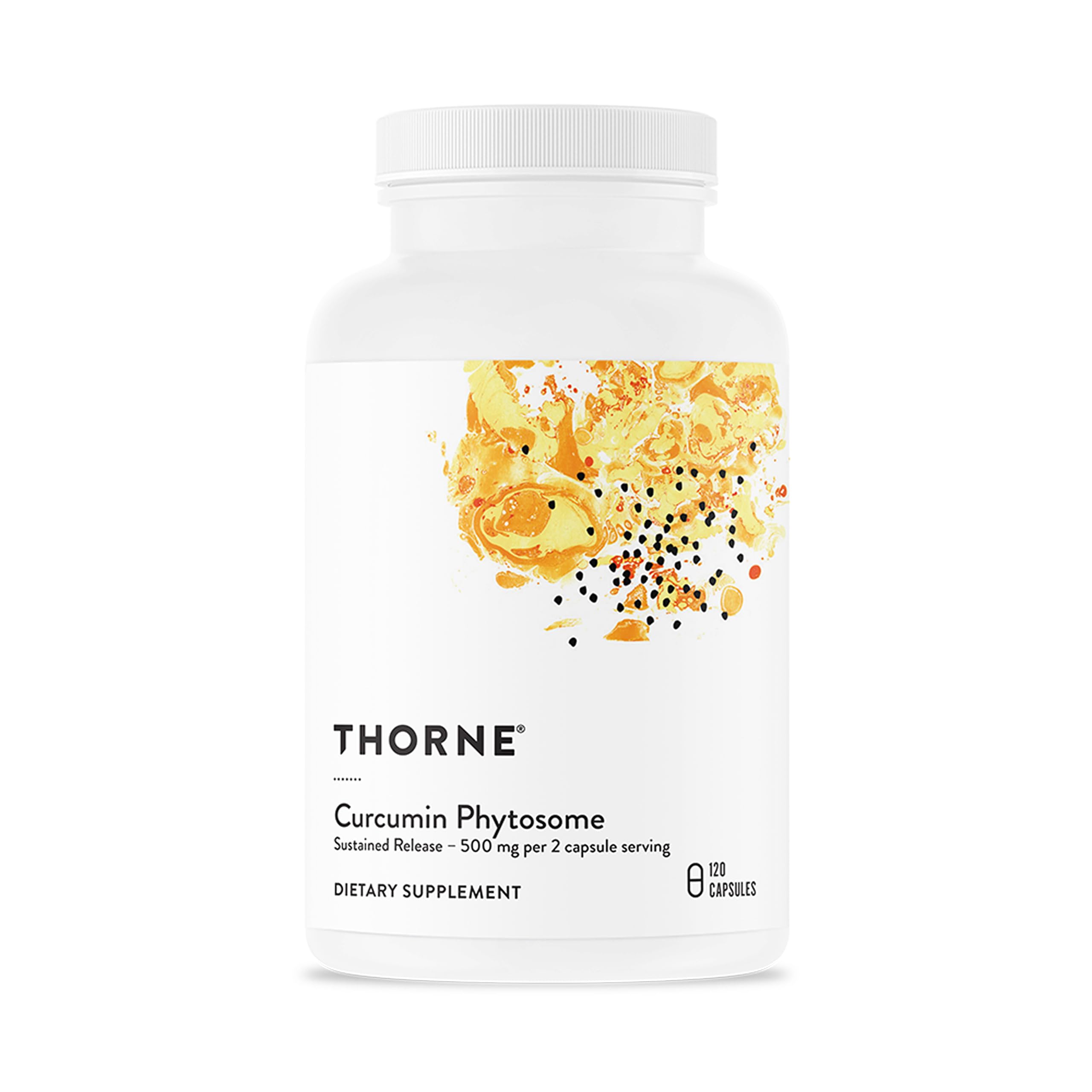
  • Adjunctive herbal supplements with anti-inflammatory/analgesic potential (evidence for TMD is limited and extrapolated from broader pain research): curcumin/turmeric, boswellia (shallaki), ginger, feverfew (more for comorbid headache), and corydalis

Medications

  • ibuprofen
  • naproxen
  • acetaminophen
  • cyclobenzaprine
  • tizanidine
  • amitriptyline
  • nortriptyline
  • duloxetine
  • topical diclofenac (adjunct)
  • local anesthetics for trigger-point injection
  • botulinum toxin A (selected cases)
  • intra-articular triamcinolone or hyaluronic acid (selected cases)

Limitations

Many patients improve with conservative care, but a subset has persistent pain or recurrent flares. Pharmacologic options may cause side effects and are not ideal long term. Evidence for occlusal adjustment, irreversible dental procedures, and botulinum toxin is mixed. High-quality randomized trials on herbal adjuncts specifically for TMD are scarce, so benefits are inferred from broader musculoskeletal pain literature. Heterogeneity of TMD diagnoses complicates research and individualized care.

Evidence: Strong Evidence

Sources

  • 2023 AAFP clinical review summarizes diagnosis and conservative management for TMD
  • NIDCR guidance (updated 2023) emphasizes reversible, conservative treatments and cautions against irreversible procedures
  • A 2020 Cochrane review reported mixed evidence for occlusal splints across TMD subtypes
  • A 2021 systematic review found inconsistent benefits of botulinum toxin for myofascial TMD pain
  • A 2016–2022 series of systematic reviews on curcumin and boswellia show pain reduction in osteoarthritis, with limited TMD-specific trials

Eastern & Traditional Medicine

Traditional Chinese Medicine (TCM)

TCM views TMD as disharmony of channels around the jaw (Stomach, Gallbladder, Large Intestine) compounded by Liver-Qi stagnation (stress/bruxism), Blood stasis (fixed, stabbing pain), and sometimes external Wind-Cold or internal Heat. Treatment aims to move Qi and Blood, relax the sinews, clear Heat, and calm the shen (mind). Herbs are selected by pattern, often alongside acupuncture and jaw relaxation practices.

Techniques

  • Pattern-based formulas: Chai Hu Shu Gan San (Liver-Qi stagnation), Xue Fu Zhu Yu Tang or Tao Hong Si Wu Tang (Blood stasis), Jia Wei Xiao Yao San (constraint with Heat)
  • Single herbs commonly included for jaw pain: Yan Hu Suo (Corydalis), Chuan Xiong (Ligusticum), Dang Gui (Angelica sinensis), Ru Xiang (Boswellia), Mo Yao (Commiphora), Bai Shao (Paeonia), Gan Cao (Glycyrrhiza)
  • Topical liniments/plasters (e.g., frankincense–myrrh–corydalis combinations) applied to masseter/temporalis
  • Dietary therapy to reduce internal Heat and support sinews; stress-regulation practices (breathwork, gentle qigong)
Licensed acupuncturist/TCM herbalist Doctor of Oriental Medicine
Evidence: Emerging Research

Ayurveda

TMD aligns with vata aggravation in the jaw joint (sandhi) and mamsa (muscle) tissues; pitta involvement is considered when inflammation and heat predominate. Goals are to pacify vata, soothe pitta, nourish and strengthen the jaw muscles/ligaments, and reduce stress-related bruxism. Therapies may include internal herbs, medicated oils, gentle local snehana (oleation), swedana (steam), and nasya (nasal oil) under professional guidance.

Techniques

  • Herbs: Shallaki (Boswellia serrata), Haridra (Curcuma longa), Ashwagandha (Withania somnifera), Guggulu formulations (e.g., Yograj Guggulu) for vata–ama patterns, Dashamoola for musculoskeletal pain
  • Topical and nasal therapies: Mahanarayana taila local massage; Nirgundi (Vitex negundo) oil applications; nasya with Anu taila as directed by a practitioner
  • Diet and lifestyle: warm, unctuous foods; regular routines; pranayama/meditation to reduce stress
Ayurvedic physician (BAMS) Certified Ayurvedic practitioner
Evidence: Emerging Research

Western herbalism/Naturopathy

Focuses on modulating inflammation, easing muscle spasm, and addressing stress and sleep that worsen bruxism. Herbal choices often mirror research in broader musculoskeletal pain, adapted to jaw symptoms. Topical preparations are used to target masseter and temporalis muscles.

Techniques

  • Internal extracts used in studies of musculoskeletal pain: curcumin/turmeric (anti-inflammatory), boswellia (5-LOX inhibition), ginger (COX/LOX modulation), feverfew (more for headache comorbidity), willow bark (salicin), and corydalis (analgesic alkaloids)
  • Topicals: capsaicin creams/patches, arnica gels, and frankincense–myrrh salves to tender muscles
  • Lifestyle co-interventions: sleep hygiene, stress management, jaw relaxation exercises
Naturopathic doctor (ND) Clinical herbalist
Evidence: Emerging Research

Sources

  • Classical TCM materia medica texts describe Yan Hu Suo, Ru Xiang, and Mo Yao for pain with Blood stasis
  • Small clinical series and case reports describe pattern-based formulas for orofacial pain; rigorous TMD-specific RCTs are limited
  • A 2014 preclinical study reported dehydrocorybulbine from Corydalis reduced inflammatory and neuropathic pain in mice
  • Classical Ayurvedic texts (Charaka and Sushruta Samhitas) describe vata-related joint pain and use of snehana/swedana/nasya
  • Systematic reviews (2018–2022) report that boswellia and turmeric extracts reduce osteoarthritis pain and stiffness; TMD-specific trials are limited
  • A 2016 systematic review/meta-analysis found curcumin reduced osteoarthritis pain versus placebo with safety comparable to NSAIDs in some trials
  • A 2018 review of boswellia extracts reported clinically meaningful pain reductions in osteoarthritis with good tolerability; limited orofacial trials
  • Randomized and experimental studies show ginger modestly reduces pain in several conditions; effects on TMD specifically are unclear
  • Systematic reviews of feverfew for migraine show mixed efficacy; not TMD-specific

Integrative Perspective

Combining approaches can be practical and safe when coordinated. For many people, first-line dental and physical therapies (education, a reversible occlusal appliance when indicated, targeted jaw exercises, and stress management) can be paired with a time-limited trial of anti-inflammatory or muscle-soothing herbs. Examples include an internal curcumin or boswellia extract drawn from osteoarthritis literature, or a topical frankincense–myrrh or capsaicin preparation applied to masseter/temporalis, while continuing physical therapy. Working with a licensed TCM or Ayurvedic practitioner can help tailor pattern-based formulas (e.g., Liver-Qi stagnation versus Blood stasis in TCM; vata versus vata–pitta in Ayurveda) and set expectations (often weeks for early symptom changes and months for chronic patterns). Monitoring should be structured: track pain scores, jaw opening, chewing tolerance, and sleep/bruxism patterns every 2–4 weeks to assess benefit. Safety checkpoints and potential conflicts: - Herb–drug interactions: Curcumin, ginger, and feverfew may have antiplatelet effects and could increase bleeding risk with anticoagulants/antiplatelets; feverfew can cause mouth irritation and is generally avoided in pregnancy. Corydalis alkaloids may potentiate sedatives. Boswellia is generally well tolerated but may interact with anti-inflammatories. Discuss plans with clinicians, especially before dental surgery or if clotting disorders exist. - Product quality: Choose standardized extracts from reputable manufacturers with third-party testing (e.g., USP, NSF). Some imported TCM/Ayurvedic products have been found to contain heavy metals or adulterants; professional sourcing mitigates risk. - Red flags for prompt medical/dental care: trauma; fever, swelling, or suspected infection; sudden malocclusion; new neurologic symptoms; jaw locking (inability to open adequately); progressive weight loss or systemic inflammatory disease signs. Rheumatology input is warranted if systemic arthritis is suspected. Research gaps include: high-quality randomized trials of standardized herbal interventions specifically for TMD (including topical formulations), studies stratified by TMD subtype (myofascial vs intra-articular), head-to-head comparisons with NSAIDs, and pragmatic trials combining herbs with physical therapy or splints. Consult your healthcare provider before making changes to your health regimen.

Sources

  1. 2023 AAFP clinical review on TMD diagnosis and management
  2. NIDCR (2023) patient and clinician guidance on TMD emphasizes conservative care
  3. 2020 Cochrane review on occlusal splints for TMD reports mixed outcomes by subtype
  4. 2021 systematic review on botulinum toxin for myofascial TMD shows inconsistent benefit
  5. 2016–2022 systematic reviews/meta-analyses: curcumin and boswellia reduce osteoarthritis pain; TMD-specific trials limited
  6. 2014 preclinical research identified dehydrocorybulbine (Corydalis) with analgesic effects in animal models
  7. Systematic reviews on ginger and feverfew report modest or mixed benefits in non-TMD pain/headache contexts

Related Content

comparisons

Holistic Treatment for Temporomandibular Joint Disorder (TMJ): East vs West

Holistic Treatment for Temporomandibular Joint Disorder (TMJ). Temporomandibular disorders (TMD, often called TMJ) involve the jaw joint, chewing muscles, and related structures. They commonly present with jaw pain, limited or painful opening, clicking or popping, and headaches or ear symptoms. Comparing Western and Eastern perspectives is useful because each t

comparisons

Temporomandibular Joint Disorder (TMJ/TMD): East vs West

Temporomandibular Joint Disorder (TMJ/TMD). Temporomandibular joint disorders (TMJ/TMD) encompass pain and dysfunction involving the jaw joint, chewing muscles, and related structures. Estimates vary, but roughly 5–10% of adults experience clinically significant symptoms at any time, with women affected more often. Causes are multifactorial:

articles

Herbal Treatments for Inflammation: Evidence‑Based Guide to Turmeric, Boswellia, Ginger & More

Herbal Treatments for Inflammation: Evidence‑Based Guide to Turmeric, Boswellia, Ginger & More. If you’re exploring herbal treatments for inflammation, you’re likely looking for options that can reduce pain and swelling without the side effects of long-term NSAID use. Research suggests several herbs and plant compounds may help, especially for osteoarthritis and musculoskeletal pain. This guid

comparisons

Alternatives for Tension Headaches: East vs West

Alternatives for Tension Headaches. Tension-type headache (TTH) is the most common primary headache worldwide, typically described as a dull, pressing, band-like pain on both sides of the head, often with neck or scalp tenderness and without the nausea, vomiting, or disabling sensitivity to light and sound characteristic of migraine.

articles

Eastern Approaches to Mental Wellness: TCM, Ayurveda, Mind‑Body Practices, and Evidence‑Based Strategies

Eastern Approaches to Mental Wellness: TCM, Ayurveda, Mind‑Body Practices, and Evidence‑Based Strategies. If you’re exploring eastern approaches to mental wellness, you might be wondering how traditions like Traditional Chinese Medicine (TCM), Ayurveda, mindfulness, qigong, and yoga can help with stress, anxiety, mood, and clarity—especially alongside therapy or medication. Research suggests many of the

articles

Natural Remedies for Headaches: Evidence‑Based Herbs, Supplements & Self‑Care

Natural Remedies for Headaches: Evidence‑Based Herbs, Supplements & Self‑Care. If you’re searching for natural remedies for headaches, you’re not alone. Many people want options that ease pain, reduce frequency, and feel gentler than daily medications. This guide brings together western research and time‑tested eastern practices, clearly labeling the strength of evidence behin

Health Disclaimer

This content is for informational purposes only and does not constitute medical advice. Always consult a qualified healthcare provider before starting, stopping, or changing any supplement or medication regimen.