Western vs Eastern Medicine Approaches: Philosophies, Treatments, Evidence & How to Choose
Compare western vs eastern medicine approaches—philosophies, diagnostics, evidence, safety, and when to combine them to fit your health goals.
·10 min read
This content is for informational purposes only and does not constitute medical advice. Always consult a qualified healthcare provider before starting, stopping, or changing any supplement or medication regimen.
If you’re weighing western vs eastern medicine approaches, you’re likely trying to match care with your values, your condition, and the kind of results you want—fast relief, long‑term balance, or both. This guide clarifies how each system thinks about health and disease, what typical diagnostics and treatments look like, what the research says, where the risks are, and how to choose or combine approaches safely.
What Do We Mean by “Western vs Eastern Medicine Approaches”?
Both “Western” and “Eastern” are broad umbrellas. The labels simplify real diversity, but they’re useful for understanding big-picture differences.
Western biomedicine: disease-focused, mechanism-driven
Core philosophy: Western biomedicine emphasizes identifying a specific disease or pathology and targeting it directly. It’s reductionist in the scientific sense—breaking problems down to organs, cells, molecules.
Goals of care: Diagnose precisely, treat the cause or control symptoms, prevent complications, and measure outcomes objectively (labs, imaging, validated scales).
Cultural roots: Enlightenment-era science, germ theory, and evidence hierarchies (randomized trials, systematic reviews). Care is standardized and protocol-driven when possible.
Traditional Chinese Medicine (TCM): Health reflects dynamic balance and smooth flow of qi (vital energy) through meridians, as well as harmony among organ systems and environmental factors. Diagnosis seeks patterns (e.g., “Liver Qi stagnation”) rather than a single disease label.
Ayurveda (from India): Health is the balance of three doshas (Vata, Pitta, Kapha) that govern physiological and psychological traits. Diet, daily routine, herbal formulas, and cleansing practices are tailored to the individual’s constitution (prakriti) and current imbalance (vikriti).
Goals of care: Restore systemic harmony, support self-healing, and prevent illness by aligning lifestyle, diet, and mind–body practices with the person’s unique pattern.
Cultural roots: Centuries of clinical tradition, apprenticeship, and observation; emphasis on individualized care, seasonality, and context.
How Each System Diagnoses Illness
Western diagnostics
Tools: History, physical exam, bloodwork, urinalysis, imaging (X‑ray, MRI, CT), biopsies, and standardized criteria (e.g., DSM‑5 for mental health; ACR criteria for autoimmune disease).
Strengths: Rapid triage, high sensitivity/specificity tests, useful for emergencies and conditions with clear biomarkers.
Limitations: May under-capture multifactorial syndromes (e.g., chronic fatigue, functional GI disorders) or lifestyle/context factors.
Eastern diagnostics
TCM: Tongue and pulse diagnosis, questions about sleep, digestion, emotions, menstrual patterns, and climate sensitivity to identify patterns of disharmony.
Ayurveda: Pulse reading (nadi), tongue and eye observations, skin/hair/nail qualities, digestions (agni), elimination (ama/toxicity), and a detailed lifestyle review.
Strengths: Nuanced picture of the person’s overall state; emphasizes lived experience and prevention.
Limitations: Less standardized; practitioner variability; patterns don’t map 1:1 to Western disease labels, which can complicate research and communication.
Common Treatments—and When They Shine
Western therapies
Pharmaceuticals: Target receptors, enzymes, or pathogens (e.g., antibiotics, antihypertensives). Often strong evidence for specific indications.
Procedures and surgery: Structural repairs, tumor removal, stenting, joint replacements—crucial for emergencies and advanced disease.
Rehabilitation and behavioral therapies: Physical therapy, CBT, exposure therapy—evidence-based for many conditions.
Where Western care stands out:
Acute/urgent conditions: Trauma, heart attack, stroke, appendicitis, sepsis—time-sensitive and mechanism-specific.
Advanced disease: Cancer staging and treatment, organ failure, severe infections.
Ayurveda: Personalized diet and spices, herbal formulas, yoga and breathwork (pranayama), meditation, abhyanga (oil massage), and panchakarma (a suite of cleansing procedures under practitioner supervision).
Where Eastern care is often used:
Chronic, functional, or lifestyle-related issues: Pain syndromes, stress and sleep issues, digestive discomforts, menstrual irregularities, and preventive care.
Recovery and resilience: Building energy, sleep quality, and stress capacity; cultivating daily routines that reduce relapse risk.
A practical way to think about it: Western biomedicine is excellent at extinguishing fires; Eastern systems focus on fireproofing the house and maintaining the neighborhood.
What the Research Says About Effectiveness and Safety
Evidence strength varies widely—both within and across systems. Here’s a high-level synthesis with evidence qualifiers.
Western therapies: robust evidence for many indications
Strong evidence: Many drugs and procedures have multiple randomized controlled trials (RCTs) and meta-analyses demonstrating benefits (e.g., antibiotics for bacterial pneumonia; beta-blockers post‑MI; vaccines; hip/knee replacements for severe osteoarthritis; CBT for anxiety disorders). Risks include side effects, procedure complications, and overuse in low‑value scenarios.
Acupuncture and related TCM practices
Chronic pain: Research suggests acupuncture offers modest-to-moderate benefit for chronic low back pain, neck pain, knee osteoarthritis, and tension-type headache versus usual care or sham (moderate evidence). Safety is generally good with trained practitioners; rare risks include infection or pneumothorax.
Nausea and postoperative recovery: Studies indicate acupuncture and acupressure at P6 may reduce postoperative and chemotherapy-induced nausea (moderate evidence).
Mechanisms: Proposed mechanisms include modulation of endogenous opioids, descending pain pathways, local microcirculation, and autonomic balancing.
For a deeper dive into modalities and evidence, see Traditional Chinese Medicine (TCM) Practices: Acupuncture, Herbs, Cupping, Moxibustion, and the Evidence (/articles/traditional-chinese-medicine-practices-evidence).
Herbal medicine
Curcumin (from turmeric): Emerging-to-moderate evidence suggests curcumin may reduce knee osteoarthritis pain and inflammatory markers when standardized extracts are used, though bioavailability varies.
St. John’s wort: Moderate-to-strong evidence for mild-to-moderate depression in some trials; major concern is potent drug interactions (e.g., SSRIs, OCPs, warfarin, transplant medications) via CYP3A4 induction.
Ginsengs, ashwagandha, and others: Evidence is mixed to emerging depending on outcome (fatigue, stress, glycemic control). Quality and standardization vary widely.
Safety: Variable product quality, adulteration risk, heavy metals in some imported products, and herb–drug interactions are key concerns. Choose reputable brands with third‑party testing.
For context on Ayurvedic principles, uses, safety, and evidence, see Ayurvedic Medicine: Origins, Principles, Uses, Safety & Evidence (/articles/ayurvedic-medicine-origins-principles-uses-safety-evidence).
Mind–body practices
Mindfulness-based programs: Moderate-to-strong evidence for reducing stress, anxiety, and improving quality of life; modest effects for chronic pain and sleep.
Yoga, tai chi, and qigong: Moderate evidence for balance, fall prevention in older adults, osteoarthritis symptoms, and cardiometabolic risk factors; benefits accrue with regular practice.
Integrative and comparative outcomes
Musculoskeletal pain: Combining guideline-based Western care (education, NSAIDs as appropriate, physical therapy) with acupuncture or yoga can improve pain and function compared with usual care alone (moderate evidence), with relatively low risk.
Oncology supportive care: Acupuncture, mindfulness, and selected herbs under oncology guidance may help with nausea, fatigue, and mood (emerging-to-moderate evidence), always coordinated to avoid interactions.
For perspective on how the two systems differ and complement each other, you may also find Eastern vs Western Medicine: Key Differences in Philosophy, Diagnosis, Evidence, and When to Use Each (/articles/eastern-vs-western-medicine-approaches) helpful.
Regulation, training, and quality control
Western medicine: Physicians (MD/DO) are state-licensed; drugs and devices are regulated (e.g., FDA in the U.S.) with rigorous trial requirements. Off‑label use occurs based on evidence and clinical judgment.
TCM/acupuncture: Many regions license acupuncturists (e.g., L.Ac.) and certify via national boards (e.g., NCCAOM in the U.S.). Herbal regulation varies; in many countries, herbs are dietary supplements with less stringent pre‑market review.
Ayurveda: In India, BAMS degrees are standardized; in other countries, practitioner training and product regulation vary widely.
Practical implication: Verify practitioner credentials and choose products with third‑party testing (e.g., USP, NSF, ConsumerLab) when available.
For a broader primer on categories, evidence, and safety issues across complementary therapies, see Alternative Medicine Explained: Types, Evidence, Safety & Choosing Care (/articles/alternative-medicine-explained-types-evidence-safety-choosing-care).
Risks, Interactions, and When to Be Cautious
Red flags needing urgent Western evaluation: Chest pain, stroke signs, severe shortness of breath, new neurological deficits, high fever with confusion, uncontrolled bleeding, severe abdominal pain, or sudden vision loss.
Herb–drug interactions: St. John’s wort, ginkgo, ginseng, kava, and others can interact with anticoagulants, antidepressants, immunosuppressants, and chemotherapy. Always disclose supplements to your medical team.
Quality and dosing: Herbal formulas vary in strength and composition; stick to evidence-informed doses and reputable sources.
Overmedicalization: Unnecessary imaging or antibiotics can cause harm; seek guideline-aligned care and second opinions when unsure.
Practical Guidance: Choosing and Combining Approaches Wisely
Key decision factors
Condition type and severity: Emergencies and structural problems favor Western care; functional, stress-related, or chronic lifestyle issues may benefit from adding Eastern modalities.
Goals and time horizon: Rapid symptom control vs. long-term resilience and prevention.
Personal values and fit: Preference for natural products, hands-on care, or mind–body work; tolerance for side effects; willingness to practice daily habits.
Evidence and risk profile: Weigh benefits against potential harms and interactions; prefer modalities with at least moderate evidence for your goal.
Access and cost: Insurance coverage, local availability, practitioner credentials, and total cost of care.
When to prioritize Western care
Any life‑threatening, rapidly progressive, or structurally correctable condition.
Conditions with proven disease-modifying therapies (e.g., insulin for type 1 diabetes, antibiotics for bacterial sepsis, guideline-based cancer care).
When Eastern modalities may be good adjuncts
Chronic pain, tension headaches, osteoarthritis, stress, insomnia, mild digestive discomforts, perimenopausal symptoms, or as part of rehabilitation and wellness programs—provided you coordinate with your primary clinician.
How to coordinate care
Bring a full list of all medications and supplements to every visit.
Ask your pharmacist and clinicians to check for herb–drug interactions.
Set shared goals and timelines: “Let’s try 8–12 weeks of acupuncture and home exercise while we taper NSAIDs if pain improves.”
Track outcomes: Pain scores, sleep hours, step counts, and lab trends help you and your team judge benefit.
For structured ways to build a combined plan, see Combining Eastern and Western Health Practices: An Evidence‑Based Guide to Integrative Care (/articles/combining-eastern-and-western-health-practices).
Finding qualified practitioners and credible evidence
Western clinicians: Board-certified MD/DO in relevant specialty; check state licensure.
Acupuncturists/TCM: Licensed (L.Ac.) with NCCAOM certification where applicable.
Ayurveda: In India, BAMS; elsewhere, look for recognized training and association membership (e.g., NAMA in the U.S.), understanding it’s not uniformly regulated.
Evidence resources: National Center for Complementary and Integrative Health (NCCIH), Cochrane Reviews, specialty society guidelines, PubMed Clinical Queries.
Practical Takeaways and a Simple Starter Plan
For a new or worsening medical problem, start with a Western evaluation to rule out emergencies and identify treatable causes.
For persistent issues (e.g., chronic low back pain, stress-related insomnia), consider adding one evidence‑supported Eastern modality and track changes for 8–12 weeks.
Build daily foundations: Nutrition quality, movement, sleep, and stress skills amplify benefits across both systems.
A 30‑day sample plan (adapt to your needs and clinician advice):
Weeks 1–2: Confirm diagnoses; review meds and supplements for interactions; start gentle movement and a basic sleep schedule.
Weeks 2–4: Add a mind–body practice (10–15 minutes daily of breathwork, mindfulness, or tai chi) and, if relevant, a trial of acupuncture (e.g., weekly sessions) or an individualized herbal plan with a qualified practitioner.
Week 4: Reassess pain, sleep, mood, function; continue, adjust, or pivot based on what’s working and what’s safe.
Thoughtful Tools and Products People Often Consider
Many people find a structured Meditation App helpful for building a consistent mindfulness routine; research suggests regular practice can reduce perceived stress.
An at‑home Acupressure Mat may offer a relaxing sensory input for some users; while not a substitute for acupuncture, it can support a wind‑down routine.
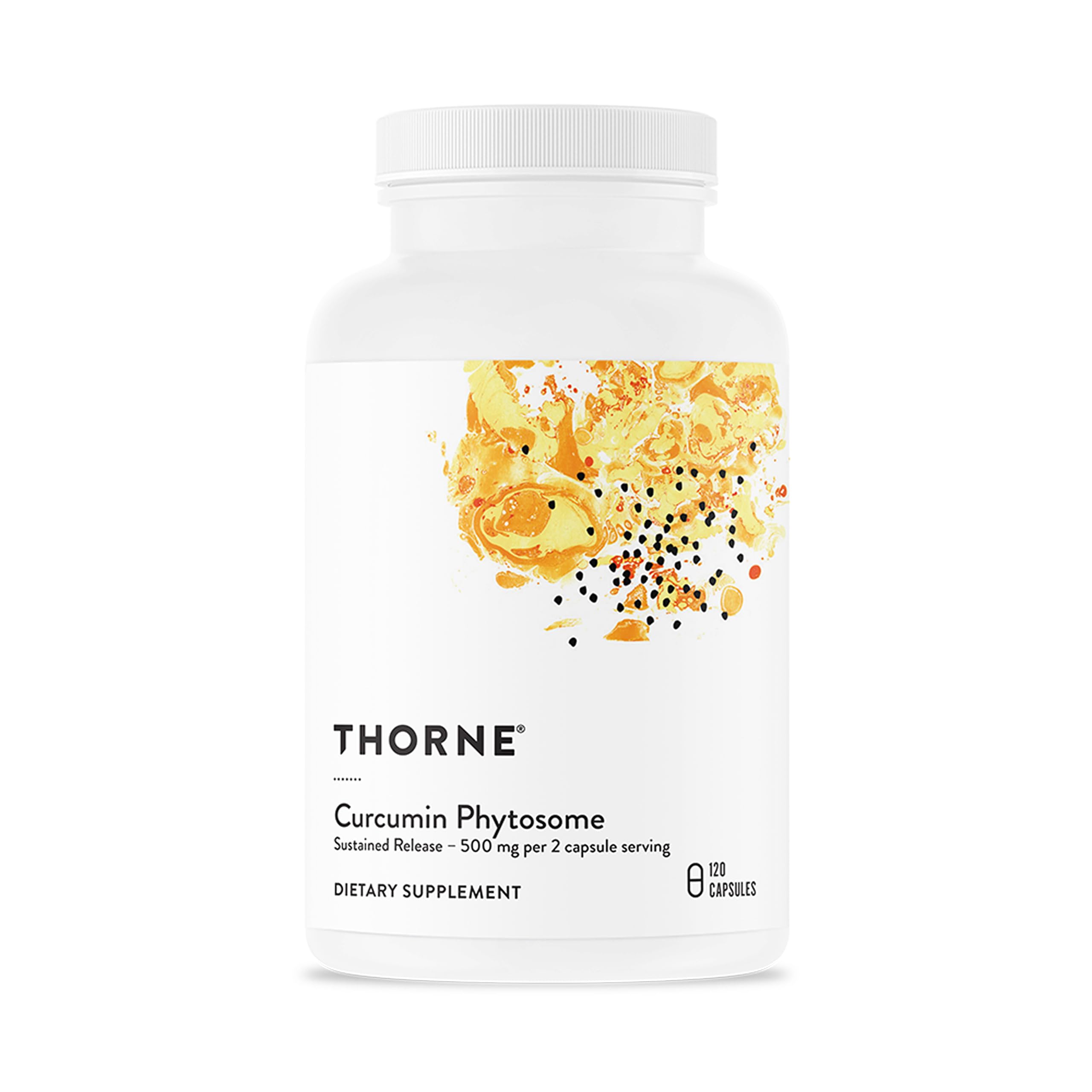
If joint comfort is a priority, a standardized Turmeric/Curcumin Supplement is sometimes considered; studies indicate curcumin may support knee osteoarthritis symptoms when used at evidence-informed doses. Discuss with your clinician, especially if you use blood thinners.
Where Western and Eastern Meet
At their best, both approaches aim to reduce suffering and improve function. Western biomedicine’s precision and speed pair well with Eastern medicine’s emphasis on terrain—metabolism, stress, sleep, and daily practices that support resilience. Using western vs eastern medicine approaches together—transparently, safely, and in conversation with your care team—often gives you the widest margin for healing.
Disclaimer
This article is for educational purposes and should not replace personalized medical advice. Always consult qualified healthcare professionals before starting, stopping, or combining treatments, especially if you have chronic conditions, take prescription medications, are pregnant, or are considering herbal products.
This content is for informational purposes only and does not constitute medical advice. Always consult a qualified healthcare provider before starting, stopping, or changing any supplement or medication regimen.
Eastern vs Western Medicine: Key Differences in Philosophy, Diagnosis, Evidence, and When to Use Each. If you’ve ever wondered how to choose between acupuncture and ibuprofen, or herbs and prescription drugs, you’re already asking the core question behind eastern vs western medicine. People seek clarity on which system works best, when to use each, and how to combine them safely. This guide compares
Combining Eastern and Western Health Practices: An Evidence‑Based Guide to Integrative Care. If you’re curious about combining Eastern and Western health practices, you’re not alone. Many people want the diagnostic clarity of conventional medicine alongside the whole-person focus of Traditional Chinese Medicine (TCM), Ayurveda, yoga, mindfulness, and other mind–body tools. This guide walks
Eastern Approaches to Mental Wellness: TCM, Ayurveda, Mind‑Body Practices, and Evidence‑Based Strategies. If you’re exploring eastern approaches to mental wellness, you might be wondering how traditions like Traditional Chinese Medicine (TCM), Ayurveda, mindfulness, qigong, and yoga can help with stress, anxiety, mood, and clarity—especially alongside therapy or medication. Research suggests many of the
If you’re curious about alternative medicine—what it includes, whether it works, and how to use it safely—you’re not alone. Alternative medicine spans traditions like acupuncture, Ayurveda, and herbal
Eastern Wellness Practices for Relaxation: An Evidence‑Based Guide to Yoga, Meditation, Acupuncture, Ayurveda, Tai Chi & Qigong. If stress is running the show, you may be wondering which eastern wellness practices for relaxation are worth your time. Yoga, meditation, acupuncture, Ayurveda, tai chi, and qigong offer time‑tested ways to calm the nervous system. Research suggests many of these practices can reduce perceived stre
Traditional Chinese Medicine (TCM) Practices: Acupuncture, Herbs, Cupping, Moxibustion, and the Evidence. Many people are curious about traditional Chinese medicine practices—what they are, how they work, and what the evidence says. If you’re weighing acupuncture, herbs, cupping, moxibustion, tui na, dietary therapy, or qigong, this guide walks through core principles, common uses, safety, and how to in