



Gold Bamboo
"related" Treatment Briefs Health AI Practitioners List your practice Search
mental-health
Moderate Evidence

Promising research with growing clinical support

Techniques for Effective Meditation: Practical Methods, Routines, and Troubleshooting

Actionable techniques for effective meditation: core methods, posture, breathwork, troubleshooting, and practice plans grounded in research.

10 min read
Techniques for Effective Meditation: Practical Methods, Routines, and Troubleshooting

This content is for informational purposes only and does not constitute medical advice. Always consult a qualified healthcare provider before starting, stopping, or changing any supplement or medication regimen.

If you’re looking for techniques for effective meditation, you’re probably asking two things: Which method should I use today, and how do I make it work in real life? This guide compares core techniques, explains what to expect right away, and shows you how to build a sustainable routine grounded in both research and long-standing traditions.

Techniques for Effective Meditation: The Core Methods

Below are widely used techniques, each with a distinct goal, immediate sensations to expect, and ideal use-cases.

1) Breath-awareness / Focused Attention (FA)

  • Goal: Train attention by choosing one anchor (usually the breath) and returning to it whenever the mind wanders.
  • Immediate experience: You’ll notice constant mind-wandering at first; brief moments of clarity deepen over time.
  • Use-cases: Building focus for work/study; reducing rumination; a foundation for all other practices.
  • How-to: Sit comfortably; place attention at the nostrils or belly. Count or label breaths (e.g., “in,” “out”). When you drift, gently return without judgment.
  • Mechanisms: Research suggests FA strengthens top-down attentional control and may reduce amygdala reactivity via prefrontal engagement (moderate–strong evidence).

2) Open Monitoring (OM)

  • Goal: Notice sensations, thoughts, and emotions as they arise and pass, without choosing a single anchor.
  • Immediate experience: A broadened, panoramic awareness; you’ll observe mental events as “weather” moving through.
  • Use-cases: Emotional flexibility; gaining insight into thought patterns; creativity.
  • How-to: Start with a few FA breaths to stabilize, then open awareness to sounds, sensations, and thoughts, labeling them lightly (e.g., “hearing,” “thinking”).
  • Mechanisms: Studies indicate OM increases meta-awareness and may alter networks involved in self-referential processing (moderate evidence).

3) Loving-Kindness (Metta) and Compassion

  • Goal: Cultivate warm, prosocial emotions toward self and others through phrases or imagery.
  • Immediate experience: Softening, warmth, sometimes tears or resistance; over time, greater friendliness toward yourself.
  • Use-cases: Self-criticism, interpersonal stress, burnout, and compassion fatigue.
  • How-to: Silently repeat phrases like “May I be safe, healthy, peaceful,” then extend to a loved one, a neutral person, a difficult person, and all beings.
  • Mechanisms: Research suggests increases in positive affect and social connectedness; neuroimaging shows changes in regions linked to empathy (moderate evidence).

4) Mantra Meditation

  • Goal: Steady attention by repeating a word/sound (silently or softly) to occupy mental bandwidth and entrain a calm rhythm.
  • Immediate experience: A gentle hum of focus; reduced intrusive thoughts in some people.
  • Use-cases: When breath-focus feels agitating or distracting; for people who like audio/rhythmic anchors.
  • How-to: Choose a neutral sound or culturally meaningful mantra. Synchronize with natural breathing without forcing.
  • Mechanisms: May increase parasympathetic tone and reduce default-mode chatter by rhythmic repetition (emerging–moderate evidence).

5) Visualization (Guided Imagery)

  • Goal: Use mental imagery (e.g., a calm place or a healing light) to shift mood and physiology.
  • Immediate experience: Vivid scenes or subtle impressions; some feel noticeably calmer within minutes.
  • Use-cases: Pre-performance nerves, post-work decompression, sleep wind-down.
  • How-to: Imagine a safe, soothing environment with sensory detail. If imagery is hard, layer in soundscapes.
  • Mechanisms: Activates sensory and emotional networks; can downshift arousal through top-down modulation (moderate evidence).

6) Body Scan

  • Goal: Build interoceptive awareness by moving attention slowly through the body.
  • Immediate experience: Tingling, warmth, or numb spots; better ability to locate tension and release it.
  • Use-cases: Stress, chronic tension patterns, pre-sleep settling; helpful for people who prefer concrete anchors.
  • How-to: Start at the toes, move to the head in small regions, noticing sensation without fixing it.
  • Mechanisms: Studies indicate increased insula engagement (interoception) and reduced stress markers with regular practice (moderate evidence).

7) Walking or Moving Meditation

  • Goal: Bring mindfulness into motion; excellent when seated practice feels restless.
  • Immediate experience: Groundedness; focus on footfall, cadence, and contact with the earth.
  • Use-cases: Restlessness, daytime energy slumps, integrating mindfulness into daily life; also pairs well with tai chi or qigong traditions.
  • How-to: Walk slowly; feel heel–toe sequence, weight transfer, and breath. Eyes softly open.
  • Mechanisms: Gentle rhythmic movement can balance the autonomic nervous system and improve mood (emerging–moderate evidence).

8) Brief Breathwork Patterns (to prime or close practice)

  • Box breathing (4-4-4-4): Balances arousal; good pre-meeting reset.
  • Extended exhale (inhale 4, exhale 6–8): Tends to increase parasympathetic activation; useful for anxiety.
  • Physiologic sigh (two small inhales, long exhale) for 1–5 minutes: Research suggests rapid reduction in physiological arousal (emerging–moderate evidence).
  • 4-7-8 breathing: Traditional pattern used for settling before sleep; evidence is emerging.

Practical Essentials That Make Any Technique More Effective

Posture and basic biomechanics

  • Chair or cushion are both fine. Aim for a neutral spine: sit bones anchored, pelvis slightly tilted forward, chest open, chin slightly tucked.
  • Knees below or level with hips to reduce low-back strain. Support with a cushion or folded blanket.
  • Hands relaxed on thighs or in the lap; eyes closed or softly downcast.
  • If pain arises, adjust. Stability and comfort matter more than a picture-perfect pose.
  • Many people find a dedicated cushion such as Meditation Cushion Pro helpful for consistent, comfortable posture. It’s optional but can make sitting feel more sustainable.
Buckwheat Zafu, Zabuton and Support Meditation Cushions Set (4Pc), Olive

Buckwheat Zafu, Zabuton and Support Meditation Cushions Set (4Pc), Olive

View on Amazon

Breath mechanics

  • Let the breath be natural through the nose when possible; feel the belly and lower ribs expand on inhale, soften on exhale.
  • To downshift stress, gently lengthen the exhale (e.g., 4-in/6-out) without strain.
  • To boost alertness, try a few slightly deeper inhales at the start, then return to easy breathing.

Session length and frequency

  • Research and tradition converge on consistency over duration. Start with 8–12 minutes daily and build toward 15–25 minutes, 5–6 days/week.
  • Short “micro-sits” (1–3 minutes) before stressful tasks can be surprisingly effective, especially with breathwork primers.

Environment and minimal props

  • Quiet, dim space if possible. A folded blanket under the pelvis or a small bench can help alignment.
  • Consider light-blocking if you’re sensitive to visual input; many people like a comfortable eye cover such as Soft Loop Eye Mask during lying practices.

Guided apps/timers vs. silent practice

Building a sustainable daily habit

  • Tie practice to an existing routine (after brushing teeth or before opening email).
  • Use “minimum viable practice”: on hard days, sit for 2 minutes. Momentum matters.
  • Track streaks lightly; let the intrinsic benefits, not numbers, be the primary motivator.
  • Some people enjoy pairing practice with a gentle tool like an HRV/breath coach. A simple device such as HRV Breath Trainer can provide feedback on breathing cadence. Not required—just one option.

Troubleshooting, Adaptations, and Progression

Common obstacles and quick adaptations

  • Mind-wandering: Normalize it. Use labels (“thinking,” “planning”), return to the anchor. Consider mantra if thoughts feel sticky.
  • Restlessness or agitation: Switch to walking meditation or try 2–3 minutes of physiologic sighs before sitting.
  • Drowsiness: Open eyes slightly, straighten the spine, try morning sessions, or do a few energizing breaths first.
  • Physical pain: Adjust posture; add cushions; try chair sitting. Body scan can help locate and soften guarding patterns.
  • Emotional surges: Shorten the session and emphasize grounding (feet, seat, sound). Loving-kindness can help if emotions feel harsh. For practical grounding tools, see Grounding Exercises for Mental Health: Evidence‑Based Techniques to Reduce Anxiety and Improve Mood.
  • Over-effort/striving: Soften the breath; switch from FA to OM for a few minutes.

Stepwise progression from beginner to advanced

  • Weeks 1–2: 8–12 minutes FA or body scan, 5–6 days/week. Add 1 minute of extended-exhale breathing to start.
  • Weeks 3–4: 12–15 minutes. Alternate FA and OM; add 3–5 minutes of loving-kindness twice weekly.
  • Weeks 5–8: 15–20 minutes most days. Integrate a weekly longer sit (25–30 minutes). Add one moving session (walking/yoga) weekly.
  • Beyond 8 weeks: Choose a primary style (FA/OM/metta) and one secondary. Rotate based on goals (focus vs. emotional balance). Consider occasional daylongs or retreats when appropriate.

When to seek a teacher or professional support

  • If trauma, panic, or severe depression are present, work with a trauma-sensitive teacher or mental health professional familiar with mindfulness-based therapies.
  • Intensifying symptoms, dissociation, or resurfacing traumatic memories warrant professional guidance.
  • Group classes or experienced teachers can refine technique and personalize adjustments.

What the Research Says

  • Stress and anxiety: Mindfulness-based programs (e.g., MBSR/MBCT) show small-to-moderate reductions in stress and anxiety across multiple RCTs and meta-analyses (evidence: strong for stress reduction; moderate for clinical anxiety depending on population). Neuroimaging shows changes in stress circuits; see Meditation and the Amygdala: What Brain Scans Reveal About Stress Circuits.
  • Depression: Mindfulness-Based Cognitive Therapy reduces relapse risk in recurrent depression, with several meta-analyses supporting benefit (evidence: strong for relapse prevention; moderate for acute symptoms).
  • Attention and cognitive control: FA and related practices show improvements in sustained attention and conflict monitoring (evidence: moderate). For brain mechanisms and networks involved, explore Meditation and the Brain: What Neuroimaging Reveals About Stress and Mood.
  • Pain: Mindfulness training yields small-to-moderate improvements in pain intensity and pain-related interference (evidence: moderate). Mechanisms may include altered appraisal and increased pain acceptance.
  • Sleep: Mindfulness-based programs and brief breathwork can help with insomnia symptoms and sleep quality in some studies (evidence: moderate; individual response varies).
  • Physiology: Practices can modestly influence heart rate variability and inflammation markers, though results are mixed (evidence: emerging–moderate).
  • Safety: Generally safe for most healthy adults. A small subset may experience increased distress; adapt techniques and seek guidance if needed.
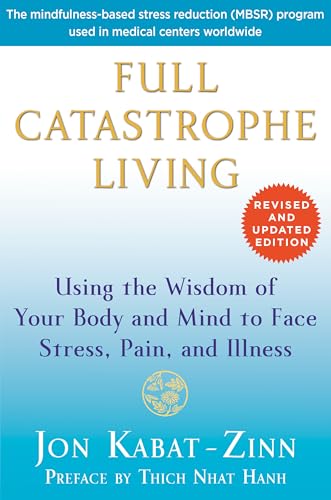
Full Catastrophe Living (Revised Edition): Using the Wisdom of Your Body and Mind to Face Stress, Pain, and Illness: Kabat-Zinn, Jon, Hanh, Thich Nhat

Full Catastrophe Living (Revised Edition): Using the Wisdom of Your Body and Mind to Face Stress, Pain, and Illness: Kabat-Zinn, Jon, Hanh, Thich Nhat

This second edition, building on the first, is sure to become a treasured sourcebook and traveling companion for new generations who seek the wisdom to live full and fulfilling lives.”—Diana Chapman W

Check Price on Amazon

Overall evidence level: moderate, with strong support for stress reduction and depression relapse prevention, and growing evidence for attention, pain, and sleep outcomes.

Personalization, Measurable Outcomes, and Use-Cases

Matching techniques to goals or personality

  • High mental chatter, need for focus: Start with FA or mantra; add brief breathwork primers.
  • Emotional reactivity or self-criticism: Loving-kindness plus OM to observe and soften patterns.
  • Somatic tension or sleep onset issues: Body scan and extended exhale breathing; consider gentle visualization.
  • Restless energy or difficulty sitting: Walking meditation, then short FA intervals.
  • Reflective/insight-oriented personality: OM and metta, with periodic FA to stabilize.

Sample practice plans

  1. Stress reduction (15–20 minutes)
  • 2 minutes physiologic sighs or 4-in/6-out breathing.
  • 10–12 minutes FA on the breath.
  • 3–5 minutes loving-kindness (self, then a loved one).
  • Optional tool: a simple timer or a calm ambient track. Many find a minimal app or a soft bell helpful; choose non-stimulating sounds.
  1. Focus and productivity (12–18 minutes)
  • 1 minute box breathing (4-4-4-4).
  • 10–15 minutes FA with gentle labeling when distracted.
  • 60-second open-eyed transition, noting sights/sounds before starting work.
  • Tip: Repeat a 2-minute micro-FA before meetings.
  1. Sleep wind-down (10–25 minutes)
  • Light dim, devices away. Optional: a comfortable eye mask like Soft Loop Eye Mask to reduce visual input.
  • 2–4 minutes extended exhale (inhale 4, exhale 6–8).
  • 8–15 minutes body scan while lying down; add a calm place visualization if the mind is busy.
  • Some people consider magnesium intake in the evening; research suggests magnesium may support relaxation and sleep quality for certain individuals. If curious, discuss with your clinician and consider a simple option like Magnesium Glycinate Capsules. Not required for effective meditation.

How to know it’s working: simple tracking

  • Weekly check-ins: Rate 0–10 for stress, sleep quality, focus, and mood. Look for trends over 2–4 weeks.
  • Behavioral markers: Fewer reactive emails, easier return to task, less bedtime tossing and turning.
  • Practice metrics: Minutes practiced and days per week (lightly tracked). Consistency predicts outcomes more than any single long session.
  • Optional physiology: If you use an HRV or breath trainer, observe changes in resting breath rate or session-to-session calm, but treat these as secondary to how you feel.

Practical Takeaways

  • Choose one main technique (FA or body scan) and one support technique (OM or loving-kindness). Rotate based on your day’s needs.
  • Prime the nervous system with 1–3 minutes of breathwork, then practice your core method.
  • Sit most days for 8–20 minutes; sprinkle micro-practices before stressors.
  • Personalize posture and environment. Props like a supportive cushion can help, but aren’t mandatory.
  • Expect wandering, restlessness, or sleepiness sometimes. Adjust technique rather than abandoning practice.
  • Use guided sessions early on; progressively add silent sits to build independence.

Disclaimer

This article is for educational purposes and should not replace personalized medical advice. If you have a mental health condition, history of trauma, or experience worsening symptoms during practice, consult a qualified healthcare professional or a trauma-informed meditation teacher.

THORNE - Magnesium Glycinate - Supports Restful Sleep, Muscle Relaxation, Heart Health & Metabolism* - Chelated Magnesium Capsules - Third-Party Certified - Gluten, Dairy & Soy-Free - 90 Servings

THORNE - Magnesium Glycinate - Supports Restful Sleep, Muscle Relaxation, Heart Health & Metabolism* - Chelated Magnesium Capsules - Third-Party Certified - Gluten, Dairy & Soy-Free - 90 Servings

View on Amazon

Health Disclaimer

This content is for informational purposes only and does not constitute medical advice. Always consult a qualified healthcare provider before starting, stopping, or changing any supplement or medication regimen.

You Might Also Like

articles

Guided Meditation for Mental Wellness: Evidence‑Based Techniques, How to Start, and Sample Scripts

Guided Meditation for Mental Wellness: Evidence‑Based Techniques, How to Start, and Sample Scripts. If you’re curious whether guided meditation for mental wellness can actually help with stress, anxiety, mood, and sleep, you’re in the right place. Guided meditation pairs a soothing voice with step‑by‑step instructions, lowering the barrier to practice and making it easier to build a habit. Researc

otopic

Meditation

Meditation. Meditating, Medidation, Meditatiuon. ## Overview **Meditation** is a broad family of mind-body practices that train attention, awareness, and emotional regulation. Although definitions vary across traditions, most forms involve intentionally directing attention—such as to the breath, bodily sensations, a sound, a phrase, or open aware

articles

Yoga Exercises for Mental Clarity: A Practical Guide to Poses, Breathwork, and Short Routines

Yoga Exercises for Mental Clarity: A Practical Guide to Poses, Breathwork, and Short Routines. If you’re feeling scattered, forgetful, or stuck in “mental fog,” yoga exercises for mental clarity can offer practical, evidence‑informed tools to steady attention, lift alertness, and reduce rumination. Mental clarity here means a felt sense of focus, ease in decision‑making, and the ability to sh

articles

Stress Relief with Ayurveda: Dosha‑Based Techniques, Breathing, Diet & Herbal Support

Stress Relief with Ayurveda: Dosha‑Based Techniques, Breathing, Diet & Herbal Support. Feeling wired, tired, or both — and wondering how to calm your system without losing your edge? This guide walks through stress relief techniques from Ayurveda, integrating traditional wisdom with what modern research suggests about breathwork, movement, diet, and herbs. You’ll find dosha‑specific t

articles

Grounding Exercises for Mental Health: Evidence‑Based Techniques to Reduce Anxiety and Improve Mood

Grounding Exercises for Mental Health: Evidence‑Based Techniques to Reduce Anxiety and Improve Mood. If your mind races, your chest tightens, or the world starts to feel unreal, simple grounding exercises for mental health can help you come back to the present moment. Grounding aims to reduce dissociation, manage panic, and interrupt rumination by engaging your senses, breath, movement, and attenti