

Meditation
Also known as: Meditating, Medidation, Meditatiuon
Overview
Meditation is a broad family of mind-body practices that train attention, awareness, and emotional regulation. Although definitions vary across traditions, most forms involve intentionally directing attention—such as to the breath, bodily sensations, a sound, a phrase, or open awareness itself—with the aim of cultivating a clearer, steadier mental state. Contemporary usage often includes mindfulness meditation, focused-attention practices, loving-kindness/compassion meditation, mantra-based practices, and movement-based contemplative practices such as tai chi and qigong. Meditation may be practiced for spiritual development, stress reduction, self-inquiry, or support of overall well-being.
Interest in meditation has grown substantially in clinical care, public health, and neuroscience. In modern health contexts, meditation is commonly discussed as a nonpharmacologic, low-cost, and generally low-risk approach that may support mental and physical health when used appropriately. Research suggests meditation can influence stress physiology, attention networks, emotional reactivity, and subjective well-being. It is also increasingly integrated into structured programs such as Mindfulness-Based Stress Reduction (MBSR) and Mindfulness-Based Cognitive Therapy (MBCT), which have been studied in settings ranging from chronic pain clinics to mental health care.
Meditation is not a single uniform intervention, and this matters when interpreting research. Different techniques may have different goals, mechanisms, and effects. Study quality also varies, with challenges including self-selection, expectancy effects, inconsistent definitions, and differences in training intensity and instructor experience. Even so, a substantial body of literature suggests meditation may be associated with improvements in perceived stress, anxiety symptoms, mood, sleep quality, coping, and quality of life in some populations. Benefits are often modest to moderate rather than dramatic, and they may depend on regular practice and appropriate fit for the individual.
While meditation is widely regarded as safe for many people, it is not universally neutral in all circumstances. Some individuals report difficult experiences during practice, including increased anxiety, emotional discomfort, dissociation, or resurfacing of traumatic material. For this reason, many professional and traditional settings emphasize context, qualified guidance, and consultation with healthcare providers—especially for those with active psychiatric symptoms, trauma histories, or complex medical conditions. In both clinical and traditional systems, meditation is generally framed not as a stand-alone cure, but as one component of a broader approach to health, awareness, and self-regulation.
Medical Perspectives
Two Ways of Seeing Health

Western
scientific · clinical
Western medicine applies science, technology, and clinical experience to treat symptoms through testing, diagnosis, and targeted intervention.

Eastern
traditional · alternative
Eastern medicine focuses on treating the body naturally by applying traditional knowledge practiced for thousands of years, emphasizing balance and whole-person wellness.
Gold Bamboo presents both perspectives side-by-side so you can make informed decisions. We don't advocate for one over the other — your health choices are yours.
Western Medicine Perspective
Western Medicine Perspective
From a conventional medical perspective, meditation is typically understood as a mind-body intervention that may affect health through psychological, behavioral, and physiologic pathways. Researchers have examined its influence on the autonomic nervous system, hypothalamic-pituitary-adrenal (HPA) axis, inflammatory signaling, attention regulation, and brain networks involved in self-referential thinking and emotional processing. Neuroimaging studies suggest meditation training may be associated with functional and structural changes in regions linked to attention, interoception, and emotion regulation, although findings are not always consistent and can be difficult to generalize across techniques.
Clinical research is strongest for meditation-based programs in areas such as stress reduction, anxiety, depression relapse prevention, and chronic pain coping. MBCT has been particularly studied for preventing depressive relapse in people with recurrent depression, while MBSR has been examined across a range of conditions including cancer-related distress, chronic pain, hypertension, and insomnia. Systematic reviews and meta-analyses generally find small-to-moderate benefits for psychological outcomes, with more mixed or preliminary evidence for objective physical health outcomes such as blood pressure, immune markers, and long-term disease endpoints. In conventional care, meditation is often considered an adjunctive supportive modality rather than a replacement for established treatment.
Western medicine also emphasizes limitations and safety considerations. Evidence quality is uneven, blinding is difficult, and some studies compare meditation to inactive controls rather than equally credible active interventions. Clinicians and researchers increasingly acknowledge that meditation can produce challenging experiences in a subset of practitioners, particularly in intensive settings or among vulnerable individuals. As a result, trauma-informed approaches, careful screening, and integration with mental health or medical care are often highlighted when meditation is discussed in healthcare settings.
Eastern & Traditional Perspective
Eastern / Traditional Medicine Perspective
In Buddhist traditions, meditation is a foundational discipline for cultivating awareness, concentration, insight, compassion, and liberation from habitual mental suffering. Practices such as shamatha (calm-abiding), vipassana (insight), and loving-kindness meditation are traditionally embedded within an ethical and philosophical framework rather than treated solely as a symptom-management tool. In this context, emotional calm and mental clarity are seen as outcomes of training the mind, reducing attachment and reactivity, and developing a more direct understanding of experience.
In Traditional Chinese Medicine (TCM), meditative practices are often linked with regulation of qi, calming the shen (spirit or mind), and harmonizing the relationship among organ systems—especially the Heart, Liver, and Kidney systems as they relate to emotional balance, vitality, and restlessness. Practices such as qigong, breath regulation, and seated inner stillness have traditionally been used to support balance, conserve energy, and improve the connection between mind and body. Rather than isolating meditation as a single therapy, TCM generally places it within a broader framework that may include movement, breathing, diet, and seasonal living.
In Ayurveda and related yogic systems, meditation is often understood as part of a larger path that includes breathwork (pranayama), ethical disciplines, posture, and sensory regulation. Traditional teachings describe meditation as helping settle mental fluctuation, supporting sattva (clarity and balance), and improving the relationship between mind, body, and consciousness. Naturopathic and integrative traditions often draw from these lineages, viewing meditation as a tool to support resilience, self-awareness, and the body’s inherent capacity for regulation. Across these systems, meditation is typically individualized, shaped by constitution, life stage, and the practitioner’s goals, and guided by the idea that mental quiet and attentional steadiness can influence broader patterns of health.
Supplements & Products
Recommended Products
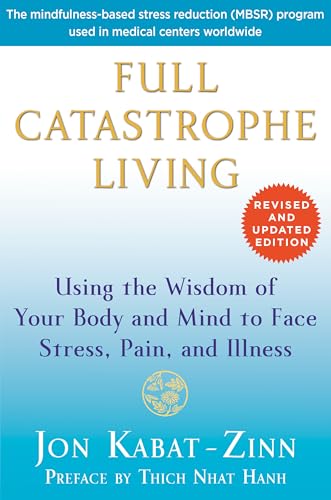
Full Catastrophe Living (Revised Edition): Using the Wisdom of Your Body and Mind to Face Stress, Pain, and Illness: Kabat-Zinn, Jon, Hanh, Thich Nhat
This second edition, building on the first, is sure to become a treasured sourcebook and traveling companion for new generations who seek the wisdom to live full and fulfilling lives.”—Diana Chapman W

Mindful Modern Meditation Cushion & Zabuton Meditation Mat Bundle - 100% Cotton Meditation Cushion Set for Yoga - Buckwheat Crescent Shaped Zafu Floor Pillow Rectangular Mat - Slate Grey Color
Buy Mindful Modern Meditation Cushion & Zabuton Meditation Mat Bundle - <strong>100% Cotton Meditation Cushion Set for Yoga - Buckwheat Crescent Shaped Zafu Floor Pillow Rectangular Mat - Slate Gr

Silent Mind Tibetan Singing Bowl Set – Easy to Play & Beginner Friendly Meditation Bowl with Cushion & Mallet | Stress Relief & Mindfulness | Gift-Ready : Musical Instruments
Buy Silent Mind Tibetan Singing Bowl Set – Easy to Play & Beginner Friendly Meditation Bowl with Cushion & Mallet | Stress Relief & Mindfulness | Gift-Ready: Singing Bowls - Amazon.com ✓ F
Evidence & Sources
Supported by multiple clinical trials and systematic reviews
- National Center for Complementary and Integrative Health (NCCIH)
- JAMA Internal Medicine
- Psychological Bulletin
- Clinical Psychology Review
- The Lancet
- American Heart Association
- World Health Organization (WHO)
- Mindfulness
- JAMA Psychiatry
This content is for informational purposes only and does not constitute medical advice. Always consult a qualified healthcare provider before starting, stopping, or changing any supplement or medication regimen.