Psoas Release Techniques for Relaxation: An Evidence‑Based How‑To Guide
Tight hip flexors? Learn safe, evidence‑informed psoas release techniques for relaxation, pain relief, and better sleep—plus safety tips and when to get help.
·10 min read
This content is for informational purposes only and does not constitute medical advice. Always consult a qualified healthcare provider before starting, stopping, or changing any supplement or medication regimen.
If your hips feel tight, your low back aches after sitting, or stress seems to settle in your belly and pelvis, you might be wondering whether psoas release techniques for relaxation could help. This guide blends western research and eastern practice to explain what the psoas does, why it holds tension, and which approaches are safest and most effective for easing it—without overpromising results.
Meet your psoas: anatomy, function, and why it holds stress
The psoas major is a deep core muscle that runs from the sides of your lower spine (T12–L5) to the inside of your thigh (lesser trochanter). Together with the iliacus, it forms the iliopsoas—your strongest hip flexor. It also helps stabilize the spine and pelvis during standing and walking.
Posture and hip flexion: The psoas lifts the thigh toward the trunk and subtly balances your lumbar spine. When it’s short or overactive, the pelvis may tip forward (anterior tilt), contributing to low back compression and a “tug of war” with the glutes and abdominals.
Relationship to the diaphragm and pelvic floor: The top of the psoas lies close to the crura of the diaphragm, and fascial connections and nerve pathways (including the sympathetic chain) run nearby. This means breathing mechanics and psoas tone can influence each other: restricted, high‑chest breathing may correlate with a braced psoas, while slow diaphragmatic breathing can signal relaxation to deep core tissues. Evidence for a direct mechanical linkage is anatomical (strong), while claims about emotional storage in the psoas are experiential and theoretical (emerging/traditional).
Fight‑or‑flight response: In a startle or stress response, the body tends to flex and guard—hip flexors engage, breath gets shallow, and the nervous system shifts sympathetic. Many somatic traditions describe the psoas as a “brace” muscle during threat. Research supports that slow breathing increases parasympathetic activity and reduces perceived stress (moderate–strong evidence); applying this to specifically “release the psoas” is plausible but indirect (emerging evidence).
Common causes and signs of a tight or overactive psoas
Modern life and certain sports prime the psoas to do too much.
Why the psoas tightens:
Prolonged sitting (hips held in flexion)
Chronic stress or poor sleep (sympathetic arousal)
Repetitive sports emphasizing hip flexion (running, cycling) without posterior chain balance
Core or gluteal underuse; previous low back or hip injury
Scar tissue or abdominal/pelvic surgery (can alter fascial glide)
Typical symptoms and patterns:
Dull ache or tightness in the front of the hip or groin
Low back discomfort, especially with standing or after sitting
Pelvic tension, discomfort with straightening up after sitting, or difficulty lying flat
Restricted breathing or a sensation of “holding” in the abdomen
Fatigue from inefficient posture
Who is most likely to benefit: People with desk jobs, runners and cyclists, new parents frequently lifting/carrying, and anyone navigating high stress may notice improvements with psoas‑friendly relaxation and mobility work. If pain is sharp, radiating, or worsening, seek professional evaluation.
What the research says (and what it doesn’t)
Because the psoas is deep and hard to isolate, few trials test “psoas release” alone. Instead, we look at evidence for components that may influence psoas tone and related symptoms.
Diaphragmatic/slow breathing for relaxation: Multiple clinical studies show slow, diaphragmatic breathing can increase heart rate variability and reduce perceived stress and anxiety (moderate–strong evidence). This likely reduces protective tone in deep core and hip flexor muscles via the parasympathetic nervous system.
Yoga and mindful movement for back/hip comfort: Guidelines and trials support yoga for chronic low back pain and stress reduction (moderate–strong evidence). Many helpful poses are gentle hip openers and restorative postures that indirectly ease the iliopsoas. See our overview of the yoga–pain connection here: Chronic Pain and Yoga.
Stretching and PNF (contract–relax) to improve hip extension: Stretching and proprioceptive neuromuscular facilitation show short‑term increases in range of motion and may reduce muscle stiffness (moderate evidence). Direct psoas targeting is challenging; iliacus and rectus femoris often contribute to perceived “psoas tightness.”
Self‑myofascial release (SMR): Foam rolling and ball‑based SMR can increase short‑term flexibility and reduce delayed‑onset muscle soreness (moderate evidence). Applying firm pressure directly over deep abdominal areas is not advised; more superficial targets (quadriceps, tensor fasciae latae, iliacus from the inside of the pelvic rim) are safer.
Manual therapy and massage: Massage provides short‑term pain relief and relaxation (moderate evidence). For hip flexor patterns, therapists may use myofascial or muscle‑energy techniques; results vary by individual (emerging–moderate evidence). Learn more about modalities in Massage Therapy for Athletes: An Evidence‑Based Guide.
Overall evidence level for “psoas release” as a standalone claim is moderate at best; the strongest data supports breath‑based regulation and whole‑body movement, with emerging evidence for targeted manual strategies.
Psoas release techniques for relaxation: categories and best uses
Rather than a single method, think of a toolkit organized by how it acts on the nervous system and tissues. The goal is comfort, safety, and consistency—not forcing a stretch.
1) Breath‑based and nervous‑system calming approaches (beginner‑friendly)
Diaphragmatic breathing: Slow nasal breathing, with the belly and lower ribs expanding softly, can down‑shift sympathetic arousal. Research suggests 5–6 breaths per minute for 5–10 minutes can improve relaxation metrics (moderate–strong evidence).
Elongated exhale patterns: Gentle ratios such as 4‑in/6‑out or 4‑7‑8 breathing encourage vagal tone. Humming or soft “mmm” on exhale may amplify relaxation via resonance in the airways (emerging–moderate evidence).
Guided meditation/body scan: Pairing awareness of the low belly, pelvis, and hip crease with nonjudgmental attention can reduce guarding. If you’re new to this, see our step‑by‑step options in Guided Meditation for Mental Wellness.
Intended goal: Reduce baseline muscle tone so the psoas “lets go” without aggressive stretching. Best for: Almost everyone, especially if pain is irritable or you feel anxious.
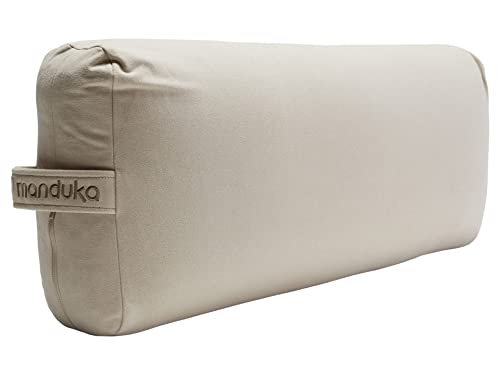
Affiliate note: Many people find a Yoga Bolster Pillow helpful to support comfortable positions during breathwork and restorative poses.
2) Supported stretches and yoga poses (beginner to intermediate)
Focus on comfort and breath—not maximal range. Examples include:
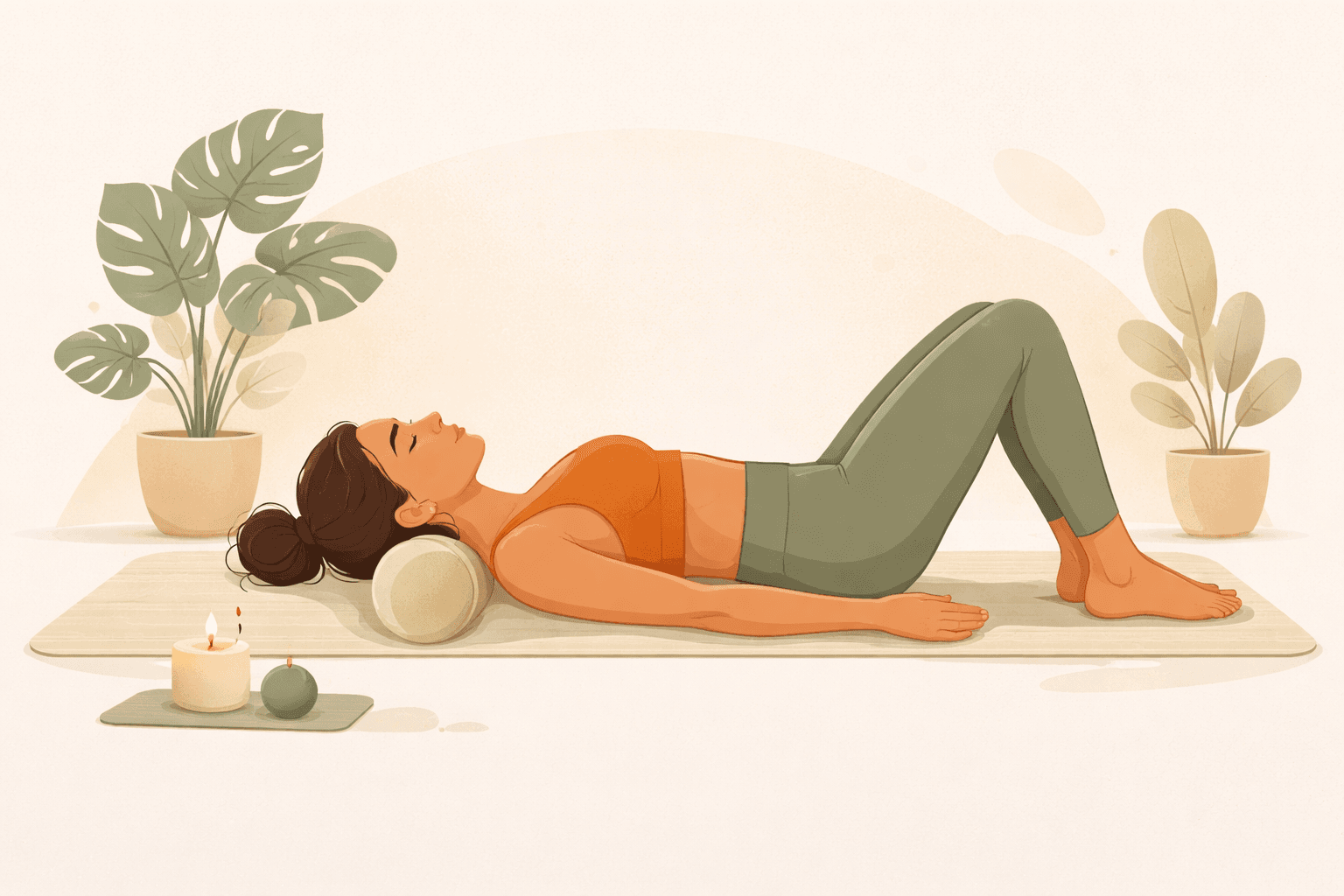
Constructive rest: Lying on your back with calves on a chair or shins on a sofa allows the psoas to rest in a neutral position while the diaphragm and pelvic floor sync. Add a folded blanket under the head for neck comfort.
Supported bridge: A bolster or block under the sacrum provides gentle anterior hip opening without forcing the low back into extension.
Low lunge variations: Short‑stance, padded‑knee lunges with a slight posterior pelvic tilt can lengthen hip flexors. Keep the ribs relaxed and avoid hinging in the low back.
Legs over a bolster or on a wall: A restorative shape that calms the nervous system and reduces hip flexor effort.
Intended goal: Restore hip extension gradually; reduce lumbar compression; improve breathing mechanics. Best for: Desk workers, runners, postpartum individuals (with clearance), and those with mild–moderate tightness. For a bigger picture of how yoga interfaces with pain, visit Chronic Pain and Yoga.
Affiliate note: A High‑Density Foam Roller can double as a gentle prop under the sacrum or thoracic spine for support (not for deep abdominal pressure).
3) Self‑myofascial tools and gentle manual techniques (intermediate; proceed with care)
Because the psoas is deep, direct pressure in the belly is rarely necessary and can be risky without training. Safer self‑targets include:
Quadriceps and TFL (front and outer thigh): Foam rolling these can ease tension that the brain often interprets as “hip flexor tightness.”
Iliacus (inside the front of the pelvic rim): A soft ball against the lower abdominal wall, just inside the hip bone, can be used with tiny movements and slow breathing. Keep pressure light; avoid midline organs and any pulsing sensation.
Gentle traction and glide: Some people find relief by lying prone with a folded towel just below the ASIS (front hip bone) to create a subtle anterior hip opening—if comfortable and breath remains easy.
Intended goal: Improve tissue glide and reduce protective guarding. Best for: Intermediate users familiar with anatomy and willing to keep pressure light and responsive.
Affiliate note: If sleep or overall relaxation is a barrier, some people consider Magnesium Glycinate. Evidence for muscle relaxation is mixed; limited studies suggest it may support sleep quality in individuals with low magnesium. Discuss with a clinician, especially if you have kidney issues or take medications.
4) Professional hands‑on therapies and guided movement/PNF (intermediate to advanced)
Physical therapy and osteopathic approaches: Clinicians may use muscle energy techniques for iliopsoas, hip capsule mobilizations, or neuromuscular re‑education to balance the pelvis and improve hip extension.
Massage and myofascial therapy: Helpful for short‑term pain relief and relaxation, especially when combined with movement retraining (moderate evidence). See modality choices and timing in Massage Therapy for Athletes.
PNF/contract‑relax methods: Gentle isometric hip flexor contractions followed by relaxation can enhance range of motion without forcing end‑range (moderate evidence). These are best learned with a professional.
Intended goal: Personalize the approach, address multiple contributors (hip capsule, rectus femoris, iliacus), and integrate strengthening for lasting results. Best for: Persistent symptoms, complex histories (surgeries, recurrent back pain), or performance goals.
Safety, contraindications, and red flags
Your abdomen and pelvis house vital organs, blood vessels, and nerves. Respect them.
Use caution or obtain medical clearance if you have:
Pregnancy (especially first trimester): Avoid deep abdominal pressure; choose side‑lying or supported positions with gentle ranges.
Recent abdominal, pelvic, or spinal surgery; abdominal hernia; abdominal aortic aneurysm; active GI conditions (IBD flare, severe reflux) — avoid abdominal pressure.
Acute hip flexor strain, labral tear/FAI, or hip replacement — modify or avoid deep lunges and forced extension.
Symptomatic lumbar disc herniation or spinal stenosis — monitor for symptom “centralization vs peripheralization”; avoid positions that worsen radiating pain.
Anticoagulant use, bleeding disorders, severe osteoporosis — avoid deep pressure techniques.
Stop and seek professional care if you experience:
New or worsening numbness/weakness in the legs, saddle anesthesia, or bowel/bladder changes (possible cauda equina — emergency)
Unexplained fever, night sweats, or weight loss with back pain
Severe, sudden groin or abdominal pain; a pulsatile abdominal mass
Signs of DVT (calf swelling, warmth, redness) or shortness of breath
How to modify safely:
Favor breath‑led relaxation and supported positions before any stretch.
Keep stretches mild (3–4/10 intensity), with smooth nasal breathing and no low‑back pinching.
Apply only light, superficial pressure with self‑myofascial tools; avoid midline abdomen and any area that feels sharp, pulsatile, or nauseating.
When in doubt, work with a qualified physical therapist or bodyworker familiar with hip and pelvic conditions.
Practical outcomes and integration: what to expect and how to use this
Realistic timelines:
Immediate: Many notice a sense of calm and reduced guarding within 5–10 minutes of breath‑based work (moderate evidence for relaxation).
Short term (2–4 weeks): With consistent practice (most days), expect gentler hip extension, easier standing after sitting, and modest pain reduction.
Longer term (8–12+ weeks): Combining relaxation, mobility, and strengthening of glutes and deep abdominals often yields more durable comfort and posture changes (moderate evidence for combined programs in low back/hip patterns).
How to weave into your day:
Micro‑breaks: 1–2 minutes of nasal breathing and shoulder/hip shakes after meetings or drives.
Evening wind‑down: 5 minutes of constructive rest, 5 minutes of slow breathing, optional 3–5 minutes of supported bridge. Those exploring mind‑body options can use a brief script from Guided Meditation for Mental Wellness or consider a calming supplement such as Magnesium Glycinate if appropriate.
Training days: After workouts, choose low‑intensity hip openers and light SMR for quads/TFL.
Tracking progress (make it measurable):
Pain and stiffness: 0–10 ratings at morning and evening; note triggers that improve/worsen symptoms.
Hip extension: Photograph a short‑stance lunge on day 1 and weekly; look for more upright torso with comfort.
Breathing rate: Count breaths per minute at rest; many find it drops with practice.
Sit‑to‑stand ease and walking comfort: Quick daily check‑ins.
Magnesium Glycinate: Some people use it in the evening to support overall relaxation and sleep; evidence is mixed and context‑dependent. Consult your clinician.
Practical takeaways
The psoas is a deep stabilizer and hip flexor that interacts with breathing and stress physiology; it often “lets go” better with nervous‑system calming than with force.
Breath‑led relaxation and gentle, supported positions have the best risk‑benefit ratio; stretching works best when it follows relaxation.
Self‑myofascial work should target safer, superficial areas (quads/TFL/iliacus rim) rather than deep belly pressure.
If pain is sharp, radiating, or not improving after a few weeks of thoughtful practice, consult a physical therapist or clinician for tailored assessment.
Disclaimer
This guide is for educational purposes and does not replace personalized medical advice. If you have significant or persistent pain, neurologic symptoms, recent surgery, pregnancy, or medical conditions, seek guidance from a qualified healthcare professional before starting new techniques.
This content is for informational purposes only and does not constitute medical advice. Always consult a qualified healthcare provider before starting, stopping, or changing any supplement or medication regimen.
Benefits of Myofascial Release Therapy: An Evidence‑Based Guide to Uses, What to Expect, and Safety. Many people consider myofascial release when pain, tightness, or limited mobility won’t budge with stretching alone. This guide reviews the benefits of myofascial release therapy, what the research suggests about outcomes, how it may work in the body, who is most likely to benefit, and how to integr
Eastern Wellness Practices for Relaxation: An Evidence‑Based Guide to Yoga, Meditation, Acupuncture, Ayurveda, Tai Chi & Qigong. If stress is running the show, you may be wondering which eastern wellness practices for relaxation are worth your time. Yoga, meditation, acupuncture, Ayurveda, tai chi, and qigong offer time‑tested ways to calm the nervous system. Research suggests many of these practices can reduce perceived stre
Holistic Methods for Pain Relief: An Evidence‑Based Guide to Mind‑Body, Manual, Herbal, and Lifestyle Approaches. If you’re looking for holistic methods for pain relief, you’re likely hoping for options that reduce pain without heavy side effects, help you function better, and respect both body and mind. This guide brings together evidence‑based mind–body practices, movement and manual therapies, acupuncture an
Non‑Invasive Treatments for Pain Relief: An Evidence‑Based Guide. If you’re looking for non-invasive treatments for pain relief, you’re not alone. Many people want options that don’t involve surgery or long-term opioid use. This guide bridges western evidence and time‑tested eastern practices to help you understand what works, for which conditions, and how to use
Herbs to Relieve Muscle Tension: Evidence-Based Remedies, Dosage, Topicals & Safety. If tight, achy muscles are limiting your day, you may be wondering which herbs to relieve muscle tension are actually worth trying. From topical creams that warm and relax tissue to teas and tinctures that calm the nervous system and reduce inflammation, research suggests several botanicals can help
Stress Relief with Ayurveda: Dosha‑Based Techniques, Breathing, Diet & Herbal Support. Feeling wired, tired, or both — and wondering how to calm your system without losing your edge? This guide walks through stress relief techniques from Ayurveda, integrating traditional wisdom with what modern research suggests about breathwork, movement, diet, and herbs. You’ll find dosha‑specific t