

Osteoporosis
Overview
Osteoporosis is a chronic skeletal condition characterized by reduced bone strength, making bones more fragile and more likely to fracture. Bone strength reflects both bone mineral density (BMD) and bone quality, including its internal architecture and turnover. The condition often develops gradually over many years and is frequently called a "silent disease" because bone loss usually causes no symptoms until a fracture occurs. Common fracture sites include the hip, spine, and wrist, and these injuries can have major effects on mobility, independence, and overall health.
Osteoporosis is a major public health issue worldwide, particularly among postmenopausal women and older adults, though it also affects men and younger individuals with certain risk factors. Age-related bone loss, hormonal changes, low body weight, inadequate nutrient intake, smoking, excessive alcohol use, prolonged inactivity, and long-term use of some medications—such as glucocorticoids—are all recognized contributors. Certain endocrine, gastrointestinal, inflammatory, and kidney disorders may also increase risk by affecting bone remodeling or nutrient absorption.
Bone is a living tissue that is constantly renewed through a process called remodeling, in which old bone is broken down and new bone is formed. Osteoporosis develops when bone resorption outpaces bone formation over time. This imbalance may be influenced by declines in estrogen, changes in calcium and vitamin D metabolism, reduced mechanical loading, chronic inflammation, and other systemic factors. In some people, the first sign is a fragility fracture, meaning a fracture that occurs from a fall from standing height or less.
The significance of osteoporosis extends beyond bone density measurements alone. Vertebral fractures may contribute to back pain, height loss, and kyphosis, while hip fractures are associated with reduced function, hospitalization, and increased long-term morbidity. Current understanding emphasizes prevention, early risk assessment, fracture reduction, and support for healthy aging. Because many factors shape bone health across the lifespan, osteoporosis is often approached as a condition influenced by nutrition, physical activity, endocrine status, medication exposure, and overall systemic health.
Compare Treatment Options
Osteoporosis is a chronic skeletal condition in which bone strength declines, making fractures more likely, especially in the hip, spine, and wrist. In western medicine, risk is commonly assessed with bone mineral density (BMD) testing such as a DEXA scan, along with age, prior fracture history, family history, medication exposure, and fall risk. Bone health is dynamic: bone is constantly remodeled, and osteoporosis develops when bone breakdown outpaces bone formation over time. Treatment options vary because osteoporosis is not a one-size-fits-all condition. Some people have low bone density without fractures, while others have already had vertebral compression fractures or are at very high fracture risk. Conventional care often focuses on fracture prevention through exercise, nutrition, fall-risk reduction, and medications that either slow bone resorption or help build new bone. Eastern and integrative approaches may emphasize long-term functional support, mobility, pain reduction, and traditional frameworks around aging, vitality, and musculoskeletal resilience. The best discussion is usually individualized around fracture risk, treatment goals, medication tolerance, and how quickly risk reduction is needed.
View treatment comparison (7 options)Medical Perspectives
Two Ways of Seeing Health

Western
scientific · clinical
Western medicine applies science, technology, and clinical experience to treat symptoms through testing, diagnosis, and targeted intervention.

Eastern
traditional · alternative
Eastern medicine focuses on treating the body naturally by applying traditional knowledge practiced for thousands of years, emphasizing balance and whole-person wellness.
Gold Bamboo presents both perspectives side-by-side so you can make informed decisions. We don't advocate for one over the other — your health choices are yours.
Western Medicine Perspective
Western Medicine Perspective
In conventional medicine, osteoporosis is understood as a disorder of low bone mass and microarchitectural deterioration that leads to increased fracture risk. Diagnosis often relies on dual-energy X-ray absorptiometry (DXA), which measures BMD, along with clinical assessment of risk factors and fracture history. Tools such as FRAX may be used to estimate the 10-year probability of major osteoporotic fracture by combining bone density data with age, sex, prior fractures, smoking status, glucocorticoid exposure, and other variables. Clinicians also consider potential secondary causes such as hyperthyroidism, hypogonadism, malabsorption, chronic kidney disease, inflammatory disorders, and medication effects.
Conventional management focuses on fracture prevention and often includes both nonpharmacologic and pharmacologic strategies. Research supports the importance of adequate calcium and vitamin D status, resistance and weight-bearing exercise, fall-risk reduction, and avoidance of smoking and heavy alcohol use as part of general bone health support. Pharmacologic approaches may include bisphosphonates, denosumab, selective estrogen receptor modulators, parathyroid hormone analogs, romosozumab, and in some cases hormone therapy, depending on fracture risk profile and clinical context. These therapies differ in mechanism, such as reducing bone resorption or stimulating bone formation, and their use is typically individualized.
Western medicine also emphasizes that osteoporosis is not solely a women’s health issue. Men, especially older men and those with low testosterone, chronic illness, or steroid exposure, may be underdiagnosed. Monitoring may include repeat BMD testing, laboratory workup when secondary osteoporosis is suspected, and reassessment after fractures. Overall, the conventional framework is strongly shaped by epidemiologic data, fracture outcomes, and randomized trials evaluating how various interventions affect BMD and fracture incidence.
Eastern & Traditional Perspective
Eastern and Traditional Medicine Perspective
In Traditional Chinese Medicine (TCM), osteoporosis is often interpreted through patterns involving Kidney deficiency, since the Kidneys are traditionally said to "govern the bones." Additional contributing patterns may include Liver blood deficiency, Spleen qi deficiency, and blood stasis, particularly when weakness, fatigue, poor digestion, chronic pain, or age-related decline are present. From this perspective, reduced bone resilience may reflect a broader loss of constitutional vitality and impaired nourishment of the musculoskeletal system rather than a bone-specific disease process alone.
Traditional East Asian approaches may involve herbal formulas, acupuncture, movement practices such as tai chi or qigong, and dietary therapy, with the goal of supporting systemic balance, mobility, and healthy aging. Some herbs traditionally used for bone and joint support—such as those categorized as Kidney-tonifying botanicals—have attracted modern research interest for potential effects on bone metabolism, though the quality and consistency of evidence vary. Tai chi has also been studied for its possible role in balance, fall prevention, and musculoskeletal function, which may be relevant in the broader context of fracture risk.
In Ayurveda, osteoporosis is often discussed in relation to asthi dhatu (bone tissue) and may be associated with aggravation of vata dosha, especially with aging, low body mass, dryness, and tissue depletion. Traditional Ayurvedic thinking often frames bone weakness as part of a systemic pattern involving digestion, nourishment, tissue metabolism, and vitality. Approaches may include individualized dietary measures, herbal preparations, oil therapies, and gentle strengthening practices, though modern clinical evidence for many of these interventions remains limited.
Naturopathic and integrative frameworks often combine conventional bone health principles with broader attention to nutritional status, digestion, inflammation, hormonal transitions, physical function, and stress physiology. While some complementary approaches may help support quality of life, mobility, or fall prevention, their role in preventing osteoporotic fractures is generally less established than that of standard diagnostic tools and approved medical therapies. As with any chronic condition involving fracture risk, coordination with qualified healthcare professionals is important when evaluating complementary options.
Related Topics
Arthritis
Arthritis — condition topic in the Gold Bamboo health ontology.
Hyperthyroidism
Hyperthyroidism — condition topic in the Gold Bamboo health ontology.
Menopause
Menopause — condition topic in the Gold Bamboo health ontology.
How They Relate
Arthritis & Osteoporosis
Arthritis (an umbrella term that includes inflammatory types such as rheumatoid arthritis and non‑inflammatory types such as osteoarthritis) and osteoporosis frequently intersect in mid‑ to late‑li...
Osteoporosis & Hyperthyroidism
Osteoporosis and hyperthyroidism intersect through a clear biological pathway: excess thyroid hormone (T3/T4) accelerates the bone remodeling cycle, tipping it toward net bone loss. Thyroid hormone...
Osteoporosis & Menopause
Osteoporosis and menopause are tightly linked through estrogen decline. Estrogen normally restrains bone resorption; when it falls at menopause, bone turnover accelerates and net loss ensues. Up to...
Supplements & Products
Recommended Products
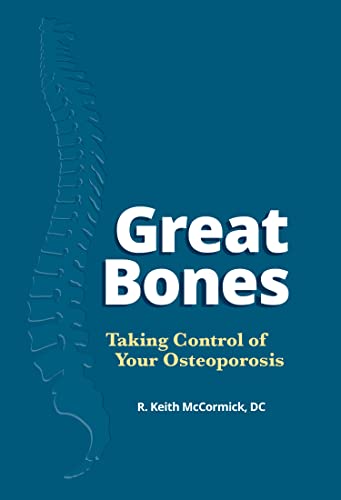
Great Bones - Taking Control of Your Osteoporosis: R. Keith Mccormick
If you're a patient suffering from bone loss, Dr. McCormick <strong>helps you take control of your osteoporosis</strong>; if you're a doctor, he lays out the most up-to date science so you c
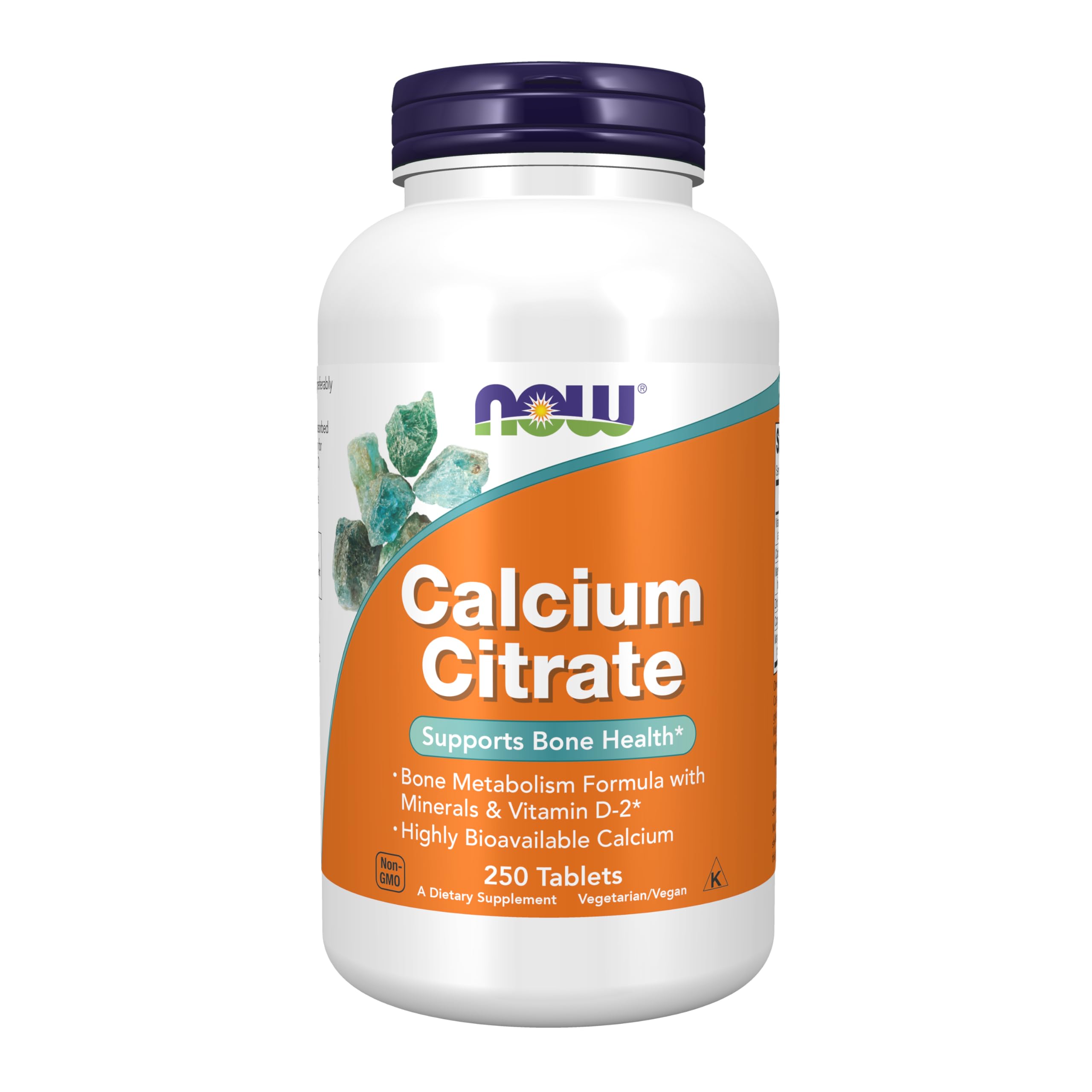
NOW Foods Supplements, Calcium & Magnesium Citrate Powder with Vitamin D3, Supports Bone Health*, 8-Ounce
Citrate Powder with Vitamin D3 1:1 Mineral Ratio Enhanced Mixability NOW® Calcium & Magnesium Citrate Powder with Vitamin D3 is <strong>an optimal bone structure support formula designed by NOW&#x

AIREX Balance Board Stability Trainer for Balance, Stretching, Physical Therapy, Exercise, Mobility, Rehabilitation and Core Training Non-Slip Closed Cell Foam Premium Balance Board
ProsourceFit Exercise Balance Pad, Non-Slip Cushioned Foam Mat & Knee Pad for Fitness and Stability Training, Yoga, Physical Therapy ... Yes4All Balance Pad, Nonslip TPE Foam Balance Pad with Upgr
Evidence & Sources
Supported by multiple clinical trials and systematic reviews
- National Institutes of Health (NIH) Osteoporosis and Related Bone Diseases National Resource Center
- National Osteoporosis Foundation / Bone Health and Osteoporosis Foundation
- World Health Organization (WHO)
- Journal of Bone and Mineral Research
- Osteoporosis International
- The Lancet Diabetes & Endocrinology
- National Institute for Health and Care Excellence (NICE)
- National Center for Complementary and Integrative Health (NCCIH)
This content is for informational purposes only and does not constitute medical advice. Always consult a qualified healthcare provider before starting, stopping, or changing any supplement or medication regimen.