

Hyperthyroidism
Overview
Hyperthyroidism is a condition in which the thyroid gland produces and releases excessive amounts of thyroid hormone, leading to an accelerated metabolic state. The thyroid, a butterfly-shaped gland located in the neck, regulates many core body functions including heart rate, energy production, temperature regulation, digestion, and aspects of mood and menstrual health. When thyroid hormone levels become too high, these systems may become overstimulated, resulting in a wide range of symptoms such as unintended weight loss, palpitations, heat intolerance, tremor, anxiety, sleep disturbance, frequent bowel movements, and muscle weakness. In some people, symptoms develop gradually; in others, they may appear more abruptly.
Several disorders can cause hyperthyroidism. Graves’ disease is the most common cause in many populations and is an autoimmune condition in which antibodies stimulate the thyroid to overproduce hormone. Other causes include toxic multinodular goiter, toxic adenoma, various forms of thyroiditis that release preformed hormone, excess iodine exposure, and overreplacement with thyroid hormone medication. Although hyperthyroidism can occur at any age, it is more common in women and may be associated with family history, autoimmune disease, pregnancy-related immune changes, and in some cases smoking, particularly in relation to thyroid eye disease.
The condition is clinically important because untreated hyperthyroidism may affect multiple organ systems. Research and clinical experience indicate that persistent excess thyroid hormone can contribute to atrial fibrillation and other heart rhythm disturbances, reduced bone density, menstrual irregularities, fertility challenges, and, in severe cases, thyroid storm, a rare but life-threatening state of extreme hormone excess. Graves’ disease may also involve thyroid eye disease, with symptoms such as eye irritation, bulging, double vision, or visual complications. Because symptoms may overlap with anxiety disorders, menopause, cardiac conditions, or gastrointestinal disorders, proper evaluation is important.
From a diagnostic standpoint, hyperthyroidism is typically identified through a combination of clinical assessment and laboratory testing, especially thyroid-stimulating hormone (TSH) and free thyroxine (free T4), with or without triiodothyronine (T3). Additional testing may include thyroid antibodies, radioactive iodine uptake, ultrasound, or other imaging depending on the suspected cause. While many cases respond well to established therapies, the best management approach depends on the underlying etiology, age, symptom burden, pregnancy status, cardiac risk, and whether eye involvement is present. Consultation with qualified healthcare professionals is important for individualized assessment and monitoring.
Medical Perspectives
Two Ways of Seeing Health

Western
scientific · clinical
Western medicine applies science, technology, and clinical experience to treat symptoms through testing, diagnosis, and targeted intervention.

Eastern
traditional · alternative
Eastern medicine focuses on treating the body naturally by applying traditional knowledge practiced for thousands of years, emphasizing balance and whole-person wellness.
Gold Bamboo presents both perspectives side-by-side so you can make informed decisions. We don't advocate for one over the other — your health choices are yours.
Western Medicine Perspective
Western / Conventional Medicine Perspective
In conventional medicine, hyperthyroidism is understood as a disorder of excess thyroid hormone synthesis, release, or exposure. The diagnostic framework focuses first on confirming biochemical hyperthyroidism—typically a suppressed TSH with elevated free T4 and/or T3—and then identifying the cause. Graves’ disease is often distinguished by the presence of TSH receptor antibodies, diffuse uptake on nuclear imaging, and sometimes a characteristic goiter or eye findings. Thyroiditis, by contrast, often reflects inflammatory release of stored hormone rather than increased synthesis, and radioactive iodine uptake is usually low. This distinction matters because the underlying mechanism influences treatment strategy and prognosis.
Conventional management generally includes several categories of care. Symptom control may involve beta-adrenergic blockade to reduce palpitations, tremor, and adrenergic symptoms. Definitive or disease-modifying approaches may include antithyroid medications such as methimazole or, in selected circumstances, propylthiouracil; radioactive iodine therapy; or thyroid surgery. Studies and guideline-based care indicate that each approach has distinct benefits and limitations related to relapse risk, pregnancy considerations, adverse effects, goiter size, cancer suspicion, and patient preference. In Graves’ disease with orbitopathy, smoking status, eye involvement, and endocrine follow-up are particularly relevant.
Monitoring is a central part of conventional care because thyroid hormone levels can shift over time, and both undertreatment and overtreatment have consequences. Clinicians may also assess complications such as arrhythmia, heart failure risk, bone loss, and effects on reproductive health. Special populations—including older adults, pregnant patients, and people with significant cardiovascular disease—often require more nuanced evaluation. From an evidence standpoint, the conventional understanding and management of hyperthyroidism are well established, supported by endocrinology guidelines, long-term cohort data, and extensive clinical experience.
Eastern & Traditional Perspective
Eastern / Traditional Medicine Perspective
In Traditional Chinese Medicine (TCM), hyperthyroid-type presentations are not defined by thyroid hormone laboratory criteria, but rather interpreted through patterns of imbalance. Practitioners may describe symptom clusters resembling hyperthyroidism in terms such as Liver yang rising, Liver fire, phlegm accumulation, yin deficiency with empty heat, or Heart and Kidney disharmony, depending on the person’s constitution and symptom pattern. Palpitations, irritability, heat sensations, insomnia, tremor, neck swelling, and eye symptoms may be understood as manifestations of internal heat, deficiency, stagnation, or phlegm. Traditional assessment emphasizes the whole pattern, including tongue and pulse findings, digestion, sleep, emotional stress, and constitutional tendencies.
Within Ayurveda, symptoms associated with hyperthyroidism may be viewed through the lens of aggravated pitta and, in some cases, vata involvement, especially where weight loss, restlessness, heat, rapid pulse, irritability, and disturbed sleep are prominent. The Ayurvedic framework generally considers digestion, metabolic fire, tissue depletion, stress, and systemic balance rather than a single gland in isolation. Naturopathic and integrative traditions may also discuss hyperthyroidism in the context of stress physiology, inflammatory balance, nutrient status, and individualized constitutional care, while still recognizing the importance of conventional diagnosis and monitoring.
Traditional and integrative approaches may include dietary frameworks, mind-body practices, acupuncture, herbal traditions, and constitutional assessment. However, the evidence base for these approaches in confirmed hyperthyroidism is more limited and heterogeneous than for conventional treatment. Some small studies suggest acupuncture or integrative symptom-management strategies may have supportive roles for quality of life, stress, or associated symptoms, but current research does not establish traditional therapies as replacements for standard endocrine evaluation. Because excessive thyroid hormone can lead to serious complications, an integrative approach is generally discussed in the context of coordination with licensed healthcare professionals, especially when laboratory abnormalities, heart symptoms, pregnancy, or eye involvement are present.
Related Topics
Osteoporosis
Osteoporosis — condition topic in the Gold Bamboo health ontology.
How They Relate
Osteoporosis & Hyperthyroidism
Osteoporosis and hyperthyroidism intersect through a clear biological pathway: excess thyroid hormone (T3/T4) accelerates the bone remodeling cycle, tipping it toward net bone loss. Thyroid hormone...
Supplements & Products
Recommended Products
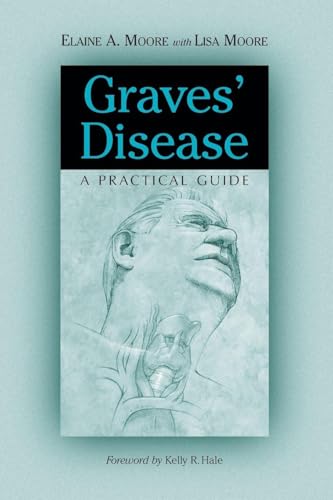
Graves' Disease: A Practical Guide (McFarland Health Topics): Moore, Elaine A.
Elaine A. Moore ... Graves' Disease, <strong>a common form of hyperthyroidism characterized by a goiter and often a slight protrusion of the eyeballs</strong>, currently affects approximately 200
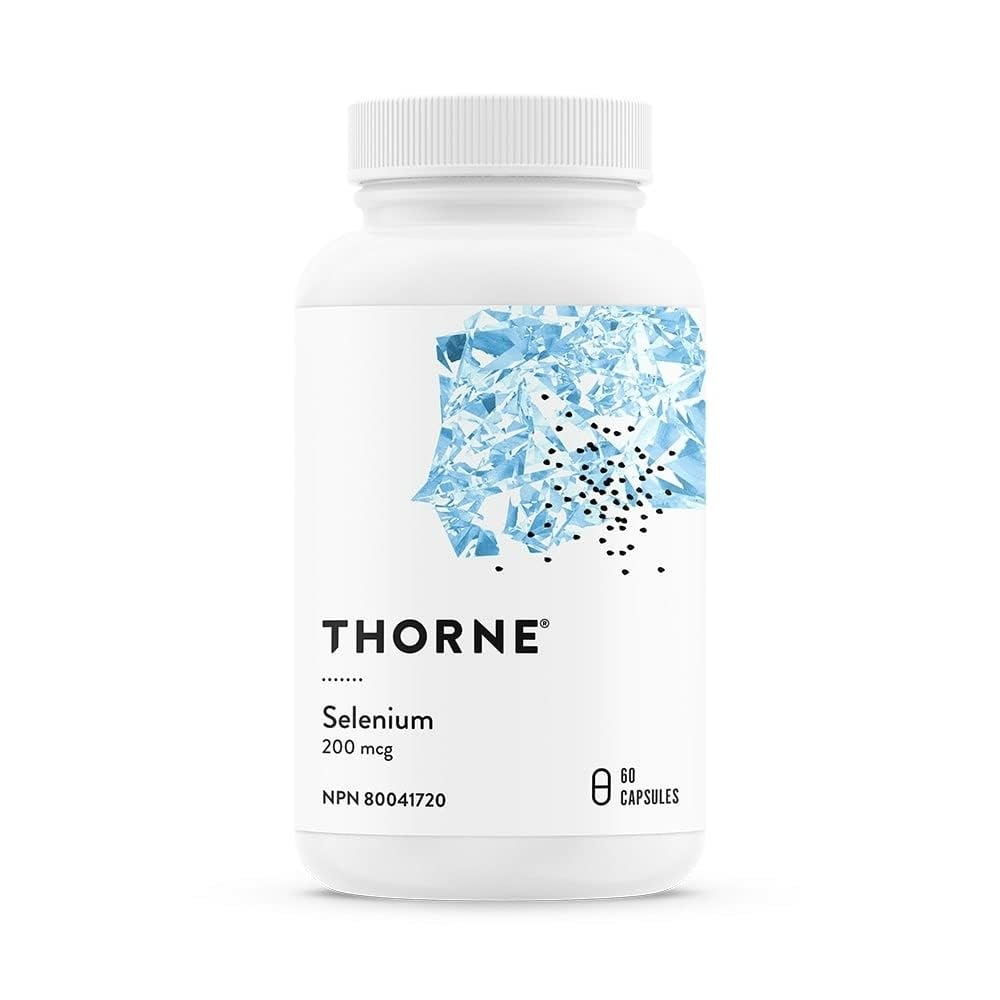
THORNE - Selenium - 200 mcg Selenium Supplement for Antioxidant Support* - 60 Capsules : Everything Else
One Capsule Contains: Selenium (as L-Selenomethionine) 200 mcg.

NOW Foods Supplements, L-Carnitine 1,000 mg, Purest Form, Amino Acid, Fitness Support*, 100 Tablets
Buy NOW Foods Supplements, L-Carnitine 1,000 mg, Purest Form, Amino Acid, Fitness Support*, 100 Tablets on Amazon.com ✓ FREE SHIPPING on qualified orders
Evidence & Sources
Supported by multiple clinical trials and systematic reviews
- American Thyroid Association
- European Thyroid Journal
- Endocrine Reviews
- National Institute of Diabetes and Digestive and Kidney Diseases (NIDDK)
- National Institute of Diabetes and Digestive and Kidney Diseases — Graves’ Disease
- New England Journal of Medicine
- The Lancet
- NCCIH (National Center for Complementary and Integrative Health)
This content is for informational purposes only and does not constitute medical advice. Always consult a qualified healthcare provider before starting, stopping, or changing any supplement or medication regimen.