

Arthritis and Osteoporosis
Arthritis (an umbrella term that includes inflammatory types such as rheumatoid arthritis and non‑inflammatory types such as osteoarthritis) and osteoporosis frequently intersect in mid‑ to late‑life health. Their relationship is bidirectional and mediated by age, sex hormones, inflammation, medications, physical inactivity, pain, and fall risk. Inflammatory arthritis (especially rheumatoid arthritis, RA) is strongly linked to low bone mineral density (BMD) and fractures: systemic cytokine activity (TNF, IL‑6) accelerates osteoclast‑driven bone resorption, and long‑term systemic glucocorticoids compound bone loss. By contrast, osteoarthritis (OA) often presents with higher areal BMD at certain sites, yet OA‑related pain, gait impairment, and sarcopenia can increase falls and fractures; subchondral bone quality may also be compromised despite higher BMD. Mechanistically, chronic inflammation up‑regulates RANKL and suppresses osteoblast function, while menopause‑related estrogen decline removes restraints on bone resorption and may also influence joint tissues. Reduced mobility from painful joints hastens deconditioning and bone loss. Shared lifestyle contributors—smoking, low vitamin D/calcium intake, and inactivity—further elevate risk. Clinically, people with RA have a substantially higher risk of vertebral and non‑vertebral fractures compared with the general population, even after accounting for BMD, and should be screened and treated for osteoporosis proactively, especially when glucocorticoids are used. In OA, fracture risk varies by site and phenotype; comprehensive fall‑prevention, strength and balance training, and addressing sarcopenia are central. Overlap in management is practical: progressive resistance and weight‑bearing exercise improves pain and function in OA and helps maintain or increase BMD; balance training and tai chi reduce falls; adequate protein, calcium, and vitamin D support bone and muscle health; smoking cessation and limiting excess
Updated September 8, 2026This content is for informational purposes only and does not constitute medical advice. Always consult a qualified healthcare provider before starting, stopping, or changing any supplement or medication regimen.
Shared Risk Factors
Advancing age
Strong EvidenceAge-related decline in bone remodeling and increased prevalence of joint degeneration and inflammatory disease.
Female sex and postmenopausal estrogen decline
Strong EvidenceLoss of estrogen accelerates bone resorption and may affect cartilage and pain pathways.
Systemic inflammation (e.g., RA cytokines: TNF, IL‑6)
Strong EvidenceInflammatory mediators increase RANKL and osteoclast activation; suppress osteoblasts.
Chronic glucocorticoid therapy
Strong EvidenceSteroids decrease bone formation, increase resorption, and impair calcium handling.
Physical inactivity and immobility
Strong EvidenceDisuse leads to rapid bone loss and muscle atrophy; deconditioning worsens joint stability.
Low vitamin D and inadequate calcium intake
Strong EvidenceImpaired mineralization and secondary hyperparathyroidism; potential effects on pain if deficient.
Smoking
Strong EvidenceNicotine and toxins impair bone cells and may worsen autoimmune activity.
Alcohol excess
Moderate EvidenceToxic to osteoblasts, increases falls; pro-inflammatory effects.
Low BMI / undernutrition
Strong EvidenceLess mechanical loading on bone and reduced substrate for bone/muscle maintenance.
Diabetes (especially type 2) and metabolic dysfunction
Moderate EvidenceAlters bone material properties via AGEs; contributes to OA via metabolic/inflammatory pathways.
Sarcopenia and poor balance
Strong EvidenceLoss of muscle mass/strength increases joint load and fall risk.
Obesity (divergent effects)
Moderate EvidenceIncreases mechanical joint load but increases areal BMD via loading; adipokines may be pro-inflammatory.
Comorbidity Data
Prevalence
Osteoporosis and/or fragility fractures are significantly more common in rheumatoid arthritis (RA) than in the general population; vertebral fracture risk is roughly doubled. In osteoarthritis (OA), areal BMD is often higher, but fracture risk varies by site and fall propensity.
Mechanistic Link
In RA and other inflammatory arthritides, TNF and IL‑6 increase RANKL-mediated osteoclastogenesis and suppress osteoblasts, driving systemic bone loss; chronic glucocorticoids amplify this. In OA, pain-driven inactivity, altered gait, subchondral bone changes, and sarcopenia increase fall and fracture risk despite higher BMD at some sites.
Clinical Implications
Screen all adults with inflammatory arthritis—especially those on systemic steroids—for osteoporosis with FRAX ± DXA per guidelines. In OA, prioritize fall-risk assessment, strength/balance training, and sarcopenia management. Coordinate care to minimize glucocorticoid exposure, optimize DMARD/biologic control of inflammation, and implement bone-protective therapy when indicated.
Sources (4)
- Xue AL et al. Medicine (Baltimore). 2016;95(7):e2853.
- Van Staa TP et al. Lancet. 2000;355(9213):1757-1762.
- Schett G, Gravallese EM. Nat Rev Rheumatol. 2012;8(3):146-156.
- NOF Clinician’s Guide. Osteoporos Int. 2022 update.
Overlapping Treatments
Progressive resistance and weight-bearing exercise
Strong EvidenceImproves pain, stiffness, and function in OA; supports joint stability in arthritis.
Maintains/increases BMD and reduces fracture risk; combats sarcopenia.
Tailor to joint tolerance; avoid high-impact during acute flares or with very low BMD until conditioned.
Balance training and tai chi
Moderate EvidenceReduces pain and improves function in knee OA; enhances proprioception.
Reduces falls and may indirectly reduce fractures; emerging effects on BMD.
Consistency matters; combine with strength training for maximal benefit.
Adequate protein, calcium, and vitamin D (correct deficiency)
Strong EvidenceSupports muscle mass and may reduce pain if vitamin D deficient.
Improves bone health; calcium+vitamin D reduce fractures in high-risk/deficient groups.
Avoid excessive calcium; target serum 25(OH)D per guidelines; limited direct analgesic effect in OA when not deficient.
Smoking cessation and alcohol moderation
Moderate EvidenceReduces RA risk/severity; overall anti-inflammatory benefits.
Improves BMD trajectory and lowers fracture risk; fewer falls with moderated alcohol.
Behavior change support often required.
Glucocorticoid-sparing arthritis management (optimize DMARDs/biologics)
Strong EvidenceBetter disease control with fewer steroid-related adverse effects.
Reduces steroid-induced bone loss and fracture risk; inflammation control also protects bone.
Monitor infection risk and labs per agent; coordinate with bone-protective therapy when needed.
Denosumab (RANKL inhibitor) when osteoporosis therapy is indicated
Moderate EvidenceEvidence shows reduced progression of RA erosions when added to standard care (not an analgesic).
Potent antiresorptive that increases BMD and reduces fractures.
Hypocalcemia risk; rebound bone loss if stopped without transition to another antiresorptive.
Hip/knee-friendly aerobic activity (walking, cycling, aquatics)
Moderate EvidenceMaintains mobility and reduces OA pain with low joint impact.
Supports bone and muscle health; improves balance and reduces fall risk.
Combine with resistance/balance work; low-impact alone may not maximize BMD gains.
Fall-risk assessment and home/environmental modifications
Strong EvidenceLessens injury risk from instability or joint buckling.
Key strategy to prevent fragility fractures regardless of BMD.
Include vision, footwear, medications review (e.g., sedatives), and assistive devices as needed.
Medical Perspectives
Two Ways of Seeing Health

Western
scientific · clinical
Western medicine applies science, technology, and clinical experience to treat symptoms through testing, diagnosis, and targeted intervention.
Surgeons · Pharmaceuticals · Clinical trials · Diagnostics 
Eastern
traditional · alternative
Eastern medicine focuses on treating the body naturally by applying traditional knowledge practiced for thousands of years, emphasizing balance and whole-person wellness.
Acupuncture · Herbal medicine · Yoga · Meditation
Gold Bamboo presents both perspectives side-by-side so you can make informed decisions. We don't advocate for one over the other — your health choices are yours.
Two Ways of Seeing Health
Western
scientific · clinical
Western medicine applies science, technology, and clinical experience to treat symptoms through testing, diagnosis, and targeted intervention.
Eastern
traditional · alternative
Eastern medicine focuses on treating the body naturally by applying traditional knowledge practiced for thousands of years, emphasizing balance and whole-person wellness.
Gold Bamboo presents both perspectives side-by-side so you can make informed decisions. We don't advocate for one over the other — your health choices are yours.
Western Perspective
From a Western clinical standpoint, inflammatory arthritis—especially rheumatoid arthritis—substantially increases osteoporosis and fracture risk via systemic cytokine-driven bone resorption and frequent glucocorticoid exposure. OA, while often accompanied by higher areal BMD, carries fracture risk through pain-related inactivity, impaired gait, and falls. Management emphasizes identifying high-risk arthritis subgroups, minimizing steroid exposure, aggressively treating inflammation, and implementing evidence-based bone protection and fall prevention.
Key Insights
- RA approximately doubles vertebral fracture risk; non-vertebral fracture risk is also elevated independent of BMD.
- Glucocorticoid-induced osteoporosis is common, dose-dependent, and preventable with timely assessment and therapy.
- OA’s relationship with BMD is paradoxical: higher areal BMD at some sites but potential bone quality deficits and higher fall risk.
- Exercise (resistance + balance) is disease-modifying for function in OA and protective for bone in both conditions.
- Denosumab treats osteoporosis and also reduces radiographic erosions in RA; bisphosphonates treat osteoporosis but generally do not modify OA pain or structure.
Treatments
- DXA/FRAX screening for patients with inflammatory arthritis and for anyone meeting age/risk thresholds.
- Steroid-sparing regimens: optimize csDMARDs/biologics; use the lowest effective glucocorticoid dose for the shortest time.
- Initiate antiresorptives (bisphosphonates, denosumab) or anabolics (teriparatide, abaloparatide, romosozumab) per osteoporosis criteria.
- Structured exercise: resistance, weight-bearing, and balance training; physical therapy for joint-protective mechanics.
- Calcium and vitamin D repletion; adequate dietary protein; lifestyle risk reduction (stop smoking, limit alcohol).
- Comprehensive fall-prevention, including home safety and medication review.
Deep Dive
Arthritis and osteoporosis intersect through shared demographics and pathophysiology but differ by subtype. Inflammatory arthritis, typified by ... Arthritis and osteoporosis intersect through shared demographics and pathophysiology but differ by subtype. Inflammatory arthritis, typified by rheumatoid arthritis (RA), drives systemic bone loss. Proinflammatory cytokines (TNF, IL‑1, IL‑6) increase RANKL, tipping remodeling toward osteoclast activity while suppressing osteoblasts. Long-term systemic glucocorticoids, still used for flares, further reduce bone formation and calcium balance, producing glucocorticoid-induced osteoporosis. Observational cohorts and meta-analyses show higher vertebral and non-vertebral fracture rates in RA independent of BMD. Clinical implications are clear: assess fracture risk early (FRAX, DXA), initiate antiresorptive or anabolic therapy when indicated, correct vitamin D and calcium, and prioritize steroid-sparing control of inflammation with csDMARDs and biologics. Notably, denosumab, a RANKL inhibitor, treats osteoporosis and also slows radiographic erosion progression in RA, though it does not relieve pain or replace DMARDs. For osteoarthritis (OA), the relationship is more nuanced. Many OA cohorts have higher areal BMD at the hip or spine, yet OA-related pain, malalignment, and slower gait heighten fall risk, and changes in subchondral bone may compromise quality. Hence, fractures can still occur at increased rates in specific OA phenotypes despite higher BMD. The most impactful shared interventions are movement-based: progressive resistance and weight-bearing exercises improve OA pain and function and help maintain or increase BMD; balance and tai chi reduce falls. Nutritional optimization (adequate protein, vitamin D/calcium), smoking cessation, and alcohol moderation support both joint and bone health. Comprehensive fall-prevention—including home safety, medication review, vision and footwear optimization—is critical, especially when joint instability or neuropathy is present.
Sources
- Xue AL et al. Medicine (Baltimore). 2016;95(7):e2853.
- Buckley L et al. 2022 ACR Guideline for GIOP. Arthritis Care Res. 2022.
- Van Staa TP et al. Lancet. 2000;355:1757-1762.
- Howe TE et al. Cochrane Database Syst Rev. 2011;(7):CD000333.
- Kameda H et al.; Cohen SB et al. Arthritis Rheum. 2008;58:1299-1309.
- Zhu Z et al. Arthritis Res Ther. 2013;15:R54.
Eastern Perspective
In Traditional Chinese Medicine (TCM), many arthritis patterns fall under Bi syndrome (painful obstruction due to wind, cold, damp), while osteoporosis reflects Deficiency—especially of Kidney essence (the Kidney ‘governs bones’) and Liver Blood, sometimes compounded by Phlegm and Stasis. The two conditions co-occur when chronic Bi and aging/menopause deplete Kidney Jing/ Yin/Yang, weakening bones and joints. Treatment aims to dispel pathogenic factors in early/acute phases and to tonify Kidney/Liver, strengthen sinews and bones, and improve qi-blood circulation in chronic disease.
Key Insights
- Kidney deficiency links bone fragility and chronic joint degeneration in TCM theory.
- Du Huo Ji Sheng Tang is commonly used for chronic wind‑damp‑cold Bi with Liver-Kidney deficiency (typical in older adults with OA).
- Formulas/herbs that ‘tonify Kidney and strengthen bone’ (e.g., Du Zhong, Xu Duan, Gou Ji) are used for osteoporosis patterns.
- Acupuncture and moxibustion regulate pain pathways and can improve balance and function; tai chi/qigong build strength and stability, reducing falls.
- Modern trials support tai chi for knee OA symptoms and for fall prevention; evidence for direct BMD improvement from acupuncture/herbs is emerging and mixed.
Treatments
- Acupuncture for knee/hip OA pain and function (e.g., points ST35, GB34, SP9, BL23, KI3, GB39); adjunct for balance.
- Herbal approaches individualized to pattern: Du Huo Ji Sheng Tang; Liu Wei Di Huang Wan or You Gui Wan variants for Kidney yin/yang deficiency; bone‑tonifying herbs (Du Zhong, Xu Duan).
- Moxibustion and warming techniques for cold-damp Bi.
- Tai chi and qigong for strength, proprioception, and fall reduction; gentle weight-bearing consistent with pattern.
- Dietary therapy emphasizing adequate protein, mineral-rich foods, and anti-damp/anti-phlegm choices.
Deep Dive
Traditional Chinese Medicine views arthritis (Bi syndrome) and osteoporosis (Kidney deficiency patterns) as linked manifestations of aging and d... Traditional Chinese Medicine views arthritis (Bi syndrome) and osteoporosis (Kidney deficiency patterns) as linked manifestations of aging and depletion, often compounded by external pathogenic factors (wind, cold, damp) and blood/qi stagnation. Chronic pain and stiffness reflect obstruction; bone fragility reflects insufficient Kidney essence and Liver Blood, leading to weakened bones and sinews. Treatment generally transitions from dispersing pathogenic factors in early or flaring phases to tonifying Kidney/Liver and invigorating qi-blood in chronic stages. Practical applications with growing modern evidence include acupuncture for knee OA pain and stiffness, and tai chi/qigong to build leg strength and balance, thereby lowering fall risk in older adults with weak bones. Herbal strategies such as Du Huo Ji Sheng Tang for chronic cold‑damp Bi with deficiency, and Kidney‑tonifying formulas (e.g., Liu Wei Di Huang Wan variants with bone-strengthening herbs like Du Zhong, Xu Duan) are used to address both joint and bone deficiency patterns. Contemporary trials suggest modest symptomatic benefits from acupuncture in OA and meaningful fall reduction from tai chi; evidence for direct increases in BMD from acupuncture or classic herbal formulas remains preliminary. Safety and quality control (herb-drug interactions, sourcing) are essential, and integrative care works best when TCM therapies complement guideline-based screening, exercise, nutrition, and pharmacologic bone protection where indicated.
Sources
- Wang C et al. Ann Intern Med. 2016;165:77-86 (tai chi for knee OA).
- Vickers AJ et al. Arch Intern Med. 2012;172:1444-1453 (acupuncture individual patient data meta-analysis).
- Huang ZG et al. Osteoporos Int. 2017;28:2303-2313 (tai chi reduces falls).
- Zhang ND et al. J Ethnopharmacol. 2018;215:1-17 (TCM for osteoporosis review).
Evidence Ratings
RA is associated with a substantially increased fracture risk, especially vertebral fractures.
Xue AL et al. Medicine (Baltimore). 2016;95(7):e2853.
Systemic glucocorticoids cause dose-dependent bone loss and increase fracture risk.
Van Staa TP et al. Lancet. 2000;355:1757-1762; ACR GIOP Guideline 2022.
Progressive resistance and weight-bearing exercise improves OA symptoms and helps maintain or increase BMD.
Howe TE et al. Cochrane 2011; multiple OA exercise meta-analyses.
OA often shows higher areal BMD but fracture risk is influenced by falls and bone quality.
Zhu Z et al. Arthritis Res Ther. 2013;15:R54.
Denosumab treats osteoporosis and reduces radiographic progression of erosions in RA when added to DMARDs.
Cohen SB et al. Arthritis Rheum. 2008;58:1299-1309.
Vitamin D supplementation does not meaningfully improve OA pain in replete individuals.
McAlindon TE et al. JAMA. 2013;309:155-162.
Tai chi reduces pain and improves function in knee OA and reduces falls in older adults.
Wang C et al. Ann Intern Med. 2016;165:77-86; Huang ZG et al. Osteoporos Int. 2017;28:2303-2313.
Bisphosphonates are effective for osteoporosis but have not shown consistent benefit on OA pain or structure.
Vaysbrot EE et al. Osteoarthritis Cartilage. 2018;26:154-164.
Sources
- Xue AL, Wu ZY, Ding X, et al. Risk of fracture in rheumatoid arthritis: A meta-analysis. Medicine (Baltimore). 2016;95(7):e2853.
- Van Staa TP, Leufkens HGM, Abenhaim L, et al. Use of oral corticosteroids and risk of fractures. Lancet. 2000;355(9213):1757-1762.
- Buckley L, Guyatt G, Fink HA, et al. 2022 American College of Rheumatology Guideline for the Prevention and Treatment of Glucocorticoid-Induced Osteoporosis. Arthritis Care Res (Hoboken). 2022.
- Schett G, Gravallese EM. Bone erosion in rheumatoid arthritis: mechanisms, diagnosis and treatment. Nat Rev Rheumatol. 2012;8(3):146-156.
- Howe TE, Shea B, Dawson LJ, et al. Exercise for preventing and treating osteoporosis in postmenopausal women. Cochrane Database Syst Rev. 2011;(7):CD000333.
- Wang C, Schmid CH, Hibberd PL, et al. Tai Chi versus Physical Therapy for Knee Osteoarthritis. Ann Intern Med. 2016;165(2):77-86.
- Huang ZG, Feng YH, Li YH, Lv CS. Systematic review and meta-analysis: Tai Chi for preventing falls in older adults. Osteoporos Int. 2017;28:2303-2313.
- Vickers AJ, Cronin AM, Maschino AC, et al. Acupuncture for chronic pain: an individual patient data meta-analysis. Arch Intern Med. 2012;172:1444-1453.
- Zhu Z, Jiang Y, Xu C, et al. Osteoarthritis and risk of fractures: a meta-analysis of observational studies. Arthritis Res Ther. 2013;15:R54.
- Cohen SB, Dore RK, Lane NE, et al. Denosumab treatment effects on structural damage, bone mineral density, and bone turnover in rheumatoid arthritis. Arthritis Rheum. 2008;58(5):1299-1309.
- McAlindon TE, LaValley MP, Harvey WF, et al. Effect of Vitamin D Supplementation on Knee Osteoarthritis. JAMA. 2013;309(2):155-162.
- National Osteoporosis Foundation. Clinician’s Guide to Prevention and Treatment of Osteoporosis. Osteoporos Int. 2022 update.
Related Topics
Recommended Products
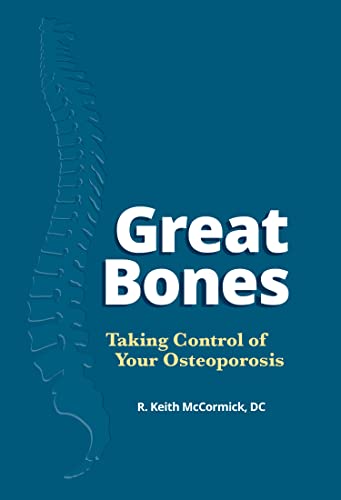
Great Bones - Taking Control of Your Osteoporosis: R. Keith Mccormick
If you're a patient suffering from bone loss, Dr. McCormick <strong>helps you take control of your osteoporosis</strong>; if you're a doctor, he lays out the most up-to date science so you c
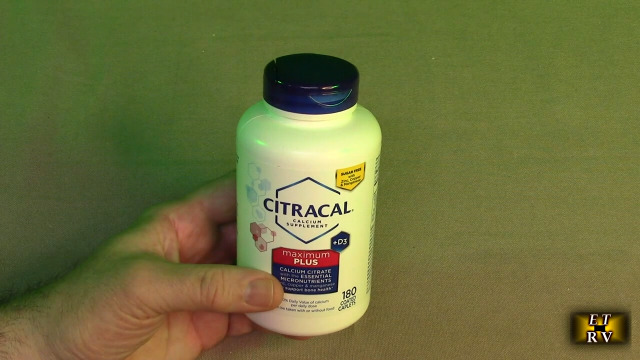
Citracal Maximum Plus Calcium Supplement - Calcium Citrate with Vitamin D3, Zinc, & Essential Minerals for Bone Health Support, Ages 12+, 180 Count (Packaging May Vary)
<strong>Each serving provides 650 mg of calcium citrate, 25 mcg (1000 IU) of vitamin D3</strong>, and key micronutrients like zinc, copper, and manganese to help support bone health* and defy bone agi
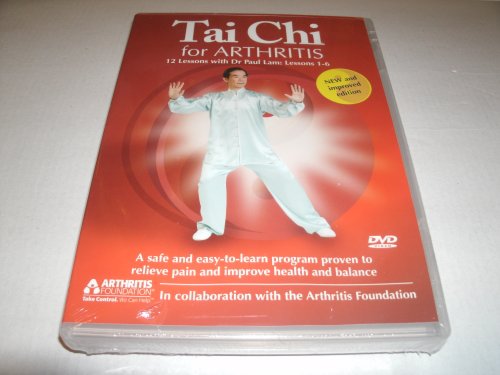
Tai Chi for Arthritis - 12 Lessons with Dr. Paul Lam : Dr. Paul Lam, Dr. Paul Lam: Movies & TV
After a brief introduction of what Tai Chi for Arthritis is and how this DVD can benefit you, Dr Lam will teach you with step-by-step instructions, lead you to practice and explain the reason behind e
Health Disclaimer
This content is for informational purposes only and does not constitute medical advice. Always consult a qualified healthcare provider before starting, stopping, or changing any supplement or medication regimen.