

Arthritis
Arthritis Overview
Arthritis is an umbrella term for a group of conditions that cause joint pain, stiffness, swelling, and reduced mobility. It is not a single disease but a broad category that includes osteoarthritis, rheumatoid arthritis, psoriatic arthritis, gout, ankylosing spondylitis, juvenile idiopathic arthritis, and other inflammatory or degenerative joint disorders. Some forms primarily involve wear-and-tear changes in cartilage and bone, while others are driven by autoimmune activity, crystal deposition, infection, or systemic inflammation. Because these conditions differ in cause and progression, the term “arthritis” can refer to very different clinical experiences.
Arthritis is one of the most common causes of chronic pain and physical disability worldwide. Its prevalence increases with age, but it can affect children, young adults, and middle-aged adults as well, particularly in autoimmune forms. Beyond joint symptoms, arthritis may influence sleep, mood, work capacity, cardiovascular health, and quality of life. In inflammatory diseases such as rheumatoid arthritis and psoriatic arthritis, the process may also affect skin, eyes, lungs, blood vessels, and other organs, making early recognition especially important.
Common symptoms include aching or sharp joint pain, morning stiffness, warmth, swelling, limited range of motion, creaking, and fatigue. Symptom patterns can offer clues: for example, osteoarthritis often worsens with use and is associated with gradual structural degeneration, while inflammatory arthritis may cause prolonged morning stiffness, visible swelling, and fluctuating “flares.” Gout classically causes episodes of sudden, intense pain, often in the big toe, due to urate crystal deposition. These distinctions matter because evaluation and long-term management differ by subtype.
Research suggests that arthritis develops through an interaction of genetics, immune regulation, biomechanics, age-related tissue change, prior injury, body weight, metabolic factors, and environmental triggers. Conventional medicine classifies arthritis according to underlying mechanism and uses imaging, laboratory testing, and clinical examination to define the diagnosis. Traditional medical systems, while using different language and frameworks, often interpret arthritis through patterns involving circulatory stagnation, constitutional imbalance, dampness, cold, heat, or depletion. Across systems, a common theme is that arthritis is multifactorial, chronic for many people, and best understood in the context of the whole person rather than the joint alone.
Compare Treatment Options
Osteoarthritis (OA) is the most common form of arthritis and a frequent cause of joint pain, stiffness, reduced mobility, and activity limitation. It most often affects the knees, hips, hands, and spine. In Western medicine, OA is understood as a whole-joint disorder involving cartilage breakdown, remodeling of the underlying bone, low-grade inflammation, and changes in ligaments, synovium, and surrounding muscles. Symptoms and progression vary widely: some people mainly experience stiffness after inactivity, while others develop persistent pain, swelling, and meaningful loss of function. Treatment options vary because OA is not a single uniform problem. The affected joint, symptom severity, body weight, prior injury, functional goals, pace of progression, and tolerance for medication or procedures all influence what may be considered. Gold Bamboo’s related content on Arthritis, Joint Pain, and the East-vs-West comparison for Osteoarthritis (OA) highlights that care often combines strategies rather than relying on one intervention alone. Research generally supports exercise-based rehabilitation and weight management as foundational approaches, while medications, injections, acupuncture, tai chi, topical therapies, braces, and surgery may have a role depending on pain level, disability, and urgency.
View treatment comparison (7 options)Medical Perspectives
Two Ways of Seeing Health

Western
scientific · clinical
Western medicine applies science, technology, and clinical experience to treat symptoms through testing, diagnosis, and targeted intervention.

Eastern
traditional · alternative
Eastern medicine focuses on treating the body naturally by applying traditional knowledge practiced for thousands of years, emphasizing balance and whole-person wellness.
Gold Bamboo presents both perspectives side-by-side so you can make informed decisions. We don't advocate for one over the other — your health choices are yours.
Western Medicine Perspective
Western / Conventional Medicine Perspective
In conventional medicine, arthritis is understood as a set of disorders involving joint structure, inflammation, immune dysfunction, and pain signaling. The two broad categories are degenerative arthritis, especially osteoarthritis, and inflammatory arthritis, such as rheumatoid arthritis, psoriatic arthritis, and ankylosing spondylitis. Osteoarthritis is associated with progressive changes in cartilage, subchondral bone, synovium, ligaments, and surrounding muscles, rather than simple “wear and tear” alone. Inflammatory arthritides are driven by immune pathways involving cytokines such as TNF-alpha, IL-6, and IL-17, which contribute to synovial inflammation and joint damage.
Diagnosis generally relies on history, physical examination, imaging, and laboratory studies, depending on the suspected subtype. X-rays, ultrasound, or MRI may help identify cartilage loss, erosions, joint space narrowing, inflammation, or structural damage. Blood tests may include inflammatory markers and autoimmune markers such as rheumatoid factor, anti-CCP antibodies, uric acid, ESR, and CRP, though interpretation depends on the broader clinical picture. Conventional care also considers related risks such as cardiovascular disease, osteoporosis, infection risk, depression, and impaired function, especially in systemic inflammatory conditions.
Management in western medicine is typically framed around symptom control, preservation of function, reduction of inflammation, and slowing of disease progression where possible. Studies indicate that treatment approaches may include physical therapy, exercise-based rehabilitation, weight management strategies, assistive devices, anti-inflammatory medications, analgesics, corticosteroids, disease-modifying antirheumatic drugs (DMARDs), biologic therapies, urate-lowering therapy for gout, and surgery in selected cases. The therapeutic goal varies by condition: osteoarthritis care often emphasizes function and pain reduction, while rheumatoid arthritis and related diseases may focus on suppressing immune-mediated damage early to improve long-term outcomes.
A key principle in conventional medicine is that not all arthritis is the same, and delays in identifying inflammatory disease can affect prognosis. For that reason, persistent joint swelling, prolonged morning stiffness, rapidly worsening symptoms, or signs of systemic illness are typically treated as clinically significant findings that warrant professional evaluation. Research also increasingly recognizes arthritis as a whole-body health issue, shaped by sleep, mental health, metabolic status, physical activity, and social determinants of health.
Eastern & Traditional Perspective
Eastern / Traditional Medicine Perspective
In Traditional Chinese Medicine (TCM), arthritis-like conditions are often discussed under the concept of Bi syndrome, a pattern traditionally associated with obstruction in the channels and collaterals leading to pain, stiffness, heaviness, numbness, or limited movement. These patterns may be attributed to the influence of wind, cold, damp, or heat, often interacting with underlying weakness in Qi, Blood, Liver, or Kidney systems. For example, joints that feel heavy and swollen may be interpreted through a damp pattern, while fixed severe pain may be associated with cold obstruction, and red, hot, inflamed joints may be viewed as heat-related. TCM assessment typically focuses on the pattern of symptoms, tongue and pulse findings, affected channels, and the person’s broader constitution rather than the disease label alone.
Traditional East Asian approaches have historically used acupuncture, moxibustion, manual therapies, movement practices such as tai chi or qigong, and multi-herb formulas to address arthritis patterns. Modern research suggests that some of these approaches, especially acupuncture and tai chi, may help certain individuals with pain, stiffness, and function, particularly in osteoarthritis, though study quality varies and effects are often modest. Herbal medicine has a long history of use in traditional systems, but formulations differ widely, and clinical evidence is less standardized than for conventional pharmacology.
In Ayurveda, arthritis may be interpreted through several categories, often involving vata imbalance, impaired digestion and metabolism, and the accumulation of ama (often described as toxic or improperly processed metabolic residue) in the joints. Osteoarthritis-like presentations are often compared with Sandhivata, while inflammatory patterns may be discussed in relation to Amavata. Traditional Ayurvedic strategies may include dietary frameworks, bodywork, herbal preparations, oil-based external therapies, and individualized lifestyle measures intended to reduce stiffness, improve circulation, and restore systemic balance.
In naturopathic and integrative medicine, arthritis is often viewed as a condition shaped by inflammation, tissue stress, gut-immune interactions, metabolic health, and lifestyle factors. These systems may emphasize anti-inflammatory dietary patterns, mind-body practices, physical rehabilitation, botanical medicine, and supportive self-management. Evidence remains mixed across modalities, and product quality, herb-drug interactions, and variation in practitioner training are important considerations. A balanced integrative perspective generally recognizes that traditional approaches may play a supportive role for some people, while diagnosis and monitoring by qualified healthcare professionals remain important, especially when inflammatory arthritis or progressive joint damage is a concern.
Related Topics
Osteoporosis
Osteoporosis — condition topic in the Gold Bamboo health ontology.
How They Relate
Arthritis & Osteoporosis
Arthritis (an umbrella term that includes inflammatory types such as rheumatoid arthritis and non‑inflammatory types such as osteoarthritis) and osteoporosis frequently intersect in mid‑ to late‑li...
Supplements & Products
Recommended Products
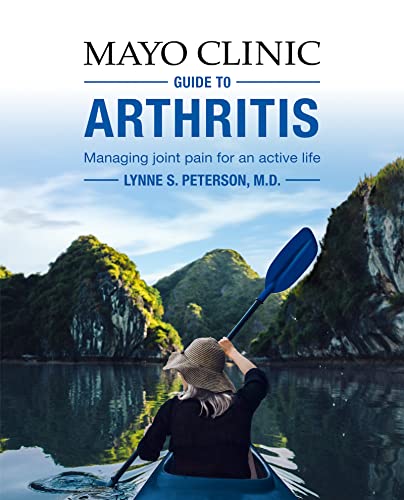
Mayo Clinic Guide to Arthritis: Managing Joint Pain for an Active Life: Peterson M.D., Lynne S.
Lynne S. Peterson ... From the rheumatology experts at Mayo Clinic comes <strong>a complete guide on arthritis</strong>.
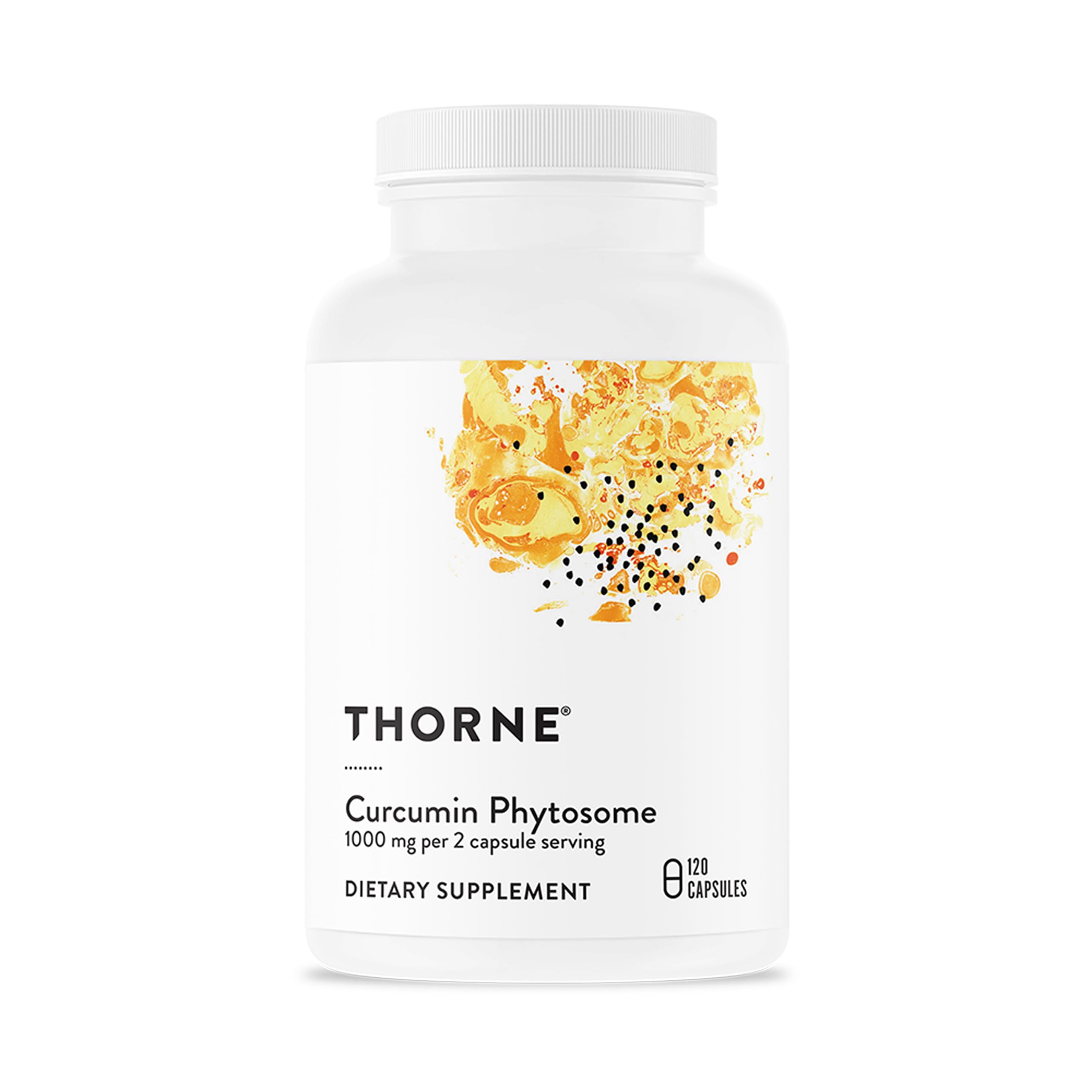
THORNE - Curcumin Phytosome 1000 mg (Meriva) - Clinically Studied, High Absorption - Supports Healthy Inflammatory Response in Joints, Muscles, GI Tract, Liver, Brain & Nerves* - 30 Servings
THORNE - Curcumin Phytosome 500 mg (Meriva) - Sustained Release, Clinically Studied - <strong>Supports Healthy Inflammatory Response in Joints, Muscles, GI Tract, Liver, Brain & Nerves</strong>* -

Doctor's BEST Glucosamine Chondroitin MSM - Joint Health Support Supplement for Women & Men, Nutritional Support for Joint Strength, Hair, Skin, & Nails, Gluten Free, Non GMO - 240 Capsules
Doctor's Best Glucosamine Chondroitin Msm with OptiMSM Capsules, Joint Support Supplement Supports Healthy Joint Structure, Function & Comfort, Non-GMO, Gluten Free, Soy Free, 360 Count
Evidence & Sources
Promising research with growing clinical support from multiple studies
- Centers for Disease Control and Prevention (CDC)
- National Institute of Arthritis and Musculoskeletal and Skin Diseases (NIAMS)
- American College of Rheumatology
- Osteoarthritis and Cartilage
- Arthritis & Rheumatology
- Annals of the Rheumatic Diseases
- Cochrane Database of Systematic Reviews
- National Center for Complementary and Integrative Health (NCCIH)
- World Health Organization (WHO)
- The Lancet
This content is for informational purposes only and does not constitute medical advice. Always consult a qualified healthcare provider before starting, stopping, or changing any supplement or medication regimen.