

Menopause
Overview
Menopause is the natural life stage marking the end of menstrual cycles, defined retrospectively after 12 consecutive months without a period not explained by another medical cause. It most often occurs between ages 45 and 55, though timing varies by genetics, smoking status, medical history, surgery, and certain treatments. The years leading up to menopause, often called perimenopause or the menopausal transition, may involve fluctuating hormone levels and changes in cycle length, bleeding patterns, sleep, mood, and body temperature regulation. Menopause may also occur earlier because of ovarian insufficiency, surgery, chemotherapy, radiation, or other health conditions.
From a public health and quality-of-life perspective, menopause is significant because it can affect vasomotor symptoms such as hot flashes and night sweats, sleep quality, sexual health, energy, cognition, mood, bone density, and cardiovascular risk factors. Some people experience relatively mild symptoms, while others have substantial disruption in daily function, work, relationships, and overall well-being. The experience is also shaped by culture, diet, stress, environment, and expectations surrounding aging and reproductive health.
Biologically, menopause reflects a decline in ovarian follicular activity and reduced production of estrogen and progesterone, with corresponding changes in pituitary hormones such as follicle-stimulating hormone (FSH). These hormonal shifts influence multiple tissues, including the brain, bones, blood vessels, skin, and the genitourinary tract. As a result, common features may include irregular periods, hot flashes, vaginal dryness, urinary symptoms, changes in libido, joint discomfort, and altered body composition. Long-term health considerations often include bone loss and fracture risk, along with shifts in cardiometabolic health.
Menopause is not a disease in itself, but it is a major physiologic transition that may overlap with other medical conditions. Because symptoms can resemble thyroid disease, depression, sleep disorders, anemia, medication effects, or gynecologic disorders, careful evaluation is often important when the presentation is unclear. A balanced understanding recognizes both the normality of menopause as a life phase and the reality that some symptoms merit medical assessment and supportive care. In integrative health discussions, menopause is often approached through both symptom management and broader support for healthy aging, resilience, and quality of life.
Compare Treatment Options
Menopause symptoms refer to the cluster of physical, sleep-related, cognitive, urogenital, and emotional changes that can occur during the menopausal transition and after the final menstrual period. Common symptoms include hot flashes, night sweats, sleep disruption, vaginal dryness, mood changes, brain fog, and changes in sexual comfort or desire. Symptom patterns vary widely: some people experience mainly vasomotor symptoms such as hot flashes, while others are more affected by sleep disruption, genitourinary symptoms, or mood changes. Treatment options vary because menopause is a normal life stage rather than a single disease, and symptoms are influenced by age, time since the final menstrual period, medical history, personal goals, and tolerance for risk. In Gold Bamboo's broader menopause content, this overlaps with related topics such as Menopause, Hot Flashes, and Hormone Replacement Therapy. Research suggests that some approaches, especially menopausal hormone therapy for appropriate candidates, are among the most effective for vasomotor symptoms, while nonhormonal medicines, mind-body approaches, acupuncture, and selected herbal strategies may be relevant depending on symptom profile, contraindications, and personal preference.
View treatment comparison (7 options)Medical Perspectives
Two Ways of Seeing Health

Western
scientific · clinical
Western medicine applies science, technology, and clinical experience to treat symptoms through testing, diagnosis, and targeted intervention.

Eastern
traditional · alternative
Eastern medicine focuses on treating the body naturally by applying traditional knowledge practiced for thousands of years, emphasizing balance and whole-person wellness.
Gold Bamboo presents both perspectives side-by-side so you can make informed decisions. We don't advocate for one over the other — your health choices are yours.
Western Medicine Perspective
Western / Conventional Medicine Perspective
In conventional medicine, menopause is understood primarily as an endocrine and reproductive transition associated with ovarian aging and declining estrogen production. Diagnosis is often clinical in the appropriate age range, especially when menstrual periods have ceased for 12 months and classic symptoms are present. Laboratory testing is not always necessary in typical cases, though clinicians may investigate other causes when menopause occurs early, symptoms are atypical, or bleeding patterns raise concern. Conventional evaluation may also consider bone health, cardiovascular risk, sleep disturbance, mood changes, and genitourinary symptoms.
Common symptoms addressed in western care include hot flashes, night sweats, vaginal dryness, painful intercourse, sleep disruption, mood symptoms, and changes in urinary or sexual function. Research supports several evidence-based approaches for symptom relief, with the strongest data generally involving menopausal hormone therapy for appropriate candidates, especially for vasomotor symptoms and genitourinary syndrome of menopause. Nonhormonal options may also be considered in certain contexts, including selected antidepressants, gabapentin, clonidine, and other symptom-targeted measures. For vaginal symptoms, local therapies are often discussed separately from systemic therapies. The appropriateness of any intervention depends on medical history, age, time since menopause, and individual risk factors.
Conventional medicine also emphasizes the longer-term health effects of estrogen decline. Bone density reduction accelerates after menopause, increasing risk for osteoporosis and fractures. Cardiovascular risk factors may change during midlife, although menopause itself interacts with aging, body composition, blood pressure, lipids, and lifestyle patterns. As a result, western care often frames menopause not only as symptom management but also as an opportunity to assess preventive health needs. Clinical guidance generally encourages individualized discussion with qualified healthcare professionals, particularly for persistent symptoms, abnormal bleeding, early menopause, or questions about risks and benefits of therapy.
Eastern & Traditional Perspective
Eastern / Traditional Medicine Perspective
In Traditional Chinese Medicine (TCM), menopause is often viewed less as a single disease entity and more as a transition involving shifts in the body's core energies, commonly interpreted through patterns such as Kidney yin deficiency, Kidney yang deficiency, Liver qi stagnation, or disharmony between the Heart and Kidney. Symptoms like hot flashes, night sweats, irritability, insomnia, palpitations, and dryness may be understood as different manifestations of imbalance rather than as isolated complaints. TCM approaches have traditionally included individualized herbal formulas, acupuncture, dietary adjustment, and lifestyle practices aimed at restoring systemic balance rather than only suppressing symptoms.
In Ayurveda, menopause may be interpreted through the changing influence of the doshas, especially fluctuations involving vata and pitta. Hot flashes and irritability are sometimes associated with pitta aggravation, while anxiety, insomnia, dryness, and irregularity may be framed through vata imbalance. Ayurvedic traditions have historically used herbal preparations, oils, meditation, yoga, breathing practices, and digestive support as part of a broader approach to this life stage. Naturopathic and other traditional systems similarly tend to emphasize stress regulation, sleep quality, nutrition, movement, and whole-person support during hormonal transition.
The evidence base for eastern and traditional approaches is mixed and still developing. Some studies suggest acupuncture may help reduce vasomotor symptoms or improve sleep and quality of life for some individuals, though results vary and study quality is inconsistent. Botanical therapies frequently discussed in integrative menopause care—such as black cohosh, phytoestrogen-containing herbs, or traditional formulas—have been studied with variable findings, and product quality, dosing differences, and safety considerations remain important limitations. Because herbal products can interact with medications or be unsuitable in hormone-sensitive conditions, traditional approaches are best understood within the context of individualized care and informed discussion with licensed practitioners and healthcare providers.
Related Topics
Osteoporosis
Osteoporosis — condition topic in the Gold Bamboo health ontology.
How They Relate
Osteoporosis & Menopause
Osteoporosis and menopause are tightly linked through estrogen decline. Estrogen normally restrains bone resorption; when it falls at menopause, bone turnover accelerates and net loss ensues. Up to...
Supplements & Products
Recommended Products
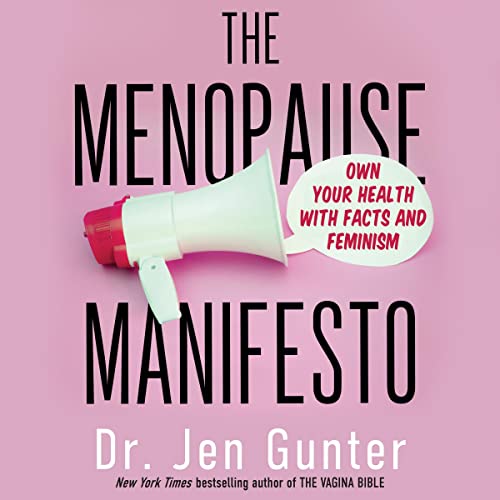
The Menopause Manifesto: Own Your Health with Facts and Feminism: Dr. Jen Gunter
She <strong>writes about the intersection of women's health, sex, science, and pop culture for the New York Times</strong>. She has been called a fierce advocate for women's health, Twitter&

Nature's Way Soy Isoflavones, Menopause Symptom Relief Support*, 100mg of Soybean Extract Per Serving, 60 Vegan Capsules
Carlyle Soy Isoflavones for Women and Men 1500mg | 200 Capsules | Non-GMO, Gluten Free Extract Supplement221 ... NOW Foods Supplements, Soy Isoflavones, 60 mg (Plant Compounds Particularly Concentrate

Good Clean Love Rehydrate Ultra Moisturizing Vaginal Gel with Hyaluronic Acid, pH-Balanced Vaginal Moisturizer, Water-Based Feminine Care, Long Lasting Relief from Dryness & Discomfort, 2 Oz
NO MORE DRYNESS: Rehydrate Ultra Moisturizing Gel is <strong>scientifically formulated with key ingredient Hyaluronic Acid to instantly deliver & retain moisture and provide long-lasting dryness r
Evidence & Sources
Promising research with growing clinical support from multiple studies
- North American Menopause Society (The Menopause Society)
- American College of Obstetricians and Gynecologists (ACOG)
- National Institute on Aging (NIA)
- National Center for Complementary and Integrative Health (NCCIH)
- World Health Organization (WHO)
- The Lancet
- JAMA
- Maturitas
- Menopause
- Cochrane Reviews
This content is for informational purposes only and does not constitute medical advice. Always consult a qualified healthcare provider before starting, stopping, or changing any supplement or medication regimen.