

Osteoporosis and Menopause
Osteoporosis and menopause are tightly linked through estrogen decline. Estrogen normally restrains bone resorption; when it falls at menopause, bone turnover accelerates and net loss ensues. Up to about one-fifth of a woman’s lifetime bone loss can occur within the first 5–7 years after the final menstrual period, making the menopausal transition a pivotal window for prevention. Postmenopausal osteoporosis is common: roughly one in five U.S. women aged 50 and older meets bone density criteria, and about one in two will experience an osteoporotic fracture in her lifetime. Mechanistically, estrogen deficiency increases RANKL and inflammatory cytokines (for example, IL‑6), promotes osteoclast formation, and reduces osteoprotegerin, tilting remodeling toward resorption. Menopause also brings changes—sarcopenia, sleep disruption, thermoregulatory symptoms—that can raise fall risk and indirectly raise fracture risk. Shared risk factors include age, female sex, family history, low body weight, smoking, high alcohol intake, inactivity, glucocorticoid exposure, early or surgical menopause, and low calcium/vitamin D status. Evidence-based care integrates screening, lifestyle, and pharmacotherapy. Western guidelines recommend bone density (DXA) for all women at 65 and older and for younger postmenopausal women with elevated fracture risk. Weight-bearing and resistance exercise, adequate protein, smoking cessation, and alcohol moderation support bone and overall menopausal health; balance training and tai chi reduce falls. Most organizations advise targeting about 1,200 mg/day total calcium from diet plus supplements as needed and 800–1,000 IU/day of vitamin D for women over 50, especially when using osteoporosis medicines; routine low-dose Ca/D alone does not clearly prevent fractures in community-dwelling women. Menopausal hormone therapy (estrogen with progestogen if the uterus is present; estrogen alone if not) reliably relieves vasomotor and genitourinary symptoms and,
Updated September 8, 2026This content is for informational purposes only and does not constitute medical advice. Always consult a qualified healthcare provider before starting, stopping, or changing any supplement or medication regimen.
Shared Risk Factors
Age and female sex
Strong EvidencePeak risk period begins after the menopausal transition; advancing age compounds cumulative bone loss and fracture risk.
Estrogen deficiency
Strong EvidenceLoss of ovarian estrogen increases osteoclastogenesis via RANKL/IL-6 and decreases osteoprotegerin, accelerating bone resorption.
Low BMI/lean body mass
Moderate EvidenceLower fat and muscle reduce skeletal loading and estrogen production; sarcopenia raises fall risk.
Smoking
Strong EvidenceNicotine/toxins impair osteoblasts, increase resorption, advance menopause by ~1–2 years.
Alcohol (excess)
Moderate EvidenceHigh intake harms bone formation and increases falls; moderate intake may be neutral to slightly protective for BMD but can worsen hot flashes for some.
Physical inactivity
Strong EvidenceReduced mechanical loading and muscle strength; poorer balance.
Low calcium/vitamin D status
Strong EvidenceInadequate substrate for mineralization; secondary hyperparathyroidism with low vitamin D.
Glucocorticoid exposure
Strong EvidenceExogenous or endogenous glucocorticoids accelerate bone resorption and reduce formation; may alter HPO axis.
Early/surgical menopause
Strong EvidenceAbrupt or premature loss of ovarian hormones.
Thyroxine excess (overtreatment) and hyperthyroidism
Moderate EvidenceThyroid hormone excess accelerates bone turnover; thyroid disease risk increases with age in women.
Comorbidity Data
Prevalence
Among U.S. women ≥50, approximately 20% meet bone density criteria for osteoporosis, and about 50% will sustain an osteoporosis-related fracture in their lifetime. Up to ~20% of lifetime bone loss can occur within 5–7 years after menopause.
Mechanistic Link
Estrogen decline at menopause increases RANKL and proinflammatory cytokines (e.g., IL‑6), decreases osteoprotegerin, and shifts bone remodeling toward resorption. Sarcopenia, sleep fragmentation, and vasomotor symptoms may indirectly raise fall and fracture risk.
Clinical Implications
Screen all women ≥65 with DXA and younger postmenopausal women with elevated FRAX risk; emphasize early prevention across the menopause transition. Consider menopausal hormone therapy (MHT) primarily for moderate–severe vasomotor symptoms with added bone benefit in appropriate candidates; use antiresorptive/anabolic osteoporosis therapies when fracture risk warrants. Combine with lifestyle: weight-bearing/resistance training, balance work, adequate protein, calcium and vitamin D optimization, smoking cessation, and alcohol moderation.
Sources (4)
- Bone Health & Osteoporosis Foundation (BHOF). Menopause & Bone Loss. https://www.bonehealthandosteoporosis.org
- CDC/NCHS. Osteoporosis prevalence among adults 50+. https://www.cdc.gov/nchs/products/databriefs/db405.htm
- US Preventive Services Task Force. Screening for Osteoporosis (2018). https://www.uspreventiveservicestaskforce.org
- Khosla S, Monroe DG. Regulation of bone metabolism by sex steroids. Cold Spring Harb Perspect Med. 2018.
Overlapping Treatments
Menopausal hormone therapy (estrogen ± progestogen)
Strong EvidenceIncreases BMD and reduces fractures while on therapy, especially when initiated near menopause.
Most effective therapy for vasomotor and genitourinary symptoms; improves sleep and quality of life.
Assess VTE, stroke, breast cancer risks; use lowest effective dose, ideally within 10 years of menopause or before age 60; contraindicated in certain conditions.
Weight-bearing, resistance, and balance exercise (e.g., walking, stair climbing, strength training, tai chi)
Moderate EvidenceMaintains or modestly increases BMD; reduces falls and fracture risk via strength and balance.
Improves mood, sleep, metabolic health; may modestly ease vasomotor symptom burden in some.
Progress gradually; include hip-spine loading and balance; adapt for fracture history or pain.
Calcium and vitamin D optimization
Moderate EvidenceSupports bone mineralization and antiresorptive therapy efficacy; vitamin D reduces falls when deficient.
Addresses common postmenopausal insufficiency; supports muscle function and general health.
Routine low-dose Ca/D alone does not clearly prevent fractures; avoid excessive calcium due to kidney stone risk.
Smoking cessation and alcohol moderation
Strong EvidenceImproves BMD trajectory; lowers fracture and fall risk.
May reduce vasomotor symptom severity; improves overall menopausal health.
Alcohol limits: generally ≤1 drink/day for women; offer pharmacologic/behavioral support for cessation.
Mind–body approaches (tai chi, yoga, CBT-insomnia) and acupuncture
Emerging ResearchTai chi/yoga improve balance and reduce falls; limited evidence for BMD gains. Acupuncture evidence for BMD is preliminary.
Acupuncture and mind–body therapies can reduce vasomotor symptom distress and improve sleep and mood in some women.
Heterogeneous study quality; use qualified practitioners; integrate with standard care.
Tibolone (where available)
Moderate EvidencePrevents bone loss and reduces fractures in postmenopausal women.
Alleviates vasomotor and sexual symptoms.
Not approved in the U.S.; increased stroke risk in women >60 and contraindicated with history of breast cancer.
Medical Perspectives
Two Ways of Seeing Health

Western
scientific · clinical
Western medicine applies science, technology, and clinical experience to treat symptoms through testing, diagnosis, and targeted intervention.
Surgeons · Pharmaceuticals · Clinical trials · Diagnostics 
Eastern
traditional · alternative
Eastern medicine focuses on treating the body naturally by applying traditional knowledge practiced for thousands of years, emphasizing balance and whole-person wellness.
Acupuncture · Herbal medicine · Yoga · Meditation
Gold Bamboo presents both perspectives side-by-side so you can make informed decisions. We don't advocate for one over the other — your health choices are yours.
Two Ways of Seeing Health
Western
scientific · clinical
Western medicine applies science, technology, and clinical experience to treat symptoms through testing, diagnosis, and targeted intervention.
Eastern
traditional · alternative
Eastern medicine focuses on treating the body naturally by applying traditional knowledge practiced for thousands of years, emphasizing balance and whole-person wellness.
Gold Bamboo presents both perspectives side-by-side so you can make informed decisions. We don't advocate for one over the other — your health choices are yours.
Western Perspective
Western medicine views postmenopausal osteoporosis as a consequence of estrogen deficiency superimposed on age-related bone loss, leading to accelerated resorption and microarchitectural deterioration. Care emphasizes risk assessment (including FRAX), DXA screening, lifestyle optimization, and pharmacotherapy tailored to fracture risk and symptom profile.
Key Insights
- Estrogen decline at menopause is a dominant driver of rapid early bone loss via RANKL/OPG dysregulation.
- Fracture prevention hinges on both bone strength and fall risk; exercise and balance training are central.
- Menopausal hormone therapy is indicated primarily for bothersome vasomotor symptoms, with concurrent bone protection; it is not first-line solely for fracture prevention in older women.
- Antiresorptives (bisphosphonates, denosumab) and anabolics (teriparatide, abaloparatide, romosozumab) reduce fractures in high-risk women.
- Calcium/vitamin D support pharmacologic therapy but are insufficient alone for most fracture prevention contexts.
Treatments
- DXA screening and FRAX risk stratification
- Lifestyle: weight-bearing/resistance exercise; balance training; adequate protein; smoking cessation; alcohol moderation
- Calcium (~1,200 mg/day total) and vitamin D (800–1,000 IU/day)
- Menopausal hormone therapy for symptomatic women within 10 years of menopause
- Antiresorptives: alendronate, risedronate, zoledronic acid, denosumab, raloxifene (vertebral fracture reduction)
- Anabolics/dual-acting: teriparatide, abaloparatide, romosozumab
- Fall-prevention programs and home safety
Deep Dive
From a Western perspective, menopause precipitates a sharp decline in circulating estradiol, removing an essential brake on osteoclast activity.... From a Western perspective, menopause precipitates a sharp decline in circulating estradiol, removing an essential brake on osteoclast activity. Molecularly, estrogen deficiency upregulates RANKL and inflammatory mediators and downregulates osteoprotegerin, favoring bone resorption over formation. This accelerates trabecular deterioration and cortical porosity, particularly at the spine and hip, and explains the surge in vertebral and hip fractures in the decades after menopause. Clinical strategy begins with risk assessment. USPSTF recommends DXA for all women aged 65 and older and for younger postmenopausal women with elevated 10‑year fracture risk by FRAX. Lifestyle foundations—weight-bearing and resistance training, balance work, adequate protein, calcium (~1,200 mg/day total) and vitamin D (800–1,000 IU/day), smoking cessation, and alcohol moderation—are universally advised and reduce both skeletal and fall risks. For symptomatic menopausal women, menopausal hormone therapy (estrogen with progestogen if the uterus is intact; estrogen alone post-hysterectomy) is the most effective treatment for vasomotor and genitourinary symptoms and confers meaningful bone protection when started within 10 years of menopause, though it requires individualized risk–benefit assessment (VTE, stroke, breast cancer). When fracture risk is high or osteoporosis is established, antiresorptives (bisphosphonates, denosumab) and anabolic/dual-acting agents (teriparatide, abaloparatide, romosozumab) provide proven fracture risk reduction. Calcium/vitamin D alone are insufficient for fracture prevention in most community-dwelling women but are important adjuncts—especially alongside medications and in those with low intake or deficiency.
Sources
- Bone Health & Osteoporosis Foundation. Clinician’s Guide (2022). https://www.bonehealthandosteoporosis.org
- Endocrine Society Guideline: Pharmacological Management of Osteoporosis in Postmenopausal Women (2019). https://www.endocrine.org
- US Preventive Services Task Force. Osteoporosis Screening (2018).
- The North American Menopause Society (NAMS) 2022 Position Statement: Hormone Therapy. https://www.menopause.org
- Women’s Health Initiative (WHI): JAMA 2002;288:321–333 and JAMA 2004;291:1701–1712.
Eastern Perspective
In Traditional Chinese Medicine (TCM), postmenopausal osteoporosis reflects depletion of Kidney essence (Jing) and Liver–Kidney yin/yang disharmony, leading to weakened bones (governed by the Kidney) and marrow. Management aims to tonify Kidney and Liver, nourish yin/yang as indicated, invigorate blood, and improve qi flow. Modalities include herbal formulas, acupuncture/moxibustion, tai chi/qigong, and diet emphasizing bone- and blood-nourishing foods.
Key Insights
- TCM links the menopausal transition to a decline in Kidney essence; bone weakness is a manifestation of this constitutional change.
- Formulas such as Liu Wei Di Huang Wan (Kidney yin deficiency) or You Gui Wan/Zuo Gui Wan (Kidney yang/yin deficiency) are individualized to pattern.
- Herbs like Epimedium (Yin Yang Huo) and Eucommia (Du Zhong) are traditionally used to strengthen bone; modern studies suggest osteogenic effects of icariin and related compounds.
- Acupuncture points (e.g., KI3, BL23, SP6, GB39) are selected to tonify Kidney and benefit marrow; tai chi supports balance and fall prevention.
- Clinical evidence for TCM modalities on BMD and fracture outcomes is promising but heterogeneous and generally low-to-moderate quality.
Treatments
- Pattern-based herbal formulas: Liu Wei Di Huang Wan, Zuo Gui Wan, You Gui Wan; additions like Du Zhong, Xu Duan, Yin Yang Huo
- Acupuncture and moxibustion at KI3, BL23, BL11, GB39, SP6; electroacupuncture in some protocols
- Tai chi/qigong for balance, muscle strength, and symptom relief
- Dietary emphasis on calcium/protein-rich foods; soy isoflavones for some women
Deep Dive
Eastern traditions, especially TCM, conceptualize menopause as a natural waning of Kidney essence (Jing). Because Kidney is said to govern bones... Eastern traditions, especially TCM, conceptualize menopause as a natural waning of Kidney essence (Jing). Because Kidney is said to govern bones and marrow, this constitutional shift manifests as bone weakness and increased susceptibility to fractures. Treatment focuses on restoring balance—tonifying Kidney and Liver, nourishing yin or yang depending on presentation, and moving blood to support tissue repair. In practice, pattern-based herbal formulas (e.g., Liu Wei Di Huang Wan for yin deficiency; You Gui Wan or Zuo Gui Wan for yang/yin deficiency) may be combined with bone-strengthening herbs like Epimedium (Yin Yang Huo) and Eucommia (Du Zhong). Acupuncture protocols often include KI3, BL23, GB39, and SP6 to support Kidney and marrow, with moxibustion in cold/yang-deficient patterns. Tai chi and qigong are frequently prescribed to cultivate balance and strength, reducing fall risk while easing stress and sleep issues common in menopause. Modern studies suggest some of these approaches can modestly improve BMD or symptom scores, but trials are small and heterogeneous, with variable controls. Accordingly, TCM is best framed as complementary to evidence-based screening, nutrition, and pharmacotherapy when indicated. Safety and quality are paramount: use qualified practitioners, review potential herb–drug interactions (e.g., with anticoagulants or thyroid medications), and monitor outcomes (DXA, labs) within an integrative care plan.
Sources
- Frontiers in Endocrinology. Traditional Chinese Medicine and bone homeostasis (2020).
- Evidence-Based Complementary and Alternative Medicine. Acupuncture for primary osteoporosis: systematic review/meta-analysis (2018).
- NAMS 2023 Nonhormone Therapy Position Statement (notes mixed evidence for acupuncture for VMS).
- Cochrane/other reviews on tai chi and fall prevention in older adults.
Evidence Ratings
Estrogen therapy started near menopause increases BMD and reduces fractures while on treatment.
WHI; NAMS 2022 Position Statement on Hormone Therapy.
Women lose a substantial proportion of bone mass in the first years after menopause (up to ~20% within 5–7 years).
Bone Health & Osteoporosis Foundation (BHOF) patient resources and reviews on postmenopausal bone loss.
DXA screening of all women ≥65 and younger postmenopausal women at increased risk reduces fracture morbidity through targeted therapy.
USPSTF 2018 Osteoporosis Screening Recommendation.
Weight-bearing/resistance exercise modestly improves or maintains BMD and reduces falls.
Cochrane and guideline summaries (BHOF Clinician’s Guide 2022).
Routine low-dose calcium/vitamin D supplementation alone does not clearly prevent fractures in community-dwelling postmenopausal women.
USPSTF recommendation on vitamin D and calcium supplementation; BHOF guidance contextualizes dosing.
Acupuncture can reduce vasomotor symptom burden compared with no treatment, but sham-controlled evidence is mixed; effects on BMD are uncertain.
NAMS 2023 Nonhormone Therapy Statement; EBCAM 2018 meta-analysis for osteoporosis.
Smoking increases fracture risk and is associated with earlier menopause.
Meta-analyses reviewed in BHOF Clinician’s Guide and menopause epidemiology literature.
Sources
- Bone Health & Osteoporosis Foundation (BHOF). Menopause & Bone Loss. https://www.bonehealthandosteoporosis.org
- CDC/NCHS Data Brief 405. Osteoporosis among adults aged 50 and over: United States, 2017–2018. https://www.cdc.gov/nchs/products/databriefs/db405.htm
- US Preventive Services Task Force. Screening for Osteoporosis to Prevent Fractures (2018). https://www.uspreventiveservicestaskforce.org
- The North American Menopause Society (NAMS) 2022 Position Statement: The 2022 Hormone Therapy Position Statement of The NAMS. https://www.menopause.org
- NAMS 2023 Position Statement: Nonhormone therapy for vasomotor symptoms. Menopause. 2023.
- Women’s Health Initiative (WHI) principal results: JAMA. 2002;288:321–333; JAMA. 2004;291:1701–1712.
- Endocrine Society Guideline: Pharmacological Management of Osteoporosis in Postmenopausal Women (2019). https://www.endocrine.org
- Cold Spring Harb Perspect Med. Khosla S, Monroe DG. Regulation of bone metabolism by sex steroids. 2018.
- Evid Based Complement Alternat Med. 2018. Acupuncture for primary osteoporosis: systematic review and meta-analysis.
- Cochrane and allied reviews on exercise and fall prevention in older adults.
Related Topics
Recommended Products
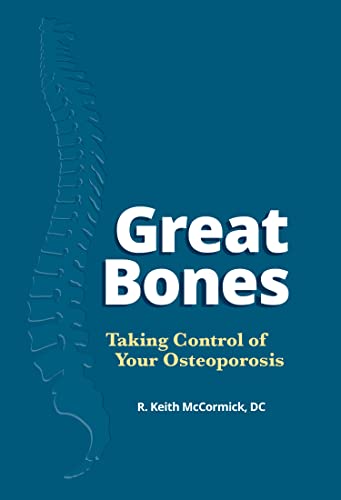
Great Bones - Taking Control of Your Osteoporosis: R. Keith Mccormick
If you're a patient suffering from bone loss, Dr. McCormick <strong>helps you take control of your osteoporosis</strong>; if you're a doctor, he lays out the most up-to date science so you c
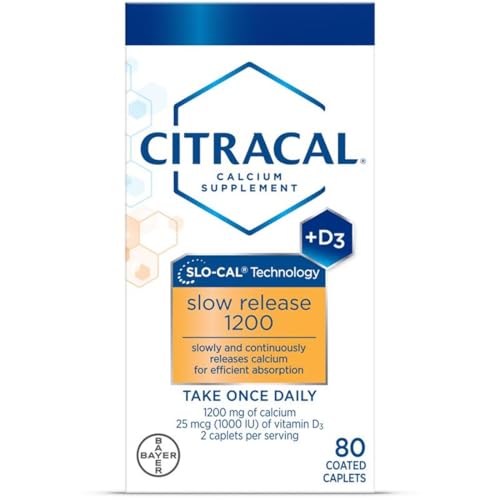
Citracal Slow Release- Calcium 1200 mg with Vitamin D3, Magnesium, Calcium Supplement, Bone Health Support, Take Once Daily Caplet, 80 Count
Citracal Slow Release 1200 is <strong>a calcium supplement designed for sustained absorption and long-lasting bone support</strong>.* Each serving provides 1200 mg of calcium (a blend of calcium carbo
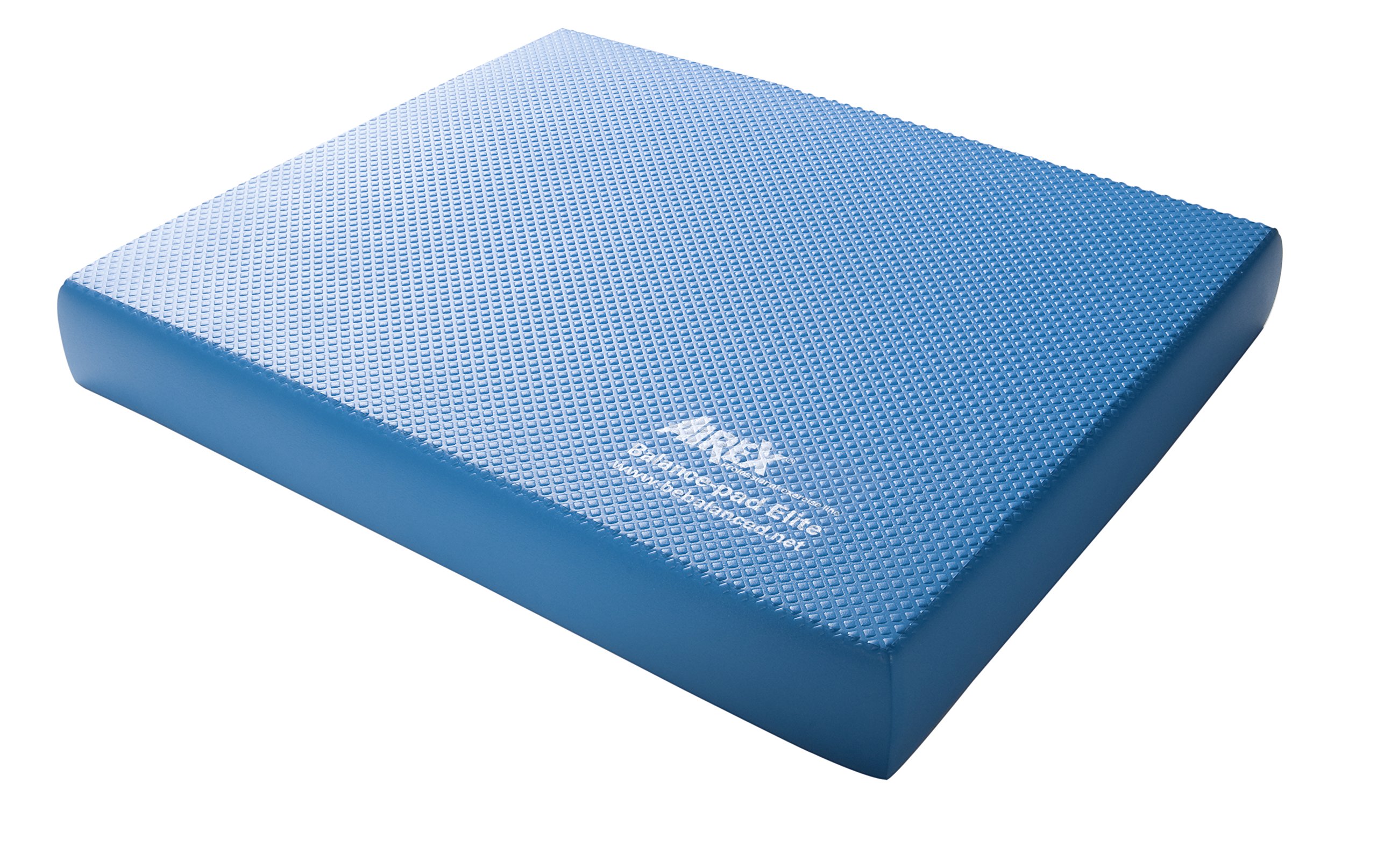
Airex Balance Pad Elite : Exercise Equipment
PT suggested using this pad to raise the height of a chair. Works great. Nice and firm. ... This is a high quality piece of exercise equipment. I use it every day. ... This is terrific!!!!! Have had b
Health Disclaimer
This content is for informational purposes only and does not constitute medical advice. Always consult a qualified healthcare provider before starting, stopping, or changing any supplement or medication regimen.