

Inflammatory Bowel Disease
Overview
Inflammatory bowel disease (IBD) is a chronic, immune-mediated group of disorders characterized by persistent inflammation of the gastrointestinal tract. The two main forms are Crohn’s disease and ulcerative colitis. Crohn’s disease can affect any part of the digestive tract from mouth to anus and often involves deeper layers of the bowel wall, while ulcerative colitis primarily affects the colon and rectum and usually involves the inner lining of the intestine. Although IBD shares some symptoms with irritable bowel syndrome (IBS), it is a distinct condition marked by measurable inflammation, tissue injury, and the potential for serious complications.
Common features of IBD include abdominal pain, diarrhea, rectal bleeding, urgency, fatigue, weight loss, and periods of flare and remission. In some people, IBD also affects systems outside the gut, contributing to joint pain, skin conditions, eye inflammation, liver or bile duct disease, and impaired growth in children. The condition often begins in adolescence or early adulthood, though it can occur at any age. Global incidence and prevalence have risen over recent decades, particularly in industrialized and urbanizing regions, making IBD an increasingly important public health issue.
From a biomedical standpoint, IBD is understood as the result of a complex interaction among genetic susceptibility, immune dysregulation, intestinal barrier dysfunction, environmental exposures, and changes in the gut microbiome. No single cause explains all cases. Research suggests that factors such as family history, smoking status, diet patterns, infections, antibiotic exposure, and other environmental influences may affect risk or disease course. The chronic inflammatory nature of IBD means that long-term monitoring is often important, as uncontrolled inflammation can contribute to complications such as strictures, fistulas, malnutrition, anemia, osteoporosis, and increased colorectal cancer risk in some patients.
Because IBD is a lifelong condition with highly variable severity, comprehensive care typically focuses not only on controlling intestinal inflammation but also on quality of life, nutrition, mental health, symptom burden, and prevention of complications. Many individuals explore integrative approaches alongside conventional care. A balanced understanding of both western and traditional perspectives can help frame how different medical systems interpret chronic gut inflammation, while reinforcing that evaluation and management should be individualized in consultation with qualified healthcare professionals.
Compare Treatment Options
Irritable bowel syndrome (IBS) is a common disorder of gut-brain interaction marked by recurrent abdominal pain linked with changes in bowel habits, including diarrhea, constipation, or a mixed pattern. Unlike inflammatory bowel disease, IBS does not cause the same kind of visible intestinal injury or chronic tissue inflammation on routine testing, but it can still significantly affect quality of life, work, sleep, eating, and stress levels. Symptoms often include bloating, urgency, incomplete evacuation, and sensitivity to certain foods or stressful situations. Treatment options vary because IBS is not one single disease process. Research suggests symptoms may arise from a combination of altered gut motility, visceral hypersensitivity, microbiome changes, post-infectious effects, stress physiology, and dietary triggers. That is why management may include Western approaches such as diet therapy, medications, or psychological therapies, alongside Eastern approaches such as acupuncture or traditional herbal medicine. In Gold Bamboo's broader content, IBS often overlaps with topics like low-FODMAP diet, SIBO, and pelvic or bladder sensitivity syndromes, so a personalized approach usually matters more than any one-size-fits-all framework.
View treatment comparison (7 options)Medical Perspectives
Two Ways of Seeing Health

Western
scientific · clinical
Western medicine applies science, technology, and clinical experience to treat symptoms through testing, diagnosis, and targeted intervention.

Eastern
traditional · alternative
Eastern medicine focuses on treating the body naturally by applying traditional knowledge practiced for thousands of years, emphasizing balance and whole-person wellness.
Gold Bamboo presents both perspectives side-by-side so you can make informed decisions. We don't advocate for one over the other — your health choices are yours.
Western Medicine Perspective
Western Medicine Perspective
In conventional medicine, IBD is classified as a chronic inflammatory disorder driven by an abnormal immune response in the gastrointestinal tract. Diagnosis generally relies on a combination of clinical history, laboratory markers of inflammation, stool testing, endoscopy with biopsy, and imaging studies such as MRI, CT, or ultrasound when appropriate. Distinguishing Crohn’s disease from ulcerative colitis is important because disease location, depth of inflammation, complications, and therapeutic approaches may differ. Disease activity is also assessed over time, since symptoms do not always correlate perfectly with the degree of intestinal inflammation.
Modern treatment frameworks emphasize achieving objective control of inflammation, not only relief of symptoms. Studies indicate that therapies such as aminosalicylates, corticosteroids, immunomodulators, biologic agents, and small-molecule targeted therapies can reduce disease activity and, in many cases, help maintain remission. Nutritional support, correction of micronutrient deficiencies, vaccination review, bone health monitoring, and screening for colorectal cancer in appropriate patients are also important parts of care. Surgery may be required for complications such as obstruction, fistulas, abscesses, severe disease, or medically refractory inflammation, particularly in Crohn’s disease and advanced ulcerative colitis.
Western medicine also recognizes that IBD extends beyond the bowel. Management may involve gastroenterologists, colorectal surgeons, dietitians, mental health professionals, and other specialists because fatigue, anxiety, depression, sleep disruption, pain, and extraintestinal manifestations can significantly affect daily life. Research on the gut microbiome, personalized medicine, biomarkers, and diet-based adjunctive strategies continues to evolve, but conventional guidelines generally emphasize that complementary approaches are best considered as supportive rather than as replacements for evidence-based medical treatment. Anyone with suspected IBD symptoms or established disease flares warrants evaluation by a licensed clinician because delay in diagnosis or undertreatment may increase the risk of complications.
Eastern & Traditional Perspective
Eastern/Traditional Medicine Perspective
In Traditional Chinese Medicine (TCM), symptoms consistent with IBD are not defined as a single disease entity in the modern biomedical sense, but may be understood through pattern-based diagnoses involving disharmony of the Spleen, Stomach, Liver, Large Intestine, and Kidney systems. Patterns often discussed in traditional literature include damp-heat in the intestines, spleen qi deficiency, liver-spleen disharmony, and deficiency of kidney yang or yin in longstanding disease. From this perspective, chronic diarrhea, abdominal pain, mucus or blood in the stool, fatigue, and recurrent flares may reflect shifting combinations of excess and deficiency over time. Traditional therapies have included herbal formulas, acupuncture, moxibustion, and dietary regulation aimed at restoring functional balance rather than targeting a single inflammatory pathway.
In Ayurveda, IBD-like presentations are sometimes interpreted through disturbances of agni (digestive fire), ama (metabolic toxins), and imbalances in doshas, particularly pitta with possible involvement of vata. Conditions with bloody diarrhea, urgency, weakness, and inflammatory heat may be compared conceptually with classical syndromes such as grahani or raktatisara, depending on symptom pattern and chronicity. Ayurvedic care traditionally considers digestion, elimination, constitution, stress, and food compatibility, using individualized combinations of herbs, diet, and lifestyle practices.
Naturopathic and integrative traditions often emphasize intestinal permeability, microbiome balance, stress physiology, anti-inflammatory dietary patterns, and support for nutrient status. Some complementary approaches—such as mindfulness practices, certain probiotics, curcumin, or acupuncture—have been studied as adjuncts in IBD, with mixed but growing evidence. However, the research base remains uneven, and herbal or supplement use can carry risks including contamination, drug interactions, liver injury, or worsening symptoms in some individuals. For that reason, traditional and integrative approaches are generally best framed as complementary within a coordinated care plan, especially in a condition that can involve severe inflammation, bleeding, dehydration, and surgical complications.
Related Topics
Colon Cancer
Colon Cancer — condition topic in the Gold Bamboo health ontology.
Primary Sclerosing Cholangitis
Primary Sclerosing Cholangitis — condition topic in the Gold Bamboo health ontology.
Probiotics
Probiotics — supplement topic in the Gold Bamboo health ontology.
How They Relate
Colon Cancer & Inflammatory Bowel Disease
Inflammatory bowel disease (IBD)—principally ulcerative colitis and Crohn’s colitis—has a long-recognized relationship with colorectal cancer (CRC). Modern population studies show the risk is lower...
Colorectal Cancer & Inflammatory Bowel Disease
Colorectal cancer (CRC) and inflammatory bowel disease (IBD)—principally ulcerative colitis (UC) and Crohn’s colitis—intersect through the biology of chronic intestinal inflammation and its long-te...
Inflammatory Bowel Disease & Primary Sclerosing Cholangitis
Inflammatory bowel disease (IBD)—principally ulcerative colitis (UC) and Crohn’s disease—has a well-established clinical relationship with primary sclerosing cholangitis (PSC), a chronic cholestati...
Inflammatory Bowel Disease (IBD) & Probiotics
Inflammatory bowel disease (IBD) encompasses ulcerative colitis (UC) and Crohn’s disease (CD). UC causes continuous inflammation of the colon’s lining, while CD can affect any part of the gastroint...
Supplements & Products
Recommended Products

Integrative Gastroenterology: Mullin, Gerard
Gerard E. Mullin is <strong>Associate Professor of Medicine, Director of Integrative GI Nutrition Services, and Director of Capsule Endoscopy for the Gastroenterology Division at the Johns Hopkins Hos

THORNE - Curcumin Phytosome 1000 mg (Meriva) - Clinically Studied, High Absorption - Supports Healthy Inflammatory Response in Joints, Muscles, GI Tract, Liver, Brain & Nerves* - 30 Servings
THORNE - Curcumin Phytosome 500 mg (Meriva) - Sustained Release, Clinically Studied - <strong>Supports Healthy Inflammatory Response in Joints, Muscles, GI Tract, Liver, Brain & Nerves</strong>* -
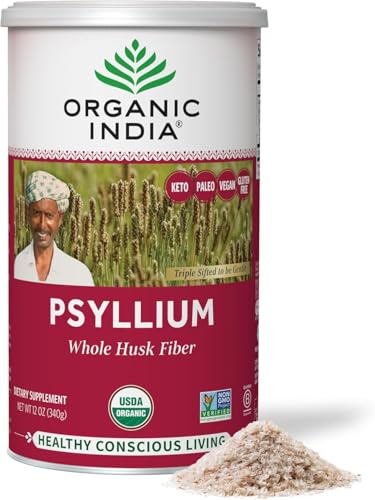
ORGANIC INDIA Psyllium Herbal Powder - Whole Husk Fiber, Vegan, Gluten-Free, USDA Certified Organic, Non-GMO, Soluble & Insoluble Fiber Source - 12 Oz Canister (Pack of 1) : Psyllium Nutritional Supplements
Amazon.com : ORGANIC INDIA Psyllium Herbal Powder - Whole Husk Fiber, Vegan, Gluten-Free, USDA Certified Organic, Non-GMO, Soluble & Insoluble Fiber Source - 12 Oz Canister (Pack of 1) : Psyllium

Visbiome® GI Care - High Potency Probiotic - 112.5 Billion CFU Live Probiotics, Original De Simone Formulation, Made in USA, 120 Capsules.
POWERFUL PROBIOTIC BLEND: <strong>Contains 8 clinically-tested strains with a potent 112.5 billion CFU per capsule</strong>. Designed for optimal gut health in both men and women. PROVEN EFFICACY: Boa
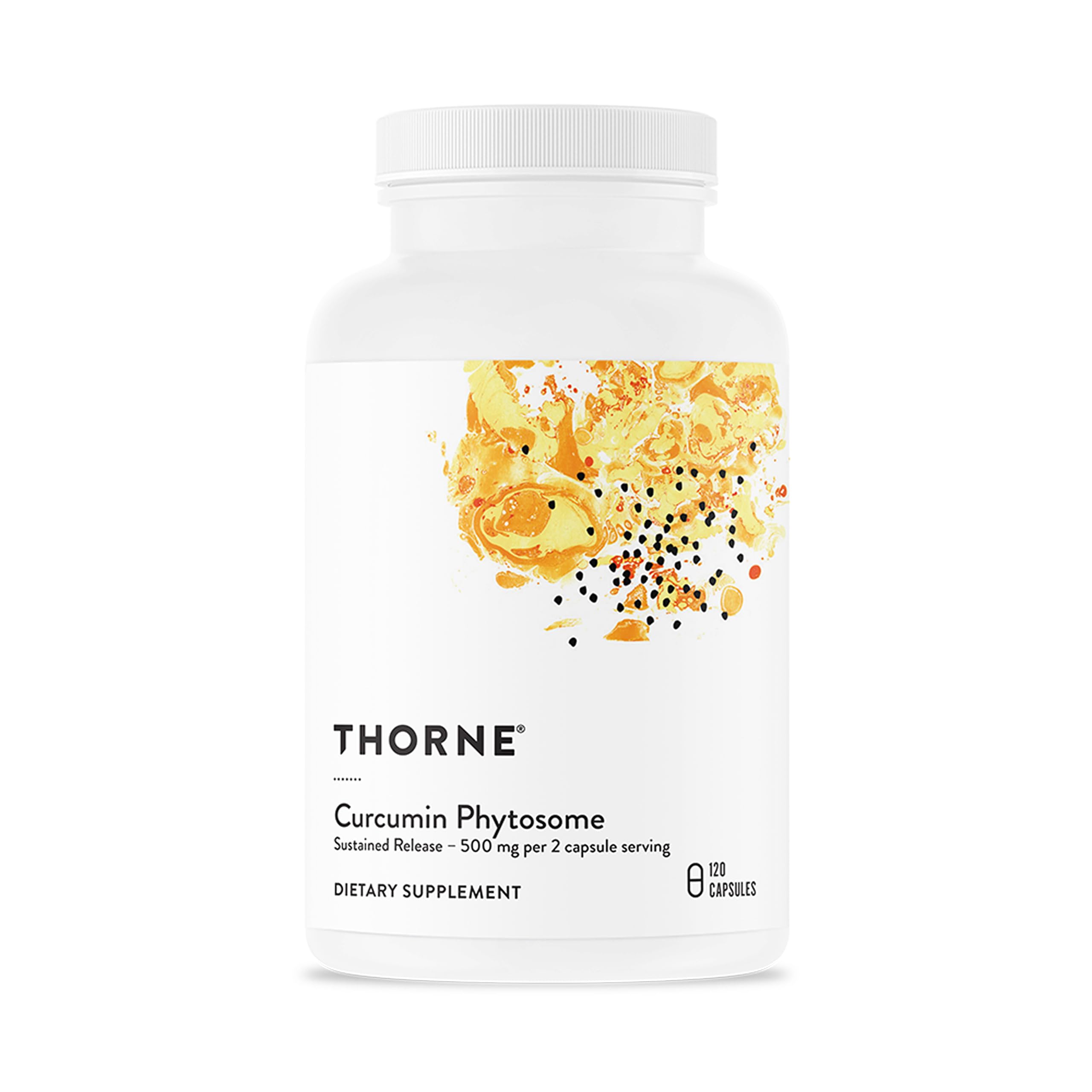
THORNE - Curcumin Phytosome 500 mg (Meriva) - Sustained Release, Clinically Studied - Supports Healthy Inflammatory Response in Joints, Muscles, GI Tract, Liver, Brain & Nerves* - 60 Servings
Buy THORNE - Curcumin Phytosome 500 mg (Meriva) - Sustained Release, Clinically Studied - <strong>Supports Healthy Inflammatory Response in Joints, Muscles, GI Tract, Liver, Brain & Nerves</strong
Evidence & Sources
Promising research with growing clinical support from multiple studies
- American College of Gastroenterology (ACG) Clinical Guidelines
- American Gastroenterological Association (AGA)
- European Crohn’s and Colitis Organisation (ECCO) Guidelines
- National Institute of Diabetes and Digestive and Kidney Diseases (NIDDK)
- National Center for Complementary and Integrative Health (NCCIH)
- The Lancet
- New England Journal of Medicine
- Nature Reviews Gastroenterology & Hepatology
This content is for informational purposes only and does not constitute medical advice. Always consult a qualified healthcare provider before starting, stopping, or changing any supplement or medication regimen.