

Colon Cancer and Inflammatory Bowel Disease
Inflammatory bowel disease (IBD)—principally ulcerative colitis and Crohn’s colitis—has a long-recognized relationship with colorectal cancer (CRC). Modern population studies show the risk is lower than historical estimates but remains meaningfully elevated for people with long-standing, extensive, and inflamed colitis. Large cohort and meta-analytic data suggest a roughly 1.5–2-fold increase in CRC for ulcerative colitis and a modest increase for Crohn’s disease when the colon is extensively involved, with risk rising after about 8–10 years of disease and accumulating with ongoing inflammation. Key modifiers amplify this risk: primary sclerosing cholangitis (PSC) confers several-fold higher CRC risk; a first-degree family history of CRC roughly doubles risk; and greater disease extent, early age at colitis onset, post-inflammatory polyps, and persistent histologic inflammation further increase risk. Racial and ethnic disparities in CRC outcomes also affect IBD populations, largely through differences in access to high-quality surveillance and care. The biology linking chronic colitis to cancer centers on inflammation-driven carcinogenesis. Repeated mucosal injury and repair promote oxidative DNA damage, epigenetic alterations, and a dysplasia–carcinoma sequence that differs from sporadic CRC: p53 mutations and diffuse “field” changes tend to occur earlier, while APC mutations often appear later. Pro-inflammatory cytokine pathways (NF-κB, IL‑6/STAT3), COX‑2 upregulation, barrier dysfunction, and dysbiosis— including genotoxic strains such as colibactin-producing E. coli—create a tumor-promoting niche. Surveillance colonoscopy is tailored to IBD: most guidelines advise starting 8 years after symptom onset for extensive ulcerative colitis or Crohn’s colitis, and at PSC diagnosis in those with PSC, with intervals commonly every 1–3 years based on individual risk. High-definition chromoendoscopy with targeted biopsies is preferred to improve dysplasia detection. Stool
Updated September 8, 2026This content is for informational purposes only and does not constitute medical advice. Always consult a qualified healthcare provider before starting, stopping, or changing any supplement or medication regimen.
Shared Risk Factors
Chronic intestinal inflammation
Strong EvidenceSustained mucosal inflammation drives oxidative DNA damage, epigenetic changes, and the dysplasia–carcinoma sequence in colitis-associated cancer.
Primary sclerosing cholangitis (PSC)
Strong EvidencePSC commonly coexists with IBD and is independently associated with higher colorectal neoplasia risk.
Family history of colorectal cancer
Moderate EvidenceFirst-degree family history elevates baseline CRC risk and compounds IBD-related risk.
Microbiome dysbiosis
Emerging ResearchIBD-related dysbiosis includes pro-inflammatory and genotoxic species that may promote carcinogenesis.
Lifestyle factors (smoking, alcohol, diet, obesity, inactivity)
Moderate EvidenceShared environmental risks influence systemic inflammation and colorectal carcinogenesis.
Race/ethnicity and care access
Moderate EvidenceDisparities in screening access and care quality affect CRC outcomes and IBD surveillance adherence.
Comorbidity Data
Prevalence
Modern cohorts show a 1.5–2.0-fold increased CRC risk in ulcerative colitis and a modest increase in Crohn’s colitis when the colon is extensively involved; cumulative incidence after 20 years is low in absolute terms (≈1–2% overall) but higher with extensive disease, persistent inflammation, and PSC.
Mechanistic Link
Chronic mucosal injury leads to oxidative/nitrosative DNA damage, early TP53 mutations, epigenetic drift, cytokine signaling (NF-κB, IL‑6/STAT3), COX‑2 upregulation, and dysbiosis; these changes create field cancerization and a dysplasia–carcinoma sequence distinct from sporadic CRC.
Clinical Implications
Risk-adapted, high-definition colonoscopic surveillance beginning ~8 years after colitis onset (or at PSC diagnosis), with chromoendoscopy and targeted biopsies, is central. Tight inflammation control and consideration of chemoprevention and, when indicated, prophylactic surgery are key to reducing cancer burden.
Sources (3)
- Olén O et al. N Engl J Med. 2020;382:1878-1889.
- Jess T et al. Clin Gastroenterol Hepatol. 2012;10:639-645.
- Beaugerie L, Itzkowitz SH. Gastroenterology. 2015;149:1115-1130.
Overlapping Treatments
5-aminosalicylates (5-ASA)
Moderate EvidenceObservational meta-analyses suggest reduced CRC/dysplasia risk in ulcerative colitis users.
Induce and maintain remission in mild-to-moderate UC; topical therapy improves distal disease control.
Protective effect less clear in Crohn’s disease; chemoprevention not a substitute for surveillance.
Biologic therapy targeting mucosal healing (e.g., anti‑TNF, vedolizumab, ustekinumab)
Emerging ResearchBy reducing inflammation and achieving mucosal healing, may lower dysplasia/CRC risk (observational evidence).
Improve induction and maintenance of remission and mucosal healing in moderate-to-severe IBD.
Long-term cancer-prevention data are limited; therapy choice individualized by disease phenotype and safety profile.
Risk-adapted surveillance colonoscopy with chromoendoscopy
Strong EvidenceEarlier detection and endoscopic resection of dysplasia reduces CRC incidence and cancer-related surgery.
Maps disease extent and activity; guides treatment targets (endoscopic/histologic healing).
Requires high-quality prep and experienced endoscopists; intervals vary by guideline and risk.
Prophylactic/oncologic colectomy (with IPAA or end ileostomy)
Strong EvidenceDefinitively removes the at-risk colon; curative for localized CRC when appropriately staged.
Definitive therapy for refractory colitis or unresectable/multifocal high-grade dysplasia.
Surgical risks, potential impact on fertility/sexual function and quality of life; pouchitis risk after IPAA.
Vitamin D optimization and healthy lifestyle (fiber-rich diet, physical activity, weight management)
Emerging ResearchAssociated with lower CRC risk in observational studies; fiber supports SCFA production with anti-neoplastic properties.
Adequate vitamin D and balanced diet may support mucosal immunity; exercise linked to better well-being.
Observational data; not a replacement for medical therapy or surveillance.
Aspirin/NSAID chemoprevention (population-level CRC data)
Moderate EvidenceAspirin lowers CRC incidence/mortality in average-risk adults in some guidelines.
NSAIDs can exacerbate IBD symptoms in some; not routinely used for IBD control.
Use in IBD is individualized due to flare risk; decisions consider cardiovascular and bleeding risks.
Ursodeoxycholic acid (UDCA) in PSC-IBD
Emerging ResearchEarly small studies suggested reduced CRC risk; later data are inconsistent.
Used for cholestatic liver disease; high-dose associated with harm in PSC.
Not recommended solely for CRC prevention in PSC-IBD; dose matters and evidence mixed.
Medical Perspectives
Two Ways of Seeing Health

Western
scientific · clinical
Western medicine applies science, technology, and clinical experience to treat symptoms through testing, diagnosis, and targeted intervention.
Surgeons · Pharmaceuticals · Clinical trials · Diagnostics 
Eastern
traditional · alternative
Eastern medicine focuses on treating the body naturally by applying traditional knowledge practiced for thousands of years, emphasizing balance and whole-person wellness.
Acupuncture · Herbal medicine · Yoga · Meditation
Gold Bamboo presents both perspectives side-by-side so you can make informed decisions. We don't advocate for one over the other — your health choices are yours.
Two Ways of Seeing Health
Western
scientific · clinical
Western medicine applies science, technology, and clinical experience to treat symptoms through testing, diagnosis, and targeted intervention.
Eastern
traditional · alternative
Eastern medicine focuses on treating the body naturally by applying traditional knowledge practiced for thousands of years, emphasizing balance and whole-person wellness.
Gold Bamboo presents both perspectives side-by-side so you can make informed decisions. We don't advocate for one over the other — your health choices are yours.
Western Perspective
Western medicine recognizes colitis-associated colorectal cancer as a consequence of chronic inflammation, with risk shaped by disease duration, extent, histologic activity, and modifiers such as PSC and family history. Surveillance colonoscopy and tight inflammation control are central pillars of risk reduction.
Key Insights
- CRC risk in ulcerative colitis is about 1.5–2x that of the general population; risk in Crohn’s colitis is modestly increased, particularly with extensive colonic involvement.
- Risk rises after ~8–10 years of colitis and with cumulative histologic inflammation; PSC confers several-fold higher risk and warrants annual surveillance.
- Colitis-associated carcinogenesis differs from sporadic CRC (early TP53 mutations, field effect, inflammation-driven pathways).
- High-definition dye-spray chromoendoscopy improves dysplasia detection over white-light endoscopy and supports targeted resection of visible lesions.
- Chemoprevention signals exist for 5-ASA; evidence for biologics reducing neoplasia is emerging; colectomy remains definitive when dysplasia is unresectable or high grade.
Treatments
- Risk-stratified surveillance colonoscopy with chromoendoscopy and targeted biopsies
- Treat-to-target IBD therapy emphasizing mucosal/histologic healing (biologics, immunomodulators)
- Selected chemoprevention (5-ASA; aspirin considered case-by-case)
- Prophylactic or oncologic colectomy when indicated
Deep Dive
From a western clinical perspective, the connection between inflammatory bowel disease (IBD) and colorectal cancer (CRC) is a paradigmatic examp... From a western clinical perspective, the connection between inflammatory bowel disease (IBD) and colorectal cancer (CRC) is a paradigmatic example of inflammation-driven carcinogenesis. Modern epidemiology shows a lower absolute risk than earlier eras—likely reflecting better inflammation control and surveillance—yet a persistent elevation remains, particularly for ulcerative colitis and for Crohn’s disease when colonic segments are extensively involved. The risk begins to rise after roughly 8–10 years of colitis and accumulates with the burden of histologic inflammation. Primary sclerosing cholangitis (PSC) is a potent modifier, conferring several-fold higher neoplasia risk and mandating annual colonoscopy from PSC diagnosis. Family history of CRC, early age at onset (due to longer exposure), post-inflammatory polyps, and disease extent (pancolitis) further stratify risk. Mechanistically, chronic mucosal injury fuels oxidative and nitrosative DNA damage, epigenetic drift, and a characteristic dysplasia–carcinoma sequence with early TP53 mutations and a right-sided predominance in some cohorts—features that differ from sporadic pathways where APC alterations often appear earlier. Cytokine signaling through NF‑κB and IL‑6/STAT3, COX‑2 upregulation, barrier dysfunction, and dysbiosis (e.g., colibactin-producing E. coli) reinforce a tumor-promoting microenvironment. These insights inform practice. High-quality surveillance colonoscopy is central, typically starting 8 years after symptom onset in extensive colitis, using high-definition chromoendoscopy and targeted biopsies to enhance dysplasia detection. Random biopsies are reserved for special circumstances (e.g., PSC, prior dysplasia, poor visualization). Visible dysplasia that is well-demarcated can often be resected endoscopically; invisible, multifocal, or high-grade lesions generally prompt colectomy. Biomarkers such as fecal calprotectin reflect inflammation rather than neoplasia, and stool DNA/FIT tests are not validated substitutes for colonoscopic surveillance in IBD. Risk reduction rests on treat-to-target strategies that achieve mucosal and, increasingly, histologic healing via optimized 5-ASA for mild UC and advanced therapies (anti‑TNF, anti‑integrin, anti‑IL‑12/23) for moderate to severe disease. Observational data suggest that durable healing may lower neoplasia risk, though definitive chemopreventive effects of biologics remain under study. 5‑ASA shows a protective association in UC; aspirin’s proven population-level CRC benefit has to be balanced carefully in IBD. Healthy lifestyle patterns (fiber-rich diet, physical activity, avoidance of smoking and excess alcohol, weight management) support general CRC prevention. Prophylactic colectomy is appropriate for unresectable dysplasia, high-grade lesions, or multifocal low-grade dysplasia, with shared decision-making around quality-of-life implications. Overall, aligning inflammation control with meticulous, risk-adapted surveillance offers the best path to lowering cancer risk while preserving colon health.
Sources
- AGA Clinical Practice Update on Endoscopic Surveillance and Management of Colorectal Dysplasia in IBD. Gastroenterology. 2021.
- SCENIC International Consensus Statement. Gastroenterology. 2015 and updates.
- BSG guidelines on IBD-associated colorectal cancer surveillance. Gut. 2019–2020.
- ECCO Guidelines on surveillance in IBD. J Crohns Colitis. 2023.
- Beaugerie L, Itzkowitz SH. Gastroenterology. 2015.
Eastern Perspective
Traditional systems interpret chronic colitis and tumor formation through lenses of imbalance, stagnation, and toxin accumulation. Approaches emphasize reducing intestinal ‘heat/toxin’ (in TCM) or excess ‘ama’ and impaired agni (in Ayurveda), restoring barrier and microbial harmony, and supporting systemic resilience. These frameworks often align with modern goals of reducing inflammation and optimizing the gut environment, though direct cancer-prevention evidence is limited.
Key Insights
- Herbal anti-inflammatories such as turmeric/curcumin and boswellia are traditionally used for gut heat/toxin and have modern data supporting symptom improvement in UC; cancer-preventive effects in IBD are unproven.
- Microbiome-directed therapies (probiotics, prebiotics, dietary polyphenols) aim to rebalance flora and enhance short-chain fatty acids; evidence supports pouchitis prevention and UC adjunctive care, with uncertain impact on neoplasia.
- Mind–body practices (yoga, meditation, tai chi) may reduce stress-related flares and improve quality of life, indirectly supporting inflammation control.
- TCM pattern differentiation (e.g., damp-heat, qi and blood stasis) guides individualized herbal formulas and acupuncture to modulate motility, pain, and stress responses.
Treatments
- Curcumin (turmeric) as adjunct in UC
- Boswellia serrata extracts for inflammatory modulation
- Probiotics/prebiotics and diet rich in polyphenols and fermentable fibers
- Acupuncture and mind–body practices for symptom relief and stress reduction
Deep Dive
Traditional and integrative frameworks view IBD and its cancer risk through the lens of chronic imbalance and accumulated pathogenic factors. In... Traditional and integrative frameworks view IBD and its cancer risk through the lens of chronic imbalance and accumulated pathogenic factors. In Traditional Chinese Medicine (TCM), patterns such as damp-heat, toxin accumulation, and qi/blood stasis reflect ongoing intestinal inflammation and impaired clearance. Over time, stagnation and heat can be seen as setting the stage for mass formation. Ayurvedic medicine similarly attributes chronic colitis to impaired agni (digestive fire) and buildup of ama (metabolic toxins), which disturb doshic balance and weaken tissue defenses (ojas). The therapeutic aim is to cool inflammation, restore barrier integrity, and reestablish smooth flow and microbial harmony. In practice, this may involve botanicals with anti-inflammatory, antioxidant, and barrier-supporting properties. Turmeric (curcumin) and Boswellia serrata have been used traditionally for gut inflammation; modern clinical studies suggest curcumin can aid ulcerative colitis remission when combined with conventional therapy, though direct evidence that these botanicals prevent cancer in IBD is limited. Diets emphasizing whole, minimally processed foods, diverse plant fibers, and polyphenol-rich herbs (green tea, ginger) align with naturopathic and Ayurvedic guidance and may favorably influence the microbiome and short-chain fatty acid production, considered protective for colonic cells. Probiotic and prebiotic strategies seek to reduce dysbiosis and support mucosal immunity; evidence is strongest for pouchitis prevention and adjunctive UC management, not for cancer prevention per se. Mind–body approaches (yoga, meditation, tai chi, acupuncture) are used to regulate stress responses, pain, and motility—factors that can exacerbate flares. From an integrative oncology perspective, sustained symptom control, improved sleep, and reduced stress may indirectly contribute to a less pro-carcinogenic internal milieu by dampening inflammatory signaling. Importantly, integrative practitioners often work collaboratively with gastroenterologists: herbal and dietary therapies are positioned as adjuncts to, not replacements for, surveillance colonoscopy and disease-modifying medications. Safety and quality (standardized extracts, avoidance of herb–drug interactions) are prioritized. While traditional rationales differ from biomedical mechanisms, both traditions converge on themes of reducing chronic inflammation, nurturing the mucosal barrier, and fostering a health-supportive gut environment. As research grows, integrative strategies can be thoughtfully incorporated into personalized care plans that keep cancer prevention fundamentals—high-quality surveillance and inflammation control—front and center.
Sources
- Hanai H et al. Clin Gastroenterol Hepatol. 2006 (curcumin as adjunct in UC).
- Lang A et al. Clin Gastroenterol Hepatol. 2015 (curcumin maintenance).
- Shen J et al. Inflamm Bowel Dis. 2014 (probiotics in IBD/pouchitis).
- Zhang Y et al. Integr Cancer Ther. 2018 (TCM perspectives on CRC and inflammation).
Evidence Ratings
Ulcerative colitis confers an approximately 1.5–2-fold increased risk of colorectal cancer compared with the general population.
Jess T et al. Clin Gastroenterol Hepatol. 2012;10:639-645.
Crohn’s colitis modestly increases colorectal cancer risk, particularly with extensive colonic involvement.
Beaugerie L, Itzkowitz SH. Gastroenterology. 2015;149:1115-1130.
PSC markedly increases CRC risk in IBD and warrants annual surveillance from PSC diagnosis.
BSG surveillance guideline. Gut. 2019–2020; AGA CPU 2021.
Cumulative and histologic inflammation is a strong predictor of dysplasia/CRC in IBD.
Gupta RB et al. Gastroenterology. 2007;133:1099-1106.
High-definition dye-spray chromoendoscopy detects more dysplasia than white-light endoscopy in IBD surveillance.
SCENIC Consensus. Gastroenterology. 2015.
5-ASA use is associated with lower CRC/dysplasia risk in ulcerative colitis.
Bonovas S et al. Am J Gastroenterol. 2014;109:1404-1415.
Aspirin prevents CRC in average-risk adults, but its role in IBD chemoprevention is uncertain and individualized.
USPSTF Recommendation Statement on Aspirin Use for CVD/CRC Prevention. 2022.
Ursodeoxycholic acid is not recommended solely to prevent CRC in PSC-IBD due to inconsistent evidence and dose-related harms.
Eaton JE et al. Hepatology. 2011;53:1498-1506; Singh S et al. Clin Gastroenterol Hepatol. 2013.
Sources
- Olén O, Erichsen R, Sachs MC, et al. Colorectal Cancer in Ulcerative Colitis: A Nationwide Cohort Study. N Engl J Med. 2020;382:1878-1889.
- Jess T, Rungoe C, Peyrin-Biroulet L. Risk of colorectal cancer in inflammatory bowel disease: a meta-analysis of population-based cohort studies. Clin Gastroenterol Hepatol. 2012;10:639-645.
- Beaugerie L, Itzkowitz SH. Cancers Complicating Inflammatory Bowel Disease. Gastroenterology. 2015;149:1115-1130.
- Gupta RB, Harpaz N, Itzkowitz S, et al. Histologic inflammation is a risk factor for progression to colorectal neoplasia in ulcerative colitis. Gastroenterology. 2007;133:1099-1106.
- Laine L, Kaltenbach T, Barkun A, et al. SCENIC international consensus statement on surveillance and management of dysplasia in IBD. Gastroenterology. 2015;148:639-651.
- Farraye FA, Odze RD, Eaden J, Itzkowitz SH, et al. AGA Clinical Practice Update on Endoscopic Surveillance and Management of Colorectal Dysplasia in IBD. Gastroenterology. 2021.
- BSG guidelines on colorectal cancer surveillance in IBD. Gut. 2019–2020.
- ECCO Guidelines on Therapeutics and Malignancy/Surveillance in IBD. J Crohns Colitis. 2023.
- Bonovas S, Fiorino G, Lytras T, et al. Systematic review: 5-aminosalicylates and the risk of colorectal neoplasia in ulcerative colitis. Am J Gastroenterol. 2014;109:1404-1415.
- Eaton JE, Silveira MG, Pardi DS, et al. High-dose ursodeoxycholic acid is associated with adverse outcomes in PSC. Hepatology. 2011;53:1498-1506.
- Singh S, Loftus EV Jr, et al. Chemoprevention of colorectal cancer in PSC-IBD: a systematic review. Clin Gastroenterol Hepatol. 2013.
- Arthur JC, Perez-Chanona E, Mühlbauer M, et al. Intestinal inflammation targets cancer-inducing activity of the microbiota. Science. 2012;338:120-123.
- Pleguezuelos-Manzano C, Puschhof J, et al. Mutational signature of colibactin. Nat Med. 2020;26:1063-1069.
- USPSTF. Aspirin Use to Prevent Cardiovascular Disease: Preventive Medication. 2022.
- Govani SM, Waljee AK. Disparities in IBD care and outcomes. Gastroenterology. 2020.
Related Topics
Recommended Products
![Crohn's and Colitis: Understanding and Managing IBD: Steinhart MD MSc FRCP[C], Dr. Hillary](https://m.media-amazon.com/images/I/51akR12k-EL.jpg)
Crohn's and Colitis: Understanding and Managing IBD: Steinhart MD MSc FRCP[C], Dr. Hillary
Crohn’s Disease and Ulcerative Colitis <strong>A Comprehensive Guide to Understanding and Healing: Empowering Tools for Living Well with IBD - Your Roadmap to Informed Treatment and Lasting Wellness</
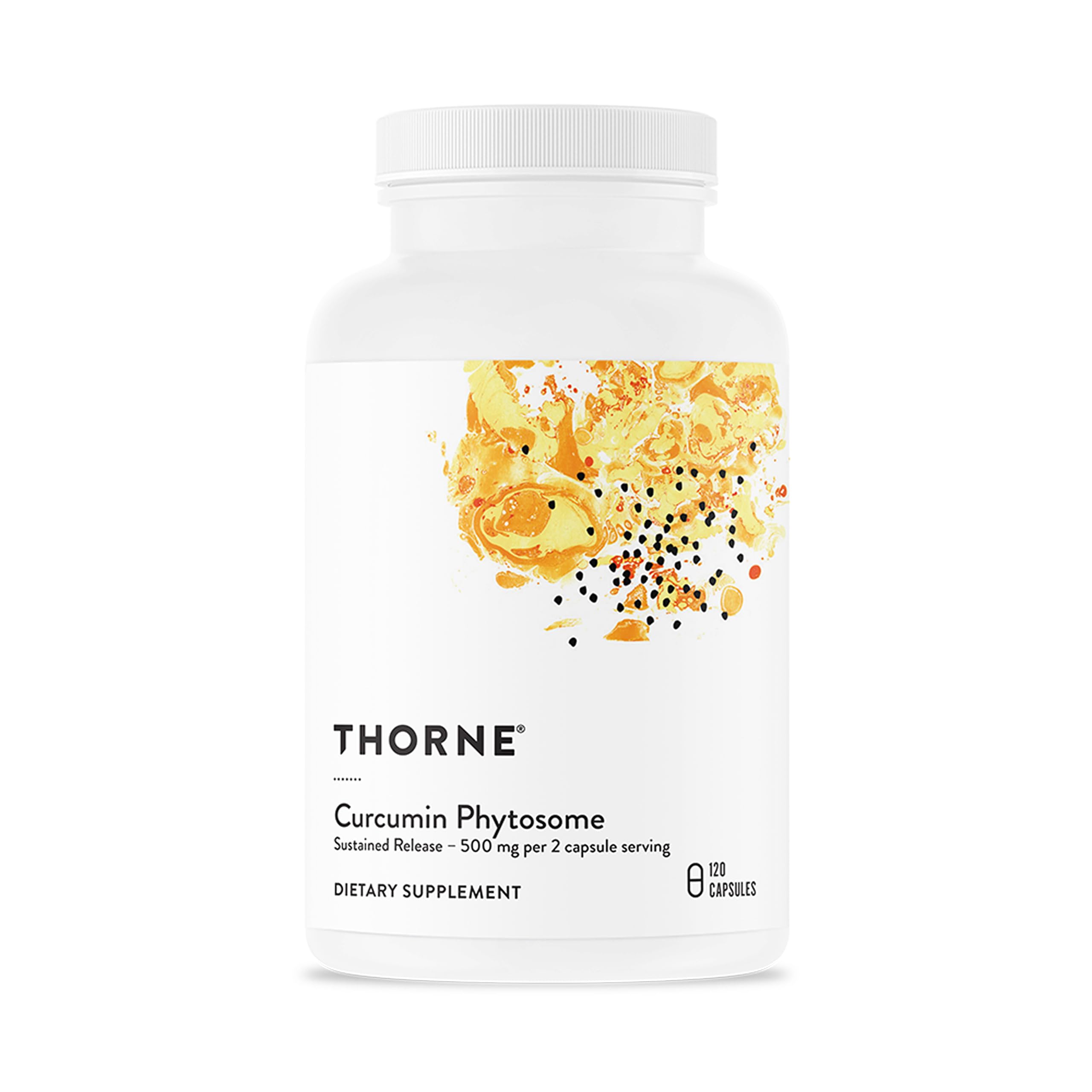
THORNE - Curcumin Phytosome 500 mg (Meriva) - Sustained Release, Clinically Studied - Supports Healthy Inflammatory Response in Joints, Muscles, GI Tract, Liver, Brain & Nerves* - 60 Servings
Buy THORNE - Curcumin Phytosome 500 mg (Meriva) - Sustained Release, Clinically Studied - <strong>Supports Healthy Inflammatory Response in Joints, Muscles, GI Tract, Liver, Brain & Nerves</strong

Visbiome® GI Care - High Potency Probiotic - 112.5 Billion CFU Live Probiotics, Original De Simone Formulation, Made in USA, 120 Capsules.
POWERFUL PROBIOTIC BLEND: <strong>Contains 8 clinically-tested strains with a potent 112.5 billion CFU per capsule</strong>. Designed for optimal gut health in both men and women. PROVEN EFFICACY: Boa
Health Disclaimer
This content is for informational purposes only and does not constitute medical advice. Always consult a qualified healthcare provider before starting, stopping, or changing any supplement or medication regimen.