

Colorectal Cancer and Inflammatory Bowel Disease
Colorectal cancer (CRC) and inflammatory bowel disease (IBD)—principally ulcerative colitis (UC) and Crohn’s colitis—intersect through the biology of chronic intestinal inflammation and its long-term consequences. While modern surveillance and therapies have lowered absolute cancer risk compared with past decades, people with extensive, long-standing colitis still face a higher-than-average risk of CRC. Contemporary population-based data suggest the overall CRC risk in UC is roughly 1.5–2 times that of the general population, with Crohn’s disease showing a smaller overall increase but a similar risk when the colon is extensively inflamed. Risk accumulates with disease duration (notably after 8–10 years), greater colonic extent, earlier age at IBD onset, and coexisting primary sclerosing cholangitis (PSC). A family history of CRC and persistent active inflammation further elevate risk. Pathophysiologically, chronic inflammation promotes a dysplasia-to-carcinoma sequence distinct from sporadic CRC. In colitis-associated cancer, TP53 mutations often appear early, while APC alterations may occur later. Pro-inflammatory pathways (NF-κB, COX-2, IL-6/STAT3), oxidative stress, and epithelial barrier damage foster DNA injury and epigenetic changes. Dysbiosis also matters: certain microbes (e.g., colibactin-producing Escherichia coli, enterotoxigenic Bacteroides fragilis, Fusobacterium nucleatum) may amplify mutagenesis and tumor-promoting signaling. Clinically, symptoms of active IBD—rectal bleeding, diarrhea, abdominal pain, anemia—overlap with those of CRC, making endoscopic surveillance central. High-definition colonoscopy with dye-spray or virtual chromoendoscopy improves dysplasia detection. Most guidelines advise starting surveillance 8 years after symptom onset in extensive colitis, using risk-stratified intervals (annual for PSC or prior dysplasia/strictures; every 1–3 years for others). Visible dysplasia should be resected endoscopically when feasible; high-grade,
Updated August 10, 2026This content is for informational purposes only and does not constitute medical advice. Always consult a qualified healthcare provider before starting, stopping, or changing any supplement or medication regimen.
Shared Risk Factors
Chronic mucosal inflammation and severity of histologic activity
Strong EvidenceOngoing, uncontrolled colonic inflammation drives DNA damage, promotes dysplasia, and accelerates the inflammation–carcinogenesis cascade.
Disease duration and colonic extent (pancolitis/left-sided disease)
Strong EvidenceLonger-standing and more extensive colitis expose more mucosa to chronic injury and mutagenic signaling.
Primary sclerosing cholangitis (PSC)
Strong EvidencePSC coexisting with IBD confers markedly increased, earlier-onset CRC and dysplasia risk.
Family history/genetic susceptibility
Moderate EvidenceA first-degree relative with CRC increases baseline risk; colitis-associated cancer shows early TP53 mutations and field effects.
Microbiome dysbiosis and barrier dysfunction
Moderate EvidenceIBD-associated dysbiosis (e.g., colibactin+ E. coli, Fusobacterium) and impaired mucosal barrier amplify inflammatory and genotoxic signaling.
Lifestyle and metabolic factors (smoking, obesity, diet, inactivity)
Moderate EvidenceGeneral CRC risk factors intersect with IBD; smoking worsens Crohn’s disease and increases CRC risk; obesity and low activity increase CRC risk; high processed meat intake is unfavorable.
Comorbidity Data
Prevalence
Contemporary pooled estimates suggest CRC risk is ~1.5–2x in ulcerative colitis and modestly elevated in Crohn’s disease overall, approaching UC-like risk when colonic involvement is extensive. Absolute risks have declined with surveillance; cumulative risks at 20–30 years are in the low single-digit percentages in recent cohorts, higher with PSC or persistent inflammation.
Mechanistic Link
Chronic colonic inflammation drives early TP53 alterations, oxidative DNA damage, and epigenetic changes; activation of NF-κB, COX-2, and IL-6/STAT3 pathways promotes survival and proliferation of dysplastic clones. Dysbiosis (e.g., colibactin-producing E. coli, enterotoxigenic B. fragilis, Fusobacterium) and impaired barrier function further enable carcinogenesis.
Clinical Implications
Risk-stratified surveillance starting ~8 years after symptom onset in extensive colitis; annual surveillance with PSC or prior dysplasia. Treat-to-target mucosal healing to reduce inflammatory burden. Endoscopic resection of visible dysplasia when feasible; colectomy for high-grade, multifocal, or invisible dysplasia. Patient counseling on fertility/quality-of-life when surgery is considered.
Sources (5)
- Wijnands AM et al. Gut. 2019;68:1591-1601.
- Olén O et al. Gut. 2020;69:1600-1607.
- Jess T et al. Clin Gastroenterol Hepatol. 2012;10:639-645.
- Rutter MD et al. Gastroenterology. 2004;126:451-459.
- Ullman TA, Itzkowitz SH. Nat Rev Cancer. 2011;11:9-20.
Overlapping Treatments
High-definition chromoendoscopy surveillance (dye-spray or virtual)
Strong EvidenceImproves detection of precancerous dysplasia, enabling earlier, organ-sparing management.
Better mucosal visualization guides IBD activity assessment and targeted biopsies.
Requires expertise and time; availability varies; inflammation should be controlled for optimal visualization.
5-aminosalicylates (5-ASA, mesalamine)
Moderate EvidenceObservational data link sustained 5-ASA use to lower dysplasia/CRC risk in UC.
First-line for mild-to-moderate UC; supports mucosal healing.
Chemoprevention benefit not definitively proven in RCTs; less clear benefit in Crohn’s disease.
Treat-to-target control with immunomodulators/biologics (e.g., thiopurines, anti-TNF, vedolizumab, ustekinumab)
Emerging ResearchBy reducing chronic inflammation and achieving mucosal healing, may reduce long-term carcinogenic drive.
Induce and maintain remission; reduce corticosteroid exposure; improve quality of life.
Immunosuppression carries infection and some malignancy risks (e.g., lymphoma, NMSC with thiopurines). Long-term impact on CRC risk remains under study.
Ursodeoxycholic acid (UDCA) in PSC-IBD
Emerging ResearchSome studies suggest reduced colitis-associated neoplasia in PSC-UC with low-to-moderate dose UDCA.
May improve cholestatic parameters in PSC; role remains debated.
Data are mixed; high-dose UDCA has been associated with adverse outcomes in PSC.
Lifestyle modification (smoking cessation, physical activity, Mediterranean-style eating pattern)
Moderate EvidenceReduces general CRC risk; higher fiber and plant-forward patterns associate with lower CRC incidence.
May support IBD remission and overall health; smoking cessation particularly beneficial in Crohn’s.
Evidence for direct reduction of colitis-associated CRC is observational; dietary tolerance varies by disease activity.
Prophylactic surgery (colectomy; IPAA when appropriate)
Strong EvidenceEliminates risk in the removed colon; addresses dysplasia or early cancer.
Cures colonic UC; can improve refractory disease.
Potential impacts on fertility (especially in women after pelvic surgery), pouch function, and quality of life; small residual neoplasia risk in anal transition zone/pouch.
Aspirin/statins (off-label chemoprevention, risk-based)
Emerging ResearchAssociated with lower CRC risk in the general population; limited observational signals in IBD.
May provide cardiovascular/metabolic benefits relevant to overall care.
Not standard for IBD-specific chemoprevention; bleeding risk with aspirin; decisions individualized.
Medical Perspectives
Two Ways of Seeing Health

Western
scientific · clinical
Western medicine applies science, technology, and clinical experience to treat symptoms through testing, diagnosis, and targeted intervention.
Surgeons · Pharmaceuticals · Clinical trials · Diagnostics 
Eastern
traditional · alternative
Eastern medicine focuses on treating the body naturally by applying traditional knowledge practiced for thousands of years, emphasizing balance and whole-person wellness.
Acupuncture · Herbal medicine · Yoga · Meditation
Gold Bamboo presents both perspectives side-by-side so you can make informed decisions. We don't advocate for one over the other — your health choices are yours.
Two Ways of Seeing Health
Western
scientific · clinical
Western medicine applies science, technology, and clinical experience to treat symptoms through testing, diagnosis, and targeted intervention.
Eastern
traditional · alternative
Eastern medicine focuses on treating the body naturally by applying traditional knowledge practiced for thousands of years, emphasizing balance and whole-person wellness.
Gold Bamboo presents both perspectives side-by-side so you can make informed decisions. We don't advocate for one over the other — your health choices are yours.
Western Perspective
Western medicine recognizes IBD—especially extensive, long-duration colitis—as a risk state for CRC via inflammation-driven carcinogenesis. Contemporary cohorts show declining absolute risk due to optimized therapy and surveillance, yet certain subgroups (PSC, persistent inflammation, strong family history) remain high risk. Management balances meticulous endoscopic surveillance, proactive inflammation control, and selective surgery.
Key Insights
- Risk rises with duration and colonic extent; PSC markedly elevates risk and advances its onset.
- Inflammation severity predicts neoplasia; achieving mucosal healing is a risk-modifying strategy.
- Colitis-associated carcinogenesis follows a dysplasia pathway with early TP53 mutations and pro-inflammatory signaling (NF-κB, COX-2, IL-6/STAT3).
- High-definition chromoendoscopy improves dysplasia detection; targeted resection of visible lesions is preferred.
- Prophylactic colectomy is indicated for high-grade or multifocal/invisible dysplasia; surveillance begins ~8 years after symptom onset in extensive colitis.
Treatments
- Risk-stratified surveillance with high-definition chromoendoscopy
- 5-ASA maintenance in UC; treat-to-target with immunomodulators/biologics
- UDCA consideration in PSC-IBD (selected cases)
- Endoscopic resection of discrete dysplasia; prophylactic colectomy when indicated
Deep Dive
From a Western clinical perspective, the link between inflammatory bowel disease (IBD) and colorectal cancer (CRC) reflects how chronic mucosal ... From a Western clinical perspective, the link between inflammatory bowel disease (IBD) and colorectal cancer (CRC) reflects how chronic mucosal injury fuels carcinogenesis. Decades of cohort studies and meta-analyses show that people with ulcerative colitis, and those with Crohn’s disease when the colon is extensively involved, have an elevated CRC risk compared with the general population. This risk concentrates in subgroups—extensive colitis, longer duration (particularly beyond 8–10 years), early-onset disease, persistent histologic inflammation, and coexisting primary sclerosing cholangitis (PSC). Notably, contemporary absolute risks are lower than historical figures, likely due to better inflammation control and structured surveillance. Biologically, colitis-associated cancer often follows a pathway distinct from sporadic CRC: TP53 alterations occur early, and sustained activation of inflammatory circuits (NF-κB, COX-2, IL-6/STAT3) promotes survival and proliferation of mutated epithelial cells. Oxidative stress, barrier dysfunction, and dysbiosis—including strains such as colibactin-producing E. coli—compound DNA damage and aberrant signaling. These insights underpin a management strategy that aims to reduce inflammatory burden and detect precancerous change early. Clinically, symptom overlap between active colitis and neoplasia mandates high-quality endoscopic surveillance. Guidelines recommend initiating surveillance about 8 years after symptom onset in patients with extensive colitis, with annual exams for PSC or prior dysplasia. High-definition colonoscopy with dye-spray or virtual chromoendoscopy improves dysplasia detection, allowing targeted biopsies and endoscopic resection of well-delineated lesions. Invisible or multifocal high-grade dysplasia generally prompts prophylactic colectomy. Treat-to-target regimens—leveraging 5-aminosalicylates for mild UC and immunomodulators/biologics for moderate–severe disease—seek endoscopic and histologic healing, a plausible route to risk reduction. Observational data suggest 5-ASA may confer chemopreventive benefit in UC, while the impact of biologics on CRC risk is still being clarified. In PSC-IBD, some evidence supports low-to-moderate dose ursodeoxycholic acid for neoplasia risk reduction. Shared decision-making is central. Surveillance intervals are individualized; when surgery is considered, conversations include fertility (particularly with pelvic procedures) and quality-of-life outcomes. Lifestyle counseling—smoking cessation, physical activity, and a plant-forward eating pattern—is encouraged for general CRC risk reduction. Ongoing research is refining risk stratification through inflammation metrics, advanced imaging, and emerging biomarkers, with the goal of targeting resources to those most likely to benefit.
Sources
- Wijnands AM et al. Gut. 2019;68:1591-1601.
- Olén O et al. Gut. 2020;69:1600-1607.
- SCENIC Consensus. Gastroenterology. 2015;148:639-651.
- Rubin DT et al. Gastroenterology. 2019;156:748-764.
- Rutter MD et al. Gastroenterology. 2004;126:451-459.
- Ullman TA, Itzkowitz SH. Nat Rev Cancer. 2011;11:9-20.
Eastern Perspective
Traditional systems view chronic colitis and tumorigenesis as consequences of long-standing imbalance—such as damp-heat, toxin accumulation, and blood stasis (TCM), or deranged pitta with agni (Ayurveda). The therapeutic focus is to cool inflammation, restore barrier integrity, and harmonize gut ecology. Botanicals with anti-inflammatory and antioxidant actions (e.g., turmeric/curcumin, boswellia), mind–body practices to reduce stress reactivity, and probiotic/fermented foods are used to support mucosal health. Evidence for symptom control in UC is modest-to-moderate for some adjuncts; direct cancer-preventive data remain preliminary.
Key Insights
- Reducing intestinal heat/toxin load and promoting mucosal healing is prioritized to alter the terrain that fosters dysplasia.
- Curcumin shows adjunct benefits for UC remission with plausible anti-NF-κB/COX-2 pathways relevant to carcinogenesis.
- Herb–microbiome interactions (e.g., berberine, green tea catechins) are thought to rebalance dysbiosis; early data suggest anti-tumor signaling effects.
- Indigo naturalis and boswellia may improve UC activity but carry safety considerations and require medical oversight.
- Lifestyle, mindful movement, and stress reduction are used to regulate neuroimmune pathways that influence gut inflammation.
Treatments
- Curcumin (turmeric) as adjunct to standard UC therapy
- Boswellia serrata extracts for symptom relief (selected cases)
- Probiotics and fermented foods to support gut ecology
- Dietary patterns emphasizing whole, plant-forward foods; avoidance of irritants
- Acupuncture and mind–body practices for symptom modulation and stress
Deep Dive
Traditional and integrative frameworks approach the IBD–CRC connection by addressing the terrain that fosters chronic inflammation and, over tim... Traditional and integrative frameworks approach the IBD–CRC connection by addressing the terrain that fosters chronic inflammation and, over time, malignant transformation. In Traditional Chinese Medicine, patterns such as damp-heat and toxin accumulation in the intestines, compounded by blood stasis, are thought to injure the mucosa and stagnate qi and blood, setting the stage for masses. Ayurveda interprets chronic colitis as aggravated pitta and impaired agni, leading to tissue irritation and accumulation of ama (toxins). The therapeutic arc emphasizes cooling inflammation, restoring barrier function, and rebalancing the gut microbiome while supporting systemic resilience. Herbal allies with anti-inflammatory and antioxidant activity are frequently used adjunctively. Curcumin (turmeric) is the most studied: small randomized trials suggest it can help induce or maintain remission in ulcerative colitis when combined with conventional therapy, and its molecular actions (inhibiting NF-κB/COX-2, modulating cytokines) intersect with pathways implicated in colitis-associated carcinogenesis. Boswellia serrata and berberine-containing botanicals are employed to calm intestinal inflammation and may influence microbial ecology, though high-quality cancer-prevention data are limited. Indigo naturalis has shown UC efficacy but carries safety concerns, underscoring the importance of medical supervision. Probiotics and fermented foods are used to restore microbial balance and barrier integrity; while evidence supports some symptom benefits, their role in cancer prevention is not established. Diet is a core lever: traditions converge with modern nutrition science in recommending whole, plant-forward patterns rich in fiber, polyphenols, and omega-3 sources when tolerated—an approach associated with lower general CRC risk and potential microbiome benefits. Mind–body practices (e.g., meditation, breathing exercises, tai chi, acupuncture) are used to reduce stress reactivity and autonomic arousal that can amplify gut inflammation via neuroimmune pathways. An integrative plan situates these modalities alongside, not in place of, evidence-based surveillance and medical therapy. Practitioners emphasize individualized assessment—constitution, symptom pattern, and life context—to tailor botanicals, diet, and mind–body work. Communication with gastroenterology teams helps align traditional strategies with safety considerations (e.g., interactions, immunosuppression, surgery timing). While direct proof of cancer risk reduction from traditional therapies is still emerging, their potential to reduce inflammatory burden, improve quality of life, and support adherence may contribute meaningfully within a comprehensive care strategy.
Sources
- Hanai H et al. Clin Gastroenterol Hepatol. 2006;4:1502-1506.
- Naganuma M et al. J Crohns Colitis. 2018;12:1101-1106.
- Gupta SC et al. Carcinogenesis. 2013;34:1811-1822.
- Borrelli F et al. Phytomedicine. 2015;22:379-389.
- NCCIH. Probiotics: What You Need To Know. 2020.
Evidence Ratings
Ulcerative colitis confers an elevated CRC risk compared with the general population; contemporary pooled risk is roughly 1.5–2x.
Wijnands AM et al. Gut. 2019;68:1591-1601.
Crohn’s disease shows modest overall CRC risk elevation, approaching UC-like risk with extensive colonic involvement.
Wijnands AM et al. Gut. 2019;68:1591-1601.
Persistent histologic inflammation is independently associated with increased dysplasia/CRC risk in IBD.
Rutter MD et al. Gastroenterology. 2004;126:451-459.
High-definition chromoendoscopy increases dysplasia detection versus standard-definition white light.
SCENIC Consensus. Gastroenterology. 2015;148:639-651.
5-aminosalicylates are associated with reduced colitis-associated neoplasia in UC in observational studies.
Bonovas S et al. Am J Gastroenterol. 2014;109:1672-1683.
PSC in patients with UC markedly increases the risk of CRC and dysplasia at younger ages.
Olén O et al. Gut. 2020;69:1600-1607.
Biologic therapy that achieves mucosal healing may lower long-term CRC risk, though direct causal evidence is still emerging.
Rubin DT et al. Gastroenterology. 2019;156:748-764.
Curcumin adjunct therapy can help induce or maintain remission in UC; its role in CRC prevention is biologically plausible but unproven clinically.
Hanai H et al. Clin Gastroenterol Hepatol. 2006;4:1502-1506.; Gupta SC et al. Carcinogenesis. 2013;34:1811-1822.
Sources
- Wijnands AM et al. Colorectal cancer in inflammatory bowel disease: a systematic review and meta-analysis. Gut. 2019;68:1591-1601.
- Olén O et al. Colorectal cancer in ulcerative colitis: a nationwide population-based cohort study. Gut. 2020;69:1600-1607.
- Jess T et al. Decreasing risk of colorectal cancer in inflammatory bowel disease over 30 years. Clin Gastroenterol Hepatol. 2012;10:639-645.
- Rutter MD et al. Severity of inflammation is a risk factor for colorectal neoplasia in ulcerative colitis. Gastroenterology. 2004;126:451-459.
- SCENIC International Consensus Statement on Surveillance and Management of Dysplasia in Inflammatory Bowel Disease. Gastroenterology. 2015;148:639-651.
- Rubin DT et al. AGA Clinical Practice Update on Endoscopic Surveillance and Management of Colorectal Dysplasia in IBD. Gastroenterology. 2019;156:748-764.
- Ullman TA, Itzkowitz SH. Intestinal inflammation and cancer. Nat Rev Cancer. 2011;11:9-20.
- Arthur JC et al. Intestinal inflammation targets cancer-inducing activity of the microbiota. Science. 2012;338:120-123.
- Sears CL, Garrett WS. Microbes, microbiota, and colon cancer. Cell Host Microbe. 2014;15:317-328.
- Mima K et al. Fusobacterium nucleatum in colorectal carcinoma. World J Gastroenterol. 2015;21:12274-12282.
- Bonovas S et al. 5-ASA and colorectal neoplasia in IBD: meta-analysis. Am J Gastroenterol. 2014;109:1672-1683.
- Singh S et al. Ursodeoxycholic acid in PSC-UC and colorectal neoplasia: systematic review. Clin Gastroenterol Hepatol. 2013;11:1155-1162.
- Hanai H et al. Curcumin maintenance therapy in ulcerative colitis: RCT. Clin Gastroenterol Hepatol. 2006;4:1502-1506.
- Naganuma M et al. Indigo naturalis for active UC: RCT. J Crohns Colitis. 2018;12:1101-1106.
- NCCIH. Probiotics: What You Need To Know. 2020.
Related Topics
Topics
- Ulcerative Colitis
- Crohn’s Disease
- Primary Sclerosing Cholangitis
- Chromoendoscopy
Recommended Products
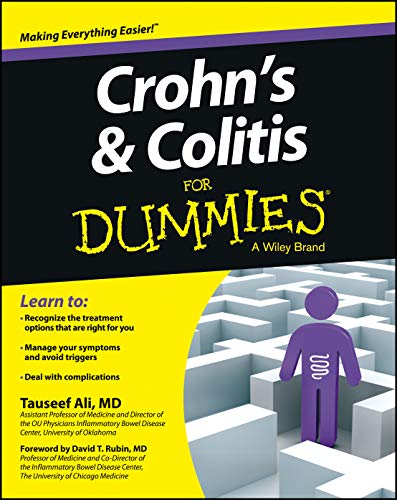
Crohn's and Colitis For Dummies: Ali
Manage your symptoms — explore ... monitoring medications and surviving school ... Tauseef Ali, MD, is <strong>an expert in the field of inflammatory bowel disease</strong>....

Visbiome® GI Care - High Potency Probiotic - 112.5 Billion CFU Live Probiotics, Original De Simone Formulation, Made in USA, 120 Capsules.
POWERFUL PROBIOTIC BLEND: <strong>Contains 8 clinically-tested strains with a potent 112.5 billion CFU per capsule</strong>. Designed for optimal gut health in both men and women. PROVEN EFFICACY: Boa
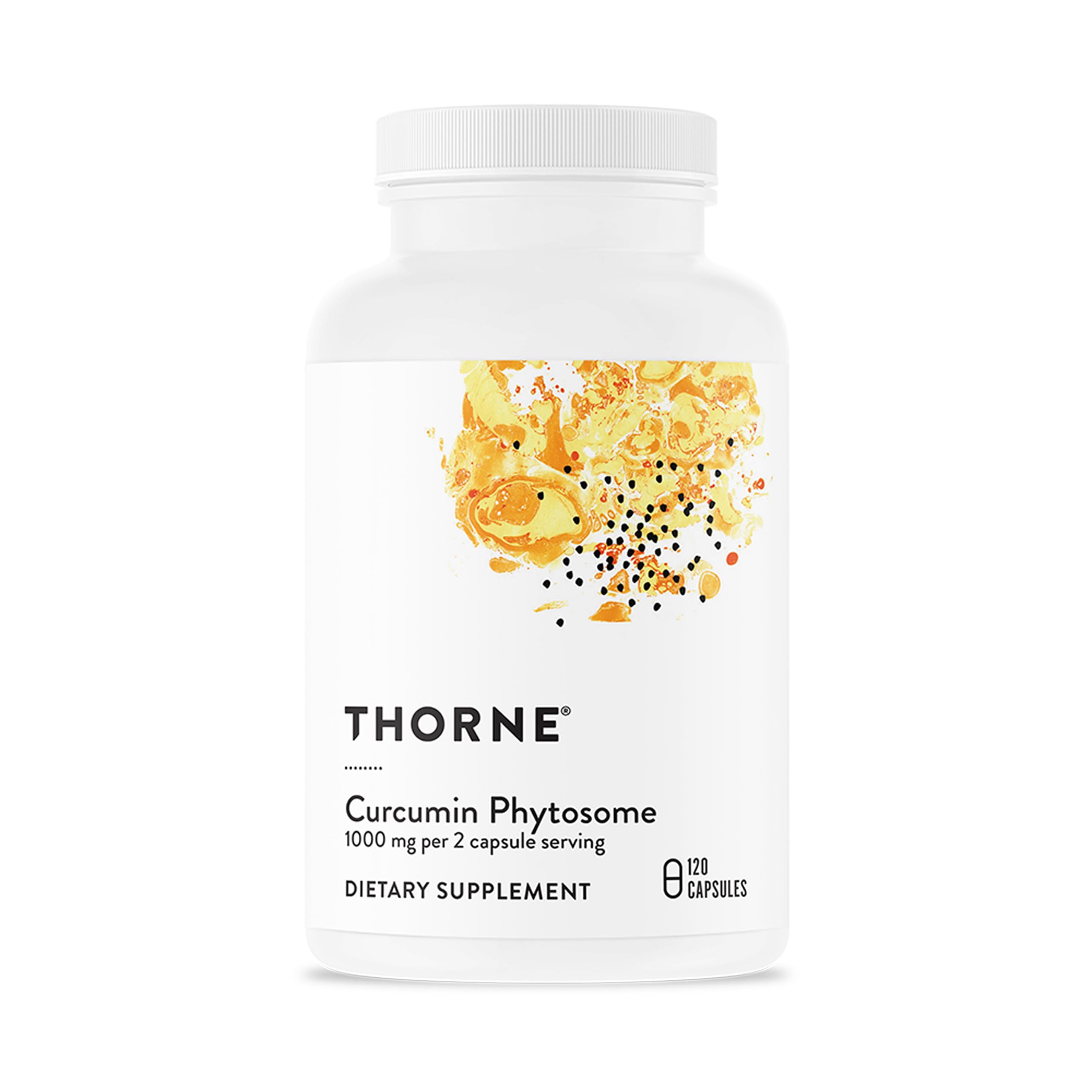
THORNE - Curcumin Phytosome 1000 mg (Meriva) - Clinically Studied, High Absorption - Supports Healthy Inflammatory Response in Joints, Muscles, GI Tract, Liver, Brain & Nerves* - 30 Servings
THORNE - Curcumin Phytosome 500 mg (Meriva) - Sustained Release, Clinically Studied - <strong>Supports Healthy Inflammatory Response in Joints, Muscles, GI Tract, Liver, Brain & Nerves</strong>* -
Health Disclaimer
This content is for informational purposes only and does not constitute medical advice. Always consult a qualified healthcare provider before starting, stopping, or changing any supplement or medication regimen.