

Probiotics
Overview
Probiotics are live microorganisms—most commonly certain strains of Lactobacillus, Bifidobacterium, and the yeast Saccharomyces boulardii—that are studied for their potential to support human health when consumed in adequate amounts. They are found in dietary supplements and in fermented foods such as yogurt, kefir, kimchi, miso, and sauerkraut. The modern concept of probiotics is closely tied to the gut microbiome, the complex community of bacteria, fungi, and other microbes that inhabit the digestive tract and interact with digestion, immune signaling, metabolism, and aspects of brain-gut communication.
Interest in probiotics has grown as research has linked microbial balance in the gut with a wide range of conditions, including antibiotic-associated diarrhea, irritable bowel syndrome, inflammatory bowel conditions, vaginal health, infant colic, and immune function. At the same time, probiotic science is notably nuanced: benefits are often strain-specific, dose-dependent, and influenced by the individual’s age, health status, diet, and existing microbiome composition. In other words, probiotics are not a single uniform category with interchangeable effects.
From a public health perspective, probiotics occupy a space between food, supplement, and microbiome-targeted intervention. Some uses are supported by relatively solid evidence, while others remain preliminary or inconsistent. Product quality also matters, since viability of organisms, storage conditions, formulation, and labeling accuracy can affect outcomes. For people who are immunocompromised, critically ill, or have complex medical conditions, professional guidance is important because live microorganisms may not be appropriate in every context.
Overall, probiotics are best understood as a heterogeneous class of biologically active organisms with promising but uneven evidence across conditions. Research suggests that certain probiotic strains may help restore microbial balance or reduce risk of specific digestive complications, yet broad claims about “improving gut health” often oversimplify a field that is still evolving.
Medical Perspectives
Two Ways of Seeing Health

Western
scientific · clinical
Western medicine applies science, technology, and clinical experience to treat symptoms through testing, diagnosis, and targeted intervention.

Eastern
traditional · alternative
Eastern medicine focuses on treating the body naturally by applying traditional knowledge practiced for thousands of years, emphasizing balance and whole-person wellness.
Gold Bamboo presents both perspectives side-by-side so you can make informed decisions. We don't advocate for one over the other — your health choices are yours.
Western Medicine Perspective
Western Medicine Perspective
In conventional medicine, probiotics are generally evaluated through the lens of microbiology, gastroenterology, immunology, and clinical trial evidence. The central scientific premise is that selected live microbes may influence host physiology by competing with potentially harmful organisms, producing metabolites such as short-chain fatty acids, supporting intestinal barrier integrity, modulating immune responses, and interacting with gut-brain signaling pathways. However, mainstream medicine emphasizes that these effects are not universal across all probiotic products; clinical relevance depends on the exact strain or combination of strains studied.
The strongest conventional evidence has been in a limited number of areas. Studies and guidelines indicate that some probiotics may help reduce the risk or duration of antibiotic-associated diarrhea, including diarrhea related to Clostridioides difficile in certain settings, and may offer benefit for selected patients with irritable bowel syndrome or infectious diarrhea. There is also research on probiotics for necrotizing enterocolitis in preterm infants, ulcerative colitis adjunctive support, Helicobacter pylori treatment tolerance, and certain aspects of urogenital health, though findings vary by population and strain. For many other claims—such as generalized immune enhancement, weight management, skin health, or mood support—the evidence remains mixed or emerging rather than definitive.
Safety is usually considered favorable in healthy individuals, but conventional medicine recognizes important exceptions. Cases of bacteremia or fungemia have been reported rarely, especially in people who are severely immunocompromised, hospitalized, critically ill, or using central venous catheters. Another practical concern is supplement quality: independent testing has sometimes found discrepancies between labeled and actual organisms or counts. Because of this, healthcare providers often interpret probiotic research cautiously and focus on indication-specific, strain-specific evidence rather than general marketing claims.
Eastern & Traditional Perspective
Eastern and Traditional Medicine Perspective
Traditional medical systems did not historically use the modern term “probiotic,” but many have long emphasized the health value of fermented foods, digestive balance, and the ecology of the gut. In Traditional Chinese Medicine (TCM), digestive function is often discussed in terms of the Spleen and Stomach systems, transformation of food into usable energy, and the maintenance of internal harmony. From this viewpoint, foods and substances that support digestion and reduce dampness or stagnation have traditionally been valued, and fermented foods may be interpreted as helping restore balance when digestion feels weakened or irregular.
In Ayurveda, digestive health centers on agni (digestive fire), proper assimilation, and the avoidance of ama (poorly processed metabolic residue). Although classical Ayurvedic texts do not describe microbial strains in modern terms, cultured foods such as yogurt-based preparations and fermented substances have been used in certain dietary contexts to support digestive resilience. Contemporary integrative practitioners sometimes map probiotics onto Ayurvedic concepts by suggesting they may help maintain a more balanced internal environment, though this is a modern interpretation rather than a direct classical equivalent.
In naturopathy and integrative medicine, probiotics are frequently viewed as part of a broader terrain-based approach that includes diet, fiber intake, stress regulation, and support for mucosal integrity. Rather than seeing probiotics as standalone solutions, these systems often frame them as one element in restoring gastrointestinal and immune equilibrium. This perspective aligns with the traditional principle that the body’s internal environment influences susceptibility to imbalance.
At the same time, responsible traditional and integrative frameworks increasingly acknowledge the same caveat recognized in biomedical research: not every probiotic is the same, and responses may differ considerably from person to person. As a result, modern East-meets-West discussions often combine traditional digestive theories with contemporary microbiome science, while recognizing that much of this integration is interpretive and still developing.
Related Topics
Prebiotics
Prebiotics — supplement topic in the Gold Bamboo health ontology.
How They Relate
Inflammatory Bowel Disease (IBD) & Probiotics
Inflammatory bowel disease (IBD) encompasses ulcerative colitis (UC) and Crohn’s disease (CD). UC causes continuous inflammation of the colon’s lining, while CD can affect any part of the gastroint...
Prebiotics & Probiotics
Prebiotics and probiotics both support a healthy gut, but they are not the same thing. Probiotics are live microorganisms that, when consumed in adequate amounts, confer a health benefit on the hos...
Supplements & Products
Recommended Products
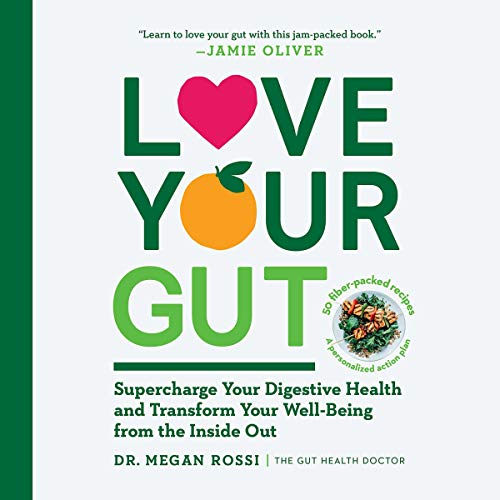
The Good Gut: Taking Control of Your Weight, Your Mood, and Your Long-term Health: Sonnenburg, Justin, Sonnenburg, Erica, Weil M.D., Andrew
Lucky for us, they are willing ... Stanford researchers and authors Justin and Erica Sonnenburg <strong>explain some of the mysteries of the invisible world inside us</strong>....

Jarrow Formulas Saccharomyces Boulardii + MOS Probiotics for Digestive Health and Intestinal Tract Support - 5 Billion CFU Per Serving - 90 Delayed Release Caps - Probiotic + Prebiotic - 90 Servings
<strong>Each capsule delivers 5 billion CFU of Saccharomyces boulardii, a probiotic yeast shown to help support gut health and the intestinal tract</strong>.(1) This supplement also provides MOS (mann

Align Probiotic Extra Strength, Probiotics for Women and Men, #1 Doctor Recommended Brand‡, 5X More Good Bacteria^ to Help Support a Healthy Digestive System*, 21 Capsules (Packaging May Vary)
WELL-STUDIED STRAIN: Align Probiotic ... gastroenterologists, is backed by 20+ years of research, and <strong>helps soothe occasional abdominal discomfort, gas, and bloating</strong>.*...
Evidence & Sources
Promising research with growing clinical support from multiple studies
- National Center for Complementary and Integrative Health (NCCIH)
- World Gastroenterology Organisation Global Guidelines
- American Gastroenterological Association
- Nature Reviews Gastroenterology & Hepatology
- The Lancet Gastroenterology & Hepatology
- Clinical Gastroenterology and Hepatology
- Frontiers in Microbiology
- World Health Organization / FAO guidelines on probiotics
This content is for informational purposes only and does not constitute medical advice. Always consult a qualified healthcare provider before starting, stopping, or changing any supplement or medication regimen.