

Prebiotics and Probiotics
Prebiotics and probiotics both support a healthy gut, but they are not the same thing. Probiotics are live microorganisms that, when consumed in adequate amounts, confer a health benefit on the host. Common supplemental strains include Lactobacillus rhamnosus GG, Bifidobacterium animalis subsp. lactis (e.g., BB-12), Lactobacillus plantarum, and the yeast Saccharomyces boulardii. They act by reinforcing the gut barrier, competing with pathogens, producing beneficial metabolites (lactic acid, bacteriocins), and tuning immune responses. Prebiotics are fermentable substrates selectively utilized by beneficial microbes. Well-studied types include inulin and fructo-oligosaccharides (FOS) from chicory root and onions, galacto-oligosaccharides (GOS) found in human milk and some supplements, resistant starch (from cooked-and-cooled potatoes, rice, and green bananas), and partially hydrolyzed guar gum (PHGG). In the colon, these fibers are fermented to short-chain fatty acids (SCFAs) like butyrate, acetate, and propionate that nourish colon cells, lower gut pH, and influence metabolic and immune pathways. The two interact synergistically. Prebiotics serve as food for resident microbes and for ingested probiotic strains, improving their survival and activity. This can shift microbiome composition toward more bifidobacteria and lactobacilli and increase SCFA production. Products that intentionally pair specific strains with their preferred substrates are called synbiotics. Targeted synbiotics may offer advantages for digestive comfort and some metabolic and immune outcomes, though research is still maturing. Clinical evidence shows complementary strengths. Probiotics have strong evidence for reducing antibiotic-associated diarrhea and modest evidence for some irritable bowel syndrome (IBS) symptoms and respiratory infections. Prebiotics consistently increase beneficial bacteria and can improve stool frequency and softness in constipation, with small benefits for blood sugar,脂
Updated September 8, 2026This content is for informational purposes only and does not constitute medical advice. Always consult a qualified healthcare provider before starting, stopping, or changing any supplement or medication regimen.
Overlapping Treatments
Irritable bowel syndrome (IBS) symptom management
Moderate EvidencePrebiotics can increase bifidobacteria and may improve stool consistency; some patients experience more gas/bloating, so tolerance varies (moderate).
Certain probiotic strains show modest improvements in global IBS symptoms and bloating; effects are strain-specific and heterogeneous (moderate).
Low-FODMAP diets reduce many prebiotic fibers; choose strain- and fiber-specific products if sensitivity is high.
Functional constipation
Moderate EvidenceInulin, GOS, and PHGG can increase stool frequency and soften stools in adults and children (moderate).
Some probiotic strains yield small improvements in stool frequency/consistency, but findings are inconsistent (emerging–moderate).
Gas and bloating may occur initially; adjust fiber intake gradually and hydrate appropriately.
Antibiotic-associated diarrhea (AAD) prevention
Strong EvidenceLimited direct evidence; prebiotics may help restore microbial fermentation after antibiotics (emerging).
Multiple RCTs/Cochrane reviews show reduced AAD risk with select strains (e.g., S. boulardii, L. rhamnosus GG) (strong).
Immunocompromised or critically ill patients require caution with live probiotics.
Ulcerative colitis (adjunctive maintenance)
Moderate EvidencePrebiotics and synbiotics may lower inflammatory markers and support remission maintenance (emerging).
Specific probiotics (e.g., E. coli Nissle 1917) can be comparable to mesalamine for maintaining remission in some studies (moderate).
Benefits are product-specific; not a replacement for standard therapy.
Metabolic health (NAFLD, insulin sensitivity)
Moderate EvidencePrebiotics can modestly improve insulin sensitivity, triglycerides, and liver enzymes in NAFLD (moderate).
Probiotics show small improvements in glycemic and lipid markers in some trials (emerging–moderate).
Effects are usually modest and adjunctive to diet/lifestyle.
Upper respiratory tract infection (URTI) risk/duration
Moderate EvidenceSome prebiotics in children reduce infection episodes and antibiotic use (emerging).
Probiotics modestly reduce incidence/duration of URTIs (moderate).
Strain choice and adherence matter; effects are preventive, not curative.
Stress, mood, and cognitive aspects (gut–brain axis)
Emerging ResearchGOS has reduced anxiety-related attention bias and cortisol in small studies (emerging).
“Psychobiotic” strains show small improvements in anxiety/depressive symptoms in select groups (emerging).
Preliminary findings; not a substitute for mental health care.
Medical Perspectives
Two Ways of Seeing Health

Western
scientific · clinical
Western medicine applies science, technology, and clinical experience to treat symptoms through testing, diagnosis, and targeted intervention.
Surgeons · Pharmaceuticals · Clinical trials · Diagnostics 
Eastern
traditional · alternative
Eastern medicine focuses on treating the body naturally by applying traditional knowledge practiced for thousands of years, emphasizing balance and whole-person wellness.
Acupuncture · Herbal medicine · Yoga · Meditation
Gold Bamboo presents both perspectives side-by-side so you can make informed decisions. We don't advocate for one over the other — your health choices are yours.
Two Ways of Seeing Health
Western
scientific · clinical
Western medicine applies science, technology, and clinical experience to treat symptoms through testing, diagnosis, and targeted intervention.
Eastern
traditional · alternative
Eastern medicine focuses on treating the body naturally by applying traditional knowledge practiced for thousands of years, emphasizing balance and whole-person wellness.
Gold Bamboo presents both perspectives side-by-side so you can make informed decisions. We don't advocate for one over the other — your health choices are yours.
Western Perspective
Western medicine differentiates probiotics (live microorganisms with documented health benefits) from prebiotics (selectively fermented substrates for beneficial microbes). Mechanistic and clinical data suggest complementary, sometimes synergistic, roles in gut barrier function, pathogen resistance, immune modulation, and SCFA-mediated metabolic effects. Evidence strength varies by strain, substrate, dose, population, and outcome.
Key Insights
- Definitions are standardized by international expert groups (ISAPP) to emphasize strain/substrate specificity and evidence-based benefits.
- Probiotics show strong evidence for preventing antibiotic-associated diarrhea and modest benefits for IBS symptoms and URTI prevention; results depend on specific strains.
- Prebiotics reliably increase bifidobacteria and SCFA production and improve bowel habits in constipation; they also show modest metabolic benefits.
- Synbiotics pair strains with their preferred substrates and can enhance colonization/activity; early trials suggest benefits in IBS and NAFLD.
- Safety is generally good, but rare infections have been reported with probiotics in high-risk patients; prebiotics may worsen bloating in FODMAP-sensitive individuals.
Treatments
- Probiotic supplementation with documented strains (e.g., L. rhamnosus GG, S. boulardii, E. coli Nissle 1917)
- Prebiotic fibers (inulin, FOS, GOS, PHGG, resistant starch)
- Synbiotics (targeted combinations of strains and substrates)
- Dietary strategies emphasizing fiber-rich foods and fermented foods
- Adjunctive use in specific conditions (e.g., AAD prevention, IBS, NAFLD)
Deep Dive
From a western clinical perspective, prebiotics and probiotics address the same ecosystem from different angles. Probiotics are defined as live ... From a western clinical perspective, prebiotics and probiotics address the same ecosystem from different angles. Probiotics are defined as live microorganisms that deliver a host benefit when administered in adequate amounts. Their effects are strain-specific: Lactobacillus rhamnosus GG and Saccharomyces boulardii reduce antibiotic-associated diarrhea; Escherichia coli Nissle 1917 can help maintain remission in ulcerative colitis; carefully selected lactobacilli and bifidobacteria may ease irritable bowel syndrome symptoms. Mechanistically, probiotics reinforce epithelial tight junctions, acidify the lumen, produce antimicrobial compounds, and calibrate innate and adaptive immunity. Yet they often do not permanently colonize; benefits are tied to continued intake and context, including diet and host microbiota. Prebiotics, by contrast, are substrates selectively used by beneficial microbes. Inulin, FOS, GOS, resistant starch, and PHGG reach the colon and are fermented to short-chain fatty acids (SCFAs)—notably butyrate, which fuels colonocytes and supports barrier integrity. Prebiotics reliably increase bifidobacteria and can improve stool frequency and consistency in constipation. They also have small, favorable effects on glycemic control and lipids, likely via SCFA-mediated signaling and bile acid modulation. However, because many prebiotics are FODMAPs, individuals with IBS may experience gas and bloating at typical intakes. Together, these approaches can be synergistic. Synbiotics—rational pairings of strains with their preferred substrates—can enhance survival and activity of the probiotic, with early evidence for benefits in IBS, nonalcoholic fatty liver disease, and post-surgical recovery. Safety profiles are generally favorable: prebiotics mainly cause dose-dependent GI symptoms, while probiotics are well tolerated in healthy people but require caution in the severely ill, immunocompromised, or those with central lines. Product quality matters; evidence is strain- and substrate-specific, and labels should disclose strain IDs, viable counts through shelf life, substrate type, and storage conditions. Overall, the evidence supports choosing probiotics for infection- and antibiotic-related diarrhea risks and certain IBS phenotypes, prebiotics for constipation and microbiome nourishment, and synbiotics when combined benefits or tolerance justify them.
Sources
- Hill C et al. Nat Rev Gastroenterol Hepatol. 2014;11:506-514.
- Gibson GR et al. Nat Rev Gastroenterol Hepatol. 2017;14:491-502.
- Swanson KS et al. Nat Rev Gastroenterol Hepatol. 2020;17:687-701.
- Goldenberg JZ et al. Cochrane Database Syst Rev. 2017;12:CD004827.
- Hao Q et al. Cochrane Database Syst Rev. 2015;2:CD006895.
- Dimidi E et al. Clin Nutr. 2014;33:301-317.
- Khan MY et al. Clin Res Hepatol Gastroenterol. 2019;43:575-588.
- Besselink MG et al. N Engl J Med. 2008;358:1718-1727.
Eastern Perspective
Traditional systems emphasize nourishing the digestive “terrain.” Ayurveda focuses on strengthening Agni (digestive fire) with fiber-rich plant foods, spices, and fermented dairy; Traditional Chinese Medicine (TCM) supports the Spleen–Stomach axis through balanced, cooked foods and select ferments. While these traditions did not use the modern terms “prebiotic” or “probiotic,” many long-standing dietary practices provide fermentable fibers and live cultures that align with contemporary concepts. Integrative approaches increasingly bridge these views with modern microbiome science.
Key Insights
- Fermented foods (e.g., yogurt, kefir, pickled vegetables, miso) provide live cultures akin to food-based probiotics and are traditionally consumed to promote digestive harmony.
- Legumes, whole grains, roots, and certain herbs supply fibers that function as prebiotics, fostering a resilient gut ecosystem.
- Balancing dampness/phlegm in TCM and mitigating Ama (metabolic residue) in Ayurveda parallels reducing dysbiosis and gut inflammation.
- Personalization is central: constitutions/doshas or TCM patterns guide the choice between lighter fibers versus soothing ferments.
- Modern integrative practice uses synbiotics conceptually by pairing cultured foods with fiber-rich meals to enhance tolerance and benefit.
Treatments
- Fermented foods (yogurt, kefir, kimchi, sauerkraut, miso)
- Prebiotic-rich foods (onions, garlic, leeks, asparagus, legumes, whole grains)
- Ayurvedic botanicals and blends (e.g., Triphala) traditionally used for bowel regularity
- TCM dietary therapy to strengthen Spleen–Stomach with warm, cooked, fiber-containing dishes
- Mindful eating and routine to optimize Agni/qi flow
Deep Dive
Traditional and integrative frameworks view gut health as the foundation for whole-body balance. Ayurveda emphasizes strengthening Agni—efficien... Traditional and integrative frameworks view gut health as the foundation for whole-body balance. Ayurveda emphasizes strengthening Agni—efficient digestion and assimilation—through regular routines, mindful eating, and foods that are naturally rich in fibers and beneficial cultures. This maps neatly onto modern notions of prebiotics and probiotics. Legumes, whole grains, roots, and fruits supply fermentable fibers that feed resident microbes; fermented dairy like lassi or yogurt contributes live cultures that calm and nourish a sensitive gut. The classic Ayurvedic blend Triphala is traditionally used to promote regularity and gentle cleansing—goals similar to prebiotic strategies. In Traditional Chinese Medicine, the Spleen and Stomach transform food into qi and blood; when this system is taxed, dampness and phlegm accumulate, akin to dysbiosis and sluggish motility. TCM dietary therapy privileges warm, cooked, fiber-containing meals that are easy to process, while small amounts of fermented vegetables, soy products, or grains can add harmonizing microbial inputs. Both traditions emphasize personalization: a person with cold, sluggish digestion may benefit more from cooked fibers and gentle ferments, while someone with heat and loose stools might limit strong ferments temporarily and favor soothing, soluble fibers. Modern integrative practice bridges these views with microbiome science by combining cultured foods with fiber-rich plants (a de facto synbiotic meal), progressing slowly to respect tolerance, and aligning choices with an individual’s constitution or pattern. While traditional sources rarely quantify strains or substrates, their emphasis on whole diets, gradual change, and attentiveness to symptoms complements evidence-based selection of specific probiotic strains and prebiotic fibers. The shared message is pragmatic: nourish the terrain, support microbial diversity, and seek balance through both what you eat and how you eat.
Sources
- Liu RH. J Agric Food Chem. 2013;61:9927-9943 (traditional diets and health).
- Marco ML et al. Nutr Rev. 2017;75:1-10 (fermented foods and health).
- Peterson CT et al. J Altern Complement Med. 2017;23:607-614 (Triphala overview).
- De Vrese M, Schrezenmeir J. Adv Biochem Eng Biotechnol. 2008;111:1-66 (fermented foods).
Evidence Ratings
Probiotics reduce antibiotic-associated diarrhea in many settings.
Goldenberg JZ et al. Cochrane Database Syst Rev. 2017;12:CD004827.
Prebiotics increase bifidobacteria and SCFA production in the colon.
Gibson GR et al. Nat Rev Gastroenterol Hepatol. 2017;14:491-502.
Prebiotic fibers improve stool frequency/consistency in constipation.
Dimidi E et al. Clin Nutr. 2014;33:301-317.
Select probiotics modestly improve global IBS symptoms and bloating.
Ford AC et al. Am J Gastroenterol. 2014;109:1547-1561 (and updates).
Synbiotics can benefit metabolic markers in NAFLD.
Khan MY et al. Clin Res Hepatol Gastroenterol. 2019;43:575-588.
Probiotics modestly reduce incidence/duration of URTIs.
Hao Q et al. Cochrane Database Syst Rev. 2015;2:CD006895.
GOS prebiotics may reduce stress-related biomarkers/attentional bias.
Schmidt K et al. Psychopharmacology. 2015;232:1793-1801.
Live probiotics can rarely cause bloodstream or fungemia infections in high-risk patients.
Doron S, Snydman DR. Clin Infect Dis. 2015;60(Suppl 2):S129-S134; Enache-Angoulvant A. Med Mycol. 2009;47:417-426.
Sources
- Hill C, et al. Expert consensus document: The International Scientific Association for Probiotics and Prebiotics consensus statement on the scope and appropriate use of the term probiotic. Nat Rev Gastroenterol Hepatol. 2014;11:506-514.
- Gibson GR, et al. The concept of prebiotics revisited. Nat Rev Gastroenterol Hepatol. 2017;14:491-502.
- Swanson KS, et al. Synbiotics: Translating the concept to practice. Nat Rev Gastroenterol Hepatol. 2020;17:687-701.
- Goldenberg JZ, et al. Probiotics for the prevention of Clostridium difficile-associated diarrhea in adults and children. Cochrane Database Syst Rev. 2017;12:CD004827.
- Hao Q, et al. Probiotics for preventing acute upper respiratory tract infections. Cochrane Database Syst Rev. 2015;2:CD006895.
- Dimidi E, et al. The effect of prebiotics on human bowel function. Clin Nutr. 2014;33:301-317.
- Khan MY, et al. Probiotics, prebiotics and synbiotics in non-alcoholic fatty liver disease. Clin Res Hepatol Gastroenterol. 2019;43:575-588.
- Besselink MG, et al. Probiotic prophylaxis in predicted severe acute pancreatitis. N Engl J Med. 2008;358:1718-1727.
- Doron S, Snydman DR. Risk and safety of probiotics. Clin Infect Dis. 2015;60(Suppl 2):S129-S134.
- Enache-Angoulvant A, Hennequin C. Invasive Saccharomyces infection: a comprehensive review. Med Mycol. 2009;47:417-426.
- Schmidt K, et al. Prebiotic intake reduces the waking cortisol response and alters emotional bias. Psychopharmacology. 2015;232:1793-1801.
- Marco ML, et al. Health benefits of fermented foods. Nutr Rev. 2017;75:1-10.
- Koh A, et al. From dietary fiber to host physiology: SCFAs as key bacterial metabolites. Cell. 2016;165:1332-1345.
- Kruis W, et al. Maintaining remission of ulcerative colitis with E. coli Nissle 1917. Gut. 2004;53:1617-1623.
- Schnadower D, et al. Lactobacillus rhamnosus GG vs placebo in acute gastroenteritis in children. N Engl J Med. 2018;379:2002-2014.
Related Topics
Recommended Products

The Good Gut: Taking Control of Your Weight, Your Mood, and Your Long-term Health: Sonnenburg, Justin, Sonnenburg, Erica, Weil M.D., Andrew
Lucky for us, they are willing ... Stanford researchers and authors Justin and Erica Sonnenburg <strong>explain some of the mysteries of the invisible world inside us</strong>....

Florastor Probiotics for Digestive and Immune Health, 100 Capsules, Probiotics for Women & Men, Helps Flush Out Bad Bacteria, Boosts The Good with Our Unique Strain Saccharomyces Boulardii
Saccharomyces boulardii CNCM I-745 250mg, Lactose 32.5mg.
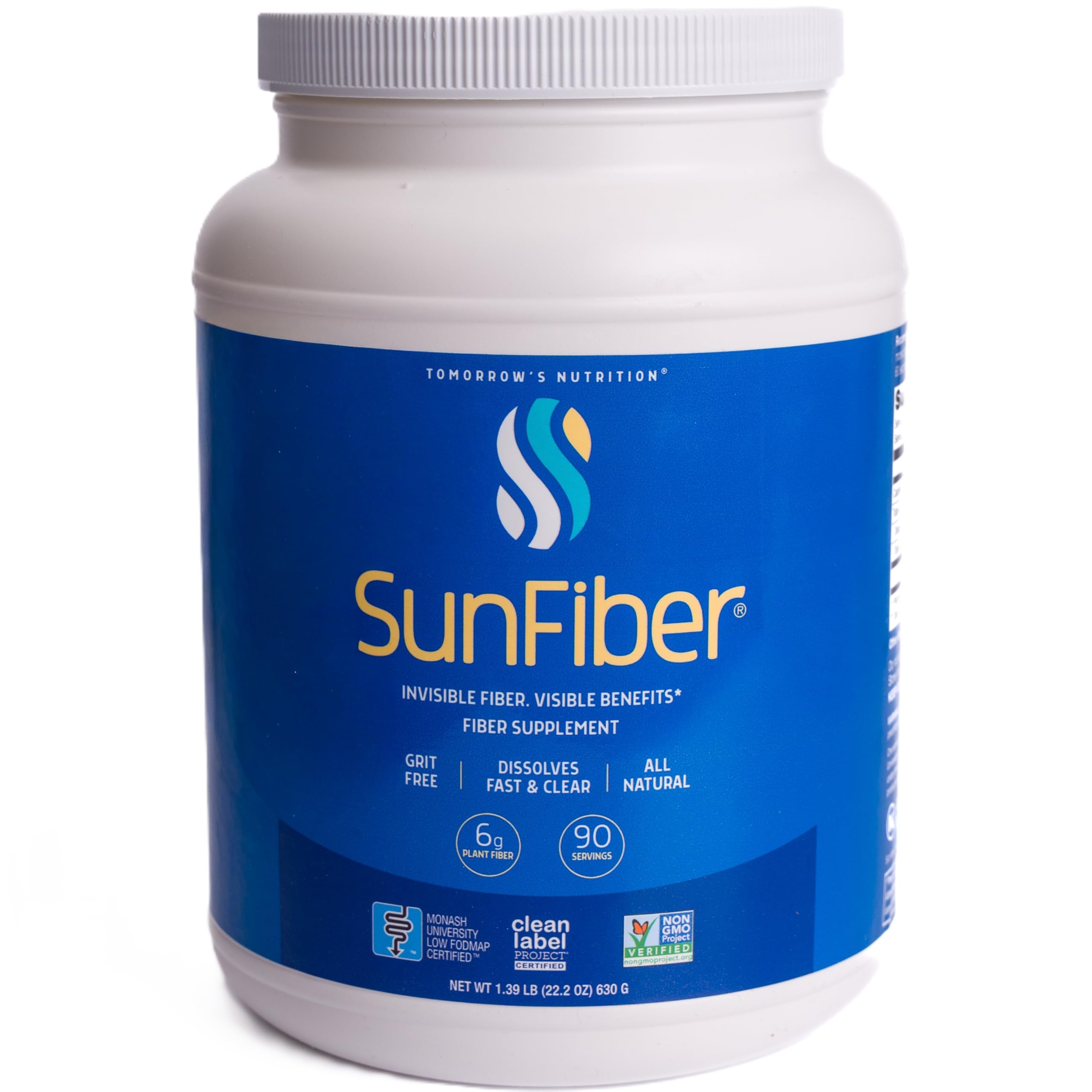
Tomorrow's Nutrition, Sunfiber, Prebiotic Fiber Supplement for Digestive Health, Low FODMAP, Gluten-Free, Unflavored, 30 Servings : Everything Else
Buy Tomorrow's Nutrition, Sunfiber, Prebiotic Fiber Supplement for Digestive Health, Low FODMAP, Gluten-Free, Unflavored, 30 Servings on Amazon.com ✓ FREE SHIPPING on qualified orders
Health Disclaimer
This content is for informational purposes only and does not constitute medical advice. Always consult a qualified healthcare provider before starting, stopping, or changing any supplement or medication regimen.