

Inflammatory Bowel Disease and Primary Sclerosing Cholangitis
Inflammatory bowel disease (IBD)—principally ulcerative colitis (UC) and Crohn’s disease—has a well-established clinical relationship with primary sclerosing cholangitis (PSC), a chronic cholestatic liver disease characterized by inflammation and stricturing of the bile ducts. Understanding this gut–liver connection matters because the coexistence of these conditions changes screening strategies, cancer risks, and long-term management. Epidemiologically, 60–80% of people with PSC have concomitant IBD, most often UC. Conversely, PSC occurs in about 2–8% of people with UC and 1–3% with Crohn’s disease. PSC is more common in men and is often diagnosed in early to mid-adulthood. IBD may precede PSC by years, but PSC can also appear first or be diagnosed concurrently. In PSC‑IBD, colitis tends to be more extensive but sometimes less symptomatic, with distinctive features such as right‑sided predominance and rectal sparing. Importantly, colorectal cancer (CRC) risk is substantially higher in PSC‑IBD than in IBD alone, prompting earlier and more frequent colonoscopic surveillance. Shared mechanisms likely drive the association. Research points to a disrupted gut–liver axis involving intestinal barrier changes, microbial dysbiosis, and immune cross‑talk. Gut-primed lymphocytes can home to the liver via adhesion molecules (e.g., MAdCAM‑1, VAP‑1) abnormally expressed in PSC. Genetic susceptibility (certain HLA haplotypes and other loci) and environmental factors further shape risk. These converging pathways can sustain both intestinal inflammation and bile‑duct injury. Clinical interactions are bidirectional. Coexisting IBD influences PSC phenotype and increases risks of colorectal neoplasia, gallbladder neoplasia, and cholangiocarcinoma. PSC, in turn, changes IBD surveillance needs: guidelines commonly advise colonoscopy at the time of PSC diagnosis and at close intervals thereafter. Dominant bile‑duct strictures require careful endoscopic management, and persistent cholé
Updated September 8, 2026This content is for informational purposes only and does not constitute medical advice. Always consult a qualified healthcare provider before starting, stopping, or changing any supplement or medication regimen.
Shared Risk Factors
Shared HLA and immune-genetic susceptibility
Strong EvidenceGenome-wide studies identify overlapping risk loci (HLA-DRB1*03:01, DRB1*13:01 and non-HLA loci) that increase susceptibility to PSC and to colonic IBD, especially ulcerative colitis.
Gut–liver lymphocyte homing (MAdCAM-1/CCR9–CCL25/VAP-1)
Moderate EvidenceAberrant expression of mucosal addressins and chemokines in the liver allows gut-primed T cells to home to bile ducts, sustaining biliary inflammation in the context of intestinal inflammation.
Microbiome dysbiosis and barrier dysfunction
Moderate EvidenceReduced microbial diversity and barrier integrity in IBD increase translocation of bacterial products to the liver via the portal vein, driving cholangiocyte injury; PSC shows distinct dysbiosis signatures.
Autoimmune milieu and atypical pANCA
Moderate EvidenceAutoantibodies such as atypical pANCA occur in both PSC and UC, reflecting overlapping autoimmune phenomena, though not diagnostic on their own.
Demographic and environmental modifiers
Emerging ResearchMale sex and Northern European ancestry are linked to higher PSC prevalence; prior antibiotic exposures, non-smoking, and vitamin D insufficiency may shape risk trajectories for both conditions.
Comorbidity Data
Prevalence
IBD is present in ~60–80% of PSC cases; PSC occurs in ~2–8% of UC and ~1–3% of Crohn’s disease. PSC-IBD often shows extensive but sometimes mild-symptom colitis.
Mechanistic Link
Gut–liver axis abnormalities—immune cell homing (MAdCAM-1/VAP-1 pathways), dysbiosis, and increased intestinal permeability—allow gut-primed lymphocytes and microbial products to injure bile ducts in genetically susceptible hosts.
Clinical Implications
PSC-IBD confers markedly increased colorectal cancer risk versus IBD alone, warranting colonoscopy at PSC diagnosis and at close intervals thereafter. PSC also carries high risks of dominant strictures, recurrent cholangitis, and cholangiocarcinoma; gallbladder neoplasia risk is elevated. PSC progression is not clearly altered by colectomy; post–liver transplant IBD may flare or change phenotype.
Sources (6)
- Bowlus CL et al. AASLD Practice Guidance on PSC and cholangiocarcinoma. Hepatology. 2022.
- EASL Clinical Practice Guidelines: Sclerosing cholangitis. J Hepatol. 2022.
- Singh S et al. Risk of colorectal neoplasia in PSC-IBD: systematic review/meta-analysis. Clin Gastroenterol Hepatol. 2013.
- Boonstra K et al. Epidemiology and phenotype of PSC and PSC-IBD. Hepatology. 2012.
- Eksteen B et al. Hepatic expression of MAdCAM-1 and lymphocyte homing in PSC. Hepatology. 2004.
- Kummen M et al. Gut microbiota signatures in PSC with/without IBD. Gut/Hepatology. 2017.
Overlapping Treatments
Coordinated colonoscopic surveillance
Strong EvidenceEarly detection of dysplasia/cancer in extensive colitis; informs IBD management.
Addresses elevated colorectal cancer risk inherent to PSC-IBD.
Interval and techniques (high-definition, chromoendoscopy) follow guideline-based shared decision-making; surveillance reduces but does not eliminate risk.
Oral vancomycin (select patients/in trials)
Emerging ResearchSmall studies suggest improved colitis activity in PSC-IBD subsets.
Pediatric and small adult studies show biochemical improvement (e.g., ALP); survival benefit unproven.
Limited RCT data; antimicrobial resistance and relapse after cessation are concerns; specialist oversight advised.
Vitamin D optimization
Moderate EvidenceMay support mucosal immunity and bone health in IBD; deficiency is common.
Addresses cholestasis-related bone disease and fat-soluble vitamin deficits.
Monitor levels; malabsorption in cholestasis may necessitate individualized strategies.
Bile acid sequestrants (e.g., cholestyramine)
Moderate EvidenceCan reduce bile acid–related diarrhea, especially with ileal disease or resection.
First-line symptomatic therapy for cholestatic pruritus in PSC.
May bind other medications and fat-soluble vitamins; dose timing and monitoring are important.
Curcumin (turmeric extract) as adjunct
Emerging ResearchMeta-analyses show benefit as adjunct in mild-to-moderate UC for symptom control and remission maintenance.
Theoretical anti-cholestatic/anti-fibrotic effects; clinical benefit in PSC unproven.
Product quality varies; rare hepatobiliary adverse effects reported; not a substitute for standard care.
Microbiome-directed therapy (probiotics/FMT in trials)
Emerging ResearchCertain probiotics and FMT can aid mild-to-moderate UC symptoms/remission in selected settings.
Early FMT studies in PSC show ALP improvements in subsets; evidence preliminary.
Strain-specific effects; infection risk and regulatory oversight for FMT; effects on hard outcomes unknown.
Lifestyle: Mediterranean-style diet and regular physical activity
Moderate EvidenceAssociated with improved quality of life and inflammatory profiles in IBD.
Supports liver and metabolic health; may reduce systemic inflammation.
Adjunctive only; personalization needed for active flares or cholestatic symptoms.
Medical Perspectives
Two Ways of Seeing Health

Western
scientific · clinical
Western medicine applies science, technology, and clinical experience to treat symptoms through testing, diagnosis, and targeted intervention.
Surgeons · Pharmaceuticals · Clinical trials · Diagnostics 
Eastern
traditional · alternative
Eastern medicine focuses on treating the body naturally by applying traditional knowledge practiced for thousands of years, emphasizing balance and whole-person wellness.
Acupuncture · Herbal medicine · Yoga · Meditation
Gold Bamboo presents both perspectives side-by-side so you can make informed decisions. We don't advocate for one over the other — your health choices are yours.
Two Ways of Seeing Health
Western
scientific · clinical
Western medicine applies science, technology, and clinical experience to treat symptoms through testing, diagnosis, and targeted intervention.
Eastern
traditional · alternative
Eastern medicine focuses on treating the body naturally by applying traditional knowledge practiced for thousands of years, emphasizing balance and whole-person wellness.
Gold Bamboo presents both perspectives side-by-side so you can make informed decisions. We don't advocate for one over the other — your health choices are yours.
Western Perspective
Western medicine recognizes PSC and IBD as tightly linked immune-mediated disorders connected through the gut–liver axis. In clinical practice, PSC is frequently accompanied by extensive colitis, and this combination elevates risks for colorectal and hepatobiliary cancers. Management emphasizes cancer surveillance, endoscopic therapy for dominant strictures, optimized IBD control, and timely referral for liver transplantation when indicated.
Key Insights
- IBD is present in most PSC patients (predominantly UC); PSC occurs in a minority of IBD cases but markedly alters risk profiles.
- PSC-IBD confers a substantially higher colorectal cancer risk than IBD alone; surveillance colonoscopy begins at PSC diagnosis and continues at close intervals.
- Cholangiocarcinoma risk is a major concern in PSC; noninvasive imaging (e.g., MRCP) and careful evaluation of dominant strictures are central to monitoring.
- UDCA improves biochemistry but has not shown survival benefit; high-dose regimens are harmful. Immunosuppression for IBD does not modify PSC progression.
- Liver transplantation is definitive for end-stage PSC; PSC can recur post-transplant, and IBD activity may change afterward.
Treatments
- High-definition colonoscopy with dye-spray chromoendoscopy for dysplasia surveillance
- Endoscopic balloon dilation of dominant strictures; cautious stenting when necessary
- Standard IBD therapies (5-ASA, corticosteroids for flares, biologics such as anti-TNF, vedolizumab, ustekinumab)
- Selective antibiotics (e.g., oral vancomycin in trials) and clinical-trial agents (e.g., nor-UDCA)
- Liver transplantation for decompensation, intractable cholangitis/pruritus, or selected cholangiocarcinoma protocols
Deep Dive
From a Western clinical viewpoint, PSC and IBD are interwoven conditions connected by the gut–liver axis. Epidemiologic data show that most peop... From a Western clinical viewpoint, PSC and IBD are interwoven conditions connected by the gut–liver axis. Epidemiologic data show that most people with PSC have IBD—typically ulcerative colitis with extensive, sometimes subtly symptomatic colitis—while a smaller fraction of those with IBD develop PSC. The coexistence of PSC reshapes risk: colorectal cancer risk is markedly higher in PSC‑IBD than in IBD alone, and hepatobiliary cancers (cholangiocarcinoma, gallbladder cancer) become key concerns. Accordingly, guidelines recommend colonoscopy at the time of PSC diagnosis and at close intervals thereafter, using high‑definition imaging and often dye‑spray chromoendoscopy, alongside gallbladder surveillance and vigilance for dominant bile‑duct strictures. Mechanistically, translational studies highlight immune cell trafficking between gut and liver. Gut‑primed lymphocytes can home to the biliary tree via hepatic expression of mucosal addressins (MAdCAM‑1) and enzymes (VAP‑1), while microbial dysbiosis and barrier dysfunction expose the liver to bacterial products via the portal circulation. Genetics—especially HLA variants—further predispose to this coupled inflammatory state. Management is dual‑track. For PSC, ursodeoxycholic acid may improve cholestatic enzymes but has not improved transplant‑free survival, and high doses are discouraged. Endoscopic therapy addresses dominant strictures and cholangitis risk. Liver transplantation remains definitive for advanced disease, with recognition that IBD activity may change post‑transplant. For IBD, standard therapies (5‑ASA, corticosteroids for flares, biologics such as anti‑TNF, vedolizumab, or ustekinumab) are used, though none convincingly alters PSC progression. Emerging approaches—oral vancomycin, microbiome‑directed therapies, nor‑UDCA—are under study but not yet established for long‑term outcomes. Across this landscape, coordinated hepatology–gastroenterology care and proactive cancer surveillance are central to improving quality of life and long‑term prognosis.
Sources
- Bowlus CL et al. AASLD Practice Guidance on PSC and cholangiocarcinoma. Hepatology. 2022.
- EASL Clinical Practice Guidelines: Sclerosing cholangitis. J Hepatol. 2022.
- BSG/UK-PSC Guidelines for PSC. Gut. 2019.
- ECCO statements on CRC surveillance in IBD (including PSC-IBD). 2017–2022 updates.
- Singh S et al. Clin Gastroenterol Hepatol. 2013.
Eastern Perspective
Traditional systems frame PSC-IBD within holistic models of gut–liver interdependence. In Traditional Chinese Medicine (TCM), patterns such as Liver–Gallbladder Damp-Heat with Spleen Qi deficiency and Blood stasis are invoked to explain cholestasis alongside colitis. Ayurveda attributes many manifestations to aggravated Pitta (heat/inflammation) with impaired Agni (digestion) and Ama (toxins). Integrative care focuses on calming intestinal inflammation, supporting bile flow, easing pruritus and fatigue, and strengthening resilience through diet, botanicals, and mind–body practices.
Key Insights
- Dietary regulation is foundational—favoring cooling, anti-inflammatory, and easily digestible foods during active colitis, with gradual diversification in remission.
- Herbal strategies aim to clear heat/dampness (e.g., Yin Chen Hao–based formulas in TCM) and soothe intestinal inflammation (e.g., Kutaj, turmeric/Haridra, Guduchi in Ayurveda). Evidence ranges from traditional use to modern adjunctive trials in UC.
- Mind–body practices (meditation, breathwork, gentle yoga) may lower stress-related flares and improve quality of life in chronic gut–liver disorders.
- Acupuncture is used to modulate pain, motility, and stress; small trials suggest symptomatic benefit in UC, though bile-duct outcomes are unstudied.
- Safety and coordination are emphasized due to potential herb–drug interactions and rare hepatotoxicity of certain botanicals (e.g., indigo naturalis).
Treatments
- Curcumin (Haridra) as adjunct in mild-to-moderate UC (evidence moderate); cholestatic benefit unproven
- TCM formulas targeting Damp-Heat (e.g., Long Dan Xie Gan Tang, Yin Chen Hao Tang) under licensed supervision
- Acupuncture and acupressure for symptom relief and stress modulation
- Probiotics and fermented foods tailored to tolerance
- Mind–body therapies: mindfulness, paced breathing, yoga nidra
Deep Dive
Traditional and integrative frameworks interpret PSC‑IBD through a holistic lens in which digestive fire, detoxification, and bile flow are inti... Traditional and integrative frameworks interpret PSC‑IBD through a holistic lens in which digestive fire, detoxification, and bile flow are intimately connected with systemic inflammation. In TCM, many patients fit patterns of Damp‑Heat in the Liver–Gallbladder network combined with Spleen Qi deficiency: stagnation and heat manifest as cholestasis, pruritus, and right‑sided discomfort, while Spleen deficiency contributes to loose stools, fatigue, and food sensitivity. Treatment principles include clearing Damp‑Heat (e.g., Yin Chen Hao–based formulas), harmonizing the middle burner to soothe colitis, and moving Blood to address fibrosis and pain—always individualized and supervised by trained practitioners. Ayurveda frames similar dynamics as aggravated Pitta (heat/inflammation) with impaired Agni and accumulation of Ama, guiding cooling, easily digested diets, gentle bitters, and anti‑inflammatory botanicals such as Guduchi and turmeric (Haridra). Integrative care emphasizes foundations: nourishment tailored to tolerance (e.g., Mediterranean‑style patterns during remission; simplified, low‑irritant meals during flares), restoration of microbial balance (select probiotics and, investigationally, FMT), and stress modulation through meditation, breathwork, and restorative movement. Evidence for curcumin as an adjunct in mild‑to‑moderate ulcerative colitis is relatively robust, while bile‑duct outcomes remain untested. Acupuncture may help pain, motility, and stress reactivity, though data specific to PSC are lacking. Safety is paramount: some botanicals (e.g., indigo naturalis) have documented hepatobiliary adverse effects despite UC efficacy, and herb–drug interactions are possible. Within a collaborative model, these approaches can complement guideline‑directed hepatology and gastroenterology care, aiming to reduce symptom burden, support liver and gut resilience, and enhance overall well‑being.
Sources
- Hanai H et al. Curcumin for UC remission maintenance. Clin Gastroenterol Hepatol. 2006.
- Naganuma M et al. Indigo naturalis for UC—efficacy and safety concerns. J Crohns Colitis. 2018–2019.
- Systematic reviews of acupuncture/probiotics in UC (multiple).
- TCM/Ayurveda classical texts and contemporary integrative reviews.
Evidence Ratings
Most patients with PSC have concomitant IBD, predominantly ulcerative colitis.
Bowlus CL et al. Hepatology. 2022; EASL J Hepatol. 2022.
PSC-IBD carries a 3–5-fold higher colorectal cancer risk than IBD alone, warranting intensified surveillance.
Singh S et al. Clin Gastroenterol Hepatol. 2013 (systematic review/meta-analysis).
UDCA improves cholestatic labs but does not improve transplant-free survival in PSC; high-dose UDCA is harmful.
AASLD 2022 Guidance; BSG/UK-PSC Gut 2019.
Aberrant gut-primed lymphocyte homing to the liver (MAdCAM-1/VAP-1 pathways) links intestinal and biliary inflammation.
Eksteen B et al. Hepatology. 2004 (translational studies).
Oral vancomycin can lower ALP in some PSC patients and may improve colitis activity, but evidence remains preliminary.
Tabibian JH et al. Am J Gastroenterol. 2013; small pediatric/adult studies.
Curcumin is an effective adjunct for mild-to-moderate UC symptom control and remission maintenance.
Hanai H et al. Clin Gastroenterol Hepatol. 2006; multiple meta-analyses.
Distinct gut microbiome profiles are seen in PSC (with or without IBD), supporting a gut–liver axis contribution.
Kummen M et al. Gut/Hepatology. 2017.
Sources
- Bowlus CL, et al. AASLD Practice Guidance on Primary Sclerosing Cholangitis and Cholangiocarcinoma. Hepatology. 2022.
- European Association for the Study of the Liver (EASL). Clinical Practice Guidelines: Sclerosing Cholangitis. J Hepatol. 2022.
- BSG/UK-PSC Guidelines on PSC. Gut. 2019.
- Singh S, et al. Risk of colorectal neoplasia in PSC-IBD: a systematic review and meta-analysis. Clin Gastroenterol Hepatol. 2013.
- Eksteen B, et al. Hepatic expression of MAdCAM-1 and lymphocyte homing in PSC. Hepatology. 2004.
- Kummen M, et al. Gut microbiota profiles in PSC with and without IBD. Gut/Hepatology. 2017.
- Tabibian JH, et al. Vancomycin in PSC: pilot/observational studies. Am J Gastroenterol/Hepatology. 2013–2014.
- Allegretti JR, et al. FMT for PSC: pilot study. Hepatology/Clin Gastroenterol Hepatol. 2019.
- Hanai H, et al. Curcumin as adjunct therapy in UC. Clin Gastroenterol Hepatol. 2006.
- Naganuma M, et al. Indigo naturalis in UC—efficacy and safety signals. J Crohns Colitis. 2018–2019.
Related Topics
Recommended Products
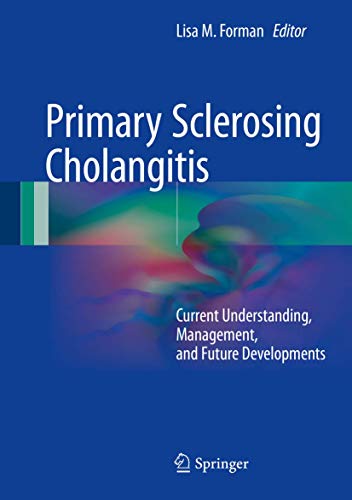
Primary Sclerosing Cholangitis: Current Understanding, Management, and Future Developments: Forman, Lisa M.
Written by experts in the field, <strong>Primary Sclerosing Cholangitis: Current Understanding, Management, and Future Developments</strong> is a valuable resource for clinicians, surgeons and researc
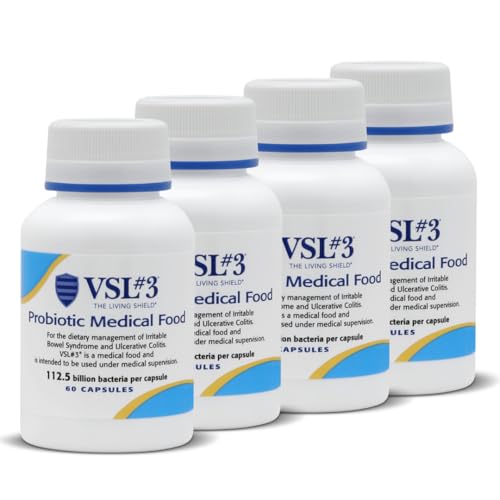
VSL#3® Probiotics for Digestive Health, IBS & UC Symptoms - 112.5B CFUs, High-Potency, Multi-Strain, Live, Refrigerated Probiotic, Medical Food for Gut Health Support in Men & Women, 240 Capsules
EIGHT-STRAIN BENEFITS: Scientifically formulated with 8 complementary probiotic strains from 3 different genera, VSL#3 is <strong>designed to restore balance and support issues like bloating and irreg

Callion Pharma DEKAs Essential Liquid Dietary Supplement – Vitamins D, E, K and A (ADEK) 2 fl oz-Berry Peach Flavor, 60
DEKAs Essential Liquid Dietary Supplement is a multivitamin supplement that <strong>optimizes the absorption of vitamins D, E, K and A (ADEK).</strong>* 2 fl. oz (60mL) liquid/bottle (berry-peach flav
Health Disclaimer
This content is for informational purposes only and does not constitute medical advice. Always consult a qualified healthcare provider before starting, stopping, or changing any supplement or medication regimen.