

Moderate Evidence

Promising research with growing clinical support from multiple studies

Natural Remedies for Chronic Sinusitis

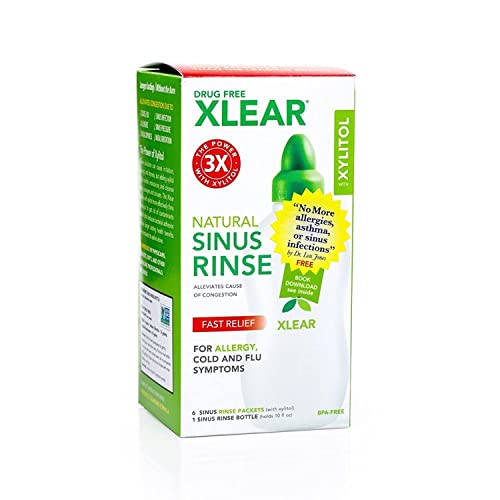
Chronic rhinosinusitis (CRS) is persistent inflammation of the nasal and sinus passages lasting 12 weeks or longer, often marked by nasal blockage, facial pressure, thick discharge, and reduced sense of smell. Because CRS has multiple drivers—anatomic narrowing, ongoing inflammation (allergic or non‑allergic), microbial biofilms, and immune dysregulation—people frequently explore “natural” options alongside conventional care. Comparing Western biomedical and Eastern traditional frameworks helps clarify why different remedies are chosen and how they may fit together safely. In Western medicine, CRS is typically categorized by endoscopic and CT findings and by inflammatory subtype: CRS with nasal polyps (CRSwNP), CRS without nasal polyps (CRSsNP), and phenotypes such as allergy‑dominant, nonallergic eosinophilic, infection‑prone, or structurally obstructive disease. Diagnosis uses history, nasal endoscopy, and sometimes CT imaging; allergy testing and evaluation for asthma or aspirin‑exacerbated respiratory disease may refine treatment. Evidence‑based mainstays include large‑volume saline irrigation to physically clear mucus and reduce inflammatory mediators, and intranasal corticosteroids to calm mucosal swelling. Short courses of oral corticosteroids may be used for severe polyps; antibiotics are generally reserved for acute bacterial exacerbations rather than routine use. When medical therapy is insufficient, endoscopic sinus surgery can restore ventilation and drainage, and biologic medications (such as dupilumab) can reduce polyp burden in selected patients with type‑2 inflammation. These options are supported by strong clinical evidence, yet some people continue to have symptoms, experience side effects, or prefer to emphasize non‑pharmacologic strategies. Naturopathic and Western herbal traditions emphasize measures that support mucociliary clearance and modulate inflammation. Saline irrigation is strongly supported and widely recommended; some add xylitol to

respiratory Updated March 20, 2026

This content is for informational purposes only and does not constitute medical advice. Always consult a qualified healthcare provider before starting, stopping, or changing any supplement or medication regimen.

Western Medicine

Diagnosis

Western clinicians define chronic rhinosinusitis (CRS) as sinonasal inflammation persisting for 12 or more weeks with symptoms such as nasal obstruction, discharge, facial pain/pressure, and/or smell loss, plus objective evidence on nasal endoscopy (mucosal edema, pus, polyps) or CT. Subtypes include CRS with nasal polyps (CRSwNP) and without polyps (CRSsNP), and phenotypes endotype by drivers such as allergy, nonallergic eosinophilic inflammation, biofilm‑associated infection, and anatomic obstruction (e.g., deviated septum). Workup may include allergy testing, assessment for asthma/AERD, and evaluation of contributing factors (smoking, reflux).

Treatments

  • Patient education and trigger management (allergens, smoke, irritants)
  • Nasal saline irrigation (large‑volume, isotonic/hypertonic)
  • Intranasal corticosteroid sprays or irrigations
  • Short oral corticosteroid courses for severe CRSwNP
  • Antibiotics for acute bacterial exacerbations when indicated; limited role in stable CRS
  • Allergy management (intranasal antihistamines for rhinitis; immunotherapy when appropriate)
  • Leukotriene receptor antagonists in selected allergic/AERD cases
  • Functional endoscopic sinus surgery (FESS) for refractory disease or anatomic blockage
  • Biologics for CRSwNP with type‑2 inflammation (e.g., dupilumab; omalizumab, mepolizumab in selected cases)
  • Adjunctive measures: nasal decongestants short term for congestion; pain control; smoking cessation

Medications

  • fluticasone (intranasal)
  • mometasone (intranasal)
  • budesonide (intranasal; in saline irrigations under specialist guidance)
  • prednisone (short course)
  • amoxicillin–clavulanate
  • doxycycline
  • azithromycin (selected long‑term low‑dose regimens; evidence mixed)
  • clarithromycin (selected long‑term low‑dose regimens; evidence mixed)
  • montelukast (selected cases)
  • dupilumab
  • omalizumab
  • mepolizumab
  • oxymetazoline (short‑term topical decongestant)
  • pseudoephedrine (short‑term oral decongestant)

Limitations

Even with guideline‑based care, some patients have persistent symptoms or recurrence after surgery. Intranasal steroids can cause nasal dryness/epistaxis; oral steroids carry systemic risks and are limited to short courses. Routine long‑term antibiotics have limited benefit and may contribute to resistance and microbiome disruption. Biologics are costly and reserved for specific endotypes. Not all patients have access to experienced endoscopic surgeons or allergists.

Evidence: Strong Evidence

Sources

  • Guidelines from the American Academy of Otolaryngology–Head and Neck Surgery (2015 update) recommend saline irrigation and intranasal corticosteroids as first‑line therapy for CRS.
  • The 2020 European Position Paper on Rhinosinusitis and Nasal Polyps (EPOS 2020) details CRS phenotypes/endotypes and stepwise management including surgery and biologics.
  • A Cochrane Review (2016) found intranasal corticosteroids improve symptoms in CRS.
  • A Cochrane Review (2023) reported that large‑volume saline irrigation improves CRS symptoms and quality of life.
  • NEJM trials (2019; SINUS‑24 and SINUS‑52) showed dupilumab reduces polyp size and improves symptoms in CRSwNP.
  • Systematic reviews note limited and mixed benefits of long‑term macrolides in CRS, with concerns about adverse effects and resistance.

Eastern & Traditional Medicine

Naturopathy/Western herbalism

Focuses on restoring mucociliary clearance, thinning secretions, and moderating inflammation. Selection is guided by dominant features (thick mucus, recurrent infection, allergy, biofilm concerns). Emphasizes non‑drug hygiene measures first, then botanicals and nutraceuticals with anti‑inflammatory or mucolytic actions.

Techniques

  • Saline nasal irrigation (distilled/sterile water)
  • Nasal irrigation additives: xylitol; emerging research on manuka honey (antimicrobial/biofilm‑disrupting)
  • Steam inhalation and humidification for symptomatic comfort
  • Topical agents used by some clinicians: very dilute baby‑shampoo or povidone‑iodine in irrigations (off‑label; specialist oversight advised)
  • Mucolytics: N‑acetylcysteine (NAC) and bromelain
  • Probiotics (oral; experimental intranasal approaches) targeting microbiome balance
  • Vitamins/minerals and flavonoids: vitamin D (in deficiency), vitamin C, quercetin, zinc (oral only; intranasal zinc avoided)
  • Herbal combinations such as Sinupret (gentian, primrose, sorrel, elderflower, verbena) and individual herbs used for upper‑airway support (e.g., Andrographis, elderberry); evidence strongest for acute rhinosinusitis, limited for chronic forms
Naturopathic doctor (ND) Integrative/functional medicine physician Clinical herbalist ENT with integrative focus Pharmacist with integrative training
Evidence: Moderate Evidence

Traditional Chinese Medicine (TCM)

CRS is framed as impaired Lung and Spleen function with retention of wind‑heat or damp‑phlegm in the nasal passages and sinuses, sometimes complicated by underlying qi deficiency. Pattern diagnosis (bian zheng) guides therapy: acute exacerbations often reflect wind‑heat; chronic congestion and polyps align with damp‑phlegm and Spleen qi deficiency. Treatment aims to expel wind, clear heat, transform phlegm, and strengthen qi.

Techniques

  • Herbal formulas tailored to pattern; commonly used: Cang Er Zi San (Xanthii Fructus, Magnoliae Flos/Xin Yi Hua, Angelica dahurica/Bai Zhi, Mentha/Bo He) for nasal obstruction; Bi Yan Pian patent remedies; adjunct formulas like Yu Ping Feng San for recurrent deficiency patterns
  • Acupuncture at points such as LI20 (Yingxiang), Bitong (EX‑HN8), Yintang, DU23, LI4 (Hegu), LI11 (Quchi), ST36 (Zusanli), SP9 (Yinlingquan), tailored per pattern
  • Self‑care: gentle acupressure along the nasofacial groove and Yintang; warming foot soaks; dietary emphasis on reducing phlegm‑forming foods in chronic damp‑phlegm patterns
Licensed acupuncturist (LAc) TCM herbalist Integrative MD/DO with TCM training
Evidence: Emerging Research

Ayurveda

CRS corresponds to Pratishyaya/Peenasa with predominant Kapha dosha (mucus stagnation) often aggravated by ama (metabolic byproducts) and cold, heavy foods. Management aims to liquefy and expel Kapha, kindle agni (digestive/metabolic fire), and support respiratory channels.

Techniques

  • Nasya (therapeutic nasal administration) with medicated oils or ghee under practitioner guidance
  • Jal neti (saline nasal cleansing) and steam inhalation (swedana)
  • Herbal decoctions and powders such as Trikatu (Pippali, black pepper, ginger), Tulsi (Ocimum sanctum), Guduchi (Tinospora cordifolia), and Sitopaladi for Kapha modulation
  • Dietary/lifestyle: warm, lightly spiced foods; avoidance of cold/dairy in Kapha‑dominant patterns; gentle daily routine with adequate sleep
Ayurvedic physician (BAMS/MD Ayurveda) Ayurvedic practitioner/therapist Integrative MD/DO with Ayurveda training
Evidence: Traditional Use

Sources

  • A 2023 Cochrane review supports large‑volume saline irrigation for CRS symptom improvement.
  • Small randomized trials suggest xylitol added to saline may improve CRS outcomes versus saline alone; findings are mixed and stinging is more common.
  • Pilot studies of manuka‑honey irrigations show in vitro anti‑biofilm effects and small clinical improvements; larger trials are needed.
  • Reviews indicate steam provides temporary comfort but limited disease‑modifying effect and carries burn risk if mishandled.
  • Narrative reviews report NAC and bromelain may reduce mucus viscosity and inflammation; high‑quality CRS‑specific trials are limited.
  • Systematic reviews of probiotics in CRS show heterogeneous, preliminary results; no consensus strains or regimens.
  • Observational studies associate low vitamin D with worse CRS; supplementation benefits remain uncertain without clear RCTs.
  • Randomized trials of Sinupret and several herbs show benefit mainly in acute rhinosinusitis; extrapolation to CRS is tentative.
  • Safety notes include: use sterile water for irrigation; avoid intranasal zinc (anosmia risk); bromelain may increase bleeding risk with anticoagulants; NAC may interact with nitroglycerin and provoke bronchospasm in sensitive individuals.
  • A 2022 systematic review of acupuncture for CRS suggests symptom improvement when added to standard therapy, though trials are small and risk of bias varies.
  • Chinese randomized trials of Cang Er Zi San derivatives report benefits for nasal symptoms; methodological quality and standardization are variable.
  • Pharmacologic studies indicate Magnolia (Xin Yi Hua) and Xanthium components may have anti‑inflammatory and anti‑allergic effects in vitro; clinical translation remains uncertain.
  • Safety considerations: Xanthii Fructus can be hepatotoxic if improperly processed or dosed; avoid unsupervised use and during pregnancy. Quality control of imported herbs is essential.
  • Classical Ayurvedic texts describe nasya and neti for Pratishyaya/Peenasa with Kapha predominance.
  • Small contemporary studies report symptomatic benefits of nasya and neti; rigorous CRS‑specific randomized trials are limited.
  • Safety/quality notes: improper nasya technique may risk aspiration; some Ayurvedic products have been reported to contain heavy metals—source from reputable, quality‑tested suppliers and work with qualified practitioners.

Integrative Perspective

Practical integration often starts with a safe foundation: guideline‑supported saline irrigation (using sterile or distilled water) and environmental management, layered with individualized options. For inflammation‑dominant disease, conventional intranasal corticosteroids have strong evidence; some patients add acupuncture for symptom relief based on emerging data. In mucus‑dominant patterns, naturopathic approaches (humidification, cautious use of mucolytics like NAC or bromelain) may complement irrigation, while TCM or Ayurvedic herbs are selected according to pattern (e.g., damp‑phlegm/Kapha). Early research suggests that adding xylitol to saline may improve outcomes in some cases, but results are mixed. Potential conflicts and cautions: - Herb–drug interactions: bromelain and some botanicals may increase bleeding risk with anticoagulants/antiplatelets; quercetin and Andrographis may affect drug‑metabolizing enzymes; Pelargonium and high‑dose garlic may influence coagulation. Coordinate with your clinician and pharmacist. - Product quality: choose GMP‑certified herbal products; avoid intranasal zinc (anosmia risk). Ensure TCM/Ayurvedic herbs are from reputable suppliers to minimize contamination/adulteration risks. - Technique and safety: always use sterile or distilled water for irrigation to avoid rare but serious infections; avoid very hot steam to prevent burns; nasya should be supervised by trained practitioners. When conventional ENT care is necessary: red‑flag symptoms such as swelling around the eye, vision changes, severe headache, high fever, stiff neck, or neurologic symptoms warrant urgent evaluation. Persistent symptoms beyond 12 weeks, repeated antibiotic‑requiring flares, unilateral symptoms, or suspected polyps/structural blockage merit specialist assessment and possible imaging/endoscopy. Biologics or surgery may be appropriate for selected CRSwNP or obstructive cases. Research gaps: high‑quality randomized trials are needed for xylitol/manuka irrigations, probiotics (strain‑specific effects), TCM formulas, and Ayurvedic nasya specifically in CRS. Useful resources include specialty guidelines (AAO‑HNS, EPOS), Cochrane Reviews, and integrative medicine monographs. Consult your healthcare provider before making changes to your health regimen.

Sources

  1. American Academy of Otolaryngology–Head and Neck Surgery guideline update (2015) on adult sinusitis management
  2. European Position Paper on Rhinosinusitis and Nasal Polyps (EPOS 2020)
  3. Cochrane Review (2016): Intranasal corticosteroids for chronic rhinosinusitis
  4. Cochrane Review (2023): Nasal saline irrigation for chronic rhinosinusitis
  5. NEJM (2019): Dupilumab in CRSwNP (SINUS‑24 and SINUS‑52)
  6. Systematic reviews on long‑term macrolides in CRS (mixed efficacy; antimicrobial resistance concerns)
  7. Systematic review (2022) on acupuncture as adjunct therapy for CRS (emerging evidence)
  8. Pilot and small RCTs on xylitol and manuka‑honey irrigations in CRS (mixed, preliminary)
  9. Reviews on probiotics and vitamin D in CRS (associations; limited interventional data)
  10. JAMA and public health reports on heavy metal contamination in some traditional medicines (quality control imperative)

Related Content

comparisons

Holistic Treatment for Chronic Sinusitis (Chronic Rhinosinusitis): East vs West

Holistic Treatment for Chronic Sinusitis (Chronic Rhinosinusitis). Chronic sinusitis—more precisely called chronic rhinosinusitis (CRS)—is persistent inflammation of the nasal and sinus lining for 12 weeks or longer. Western medicine classifies CRS into two main subtypes: with nasal polyps (CRSwNP) and without nasal polyps (CRSsNP). This distinction matters because

relationships

Chronic Rhinosinusitis (CRS) and Acupuncture

Chronic Rhinosinusitis (CRS) and Acupuncture. Chronic rhinosinusitis (CRS) is a long-standing inflammation of the nasal and sinus linings lasting 12 weeks or more. It affects about 5–12% of adults and is commonly divided into CRS with nasal polyps (CRSwNP) and without nasal polyps (CRSsNP). Symptoms include nasal blockage or discharge, facial p

comparisons

Acupuncture for Chronic Bronchitis: East vs West

Acupuncture for Chronic Bronchitis. Chronic bronchitis is a clinical syndrome defined by a chronic productive cough for at least three months per year over two consecutive years, commonly occurring within the broader spectrum of chronic obstructive pulmonary disease (COPD). From a western medical perspective, airway inflammation, mucu

articles

Natural Remedies for Seasonal Allergies: Evidence‑Based Herbs, Supplements, and Lifestyle Strategies

Natural Remedies for Seasonal Allergies: Evidence‑Based Herbs, Supplements, and Lifestyle Strategies. If you’re sneezing, congested, and itchy every spring or fall, you’re likely searching for natural remedies for seasonal allergies that actually help. Seasonal allergic rhinitis (hay fever) is driven by your immune system reacting to airborne pollen or mold, releasing histamine and other inflammator

relationships

Allergic Rhinitis (Hay Fever) and Acupuncture

Allergic Rhinitis (Hay Fever) and Acupuncture. Acupuncture is frequently sought as an adjunctive option for allergic rhinitis (hay fever), a common condition marked by sneezing, nasal congestion, itching, and rhinorrhea that can seriously affect quality of life during pollen seasons or year‑round. Research over the past two decades includes mult

comparisons

Natural Remedies for Chronic Prostatitis (CP/CPPS): East vs West

Natural Remedies for Chronic Prostatitis (CP/CPPS). Chronic prostatitis/chronic pelvic pain syndrome (CP/CPPS) is a common, often frustrating condition defined by pelvic or perineal pain, urinary symptoms, and quality‑of‑life impacts lasting three months or longer. In the NIH classification, most men with long‑standing symptoms fall into Category III

Health Disclaimer

This content is for informational purposes only and does not constitute medical advice. Always consult a qualified healthcare provider before starting, stopping, or changing any supplement or medication regimen.