Moderate Evidence

Promising research with growing clinical support from multiple studies

Natural Remedies for Chronic Prostatitis (CP/CPPS)

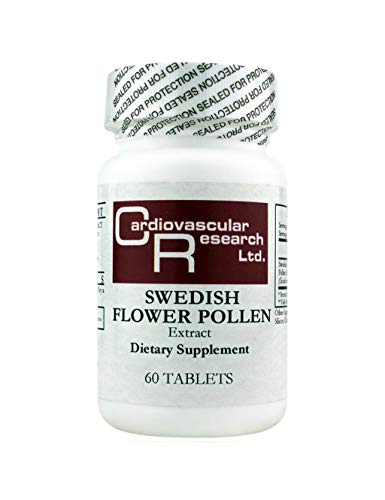
Chronic prostatitis/chronic pelvic pain syndrome (CP/CPPS) is a common, often frustrating condition defined by pelvic or perineal pain, urinary symptoms, and quality‑of‑life impacts lasting three months or longer. In the NIH classification, most men with long‑standing symptoms fall into Category III (CP/CPPS), where no active bacterial infection is found; a smaller subset has chronic bacterial prostatitis (Category II). Because the causes are multifactorial—ranging from pelvic‑floor muscle dysfunction and central sensitization to low‑grade inflammation and psychosocial stress—people frequently seek “natural” options to complement standard urologic care. Understanding how Western and Eastern traditions evaluate these strategies can help align choices with personal goals, such as reducing pain, improving urinary or sexual function, and enhancing day‑to‑day well‑being. From a Western biomedical perspective, evaluation aims to exclude red flags and infection, then relieve symptoms. Urologists may use the NIH‑CPSI (a validated symptom index), urinalysis and cultures, and a phenotype framework (e.g., UPOINT) to tailor multimodal care. Conventional options include alpha‑blockers, anti‑inflammatories, short antibiotic trials if infection is suspected, pelvic‑floor physical therapy, neuropathic pain medications, and behavioral stress management. Within this framework, several “natural” or nonpharmacologic interventions are studied. Pelvic‑floor physical therapy and myofascial trigger‑point release show meaningful improvements in global response and pain in randomized trials, likely by normalizing muscle tone and reducing peripheral nociception. Among nutraceuticals, quercetin—a flavonoid with antioxidant and mast‑cell–modulating properties—improved NIH‑CPSI scores in a small placebo‑controlled trial, with some replication in combination products. Rye‑grass pollen extracts (e.g., standardized Cernilton‑type products) have reduced pain and total NIH‑CPSI scores in several RCT

mens-health Updated March 20, 2026

This content is for informational purposes only and does not constitute medical advice. Always consult a qualified healthcare provider before starting, stopping, or changing any supplement or medication regimen.

Western Medicine

Diagnosis

Clinicians first rule out acute infection and urgent conditions, then distinguish chronic bacterial prostatitis (Category II) from CP/CPPS (Category III). Tools include history and physical exam (including pelvic floor assessment), urinalysis/urine culture, STI testing as indicated, and sometimes expressed prostatic secretion or pre/post‑massage urine tests. Imaging or cystoscopy is reserved for atypical features. Symptom burden is tracked with the NIH‑CPSI (pain, urinary symptoms, quality of life). Phenotyping systems such as UPOINT help individualize multimodal care.

Treatments

  • Pelvic‑floor physical therapy and myofascial trigger‑point release
  • Behavioral interventions: stress reduction, biofeedback, cognitive behavioral strategies
  • Thermal/comfort measures (heat, sitz baths), activity modification (reduced prolonged sitting/cycling)
  • Alpha‑blockers (for voiding symptoms) combined with other modalities
  • Short trial of antibiotics only when bacterial prostatitis is suspected/confirmed
  • NSAIDs and other analgesic strategies (limited duration)
  • Neuropathic pain agents, psychological support when central sensitization features are present
  • Adjunctive natural options: phytotherapy (quercetin, pollen extracts, saw palmetto), anti‑inflammatory nutraceuticals (curcumin, omega‑3s), probiotics, aerobic exercise
  • Selected device‑based therapies (e.g., extracorporeal shock wave therapy) in specialized settings

Medications

  • Tamsulosin or alfuzosin
  • Ibuprofen or naproxen
  • Ciprofloxacin or trimethoprim–sulfamethoxazole (for confirmed/suspected bacterial cases)
  • Amitriptyline or nortriptyline (neuropathic pain modulation)
  • Gabapentin or pregabalin
  • Finasteride (selected phenotypes)
  • Sildenafil or tadalafil (for comorbid erectile dysfunction)
  • Antimuscarinics such as solifenacin (overactive bladder features)

Limitations

Diagnosis is often by exclusion, and CP/CPPS is heterogeneous. Responses to any single therapy are variable, and placebo effects can be substantial. Long‑term antibiotics offer limited benefit in nonbacterial disease and carry risks. Evidence for many nutraceuticals is based on small trials with variable product quality. Relapse is common, requiring ongoing self‑management and multimodal care.

Evidence: Moderate Evidence

Sources

  • Guidelines from the American Urological Association (AUA) on male chronic pelvic pain (2022) emphasize multimodal, phenotype‑guided care including pelvic‑floor PT and behavioral strategies.
  • A multicenter randomized trial (J Urol, 2013) found myofascial physical therapy superior to global massage for urologic chronic pelvic pain.
  • Randomized, placebo‑controlled trials from the late 1990s show quercetin improved NIH‑CPSI scores versus placebo in CP/CPPS.
  • Systematic reviews (2017–2021) report modest benefits of rye‑grass pollen extracts on NIH‑CPSI, with heterogeneity in study quality.
  • Meta‑analyses of extracorporeal shock wave therapy report moderate reductions in NIH‑CPSI compared with sham in the short term.

Eastern & Traditional Medicine

Traditional Chinese Medicine (TCM): acupuncture, herbal medicine, moxibustion, tuina/qigong

TCM views CP/CPPS through pattern differentiation. Common patterns include damp‑heat in the lower burner (urinary burning, heaviness), qi and blood stasis (fixed, stabbing pelvic pain), and kidney yin/yang deficiency (chronic dull ache, fatigue, sexual dysfunction). Treatment seeks to clear damp‑heat, move qi/blood, and tonify kidney as indicated.

Techniques

  • Acupuncture point strategies often include CV3 (Zhongji), CV4 (Guanyuan), SP6 (Sanyinjiao), BL32/BL33 (sacral points), LV3 (Taichong), KI3 (Taixi); electroacupuncture may be used
  • Herbal formulas tailored to pattern, e.g., Ba Zheng San or Long Dan Xie Gan Tang (damp‑heat), Tao Hong Si Wu Tang or Xue Fu Zhu Yu Tang (blood stasis), Liu Wei Di Huang Wan or Zhi Bai Di Huang Wan (kidney deficiency) with modifications
  • Moxibustion for cold/damp or yang deficiency patterns
  • Tuina (manual therapy) and pelvic‑focused qigong/breathing for relaxation and circulation
Licensed acupuncturists (LAc) TCM physicians (China) Herbalists trained in Chinese materia medica
Evidence: Moderate Evidence

Ayurveda

CP/CPPS is interpreted within mutraghata/ashmari or shukra dhatu/vata disorders—often involving apana vayu derangement, inflammation, and tissue depletion. Therapy aims to balance vata, reduce local inflammation/ama, and support rejuvenation (rasayana).

Techniques

  • Herbal support commonly uses Gokshura (Tribulus terrestris), Varuna (Crataeva nurvala), Punarnava (Boerhaavia diffusa), Shallaki (Boswellia serrata), and formulations like Chandraprabha Vati, individualized by prakriti and symptoms
  • Basti (medicated enemas) for vata pacification in pelvic disorders
  • Abhyanga (warm oil massage) and gentle yoga/pranayama for pelvic relaxation and stress reduction
BAMS‑trained Ayurvedic physicians Ayurvedic practitioners/therapists
Evidence: Emerging Research

Naturopathic/Integrative medicine

Focuses on anti‑inflammatory nutrition, stress physiology, microbiome health, and pelvic‑floor function. Interventions often complement urologic care and emphasize patient self‑management.

Techniques

  • Anti‑inflammatory dietary patterns; identification of bladder irritants (e.g., caffeine, alcohol, very spicy foods)
  • Targeted nutraceuticals used in Western research: quercetin, rye‑grass pollen extracts, curcumin, omega‑3s
  • Probiotics to support gut‑urogenital axis (evidence preliminary)
  • Breathwork, mindfulness, and graded movement to down‑regulate pain circuits
Naturopathic doctors (ND) Integrative medicine physicians (MD/DO) Dietitians with integrative focus
Evidence: Emerging Research

Homeopathy

Remedies are selected by individualized symptom profiles (e.g., pelvic pain modalities, urinary frequency), aiming to stimulate self‑regulation.

Techniques

  • Individualized remedy selection and follow‑up consultations
Certified homeopaths Integrative clinicians trained in homeopathy
Evidence: Traditional Use

Sources

  • A 2018 randomized, sham‑controlled trial in Annals of Internal Medicine reported clinically meaningful NIH‑CPSI improvements with acupuncture versus sham in CP/CPPS, persisting at follow‑up.
  • Systematic reviews and meta‑analyses (2019–2022) suggest acupuncture reduces NIH‑CPSI total and pain subscores compared with sham/usual care; study quality varies.
  • Reviews of Chinese herbal medicine for CP/CPPS (2015–2021) report symptom improvements versus comparators, but trials are small, heterogeneous, and often at risk of bias.
  • Classical texts (e.g., Charaka Samhita, Sushruta Samhita) describe vata‑pacifying and rasayana strategies for chronic pelvic and urinary disorders.
  • Modern clinical evidence in CP/CPPS is limited to small, uncontrolled studies and case series; rigorous RCTs are scarce.
  • Randomized trials support quercetin and pollen extracts for reducing NIH‑CPSI in some patients; effects vary by product and phenotype.
  • Evidence for curcumin (often combined with Serenoa repens or quercetin) is from small RCTs with short follow‑up; omega‑3s and probiotics have limited CP/CPPS‑specific trials.
  • No high‑quality RCTs specifically support homeopathy for CP/CPPS; use is based on practitioner experience and traditional homeopathic principles.

Integrative Perspective

An integrative plan often layers pelvic‑floor physical therapy (to address myofascial contributors) with symptom‑targeted acupuncture and selected nutraceuticals. Trials combining nutraceuticals (e.g., quercetin with curcumin or pollen extracts) suggest additive benefits on NIH‑CPSI in some patients, though heterogeneity and product variability limit firm conclusions. Coordination is key: share all supplements and traditional formulas with your urologist and pharmacist to check for interactions. Herb–drug cautions include: quercetin (may affect CYP3A4/2C19 and P‑gp, altering drug levels), curcumin and omega‑3s (potential additive bleeding risk with anticoagulants/antiplatelets and around surgery), and saw palmetto (possible antiplatelet effects; rare liver enzyme elevations). Pollen extracts can trigger allergic reactions in sensitized individuals. Probiotics are generally well tolerated but should be used cautiously in people who are severely immunocompromised or have central lines. For acupuncture, minor bleeding/bruising can occur; practitioners take precautions with anticoagulated patients. Quality matters: choose third‑party–tested supplements and work with credentialed practitioners (e.g., licensed acupuncturists, board‑certified urologists). Red flags needing urgent medical evaluation include fever/chills, acute urinary retention, severe or escalating pain, blood in urine, systemic illness, or signs of acute infection. Early communication can also prevent duplication of therapies (e.g., overlapping anti‑inflammatory agents).

Sources

  1. American Urological Association (AUA) Guideline on Male Chronic Pelvic Pain (2022): phenotype‑guided, multimodal management including pelvic‑floor PT, behavioral therapy, and selective use of medications.
  2. FitzGerald et al., J Urol (2013): Multicenter randomized trial showing myofascial physical therapy superior to global massage in urologic chronic pelvic pain.
  3. Shoskes et al., Urology (1999): Double‑blind RCT showing quercetin improved NIH‑CPSI vs placebo in CP/CPPS.
  4. Systematic reviews (2017–2021) of rye‑grass pollen extract report modest improvements in NIH‑CPSI; study quality varies across trials.
  5. Annals of Internal Medicine (2018): Randomized, sham‑controlled trial demonstrating acupuncture reduced NIH‑CPSI with sustained benefit at 24 weeks.
  6. Meta‑analyses (2019–2022) suggest acupuncture improves total and pain subscores on NIH‑CPSI versus sham/usual care.
  7. Small RCTs (2014–2019) of curcumin (often with Serenoa repens and/or quercetin) show greater NIH‑CPSI reductions compared with comparators; short follow‑up, product variability.
  8. NCCIH/NIH fact sheets: safety profiles and interaction considerations for turmeric/curcumin, saw palmetto, omega‑3s, and probiotics.
  9. Reviews of Chinese herbal medicine for CP/CPPS (2015–2021): signal of benefit but high risk of bias and heterogeneity.
  10. Cochrane and guideline reviews on antibiotics/alpha‑blockers in CP/CPPS highlight modest, phenotype‑dependent effects and the value of multimodal care.

Related Content

comparisons

Chronic Prostatitis / Chronic Pelvic Pain Syndrome (CP/CPPS): East vs West

Chronic Prostatitis / Chronic Pelvic Pain Syndrome (CP/CPPS). Chronic prostatitis, more precisely termed chronic pelvic pain syndrome (CP/CPPS), is a common and often frustrating condition characterized by pelvic or perineal pain that lasts at least three months, with or without urinary and sexual symptoms. Unlike acute or chronic bacterial prostatitis, CP/CPP

comparisons

Interstitial Cystitis (Bladder Pain Syndrome): East vs West

Interstitial Cystitis (Bladder Pain Syndrome). Interstitial cystitis (IC), also called bladder pain syndrome (BPS), is a chronic condition marked by pelvic/bladder pain, urinary urgency, and frequency without evidence of active infection. Many people cycle through flares and remissions. Comparing Western and Eastern approaches matters because co

comparisons

Chronic Pain: East vs West

Chronic pain is pain lasting beyond normal tissue healing time (often defined as 3 months or more) and affects roughly one in five adults worldwide. It is increasingly understood as a biopsychosocial

comparisons

Holistic Treatment for Chronic Sinusitis (Chronic Rhinosinusitis): East vs West

Holistic Treatment for Chronic Sinusitis (Chronic Rhinosinusitis). Chronic sinusitis—more precisely called chronic rhinosinusitis (CRS)—is persistent inflammation of the nasal and sinus lining for 12 weeks or longer. Western medicine classifies CRS into two main subtypes: with nasal polyps (CRSwNP) and without nasal polyps (CRSsNP). This distinction matters because

relationships

Benign Prostatic Hyperplasia (BPH) and Acupuncture

Benign Prostatic Hyperplasia (BPH) and Acupuncture. Benign prostatic hyperplasia (BPH) is a non-cancerous enlargement of the prostate that commonly affects aging men. It contributes to lower urinary tract symptoms (LUTS) such as increased urinary frequency and urgency, weak stream, straining, incomplete emptying, and waking at night to urinate (noctu

comparisons

Natural Remedies for Chronic Sinusitis: East vs West

Natural Remedies for Chronic Sinusitis. Chronic rhinosinusitis (CRS) is persistent inflammation of the nasal and sinus passages lasting 12 weeks or longer, often marked by nasal blockage, facial pressure, thick discharge, and reduced sense of smell. Because CRS has multiple drivers—anatomic narrowing, ongoing inflammation (allergic or non

Health Disclaimer

This content is for informational purposes only and does not constitute medical advice. Always consult a qualified healthcare provider before starting, stopping, or changing any supplement or medication regimen.