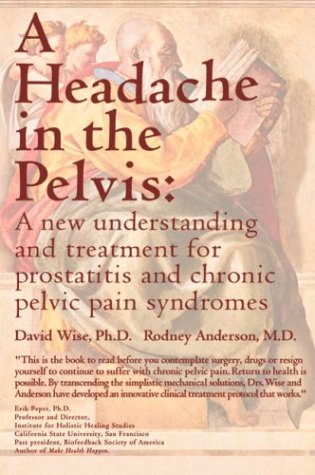
Chronic prostatitis, more precisely termed chronic pelvic pain syndrome (CP/CPPS), is a common and often frustrating condition characterized by pelvic or perineal pain that lasts at least three months, with or without urinary and sexual symptoms. Unlike acute or chronic bacterial prostatitis, CP/CPPS usually does not involve an active infection that can be identified on standard tests. Because the causes are multifactorial—ranging from pelvic floor muscle dysfunction and nerve sensitization to low-grade inflammation, prior infections, psychosocial stressors, and urinary tract factors—patients and clinicians increasingly look for holistic strategies that address both symptom relief and underlying contributors. Comparing Western biomedical and Eastern traditional approaches can help clarify options and where evidence is strongest.
In Western medicine, CP/CPPS is diagnosed after a clinical evaluation rules out other conditions such as urinary infection, urethral stricture, stones, or malignancy. History, physical exam (including pelvic floor and digital rectal exam), urinalysis, and sometimes specialized tests (pre- and post-prostatic massage urine samples) are used. Symptom severity is often tracked with the NIH Chronic Prostatitis Symptom Index (NIH-CPSI). Standard treatments are multimodal: alpha-blockers to relax smooth muscle and ease urinary symptoms; short, carefully selected courses of antibiotics when infection is suspected; anti-inflammatories and analgesics for pain; neuromodulators for neuropathic pain; pelvic floor physical therapy and myofascial release to address muscle hypertonicity and trigger points; behavioral strategies including stress management; and, in some cases, 5‑alpha‑reductase inhibitors or phosphodiesterase‑5 inhibitors when lower urinary tract symptoms or erectile dysfunction are prominent. Guidelines increasingly encourage phenotype-directed care (such as the UPOINT system) that matches therapies to a patient’s dominant domains—urinary,
mens-health
Updated March 20, 2026
This content is for informational purposes only and does not constitute medical advice. Always consult a qualified healthcare provider before starting, stopping, or changing any supplement or medication regimen.
Western Medicine
Diagnosis
Clinical evaluation emphasizing exclusion of other causes (e.g., infection, urethral stricture, stones, malignancy). Typical workup includes history of pain for ≥3 months, urinary and sexual symptoms, psychosocial assessment; physical exam with digital rectal exam and pelvic floor assessment; urinalysis/urine culture ± pre- and post-prostatic massage urine testing in selected cases; STI testing as indicated; postvoid residual urine and uroflow if voiding symptoms are significant. Symptom tracking with NIH-CPSI is commonly used.
Muscle relaxants (select cases): diazepam (including suppository formulations used in practice)
Limitations
CP/CPPS is heterogeneous; a single intervention rarely addresses all drivers. Antibiotics are frequently prescribed despite limited benefit in nonbacterial cases and carry risks (resistance, GI/CNS effects). Alpha-blockers and neuromodulators can cause dizziness, fatigue, orthostatic hypotension, sexual side effects, or cognitive fog. NSAIDs may cause GI, renal, and cardiovascular adverse effects. Myofascial physical therapy access and adherence can be challenging. Psychological distress and central sensitization may perpetuate symptoms even when urinary factors improve. Long-term outcomes vary; many patients experience fluctuating courses with partial symptom control rather than complete resolution.
Evidence: Strong Evidence
Sources
Guidelines from the American Urological Association (2022) endorse multimodal, phenotype-directed care for male chronic pelvic pain
European Association of Urology guidelines (2023) recommend alpha-blockers, careful antibiotic use when infection is suspected, and pelvic floor physical therapy
Cochrane reviews have found modest benefits of alpha-blockers and limited benefits of antibiotics in CP/CPPS without confirmed infection
Randomized trials and controlled studies support pelvic floor myofascial physical therapy for pain and NIH-CPSI improvement
The UPOINT system (observational and interventional studies) shows improved outcomes with domain-targeted therapy
The NIH Chronic Prostatitis Symptom Index (NIH-CPSI) is a validated measure to monitor response across studies
Eastern & Traditional Medicine
Traditional Chinese Medicine (Acupuncture)
TCM views CP/CPPS as a disorder of qi and blood flow in the lower burner with patterns such as damp-heat accumulation, liver qi stagnation, and blood stasis. Acupuncture aims to unblock channels, reduce damp-heat, calm the shen, and relieve pain by harmonizing organ systems (liver, kidney, spleen) implicated in pelvic function.
Perineal or sacral local needling in experienced hands; electroacupuncture for neuromodulation
Adjunct moxibustion on CV4/CV6 for deficiency patterns; ear acupuncture for pain modulation
Licensed acupuncturist (L.Ac.) Doctor of Oriental Medicine (DAOM) Physician trained in medical acupuncture
Evidence: Moderate Evidence
Traditional Chinese Medicine (Chinese Herbal Medicine and Dietary Therapy)
Pattern differentiation guides formulas: damp-heat in the lower burner (burning urination, heaviness), liver qi stagnation with blood stasis (fixed, stabbing pelvic pain), kidney yin or yang deficiency (chronicity, fatigue, cold/heat signs). Herbs are combined to clear damp-heat, move qi/blood, and tonify deficiency. Dietary therapy avoids foods that contribute to damp-heat (alcohol, very spicy/fried foods) and supports spleen/stomach function.
Techniques
Classical formulas individualized and modified, e.g., Ba Zheng San or Long Dan Xie Gan Tang for damp-heat; Tao Hong Si Wu Tang or Dan Shen–based modifications for blood stasis; Zhi Bai Di Huang Wan (yin deficiency heat); Jin Gui Shen Qi Wan (yang deficiency)
Topical/soak formulas used in some clinics for local symptom relief
Licensed TCM herbalist Doctor of Oriental Medicine Integrative medicine physician with Chinese herbal training
Evidence: Emerging Research
Ayurveda
CP/CPPS is correlated with Mutrakriccha (dysuria/pelvic discomfort) and Shukra vaha srotas imbalance. Patterns may involve pitta (heat/inflammation) and vata (pain, spasm). Treatment aims to pacify pitta and vata, support agni (digestion), and normalize srotas (channels) using herbs, diet, and local therapies.
Panchakarma-inspired local therapies (basti enemas with medicated oils/decoctions) in select cases
Dietary guidance: cooling, anti-pitta foods; avoid alcohol and very spicy/fried foods; routine, gentle movement and breathwork
Ayurvedic practitioner (BAMS or equivalent) Integrative physician trained in Ayurveda
Evidence: Traditional Use
Mind–Body and Movement Therapies (Qigong/Taiji; Yoga-based breath and relaxation)
From Eastern perspectives, gentle movement, breath regulation, and mind–body practices harmonize qi/prana, reduce stress reactivity, and relax the pelvic floor. These practices may downshift autonomic arousal and improve pain coping, complementing manual therapies.
Techniques
Qigong or Taiji routines emphasizing diaphragmatic breathing and pelvic floor relaxation
Yoga-based breathwork (e.g., slow nasal breathing) and restorative postures that avoid straining the pelvic floor
Mindfulness/meditation to reduce catastrophizing and pain-related stress
Qigong/Taiji instructor Yoga therapist Mind–body medicine practitioner
Evidence: Emerging Research
Sources
Systematic reviews (2016–2022) of randomized trials report statistically significant improvements in NIH-CPSI scores versus sham or medication alone, with moderate heterogeneity and risk-of-bias concerns
Small RCTs suggest acupuncture may reduce pain and urinary symptoms and improve quality of life compared with usual care or sham
Proposed mechanisms include modulation of autonomic tone, endogenous opioid release, anti-inflammatory cytokine shifts, and pelvic floor muscle relaxation
Small randomized and observational studies from Asia report NIH-CPSI and pain improvements with Chinese herbal formulas versus placebo or alpha-blockers, but trials are heterogeneous with limited blinding and standardization
Pharmacology studies show anti-inflammatory, antimicrobial, antispasmodic, and microcirculatory effects for constituents (e.g., Scutellaria, Gardenia, Salvia)
Dietary recommendations are based on traditional principles; modern clinical trials specific to CP/CPPS are limited
Classical Ayurvedic texts (Charaka Samhita, Sushruta Samhita) describe approaches to Mutrakriccha and pelvic discomfort
Contemporary small clinical studies and case series suggest symptom improvement, but rigorous randomized trials in CP/CPPS are scarce
Pharmacologic studies of Ayurvedic herbs demonstrate diuretic, anti-inflammatory, and antispasmodic actions that may be relevant
Systematic reviews of mindfulness and yoga for chronic pelvic pain populations show improvements in pain interference and quality of life; direct CP/CPPS trials are limited
Physiologic studies show diaphragmatic breathing can reduce pelvic floor overactivity and sympathetic tone, which are implicated in CP/CPPS
Integrative Perspective
A practical integrative plan often starts with a Western evaluation to exclude infection and other conditions, followed by phenotype-directed care. For patients with prominent urinary symptoms, a time-limited trial of an alpha-blocker may be paired with pelvic floor physical therapy and weekly acupuncture to address muscle hypertonicity, autonomic imbalance, and pain. When inflammatory features are suspected (e.g., flares after stress or diet triggers), clinicians sometimes combine anti-inflammatory strategies (NSAIDs as needed, sleep optimization, and nutrition changes) with TCM herbal formulas tailored to damp-heat or blood stasis patterns, reassessing regularly with NIH-CPSI.
Safety and interactions warrant attention. Many Chinese or Ayurvedic herbs have bioactive constituents that can alter bleeding risk (e.g., Salvia miltiorrhiza/Dan Shen, Guggulu) or affect drug metabolism enzymes and transporters. Patients using anticoagulants, antiplatelet agents, or multiple medications should involve their prescribing clinician when considering herbs. Acupuncture is generally well tolerated when performed by qualified practitioners; rare adverse events (bleeding, infection, vasovagal reactions) can occur. Pelvic floor needling and perineal points should be used only by experienced clinicians with appropriate precautions. If antibiotics are prescribed, concurrent use of herbs with antimicrobial claims should be coordinated to reduce confusion about benefits and avoid interactions.
Patient selection for integrative care tends to favor those with persistent symptoms despite monotherapies, individuals with clear pelvic floor tenderness/hypertonicity, or those with psychosocial stressors who may benefit from mind–body work. Measurable goals help gauge progress: establish a baseline NIH-CPSI and repeat every 4–6 weeks; track pain intensity, urinary frequency/urgency, sexual function, flare frequency, and quality of life. Many programs plan an initial 8–12 week trial of combined approaches before reassessment.
Where evidence converges: both Western and Eastern modalities appear to help by reducing inflammation, calming overactive nerves, and normalizing pelvic floor tone. Acupuncture and pelvic physical therapy share neuromuscular targets; diet and certain herbs aim at inflammatory pathways similar to NSAIDs but via different mechanisms. Where it diverges: herbal protocols and Ayurvedic/Panchakarma therapies have promising traditional rationales but need larger, well-controlled trials. Key research gaps include standardized, sham-controlled acupuncture trials with long-term follow-up; rigorous, quality-controlled herbal RCTs; biomarkers to guide therapy selection; and comparative effectiveness studies of integrated protocols.
Consult your healthcare provider before making changes to your health regimen.
Sources
American Urological Association guideline on male chronic pelvic pain (2022)
European Association of Urology chronic pelvic pain guideline (2023)
Cochrane reviews on alpha-blockers and antibiotics for CP/CPPS report modest or limited benefits depending on phenotype
Randomized studies support pelvic floor myofascial physical therapy for CP/CPPS
Systematic reviews (2016–2022) suggest acupuncture improves NIH-CPSI versus control with moderate-quality evidence
Small clinical trials of Chinese herbal medicine report benefits but have methodological limitations
Mind–body therapy reviews show benefits in chronic pelvic pain populations; CP/CPPS-specific data remain limited
Natural Remedies for Chronic Prostatitis (CP/CPPS). Chronic prostatitis/chronic pelvic pain syndrome (CP/CPPS) is a common, often frustrating condition defined by pelvic or perineal pain, urinary symptoms, and quality‑of‑life impacts lasting three months or longer. In the NIH classification, most men with long‑standing symptoms fall into Category III
Interstitial Cystitis (Bladder Pain Syndrome). Interstitial cystitis (IC), also called bladder pain syndrome (BPS), is a chronic condition marked by pelvic/bladder pain, urinary urgency, and frequency without evidence of active infection. Many people cycle through flares and remissions. Comparing Western and Eastern approaches matters because co
Chronic pain is pain lasting beyond normal tissue healing time (often defined as 3 months or more) and affects roughly one in five adults worldwide. It is increasingly understood as a biopsychosocial
Chronic Pain and CBD. Chronic pain—lasting longer than three months—affects hundreds of millions of people and spans multiple mechanisms: nociceptive pain from tissue injury or inflammation, neuropathic pain from nerve damage, and centralized pain where the nervous system amplifies signals (e.g., fibromyalgia). Many peop
Holistic Treatment for Chronic Sinusitis (Chronic Rhinosinusitis). Chronic sinusitis—more precisely called chronic rhinosinusitis (CRS)—is persistent inflammation of the nasal and sinus lining for 12 weeks or longer. Western medicine classifies CRS into two main subtypes: with nasal polyps (CRSwNP) and without nasal polyps (CRSsNP). This distinction matters because
Chronic Rhinosinusitis (CRS) and Acupuncture. Chronic rhinosinusitis (CRS) is a long-standing inflammation of the nasal and sinus linings lasting 12 weeks or more. It affects about 5–12% of adults and is commonly divided into CRS with nasal polyps (CRSwNP) and without nasal polyps (CRSsNP). Symptoms include nasal blockage or discharge, facial p
Health Disclaimer
This content is for informational purposes only and does not constitute medical advice. Always consult a qualified healthcare provider before starting, stopping, or changing any supplement or medication regimen.