

relationships
Osteoporosis and Menopause
Osteoporosis and menopause are tightly linked through estrogen decline. Estrogen normally restrains bone resorption; when it falls at menopause, bone turnover accelerates and net loss ensues. Up to ab
Supported by multiple clinical trials and systematic reviews
Menopause is a natural life stage defined retrospectively after 12 months without a menstrual period, typically occurring around age 51. The years leading up to the final menstrual period (perimenopause) feature fluctuating ovarian hormone production, especially estrogen and progesterone, which drives many symptoms. Common complaints include vasomotor symptoms (hot flashes and night sweats), sleep disturbance, mood changes, brain fog, genitourinary syndrome of menopause (vaginal dryness, discomfort with sex, urinary urgency), joint aches, and weight/body composition shifts. Risk for bone loss accelerates, and cardiometabolic risk often increases with aging, body fat redistribution, and changing lipid/glucose profiles. Western medicine evaluates menopause through history and cycle pattern (formal hormone testing is usually unnecessary in typical midlife unless the diagnosis is uncertain or menopause is early/premature). Management is individualized by symptom burden, time since menopause, age, personal and family history (breast cancer, venous thromboembolism, stroke, cardiovascular disease), and patient preferences. Systemic menopausal hormone therapy (HT)—estrogen alone for women without a uterus or estrogen plus progestogen for those with a uterus—remains the most effective therapy for vasomotor symptoms and also prevents bone loss while in use. Contemporary interpretations of the Women’s Health Initiative (WHI) and subsequent analyses support the “timing hypothesis”: for healthy, symptomatic women who initiate HT within 10 years of the final menstrual period or before age 60, the benefit–risk profile is favorable when appropriately selected and dosed. Transdermal estradiol and micronized progesterone are often preferred to reduce thrombotic and some metabolic risks. HT is not indicated for primary prevention of cardiovascular disease or dementia and is generally avoided in women with a history of estrogen-sensitive cancers, unexplained vaginal bleeding, active/h
This content is for informational purposes only and does not constitute medical advice. Always consult a qualified healthcare provider before starting, stopping, or changing any supplement or medication regimen.
Clinical diagnosis guided by symptom history and menstrual pattern using frameworks such as STRAW+10 staging. Menopause is defined after 12 months of amenorrhea not explained by other causes. Labs (FSH/estradiol) are usually unnecessary but may help in unclear cases, suspected premature ovarian insufficiency, or after hysterectomy without oophorectomy. Differential diagnosis for hot flashes/sweats includes thyroid disease, infection, medication effects, and anxiety. Baseline risk assessment includes breast cancer, VTE, stroke, ASCVD risk, bone health, and mood/sleep screening.
HT requires individualized risk–benefit assessment and is generally avoided in women with a history of estrogen-sensitive malignancy, prior VTE/stroke, active liver disease, or unexplained vaginal bleeding. Risks vary by age, time since menopause, route, dose, and progestogen choice. Nonhormonal agents have variable efficacy and class-specific side effects (e.g., SSRIs/SNRIs: nausea/sexual dysfunction; gabapentin: dizziness/somnolence; oxybutynin: anticholinergic effects). Long-term fezolinetant safety is being further characterized. Vaginal estrogen has minimal systemic absorption but oncologic safety should be co-managed with the oncology team in breast cancer survivors. HT does not prevent cognitive decline and late initiation (>10 years since menopause or age >60–65) may carry higher risk. Evidence for some lifestyle/mind-body therapies is strongest for symptom distress and sleep rather than reducing hot flash frequency.
Sources
Perimenopause is often interpreted as kidney yin deficiency with relative deficiency heat causing hot flashes/night sweats, sometimes with liver qi stagnation contributing to irritability and sleep disturbance. Treatment principles: nourish kidney yin, clear deficiency heat, anchor yang, and smooth liver qi. Patterns are individualized.
Course-based acupuncture (6–12 sessions over ~6–8 weeks) can reduce hot flash frequency and improve sleep/quality of life. Effects vs sham are modest but clinically meaningful for some; effects vs waitlist/usual care are larger.
Pattern-based prescriptions aim to nourish yin and clear deficiency heat. Liu Wei Di Huang Wan and Zhi Bai Di Huang Wan are commonly used; Er Xian Tang has been studied for vasomotor symptoms and mood.
Menopause (rajonivritti) often reflects vata–pitta imbalance. Approaches include diet, routine, yoga/pranayama, and rasayana herbs to support resilience. Shatavari (Asparagus racemosus) is used for vasomotor and urogenital dryness; Ashwagandha (Withania somnifera) targets stress, sleep, and mood.
Sources
A personalized plan can combine first-line, evidence-based Western therapies with selected complementary approaches for additive benefit and patient preference. For healthy, symptomatic women within 10 years of the final menstrual period, systemic HT remains the most effective vasomotor therapy and also supports bone while in use. Many women add nonhormonal strategies—CBT for hot flash distress and sleep, acupuncture for additional vasomotor relief, yoga/mindfulness for mood and sleep, and vaginal moisturizers/lubricants for GSM. If systemic HT is not desired or contraindicated, nonhormonal pharmacologic options (fezolinetant, SSRIs/SNRIs, gabapentin) can be paired with acupuncture, mind–body therapies, and, when appropriate, dietary phytoestrogens. For GSM, low-dose vaginal estrogen or vaginal DHEA is often the most effective and can be safely combined with lubricants, pelvic floor therapy, and sexual counseling. Safety distinctions matter. Phytoestrogens (e.g., soy isoflavones, red clover) are plant compounds with weak estrogenic activity; foods are generally safe for most women, including breast cancer survivors, while concentrated supplements show mixed efficacy and should be used cautiously with oncology input. FDA-approved "bioidentical" hormones (such as transdermal 17β-estradiol and oral micronized progesterone) meet quality and safety standards; in contrast, compounded bioidentical hormone products are not FDA-approved, may have variable dosing/purity, lack large safety trials, and are generally not recommended when approved alternatives exist. Work with qualified practitioners, disclose all supplements/therapies to coordinate care, and periodically reassess symptom control, risks, and goals as needs evolve.
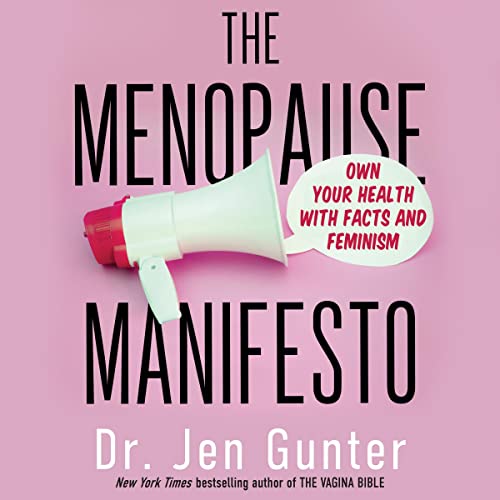
She <strong>writes about the intersection of women's health, sex, science, and pop culture for the New York Times</strong>. She has been called a fierce advocate for women's health, Twitter&

Carlyle Soy Isoflavones for Women and Men 1500mg | 200 Capsules | Non-GMO, Gluten Free Extract Supplement221 ... NOW Foods Supplements, Soy Isoflavones, 60 mg (Plant Compounds Particularly Concentrate

NO MORE DRYNESS: Rehydrate Ultra Moisturizing Gel is <strong>scientifically formulated with key ingredient Hyaluronic Acid to instantly deliver & retain moisture and provide long-lasting dryness r
Osteoporosis and menopause are tightly linked through estrogen decline. Estrogen normally restrains bone resorption; when it falls at menopause, bone turnover accelerates and net loss ensues. Up to ab
Endometriosis is an estrogen-dependent, inflammatory condition in which endometrium-like tissue grows outside the uterus, affecting roughly 10% of reproductive-age women. Infertility, defined as failu
Polycystic ovary syndrome (PCOS) is a common endocrine-metabolic condition affecting 8–13% of reproductive-aged women and people assigned female at birth. It is characterized by a triad of ovulatory d
# Iron Deficiency Without Anemia: Fatigue, Ferritin, and Finding Balance Iron is best known for preventing anemia, yet research suggests many people experience iron-related symptoms well before hemog
Telomeres and aging have captivated headlines for two decades. But beyond the buzz, what do telomeres actually do, how much do lifestyle choices really influence them, and what should we make of telom
## Overview Burnout is more than feeling tired after a long week. The World Health Organization classifies burnout as an occupational phenomenon resulting from chronic workplace stress that has not be
Health Disclaimer
This content is for informational purposes only and does not constitute medical advice. Always consult a qualified healthcare provider before starting, stopping, or changing any supplement or medication regimen.