Supported by multiple clinical trials and meta-analyses
Natural Remedies for High Blood Pressure: Safe, Evidence‑Based Options
Evidence‑based natural remedies for high blood pressure: diet, exercise, herbs, supplements, mind–body practices, home monitoring, and safety tips.
·11 min read
This content is for informational purposes only and does not constitute medical advice. Always consult a qualified healthcare provider before starting, stopping, or changing any supplement or medication regimen.
High blood pressure can feel overwhelming, especially if you prefer to start with natural remedies for high blood pressure before—or alongside—medication. The encouraging news: research suggests several lifestyle strategies, dietary patterns, select supplements, and mind–body practices can lower blood pressure (BP) meaningfully and safely for many people. This guide brings together western clinical evidence and time‑tested traditional practices, with clear notes on the strength of evidence and safety.
What is high blood pressure and why natural approaches matter
High blood pressure (hypertension) means the force of blood against artery walls is persistently too high. Over time, this strains the heart and damages blood vessels, raising the risk of heart attack, stroke, kidney disease, and cognitive decline.
Western medicine defines hypertension as systolic BP ≥130 mmHg or diastolic BP ≥80 mmHg for most adults, based on office and home measurements.
Eastern traditions (Ayurveda, Traditional Chinese Medicine) often frame hypertension as an imbalance—such as excess heat, liver yang rising, or aggravated vata/pitta—guiding diet, herbs, and practices that restore balance.
Why natural approaches? Even small BP reductions translate to big health gains. Studies indicate each 5 mmHg drop in systolic BP may reduce stroke risk by about 10–14% and coronary disease by about 7–9%. Lifestyle measures are first‑line in western guidelines and align with eastern emphasis on daily habits. For a deeper East–West comparison of hypertension concepts and care, see Hypertension (High Blood Pressure): East vs West (/compare/hypertension-west-vs-east).
Lifestyle changes with strong evidence
Lifestyle is the cornerstone. Multiple randomized controlled trials (RCTs) and meta‑analyses support the following.
Weight management (Evidence: strong)
What it does: Losing excess weight reduces strain on arteries, improves insulin sensitivity, and lowers sympathetic nervous system overactivity.
Expected impact: Research suggests systolic BP can drop about 1 mmHg for each kilogram (2.2 lb) of weight lost, with larger benefits for those starting with higher BP.
Practical steps: Aim for steady, sustainable loss through calorie awareness, higher‑fiber meals, and resistance plus aerobic training.
Regular physical activity (Evidence: strong)
What it does: Exercise improves arterial flexibility, endothelial function (nitric oxide production), and lowers stress hormones.
Expected impact:
Aerobic activity (e.g., brisk walking 30 minutes most days) typically reduces systolic BP by about 5–8 mmHg.
Dynamic resistance training adds ~4–5 mmHg reduction.
Isometric handgrip training can lower BP by ~5 mmHg when done properly.
Practical steps: Target 150 minutes/week of moderate aerobic activity or 75 minutes vigorous, plus 2 days/week of strength training. Consider brief isometric handgrip sessions if appropriate.
Sodium (salt) reduction (Evidence: strong)
What it does: Less sodium reduces fluid retention and vascular stiffness.
Expected impact: Cutting sodium to about 1,500–2,000 mg/day may lower systolic BP by 4–8 mmHg, with greater benefits in older adults and those who are salt‑sensitive.
Practical steps: Cook more at home, limit processed foods, choose low‑sodium versions, and taste before salting.
Alcohol moderation and smoking
Alcohol: Limiting to ≤1 drink/day (women) or ≤2 (men) can trim a few mmHg. Binge drinking raises BP.
Smoking: Every cigarette causes a temporary BP spike and damages arteries. Quitting supports BP control and overall cardiovascular health.
What the Research Says (Lifestyle)
Multiple meta‑analyses confirm robust BP reductions with weight loss, aerobic exercise, and sodium reduction—considered first‑line, strong‑evidence interventions.
Dietary approaches that can help
Food patterns influence BP through minerals, fiber, nitric‑oxide precursors, and anti‑inflammatory compounds.
The DASH diet (Evidence: strong)
What it is: Dietary Approaches to Stop Hypertension (DASH) emphasizes vegetables, fruits, whole grains, beans, nuts, low‑fat dairy, and lean proteins; limits sodium, sweets, and red/processed meats.
Expected impact: Studies indicate DASH can reduce systolic BP by about 6–11 mmHg in people with hypertension, even without weight loss.
Tips: Fill half your plate with produce, choose whole grains, and include a daily serving of beans or lentils.
Potassium‑rich foods (Evidence: strong for dietary potassium)
What it does: Potassium helps kidneys excrete sodium and relaxes blood vessel walls.
Expected impact: Higher dietary potassium is linked to ~3–5 mmHg lower systolic BP, with stronger effects in high‑sodium diets.
Food sources: Leafy greens, beans, lentils, potatoes, bananas, oranges, yogurt. A food‑first approach is safer than potassium supplements for most people, especially if you take ACE inhibitors, ARBs, or potassium‑sparing diuretics, or have kidney disease.
Beetroot and nitrate‑rich vegetables (Evidence: moderate)
What it does: Beets, arugula, and spinach provide dietary nitrate, which converts to nitric oxide—a molecule that helps blood vessels dilate.
Expected impact: Trials show acute reductions of ~4–10 mmHg after beetroot juice, with smaller but meaningful reductions over weeks of consistent intake.
How to use: 250–500 mL beetroot juice or a concentrated shot daily, or frequent servings of nitrate‑rich greens. If you use antiseptic mouthwash frequently, nitrate‑to‑nitrite conversion may be blunted.
Fiber and whole foods (Evidence: moderate)
What it does: Fiber improves insulin sensitivity, supports a healthier gut microbiome, and may reduce arterial stiffness.
Expected impact: Meta‑analyses suggest an average 2–4 mmHg reduction in systolic BP with higher fiber intake, especially in people with hypertension.
How to use: Aim for 25–38 grams/day from vegetables, fruits, legumes, oats, chia, and flax.
What the Research Says (Diet)
Strong evidence supports DASH and dietary potassium. Emerging to moderate evidence supports beetroot (dietary nitrate) and higher fiber for additional BP benefits.
For those managing metabolic issues alongside BP, see Diabetes and Hypertension (/relates/diabetes-and-hypertension) for how blood sugar and pressure influence each other.
Supplements & herbs backed by research
Medication is often appropriate, but some supplements and herbs can be safe adjuncts. Always discuss with your clinician, especially if you already take BP medicines.
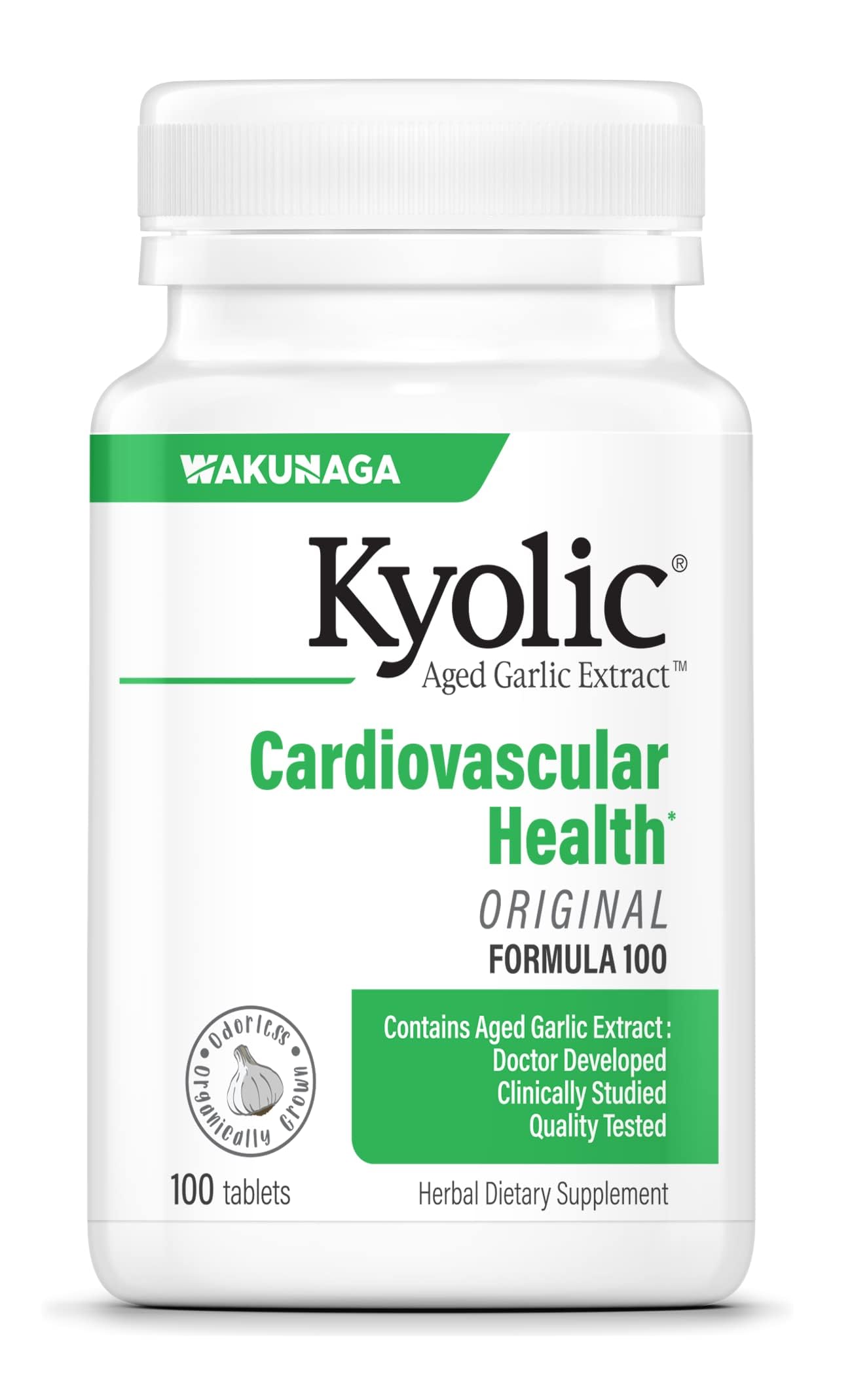
Garlic (aged garlic extract) — Evidence: moderate to strong
Mechanism: Organosulfur compounds (e.g., S‑allyl cysteine) may enhance nitric oxide, reduce arterial stiffness, and have mild ACE‑inhibiting effects.
Expected impact: Meta‑analyses of RCTs show systolic BP reductions of ~5–8 mmHg in hypertensive adults.
Mechanism: Anthocyanins and hibiscus acids may act as mild ACE inhibitors and diuretics.
Expected impact: Clinical trials report ~4–7 mmHg reductions with daily tea or standardized extracts.
Typical studied dose: 1–3 cups/day of tea (1–1.5 g dried calyces per cup) or standardized capsules per label.
Safety notes: May potentiate antihypertensives; rare liver enzyme elevations reported with high doses; avoid in pregnancy due to traditional emmenagogue effects.
Other traditional options with emerging evidence
Hawthorn (Crataegus): Traditionally used for the heart in TCM and Western herbalism. Emerging evidence suggests small BP benefits; stronger data for lipids and heart failure symptoms. Evidence: emerging/traditional.
Omega‑3s (EPA+DHA): Not an herb, but supplements show modest BP reductions, especially at 2–3 g/day combined EPA+DHA. Evidence: moderate.
For broader context on cardiovascular supplements, see Supplements for Heart Health: Evidence‑Based Options, Dosage & Safety (/articles/supplements-for-heart-health-evidence-dosage-safety).
What the Research Says (Supplements & Herbs)
Garlic has the most consistent BP‑lowering data among common botanicals. CoQ10, magnesium, hibiscus, and omega‑3s show meaningful but modest average effects. Responses vary; combining with lifestyle changes yields the greatest benefit.
Mind–body practices to lower BP
Stress activates the sympathetic nervous system and raises BP. Mind–body approaches help balance this response.
Meditation and mindfulness (Evidence: moderate)
Effects: Reduces stress reactivity and may lower baseline sympathetic tone.
Impact: Programs like transcendental meditation and mindfulness‑based stress reduction often reduce systolic BP by ~2–5 mmHg.
How to start: 10–20 minutes daily using an app or local class; consistency matters more than style.
Effects: Increases vagal tone and baroreflex sensitivity; acutely lowers BP.
Impact: 5–10 minutes of 6–10 breaths per minute can reduce systolic BP by ~5–10 mmHg short‑term; regular practice supports ongoing benefits.
Tip: Try a 4‑second inhale, 6‑second exhale or box breathing (4‑4‑4‑4).
Yoga and tai chi (Evidence: moderate)
Effects: Combine gentle movement, breath, and mindfulness; improve arterial stiffness and stress resilience.
Impact: Integrated yoga programs (postures + breathing + meditation) often reduce systolic BP ~5–8 mmHg over weeks; tai chi shows similar, modest benefits.
What the Research Says (Mind–Body)
Systematic reviews support small‑to‑moderate BP reductions. These approaches are safe and synergize with diet and exercise.
How to monitor blood pressure and measure results at home
Tracking progress helps you see which natural remedies for high blood pressure work for you.
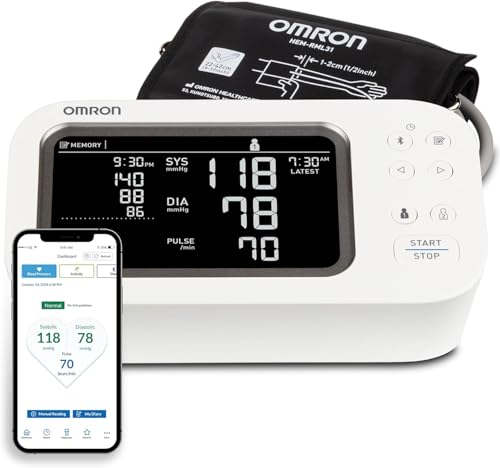
Choose a validated, automated upper‑arm cuff in the correct size.
Prepare: Avoid caffeine, exercise, and smoking for 30 minutes. Empty your bladder. Sit quietly for 5 minutes.
Position: Sit with back supported, feet flat, legs uncrossed. Support the arm at heart level. Place the cuff on bare skin.
Measure: Take two readings, 1 minute apart, morning and evening for 7 days. Discard day 1 and average the rest.
Targets: Home BP under ~135/85 mmHg is often considered controlled for many adults (your clinician may individualize).
Keep a log: Note time, readings, medications, and any lifestyle changes (e.g., started DASH, added hibiscus tea). Review with your healthcare provider.
Safety, drug interactions, and when to consult your healthcare provider
“Natural” does not always mean risk‑free. Use the same care you would with prescriptions.
Medication interactions:
Garlic: Increased bleeding risk with anticoagulants/antiplatelets.
CoQ10: May reduce warfarin’s anticoagulant effect; monitor INR.
Magnesium: Can interfere with absorption of certain antibiotics and thyroid medications; separate doses by 2–4 hours.
Potassium: Avoid supplements unless advised; can be dangerous with ACE inhibitors, ARBs, potassium‑sparing diuretics, or kidney disease.
Hibiscus: May add to BP‑lowering effects of medications; avoid in pregnancy.
Additive effects: Combining multiple BP‑lowering strategies can cause lightheadedness; monitor and adjust with your clinician.
Special populations: Pregnancy, chronic kidney disease, advanced liver disease, and older adults require individualized plans.
Symptoms that need urgent care: Chest pain, shortness of breath, neurological symptoms (e.g., weakness, trouble speaking), or readings ≥180/120 mmHg.
If you’re considering adaptogens like ashwagandha while on BP medication, review Ashwagandha and Blood Pressure Medication: Risks, Interactions & What to Know (/articles/ashwagandha-and-blood-pressure-medication).
Practical takeaways: building your plan
Start with strong‑evidence foundations:
Adopt a DASH‑style eating pattern and reduce sodium to 1,500–2,000 mg/day.
Get 150 minutes/week of moderate aerobic exercise plus 2 days of resistance training.
Aim for gradual weight loss if overweight; even 5–10% makes a difference.
Practice slow breathing or meditation daily for stress.
Consider add‑ons if needed (with clinician input):
Dietary potassium via whole foods; nitrate‑rich veggies or beetroot; fiber to 25–38 g/day.
Monitor at home: Use a validated cuff, track readings, and reassess every 4–8 weeks to see what’s working.
Partner with your clinician: Natural remedies for high blood pressure often complement, not replace, medications—especially if your starting BP is high or you have other risk factors.
This information is for educational purposes and should not replace personalized medical advice. Always consult a qualified healthcare professional before making changes to your treatment plan.
This content is for informational purposes only and does not constitute medical advice. Always consult a qualified healthcare provider before starting, stopping, or changing any supplement or medication regimen.
Natural Remedies for Headaches: Evidence‑Based Herbs, Supplements & Self‑Care. If you’re searching for natural remedies for headaches, you’re not alone. Many people want options that ease pain, reduce frequency, and feel gentler than daily medications. This guide brings together western research and time‑tested eastern practices, clearly labeling the strength of evidence behin
Supplements for Heart Health: Evidence‑Based Options, Dosage & Safety. If you’re looking into supplements for heart health, you’re not alone. Many people want to know which nutrients can support cholesterol, blood pressure, triglycerides, heart rhythm, and overall cardiovascular resilience—without overpromising or overlooking risks. This guide reviews research-backed o
Herbal Remedies for Anxiety: Evidence-Based Options & How to Choose. If you’re exploring herbal remedies for anxiety, you likely want something natural that can take the edge off without heavy side effects. This guide walks through what “herbal remedies” actually are, how they may work, and what the research says about specific options like kava, ashwagandha, lavende
Naturopathic Remedies for Anxiety: Evidence‑Based Herbs, Supplements, Lifestyle Strategies & When to See a Naturopath. If you’re exploring naturopathic remedies for anxiety, you’re likely looking for options that address root causes, feel gentler than medication, and still have evidence behind them. This guide brings together research‑informed herbs, supplements, lifestyle strategies, and mind–body tools from both w
Top Natural Pain Relief Methods: An Evidence‑Based Guide to Herbs, Supplements, and Therapies. If you’re searching for top natural pain relief methods, you’re not alone. Many people want options that reduce discomfort while minimizing side effects from long‑term medication use. This guide blends western research with eastern and traditional practices, clearly noting what’s well‑supported, wha
Natural Pain Relief Supplements: Evidence‑Based Options, Dosage & Safety. If you’re searching for natural pain relief supplements, you’re likely weighing which options actually work, how to take them safely, and what to expect. Research suggests certain herbs, nutrients, and topical compounds can modestly reduce pain—especially for osteoarthritis, low back pain, headaches