Melatonin Side Effects: What to Expect, Risks & How to Minimize Them
Learn common and serious melatonin side effects, interactions, dosing, and ways to reduce risks—evidence-based guidance from GoldBamboo.
·10 min read
This content is for informational purposes only and does not constitute medical advice. Always consult a qualified healthcare provider before starting, stopping, or changing any supplement or medication regimen.
If you’re considering melatonin for sleep, you’re probably wondering about melatonin side effects—what’s common, what’s rare, and how to lower your risk. Research suggests melatonin is generally well tolerated for short-term use, but like any bioactive compound, dosage, timing, interactions, and your personal physiology all matter.
This guide bridges western evidence and traditional perspectives so you can use melatonin more safely and confidently.
What Is Melatonin and How It Works (Brief)
Melatonin is a hormone your brain’s pineal gland releases in response to darkness. It signals night to your body—helping coordinate circadian rhythms, reduce sleep latency (time to fall asleep), and modestly shift sleep timing. Supplements act mainly on MT1 and MT2 receptors in the brain’s suprachiasmatic nucleus (your “master clock”).
Mechanism: By binding MT1/MT2, melatonin dampens wake-promoting signals and can shift the sleep phase earlier or later depending on timing.
Dosing context: Physiologic nighttime peaks are roughly equivalent to 0.1–0.3 mg of oral melatonin; many supplements provide 1–10 mg, which can increase side effects without necessarily improving sleep.
Eastern perspectives: Many traditional systems view nighttime as a yin, restorative period. Practices that support darkness, calm, and regularity (dim lights, evening rituals, cooling foods/teas) align with melatonin’s role in circadian balance.
What the Research Says on Melatonin Side Effects
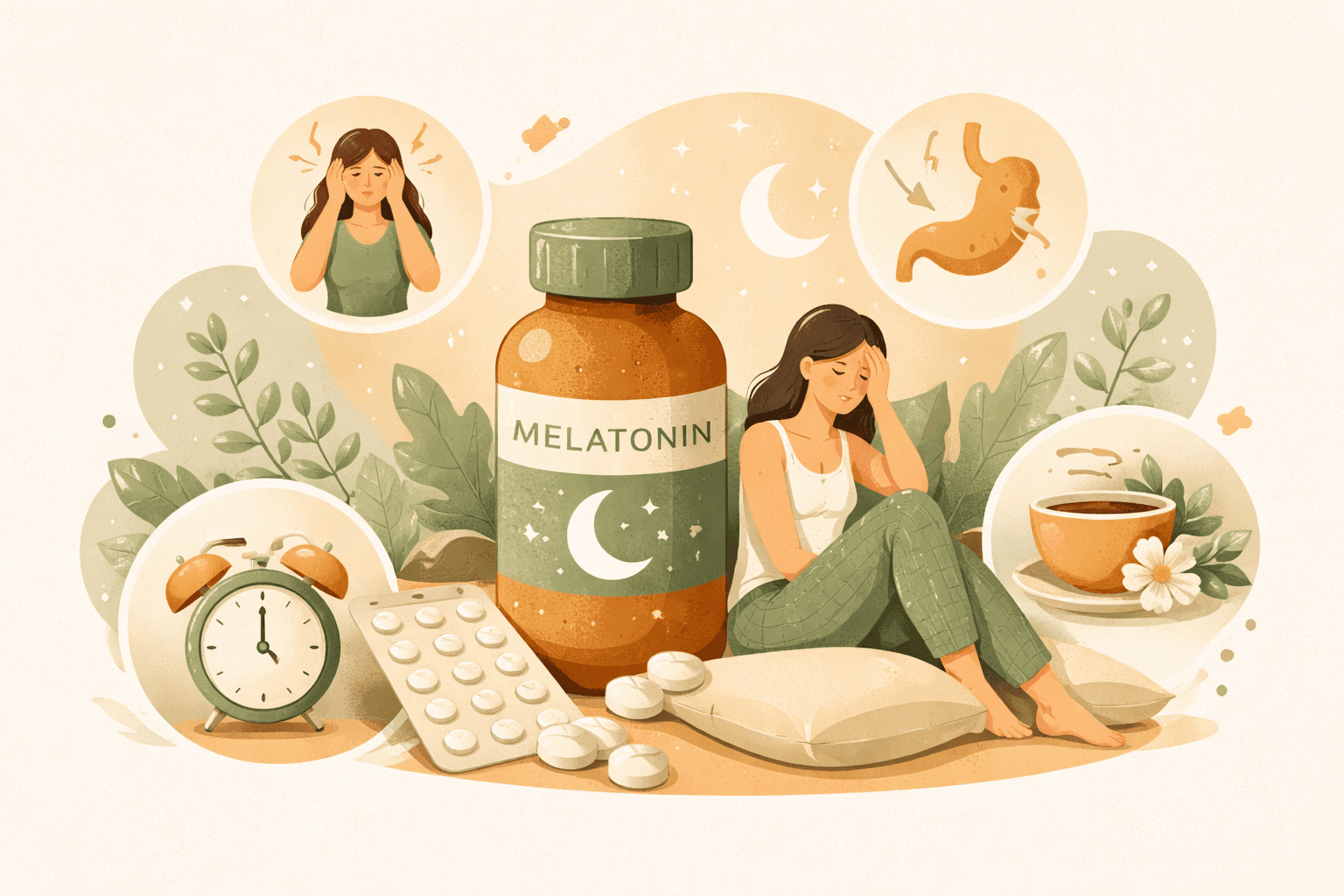
Overall safety (moderate-to-strong evidence): Systematic reviews and meta-analyses in adults generally find short-term melatonin is well tolerated, with side effects similar to placebo for many users. The most reported issues are next-day sleepiness, headache, dizziness, and nausea.
Children (emerging-to-moderate evidence): Short-term use under clinical supervision can help certain pediatric sleep problems (for example in neurodevelopmental conditions), but long-term safety—especially effects on puberty and hormones—remains uncertain. Observational studies are reassuring but not definitive.
Older adults (moderate evidence): Lower doses and controlled-release products can help sleep maintenance; sensitivity to next-day sedation and fall risk is higher.
Label accuracy (moderate evidence): Independent analyses of OTC melatonin have found large variability in actual content and occasional serotonin contamination, which may increase side-effect risk.
Evidence levels here reflect a mix of randomized trials, systematic reviews, and observational data. Long-term, high-dose safety data are limited.
Common Melatonin Side Effects (Mild and Short-Term)
Most users who experience side effects report mild, transient symptoms, especially at higher doses or with mis-timed dosing.
Daytime sleepiness or grogginess
Dizziness or lightheadedness
Headache
Nausea or stomach upset
Vivid dreams or nightmares
Irritability or mild mood changes
Dry mouth
Why they happen:
Dose-related: Higher-than-physiologic doses can spill into waking hours.
Timing-related: Taking melatonin too late in the night or too close to desired wake time can cause a “hangover” effect.
Formulation-related: Controlled-/extended-release forms may increase morning drowsiness; gummies may contain sugar alcohols that upset the stomach.
What the research suggests:
In many adult trials, rates of headache, dizziness, and daytime sleepiness were only slightly higher than placebo, but sensitive individuals may notice more pronounced effects, especially above 1–3 mg.
Less Common and Potentially Serious Side Effects
These effects are less frequent but are important to know—especially if you have underlying conditions or take interacting medications.
Mood changes: Agitation, anxiety, or low mood have been reported by some users. Research is mixed; most studies show neutral-to-positive mood effects, but individual responses vary.
Blood pressure changes: Small studies suggest melatonin can modestly lower nocturnal blood pressure. Rarely, it has altered blood pressure control in people on certain antihypertensives. Monitor if you have hypertension or are on blood pressure medications.
Hormonal effects: Melatonin interacts with reproductive hormones in animals. In humans, short-term use shows minimal impact, but data are limited on high doses and long-term use, especially for children and during pregnancy.
Bleeding risk: Melatonin may have antiplatelet effects; case reports suggest a possible interaction with anticoagulants (e.g., warfarin) increasing bleeding risk.
Neurologic concerns: Rare reports describe confusion, hallucinations, or paradoxical restlessness—typically in older adults, those with polypharmacy, or when doses are high.
Seizure threshold: Data are mixed; some pediatric studies in epilepsy suggest benefit, others show no change. Because evidence is not definitive, consult a clinician if you have a seizure disorder.
Allergic reaction: Rare but serious—look for hives, swelling of face/lips/tongue, or breathing difficulty.
Blood sugar effects: Evening melatonin may influence glucose regulation in some people (especially certain genetic variants). People with diabetes may wish to monitor glucose when starting melatonin.
Liver or kidney disease: Melatonin is primarily metabolized by the liver (CYP1A2); impaired clearance can increase levels and side effects.
What the research suggests:
Serious adverse events are uncommon in trials, but real-world variability in product content and drug interactions can raise risk.
Dose, Timing, and Formulation: How They Change Side-Effect Risk
Start low: 0.3–1 mg is often sufficient for sleep onset in adults. Doses of 3 mg or higher raise the likelihood of next-day sedation without always improving sleep.
Timing matters: For sleep onset, take 1–2 hours before your regular bedtime. For circadian shifting (jet lag, delayed sleep phase), timing depends on your target time zone and light exposure. Mis-timed dosing can worsen sleepiness at the wrong times.
Immediate-release vs controlled-release: Immediate-release is usually better for falling asleep; controlled-release may help with sleep maintenance. Controlled-release can increase morning grogginess for some.
Older adults: Consider lower doses (0.3–1 mg) and avoid very late dosing to reduce fall risk.
Children: Use only with pediatric guidance. Typical studied ranges are 0.5–3 mg depending on age and condition; more is not necessarily better.
Product variability: Independent lab tests have found melatonin content can vary widely from the label and may occasionally contain serotonin. This variability can produce unexpected side effects. Look for reputable, third-party tested products if you use melatonin.
Melatonin interacts with medications, herbs, and certain health conditions. If you use prescription drugs or have chronic conditions, speak with a clinician before starting.
Sedatives/CNS depressants: Benzodiazepines, z-drugs, opioids, antihistamines, some sleep aids, and alcohol can add to melatonin’s sedative effects and increase fall or driving risk.
Anticoagulants/antiplatelets: Warfarin, apixaban, clopidogrel, aspirin—potential additive bleeding risk; monitor for bruising/bleeding and consider INR checks if on warfarin.
Antihypertensives: Effects may vary; monitor blood pressure when starting or changing dose.
Antidepressants: Fluvoxamine strongly increases melatonin levels (CYP1A2 inhibition). Other SSRIs/SNRIs may add to drowsiness; rare behavioral side effects are reported.
CYP1A2 inhibitors/inducers: Fluvoxamine, ciprofloxacin, cimetidine, hormonal contraceptives (inhibit metabolism, increasing levels); smoking and some antiepileptics (induce metabolism, reducing levels).
Diabetes medications: Monitor glucose; melatonin may modestly affect evening glucose tolerance in some individuals.
Herbal and supplement interactions (east–west perspective)
Antiplatelet herbs: Ginkgo, garlic, high-dose omega-3s—could add to bleeding risk.
Who should avoid or use only with medical guidance
Pregnancy and breastfeeding: Human safety data are limited; melatonin crosses the placenta and appears in breast milk. Generally avoid unless specifically recommended by your clinician.
Children and adolescents: Use only under pediatric supervision, especially for long-term use, given uncertainties about puberty and hormonal effects.
Autoimmune conditions: Melatonin can modulate immune activity; discuss with your specialist.
Seizure disorders: Mixed data—discuss risks and benefits with a neurologist.
Liver or significant kidney disease: Clearance may be altered; medical guidance is recommended.
People at high fall risk or who must drive early: Next-day drowsiness can impair balance and reaction time.
How to Reduce or Manage Side Effects (Practical Tips)
Start low and go slow: Begin with 0.3–1 mg 1–2 hours before bed for sleep onset. Increase by small increments only if needed.
Match formulation to your goal: Immediate-release for falling asleep; controlled-release for staying asleep—but watch for morning grogginess.
Get the timing right: Keep dose time consistent. For jet lag or circadian shifting, use a plan that coordinates dose and light exposure. See Jet Lag: Timing Light and Sleep.
Prioritize sleep hygiene: Dim lights 1–2 hours before bed, avoid screens/blue light, keep a cool, quiet bedroom, and anchor wake time. See Sleep Hygiene Checklist.
Avoid alcohol and other sedatives near bedtime: They amplify drowsiness and can fragment sleep.
Protect the morning: Try not to take melatonin within 6–8 hours of your planned wake time.
Consider interactions: If you take anticoagulants, antihypertensives, antidepressants, or diabetes medications, discuss a monitoring plan with your clinician.
Keep a simple log: Track dose, timing, benefits, and any side effects for 1–2 weeks to identify patterns.
Plan for safety: Don’t drive or operate machinery if you feel sleepy the next morning. Allow adequate time in bed (7–9 hours for most adults).
Think beyond supplements: Behavioral approaches like CBT-I have strong evidence for insomnia and carry fewer side effects. Explore CBT-I Basics.
When to Seek Medical Help
Seek urgent care if you experience:
Signs of an allergic reaction: Hives, facial or throat swelling, trouble breathing
Severe dizziness, fainting, chest pain, or a severe, spreading rash
Thoughts of self-harm or sudden, extreme mood changes
Unusual bleeding/bruising, black or bloody stools (especially if on blood thinners)
Marked blood pressure spikes or drops
Contact your clinician soon if you experience:
Persistent next-day sedation that doesn’t improve with dose/timing changes
Worsening headaches, GI upset, or disturbing dreams
Significant changes in blood sugar control
Concise FAQ
Is melatonin safe to take every night?
Research indicates short-term nightly use is generally well tolerated. Long-term safety data—especially at higher doses—are limited. Using the lowest effective dose and reassessing periodically is prudent.
What’s the best dose to minimize side effects?
Many adults do well with 0.3–1 mg taken 1–2 hours before bed. Higher doses raise side-effect risk without always improving sleep.
Can I take melatonin with alcohol?
Not recommended. Alcohol fragments sleep and increases sedation and fall risk when combined with melatonin.
Does melatonin affect blood pressure?
It may modestly lower nighttime blood pressure in some, but interactions with certain antihypertensives can occur. Monitor if you have hypertension.
Is melatonin safe in pregnancy or while breastfeeding?
Human data are limited; most experts recommend avoiding unless specifically advised by your obstetric or pediatric clinician.
Can kids take melatonin?
It can help certain pediatric sleep issues under medical supervision. Use the lowest effective dose and reassess regularly; long-term hormonal effects remain uncertain.
Immediate-release or controlled-release—what’s safer?
Safety depends on your goal and sensitivity. Immediate-release is less likely to cause morning grogginess for sleep-onset issues; controlled-release may help sleep maintenance but can increase next-day drowsiness.
Practical Takeaways
Melatonin side effects are usually mild and dose-dependent; start low, time it right, and prioritize sleep hygiene.
Interactions matter—review medications and conditions, especially anticoagulants, antihypertensives, certain antidepressants, diabetes meds, and liver disease.
Children, pregnant or breastfeeding individuals, and people with autoimmune or seizure disorders should use melatonin only under clinician guidance.
Consider non-pharmacologic options with strong evidence, like CBT-I and light management, to reduce reliance on supplements.
Related Reading on GoldBamboo
Melatonin: Benefits, Dosing, and Timing
Sleep Hygiene Checklist
CBT-I Basics
Circadian Rhythm 101
Valerian Root: Evidence and Safety
Magnesium for Sleep: What the Research Shows
Disclaimer
This article is for educational purposes and should not replace personalized medical advice. Always consult a qualified healthcare professional about your specific situation, medications, and health conditions before starting, stopping, or changing any supplement.
References (Selected)
Buscemi N, et al. The efficacy and safety of exogenous melatonin for primary sleep disorders. A meta-analysis. J Gen Intern Med. 2005.
Ferracioli-Oda E, et al. Meta-analysis: Melatonin for the treatment of primary sleep disorders. PLoS One. 2013.
Brzezinski A, et al. Effects of exogenous melatonin on sleep: A meta-analysis. Sleep Med Rev. 2005.
Erland LAE, Saxena PK. Melatonin natural health products and supplements: Presence of serotonin and significant variability of melatonin content. J Clin Sleep Med. 2017.
van Geijlswijk IM, et al. Melatonin for insomnia in children: A systematic review. Sleep Med Rev. 2010.
Gringras P, et al. Melatonin for sleep problems in children with neurodevelopmental disorders: RCT evidence. BMJ. 2012.
Grossman E, et al. Melatonin and blood pressure in treated hypertensive patients. Am J Hypertens. 2004.
Garfinkel D, et al. Controlled-release melatonin for nocturnal hypertension and sleep maintenance in older adults. Arch Intern Med. 1995.
Lane JM, et al. MTNR1B genotype and the impact of melatonin on glucose tolerance. Cell Metab. 2016.
This content is for informational purposes only and does not constitute medical advice. Always consult a qualified healthcare provider before starting, stopping, or changing any supplement or medication regimen.
Melatonin. . ## Overview
**Melatonin** is a hormone naturally produced primarily by the pineal gland in response to darkness. It plays a central role in regulating the body's **circadian rhythm**, including the timing of sleep and wakefulness. As a supplement, melatonin is widely used in many countries for slee
Herbal Remedies for Better Sleep: Evidence, Dosage, Safety, and How They Compare to Common Sleep Aids. If you’re struggling with falling asleep, staying asleep, or waking unrefreshed, you’re not alone. Many people explore herbal remedies for sleep improvement because they prefer gentle, plant‑based options or want to avoid next‑day grogginess from conventional sedatives. Research suggests several her
What Are the Side Effects of Turmeric? Risks, Interactions & Safety Tips. If you’re adding turmeric to your routine, you’re likely wondering about the side effects of turmeric and how to use it safely. While culinary turmeric is generally well‑tolerated, supplements—especially concentrated curcumin extracts—can cause digestive upset and, in rarer cases, more serious probl
If you’re adding turmeric or curcumin to your routine, you might be wondering about turmeric side effects, who’s most at risk, and how to use it safely. This guide blends western research and traditio
If you’re curious about ashwagandha side effects, you’re not alone. This popular adaptogenic herb is widely used for stress and sleep support, but like any biologically active supplement, it can cause
Herbal Remedies for Sleep Disorders: Evidence‑Based Herbs, Dosage, Safety & How They Compare to Conventional Treatments. If you’re lying awake at 2 a.m., you may be wondering whether herbal remedies for sleep disorders can help you fall asleep faster, stay asleep longer, or wake feeling more restored. Research suggests certain herbs can modestly improve insomnia and anxiety‑related sleeplessness, while other sleep dis