Low Ferritin, Normal Hemoglobin: The Hidden Driver of Fatigue
Low ferritin with normal hemoglobin may explain fatigue, brain fog, and restless legs. Learn why ferritin matters, who’s at risk, and evidence-based food strategies.
·7 min read
This content is for informational purposes only and does not constitute medical advice. Always consult a qualified healthcare provider before starting, stopping, or changing any supplement or medication regimen.
Low Ferritin, Normal Hemoglobin: The Hidden Driver of Fatigue
Many people feel persistently tired or foggy yet are told their “blood count” is normal. Research suggests a common, under-recognized explanation: low iron stores with a normal hemoglobin, often called non‑anemic iron deficiency (NAID). Ferritin—a protein that reflects stored iron—can be low even when hemoglobin remains in range, and this state may be linked with fatigue, brain fog, hair shedding, exercise intolerance, and restless legs. Identifying and addressing the cause—preferably with testing and food-first strategies—may help restore energy while avoiding the risks of unnecessary iron.
When hemoglobin looks fine but iron is low (Evidence: strong)
Hemoglobin measures oxygen‑carrying capacity but may remain normal until iron deficiency becomes advanced. Ferritin, by contrast, reflects iron storage and typically declines earlier. Major reviews propose ferritin as a primary marker for iron status, with careful interpretation during inflammation because ferritin also rises as an acute‑phase reactant (Evidence: strong). Research suggests pairing ferritin with a complete blood count and, when indicated, other iron indices (e.g., transferrin saturation) may provide a fuller picture of iron supply versus demand (Evidence: strong).
Key references: WHO ferritin guideline (2020); Lancet review of iron deficiency (2021)
Symptoms linked to low ferritin without anemia (Evidence: moderate)
Fatigue and reduced vitality: Randomized trials in menstruating adults with low ferritin but normal hemoglobin report improvements in fatigue after iron repletion compared with placebo, suggesting iron stores influence energy independent of anemia (Evidence: moderate; RCTs and meta-analyses).
Cognitive performance and brain fog: Reviews indicate that iron deficiency—without frank anemia—may affect attention and memory, particularly in those with low ferritin at baseline, with improvements seen after iron repletion in some studies (Evidence: moderate; systematic reviews, RCTs in select groups).
Restless legs syndrome (RLS): A Cochrane review reports that iron therapy may reduce RLS severity versus placebo, with benefits more likely when stores are low (Evidence: moderate; systematic review of RCTs).
Hair shedding and reduced exercise capacity: Observational and interventional studies link low ferritin with telogen effluvium and diminished endurance, particularly in athletes under high training loads (Evidence: emerging to moderate).
These associations do not mean that low ferritin is the only cause of such symptoms, but they highlight why iron status is worth evaluating before assuming everything is “normal.”
Key references: RCT in non‑anemic women with fatigue (2012); Cochrane review on RLS and iron; reviews on cognition and athlete iron physiology
Why ferritin matters (Evidence: strong)
Ferritin indicates the body’s iron reserve, which supports mitochondrial energy production, neurotransmitter synthesis (dopamine, serotonin), and thyroid enzyme activity. When stores are low, research suggests tissues may not receive enough iron for optimal function even if oxygen transport (hemoglobin) appears intact (Evidence: strong). During inflammation or infection, ferritin can be artificially elevated; clinicians sometimes consider inflammatory markers when interpreting ferritin to avoid missing deficiency masked by inflammation (Evidence: strong).
Key references: WHO ferritin guideline; reviews on iron homeostasis and hepcidin regulation
Who is most at risk of low ferritin without anemia (Evidence: strong)
Research identifies several groups with higher risk:
Menstruating individuals, especially with heavy or prolonged bleeding (Evidence: strong)
Endurance athletes and high‑volume trainers due to increased iron turnover, foot‑strike hemolysis, and sweat/gastrointestinal losses (Evidence: strong)
Pregnancy and postpartum, given increased iron demands and delivery-related blood loss (Evidence: strong)
Frequent blood donors (Evidence: strong)
People with gastrointestinal disorders affecting absorption (e.g., celiac disease, inflammatory conditions), or those on certain medications that reduce stomach acid (Evidence: strong)
Predominantly plant‑based eaters if intake and absorption enhancers are not optimized (Evidence: moderate)
Testing: what clinicians often check (Evidence: strong)
To evaluate iron status beyond anemia, clinicians commonly order:
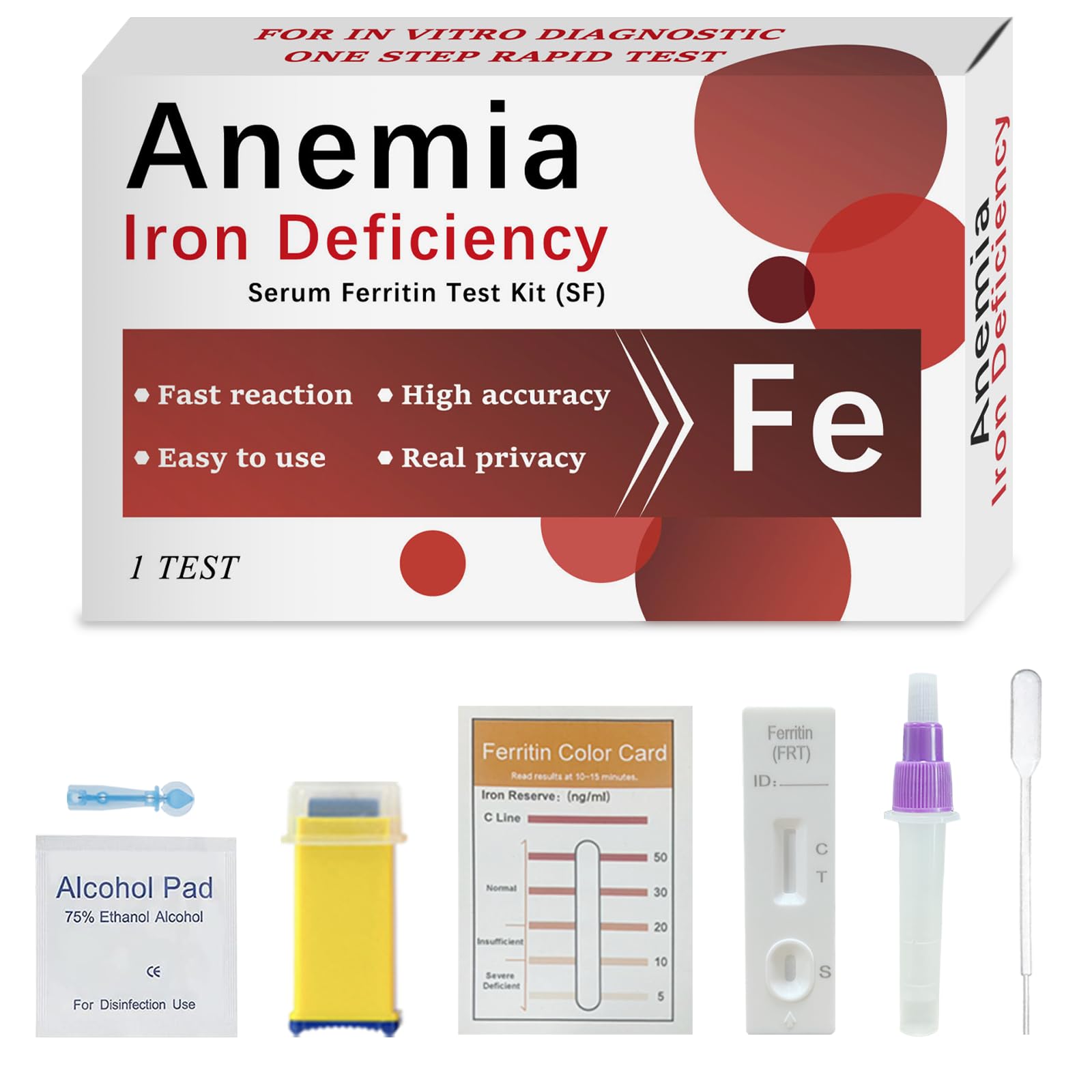
Ferritin to assess iron stores (with awareness of inflammation’s effect)
Complete blood count (CBC) to assess red blood cell indices
Additional iron studies (e.g., transferrin saturation) when the picture is unclear
Because both deficiency and overload can occur, research suggests that testing guides safer, more appropriate management than assuming symptoms alone reflect iron status (Evidence: strong). This article does not provide diagnostic thresholds or medical advice; decisions should be individualized by a qualified clinician.
Key references: WHO ferritin guideline; primary care evaluation reviews
Food‑first strategies to support iron stores
A nutrition and cooking approach may help maintain or rebuild iron stores while minimizing side effects of unnecessary supplementation.
Heme vs. non‑heme iron (Evidence: strong): Heme iron from animal foods (e.g., meat, poultry, seafood) is absorbed more efficiently than non‑heme iron from plants. Non‑heme absorption varies widely and is more sensitive to meal composition.
Enhance with vitamin C and acidity (Evidence: strong): Vitamin C‑rich foods (e.g., citrus, peppers, berries) and acidic ingredients (e.g., lemon juice, tomatoes) can improve non‑heme iron absorption when eaten with iron‑containing foods.
Consider inhibitors around iron‑rich meals (Evidence: strong): Tea/coffee polyphenols, calcium, and phytates in some legumes/whole grains can reduce non‑heme absorption when consumed simultaneously. Traditional methods such as soaking, sprouting, fermenting, and sourdough leavening may reduce phytates and modestly improve bioavailability (Evidence: moderate).
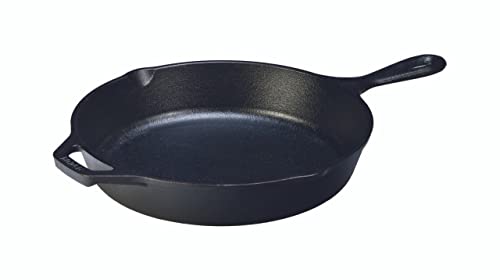
Cooking in cast iron (Evidence: moderate): Acidic, moist, longer‑cooked dishes can pick up small amounts of iron from cast‑iron cookware, raising the iron content of foods—an approach that has improved iron status in certain populations when consistently applied (Evidence: moderate; community trials and food chemistry studies).
These strategies are food‑based and generally safe for most people. Those with potential iron overload should avoid actively increasing iron intake without guidance.
Key references: Reviews on iron absorption enhancers/inhibitors; community trial of iron cookware; food science studies
Traditional perspectives and cautions (Evidence: traditional/emerging)
Traditional medicine systems recognized fatigue, pallor, and leg discomfort as signs of “blood” or vitality depletion. In Ayurveda, conditions resembling iron deficiency fall under “Pandu,” and iron‑based preparations such as Loha Bhasma have been used historically. Modern laboratory studies on such preparations are limited and variable in quality (Evidence: emerging). Independent analyses of some commercially available Ayurvedic products have detected heavy metals (e.g., lead), highlighting the importance of quality control and practitioner oversight (Evidence: strong for safety concerns in unregulated products). For safety, research suggests focusing on dietary strategies and clinician‑guided evaluation before considering traditional mineral preparations.
Key references: Reviews of Ayurvedic bhasma; JAMA studies on heavy metals in Ayurvedic supplements
A note on iron overload—and why testing comes first (Evidence: strong)
While low ferritin can sap energy, excess iron can damage the liver, heart, and pancreas. Hereditary hemochromatosis and other iron‑loading conditions can raise ferritin and transferrin saturation over time. Research consistently warns against self‑supplementing with iron without testing, particularly for those with a family history of iron overload, liver disease, or unexplained high ferritin (Evidence: strong). Appropriate evaluation helps tailor safe, effective strategies.
Key references: NEJM cohort on hereditary hemochromatosis; clinical reviews
Bottom line
Low ferritin with normal hemoglobin—non‑anemic iron deficiency—may contribute to fatigue, brain fog, restless legs, and reduced exercise capacity (Evidence: moderate).
Ferritin is a more sensitive early marker of iron depletion than hemoglobin and is best interpreted alongside other labs and clinical context, especially inflammation (Evidence: strong).
Food‑first approaches—combining iron‑containing foods with vitamin C, using traditional preparation methods to reduce inhibitors, and occasionally cooking in cast iron—may help support iron stores (Evidence: moderate to strong).
Because both deficiency and overload carry risks, research suggests testing and personalized guidance before making major changes or using iron-containing supplements or traditional mineral preparations (Evidence: strong).
References
WHO. WHO guideline on use of ferritin concentrations to assess iron status. 2020.
Pasricha S‑R, Tye‑Din J, Muckenthaler MU, Swinkels DW. Iron deficiency. The Lancet. 2021.
Vaucher P, et al. Effect of iron supplementation on fatigue in non‑anaemic menstruating women: randomized trial. CMAJ. 2012.
Trotti LM, et al. Iron for the treatment of restless legs syndrome. Cochrane Database Syst Rev. 2019/2021 update.
Murray‑Kolb LE, Beard JL. Iron treatment normalizes cognitive functioning in young women. Am J Clin Nutr. 2007.
Peeling P, et al. Iron considerations for the athlete: a narrative review. Sports Med. 2014.
Hurrell R, Egli I. Iron bioavailability and dietary reference values. Am J Clin Nutr. 2010.
Teucher B, Olivares M, Cori H. Enhancers of iron absorption: ascorbic acid and other organic acids. Int J Vitam Nutr Res. 2004.
Adish AA, et al. Effect of Ethiopian iron‑fortified pots on anemia in young children. The Lancet. 1999.
Saper RB, et al. Heavy metal content of Ayurvedic herbal medicine products. JAMA. 2004/2008.
Allen KJ, Gurrin LC, et al. Iron‑overload–related disease in HFE hereditary hemochromatosis. N Engl J Med. 2008.
This content is for informational purposes only and does not constitute medical advice. Always consult a qualified healthcare provider before starting, stopping, or changing any supplement or medication regimen.
## Why You Can Feel Iron-Deficient Without “Anemia”
If you feel persistently tired, unfocused, or plagued by restless legs but your blood count looks “normal,” iron could still be part of the story.
# Iron Deficiency Without Anemia: Fatigue, Ferritin, and Finding Balance
Iron is best known for preventing anemia, yet research suggests many people experience iron-related symptoms well before hemog
Ferritin Test. Iron Storage Test, Serum Ferritin Test. ## Overview
A **ferritin test** is a laboratory blood test that measures the concentration of **ferritin**, a protein that stores iron inside cells and releases it when the body needs it. Because ferritin reflects, to a significant extent, the body’s **iron reserves**, the test is widely used when
Vitamin Combinations for Optimal Energy: An Evidence‑Based Guide to Stacks, Safety, and When to Test. If you’re dragging through the day and wondering which vitamin combinations for optimal energy can actually help, you’re not alone. Fatigue has many causes—sleep debt, stress, low iron, suboptimal B vitamins, thyroid issues, post‑viral recovery—and the right nutrient stack depends on what’s driving
Iron Deficiency Anemia. . ## Overview
**Iron deficiency anemia (IDA)** is a common form of anemia that occurs when the body does not have enough iron to produce adequate amounts of hemoglobin, the oxygen-carrying component of red blood cells. As iron stores decline, red blood cell production becomes impaired, and tissues ma
Adrenal Fatigue. . ## Adrenal Fatigue: Overview
**“Adrenal fatigue”** is a popular term in alternative and integrative health circles used to describe a pattern of **persistent tiredness, low stress tolerance, sleep disruption, brain fog, cravings, and reduced resilience** that is thought to arise after prolonged phy