

Adrenal Fatigue
Adrenal Fatigue: Overview
“Adrenal fatigue” is a popular term in alternative and integrative health circles used to describe a pattern of persistent tiredness, low stress tolerance, sleep disruption, brain fog, cravings, and reduced resilience that is thought to arise after prolonged physical or emotional stress. The idea generally suggests that the adrenal glands—the small glands above the kidneys that help regulate cortisol and other hormones—become unable to keep up with the body’s demands. Although the term is widely used in wellness settings, it is not recognized as an established medical diagnosis in conventional endocrinology.
The topic remains significant because the symptoms associated with adrenal fatigue are common, nonspecific, and often distressing. People experiencing ongoing exhaustion may also be dealing with poor sleep, burnout, anxiety, depression, overtraining, nutritional issues, medication effects, thyroid disorders, anemia, chronic infection, or formally recognized endocrine conditions such as adrenal insufficiency. This overlap is one reason the concept remains controversial: the symptom cluster is real, but the proposed mechanism of “fatigued” adrenal glands has not been consistently supported by clinical evidence.
From a broader health perspective, the adrenal fatigue conversation reflects a growing public interest in the biological effects of chronic stress and allostatic load—the cumulative burden placed on the body by repeated stress exposure. Research does support that chronic stress can affect sleep, mood, immune signaling, metabolism, autonomic balance, and daily cortisol patterns in complex ways. However, these changes do not necessarily mean the adrenal glands are “worn out.” For this reason, many clinicians and researchers prefer to discuss stress-related dysregulation, burnout, HPA-axis changes, or unexplained fatigue rather than adrenal fatigue itself.
Because the term sits at the intersection of conventional endocrinology and traditional healing systems, it is often approached differently across medical paradigms. A careful evaluation by a qualified healthcare professional is important when fatigue is severe, persistent, or accompanied by weight loss, dizziness, fainting, skin changes, gastrointestinal symptoms, menstrual changes, or worsening mental health symptoms, since these may point to identifiable medical conditions requiring formal assessment.
Medical Perspectives
Two Ways of Seeing Health

Western
scientific · clinical
Western medicine applies science, technology, and clinical experience to treat symptoms through testing, diagnosis, and targeted intervention.

Eastern
traditional · alternative
Eastern medicine focuses on treating the body naturally by applying traditional knowledge practiced for thousands of years, emphasizing balance and whole-person wellness.
Gold Bamboo presents both perspectives side-by-side so you can make informed decisions. We don't advocate for one over the other — your health choices are yours.
Western Medicine Perspective
Western / Conventional Medicine Perspective
In conventional medicine, adrenal fatigue is not considered a valid medical diagnosis by major endocrine organizations. Reviews of the literature have found insufficient evidence that chronic stress causes the adrenal glands to “burn out” in the way commonly described in alternative medicine. Instead, when clinicians evaluate chronic fatigue or low energy, they typically consider a wide differential that may include sleep disorders, depression, anxiety, medication side effects, anemia, thyroid disease, diabetes, chronic inflammatory conditions, post-viral syndromes, nutritional deficiencies, and true adrenal disorders.
A key distinction in endocrinology is between the popular concept of adrenal fatigue and the recognized condition of adrenal insufficiency. Adrenal insufficiency involves objectively impaired hormone production, often confirmed through laboratory testing such as cortisol measurement and ACTH stimulation testing. It can be serious and may present with symptoms such as profound fatigue, weight loss, low blood pressure, salt craving, nausea, abdominal pain, and skin hyperpigmentation in some cases. Conventional medicine emphasizes that nonspecific fatigue alone does not establish adrenal dysfunction.
At the same time, western research does acknowledge that chronic stress can alter neuroendocrine regulation, especially within the hypothalamic-pituitary-adrenal (HPA) axis. Studies have explored associations between stress, burnout, altered diurnal cortisol rhythms, autonomic imbalance, and inflammatory signaling. These findings suggest a more nuanced model of stress-related physiological adaptation or dysregulation, rather than simple adrenal exhaustion. Because of this complexity, conventional approaches generally focus on identifying measurable causes, addressing sleep and mental health, evaluating lifestyle contributors, and ruling out dangerous endocrine disease through appropriate medical assessment.
Eastern & Traditional Perspective
Eastern / Traditional Medicine Perspective
In Traditional Chinese Medicine (TCM), the symptom pattern often labeled adrenal fatigue is not usually framed as a disorder of the adrenal glands themselves. Instead, it may be understood through patterns such as Kidney deficiency, Spleen Qi deficiency, Heart-Spleen imbalance, or Liver Qi stagnation transforming into depletion over time. Chronic overwork, emotional strain, irregular sleep, poor nourishment, and long-term illness are traditionally viewed as factors that can diminish the body’s reserve energy and impair resilience. Fatigue, unrefreshing sleep, weakness, low motivation, and stress intolerance are interpreted in relation to the balance of Qi, Blood, Yin, and Yang rather than a single hormonal mechanism.
In Ayurveda, similar symptom clusters may be discussed in terms of stress-driven imbalance in Vata, depletion of vitality, impaired digestion and assimilation, or reduced ojas, a traditional concept associated with resilience and constitutional strength. Longstanding strain, erratic routines, inadequate rest, and mental overexertion are traditionally considered contributors to systemic imbalance. The emphasis is often placed on restoring steadiness, nourishment, and recovery capacity rather than isolating one organ as the sole source of symptoms.
Other integrative and naturopathic frameworks frequently use the term adrenal fatigue as a practical shorthand for stress-related exhaustion, even while acknowledging that it does not correspond neatly to a conventional diagnosis. These systems often emphasize whole-person patterns involving sleep, digestion, mood, energy fluctuations, and perceived stress burden. While many patients find these explanatory models meaningful, the scientific support for the adrenal fatigue construct itself remains limited. For this reason, balanced integrative care generally highlights the importance of combining traditional pattern-based interpretation with appropriate conventional evaluation to exclude medically recognized causes of fatigue.
Supplements & Products
Recommended Products

The Adrenal Thyroid Revolution: A Proven 4-Week Program to Rescue Your Metabolism, Hormones, Mind & Mood: Aviva Romm
The Adrenal Thyroid Revolution <strong>explains SOS, how it impacts our bodies and can lead to illness, and most importantly, offers a drug-free cure developed through Dr.</strong> Romms research and
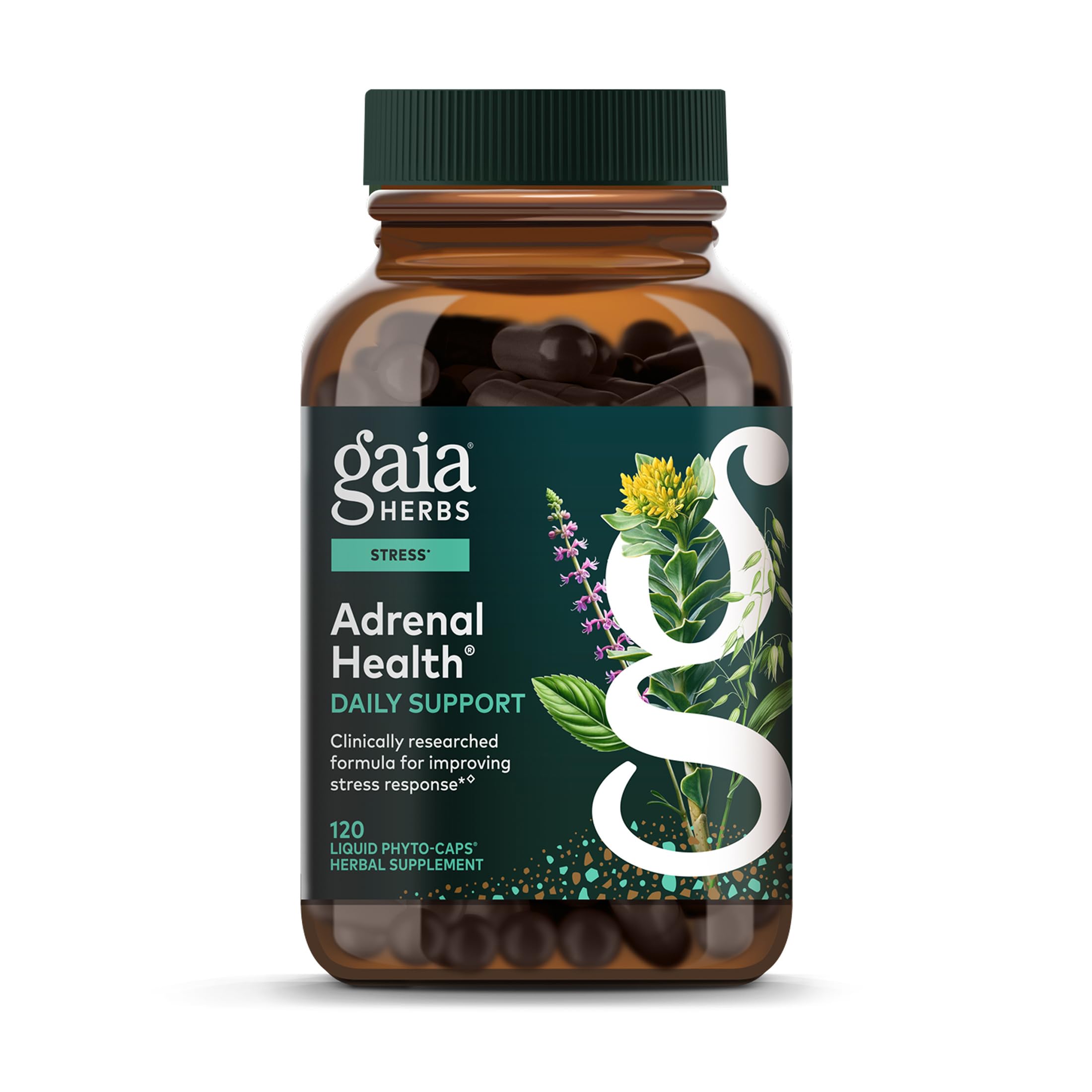
Gaia Herbs Adrenal Health Daily Support - Herbal Supplement with Ashwagandha, Holy Basil & Schisandra - Help Maintain Healthy Energy & Stress Levels* - 60 Vegan Liquid Phyto-Caps (30 Servings)
Supports Healthy Stress Response: <strong>A clinically studied blend of adaptogenic herbs, like ashwagandha, holy basil, Rhodiola rosea, and schisandra</strong>, that support your adrenal glands, whic

THORNE - Rhodiola - Botanical Supplement for Stress Relief - Enhances Sleep and Mental Focus* - 60 Capsules
Rhodiola Rosea Supplement 500mg, 120 Vegan Capsules (Third Party Test, Gluten Free, 3% Salidrosides, 1% Rosavins Extract) for Performance, Calming, Motivation by Double Wood
Evidence & Sources
Early-stage research, mostly preclinical or preliminary human studies
- Endocrine Society
- Hormone Health Network
- BMC Endocrine Disorders
- NCCIH (National Center for Complementary and Integrative Health)
- National Institute of Diabetes and Digestive and Kidney Diseases (NIDDK)
- Psychoneuroendocrinology
- Journal of Clinical Endocrinology & Metabolism
- World Health Organization (WHO)
This content is for informational purposes only and does not constitute medical advice. Always consult a qualified healthcare provider before starting, stopping, or changing any supplement or medication regimen.