A practical, evidence‑informed guide to holistic mental health strategies—lifestyle, mind‑body, herbs, and supplements—plus how to personalize safely.
·11 min read
This content is for informational purposes only and does not constitute medical advice. Always consult a qualified healthcare provider before starting, stopping, or changing any supplement or medication regimen.
If you’re feeling anxious, low, or mentally scattered and want a plan that goes beyond a single pill or practice, you’re not alone. Many people look for holistic mental health strategies that honor the whole person. This guide synthesizes what research suggests about lifestyle, mind–body, herbal, and integrative options, while also acknowledging time‑tested Eastern traditions. Our aim is practical: help you build a safe, sustainable plan you can actually use.
What Is Holistic Mental Health?
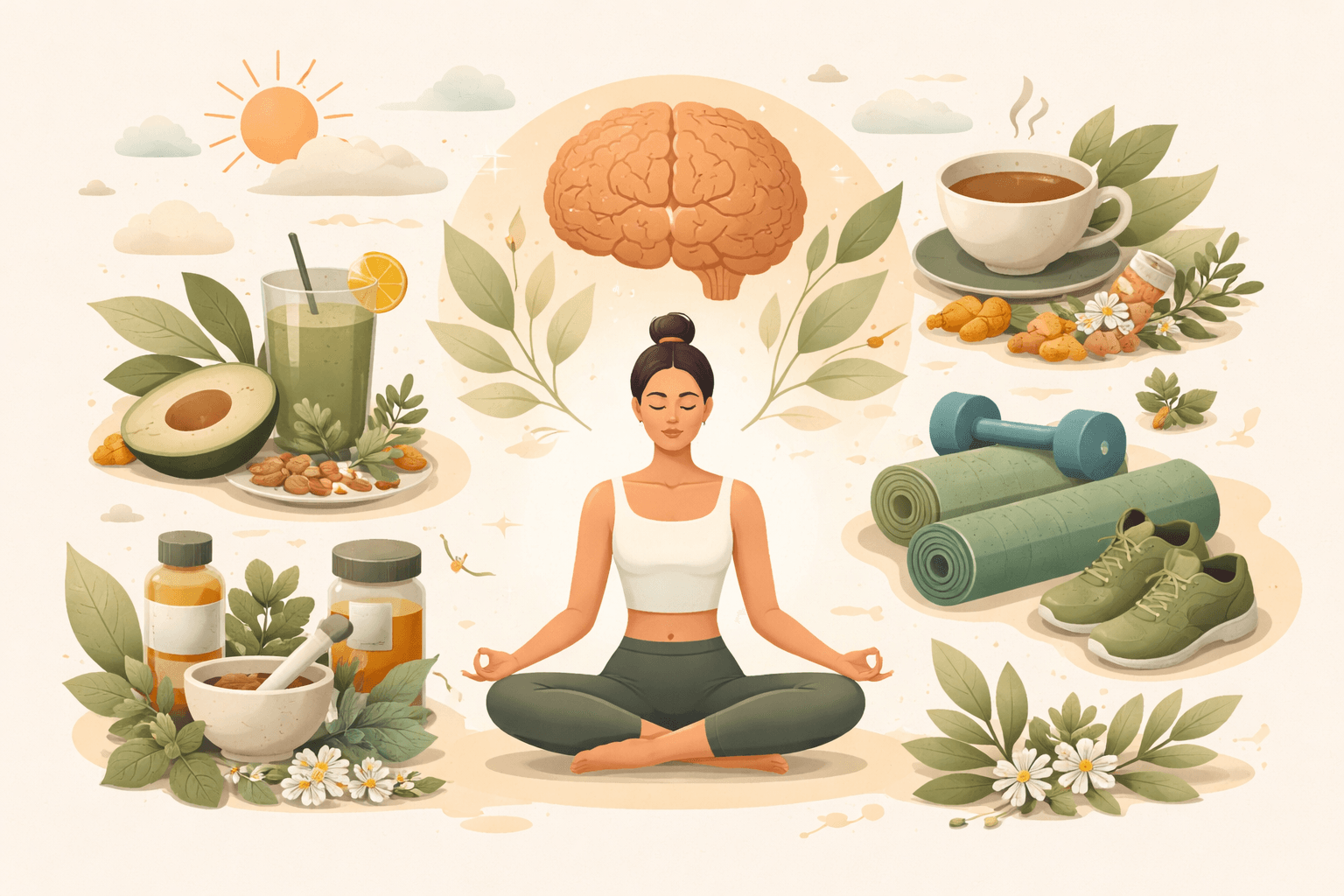
Holistic mental health focuses on the interconnected biological, psychological, social, and spiritual dimensions of well‑being. Unlike a purely biomedical model that targets symptoms with medications alone, holistic care aims to address root contributors—sleep, stress physiology, nutrition (including the gut–brain axis), movement, environment, relationships, meaning, and, when appropriate, targeted therapies from both Western and Eastern traditions.
Core principles:
Systems view: Mood and cognition emerge from interacting systems—nervous, immune, endocrine, and microbiome. Change in one often shifts the others.
Individualization: Genetics, trauma history, culture, and preferences shape what works best.
Least‑risk, foundational first: Prioritize sleep, nutrition, and movement, then layer mind–body skills and select supplements or therapies as needed.
Integration: Combine psychotherapy and medication with lifestyle and mind–body strategies when indicated; these approaches are complementary, not competing.
Key Holistic Mental Health Strategies: Lifestyle Foundations
Lifestyle is the bedrock of holistic mental health strategies. Even modest, consistent improvements in sleep, nutrition, activity, and circadian timing can translate into better mood, energy, and stress tolerance.
Sleep and Circadian Hygiene
Targets to consider:
7–9 hours of regular, restorative sleep; consistent wake time, even on weekends
Morning outdoor light (10–30 minutes) and dim, warm light at night; avoid bright screens 1–2 hours before bed or use night‑mode/blue‑light filters
Expected outcomes: Better emotional regulation, reduced anxiety reactivity, improved attention and motivation. Research suggests that addressing insomnia can also reduce symptoms of depression and anxiety.
Nutrition: Anti‑Inflammatory Patterns and the Gut–Brain Axis
Prioritize protein at each meal; include colorful, polyphenol‑rich foods (berries, leafy greens, spices)
Increase fiber and fermented foods for microbiome diversity; limit ultra‑processed foods, refined sugars, and excess alcohol
Hydration: aim for pale‑straw urine color; consider green tea for gentle alertness
Expected outcomes: Studies indicate that dietary patterns lower in ultra‑processed foods and higher in whole, anti‑inflammatory foods correlate with improved mood and reduced anxiety. Early trials suggest that fermented foods and specific probiotic strains may support stress resilience via the gut–brain axis. For deeper reading on targeted strains, see Psychobiotics and Mood: How Specific Probiotic Strains May Calm the Mind via the Gut–Brain Axis (/articles/psychobiotics-gut-brain-axis-mental-health).
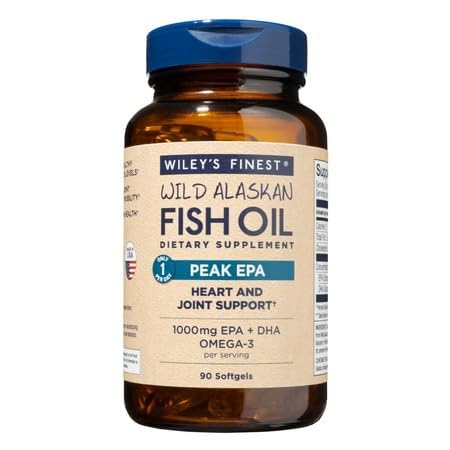
Affiliate note: Many people find High‑EPA Fish Oil convenient when they do not eat fatty fish regularly. Choose third‑party tested products and consult your clinician, especially if you use blood thinners.
Strength training: 2–3 days/week hitting major muscle groups
Mindful movement: yoga, tai chi, or qigong 1–3 days/week to layer mobility, breath, and interoceptive awareness
Expected outcomes: Exercise has moderate to strong evidence for reducing depressive symptoms and anxiety, with benefits comparable to first‑line treatments in some analyses. Somatic practices may down‑shift sympathetic arousal and improve body awareness—a useful antidote to rumination.
Circadian and Light Optimization
Anchor light: bright light exposure within an hour of waking; reduce late‑night light and heavy meals
Consider a dawn alarm or light box in darker months (especially for seasonal mood patterns); timing matters—generally morning use is best
Affiliate note: Many people find a 10,000‑Lux Light Box helpful for structured morning light exposure in winter. Use cautiously if you have bipolar disorder; discuss timing with a clinician.
Mind–Body and Integrative Therapies
Mind–body approaches help train the nervous system. Eastern practices (meditation, yoga, tai chi/qigong) and Western tools (biofeedback, breathwork) often converge on similar mechanisms: improving vagal tone, reducing inflammation markers, and sharpening attention.
Meditation and Breathwork
Meditation types: mindfulness, loving‑kindness, body scan, focused attention
Benefits: Studies indicate reductions in perceived stress and anxiety, improvements in attention and emotion regulation, and modest antidepressant effects. Breathwork can acutely reduce physiological arousal by stimulating the parasympathetic nervous system.
How to start: 5–10 minutes/day, anchored to a routine (after coffee or before bed). For structured options, see Guided Meditation for Mental Wellness: Evidence‑Based Techniques, How to Start, and Sample Scripts (/articles/guided-meditation-for-mental-wellness-evidence-based-techniques-how-to-start-sample-scripts).
Yoga, Tai Chi, and Qigong
These somatic practices blend movement, breath, and attention. Research suggests benefits for anxiety, mood, sleep, and pain. Mechanisms may include improved heart‑rate variability, reduced inflammation, and enhanced interoception. Start with beginner classes or short online sessions; 2–3 times/week yields meaningful benefits for many people.
Acupuncture
Acupuncture, a pillar of Traditional Chinese Medicine, is traditionally used to rebalance qi and calm shen (spirit). Western hypotheses include modulation of endogenous opioids, serotonin, and anti‑inflammatory pathways. Evidence is moderate for anxiety and insomnia, with emerging support for adjunctive use in depression. Seek a licensed acupuncturist and discuss medications and conditions before starting.
Biofeedback and HRV Training
Biofeedback builds awareness of physiological signals (muscle tension, skin conductance, HRV) and teaches regulation skills. HRV biofeedback often uses slow breathing synced to one’s “resonance frequency.” Studies indicate reductions in anxiety and improvements in stress resilience.
Affiliate note: Some people find a Wearable HRV Biofeedback Device helpful for practicing slow‑breathing coherence and tracking recovery trends. These tools can complement, not replace, clinical care.
Evidence‑Backed Herbs and Supplements
Below are commonly discussed options. Evidence levels reflect the overall literature base for mood/anxiety support, not disease treatment.
Evidence: moderate to strong for adjunct support in depression; emerging for anxiety
Notes: Choose products with ≥60% EPA of total omega‑3; potential bleeding risk at higher doses; consult if on anticoagulants
Saffron (Crocus sativus)
Evidence: moderate for mild to moderate depression and anxiety in several small RCTs
Safety: Generally well tolerated; watch for GI upset; avoid during pregnancy unless cleared by a clinician
L‑theanine (from green tea)
Evidence: emerging to moderate for anxiety and sleep quality; promotes alpha‑wave activity
Safety: Generally safe; may increase sedation when combined with other sedatives
Magnesium (often glycinate or citrate)
Evidence: emerging to moderate for anxiety/sleep support, especially if dietary intake is low
Safety: Can cause loose stools (especially citrate); renal disease requires medical guidance
Lavender oil (oral standardized extract)
Evidence: moderate for anxiety in several trials; may aid sleep onset
Safety: Possible GI upset, belching; avoid combining with strong sedatives without guidance
Ashwagandha (Withania somnifera)
Evidence: emerging to moderate for stress and anxiety; adaptogenic effects proposed via HPA‑axis modulation and GABAergic activity
Safety: GI symptoms possible; caution with hyperthyroidism, certain autoimmune conditions, or pregnancy; discuss with your clinician
Rhodiola (Rhodiola rosea)
Evidence: emerging for fatigue and stress‑related burnout
Safety: Stimulating; avoid if sensitive to activation
St. John’s wort (Hypericum perforatum)
Evidence: moderate to strong for mild to moderate depression, but drug interactions are significant
Safety: Major CYP450 induction; can reduce effectiveness of many medications (e.g., oral contraceptives, anticoagulants, some antivirals); risk of serotonin syndrome with SSRIs/SNRIs; only use with medical supervision
Traditional note: Many of these botanicals have long histories in Ayurveda and Traditional Chinese Medicine. Modern trials are expanding but remain variable in quality; product standardization matters.
For a broader view of how naturopathic clinicians integrate herbs with lifestyle and psychotherapy, see Naturopathic Approaches to Mental Health: Evidence‑Based Herbs, Supplements, Lifestyle & When to See a Naturopath (/articles/naturopathic-approaches-to-mental-health).
Social, Environmental, and Digital Factors
Holistic mental health is also shaped by relationships, surroundings, and technology habits. These are powerful—and often overlooked—levers.
Relationships and Community
Prioritize emotionally safe, reciprocal connections; schedule regular time with trusted friends/family
Consider peer groups, faith communities, volunteering, or interest‑based meetups to build belonging
Communication skills (assertiveness, reflective listening) can reduce conflict and loneliness
Expected outcomes: Stronger social ties are associated with lower depression and anxiety risk and improved resilience. Brief skills training and structured social activity can help, especially during life transitions.
Nature Exposure and Environment Design
Green time: 2+ hours/week in nature is associated with better self‑reported health and well‑being
Micro‑doses: Short park walks, balcony plants, or nature sounds can help on busy days
Home/work optimization: Declutter high‑use areas; use warmer light at night, cooler light by day; improve air quality (ventilation, HEPA filtration if needed); manage noise with soft furnishings or white noise
Expected outcomes: Studies indicate that time in natural settings can reduce stress hormones and rumination and improve mood. Simple environmental tweaks often make routines (sleep, focus, meals) easier.
Digital Hygiene to Reduce Stress and Rumination
Batch notifications; designate “focus blocks” and screen‑free zones (bedroom, dining table)
Use greyscale and hide high‑temptation apps from the home screen; log out after each session
Time‑box social media; unfollow doom‑scroll triggers; favor creator or community interactions over passive consumption
Protect sleep: keep devices out of the bedroom; use night‑mode/blue‑light filters after sunset
Expected outcomes: Limiting social media time and nighttime screen use is linked with better sleep and lower depressive symptoms. Reduced digital overload can free attention for restorative activities.
What the Research Says
Evidence snapshots and strength ratings for major strategies:
Sleep optimization and CBT‑I for insomnia: strong for improving sleep; moderate for reducing depressive/anxiety symptoms when sleep improves (mechanism: circadian and homeostatic recalibration)
Mediterranean‑style and anti‑inflammatory eating patterns: moderate for depression improvement; emerging to moderate for anxiety (mechanism: reduced neuroinflammation, improved insulin sensitivity, microbiome effects)
Exercise (aerobic and resistance): strong for depression symptom reduction; moderate for anxiety (mechanism: neurotrophic factors like BDNF, endocannabinoid and monoamine modulation)
Meditation and breathwork: moderate for stress and anxiety; emerging to moderate for depression (mechanism: enhanced prefrontal–amygdala regulation, vagal tone)
Yoga/tai chi/qigong: moderate for anxiety and sleep; emerging to moderate for depression (mechanism: autonomic balance, interoception)
Acupuncture: moderate for anxiety and insomnia; emerging to moderate for depression (mechanism: neurochemical and anti‑inflammatory modulation)
Targeted supplements (e.g., omega‑3s, saffron, lavender, L‑theanine, magnesium): moderate for specific indications; product quality matters (mechanisms vary—anti‑inflammatory, GABAergic, serotonergic support)
Overall evidence level for this integrative approach is moderate: multiple RCTs and meta‑analyses support several components, while others have emerging or traditional bases.
Personalized, Sustainable Planning and Safety
A good plan is realistic, trackable, and integrated with your medical care when needed.
Simple assessment and tracking:
Choose 2–3 goals (e.g., 30 minutes morning light + 20 minutes walk after lunch + 10 minutes guided meditation)
Track mood, sleep quality, energy, and anxiety daily or weekly; short notes suffice
Consider validated self‑checks (e.g., brief mood/anxiety questionnaires) to spot trends; share results with your clinician
Use habit stacking (tie new actions to existing routines) and environmental cues (yoga mat visible, phone in kitchen at night)
Combining with psychotherapy and medication:
Psychotherapies like CBT, ACT, interpersonal therapy, or trauma‑informed modalities integrate well with lifestyle and mind–body skills
Medications can be essential; lifestyle and integrative strategies often enhance response and reduce relapse risk
Coordinate with your prescriber before adding supplements—some interact with antidepressants, antianxiety meds, anticoagulants, or oral contraceptives
When to seek professional or urgent care:
Thoughts of harming yourself or others; a plan or intent—seek immediate help (emergency services or crisis support)
Severe or rapidly worsening depression, anxiety, panic, mania, or psychosis
Postpartum mood changes with impaired functioning
Substance withdrawal or heavy use with health risks
Eating disorders with medical instability
Significant side effects after starting a new medication or supplement
For help creating a blended care team, see Combining Eastern and Western Health Practices: An Evidence‑Based Guide to Integrative Care (/articles/combining-eastern-and-western-health-practices).
Practical Takeaways
Build from foundations: Protect sleep and circadian rhythm; eat mostly whole, anti‑inflammatory foods; move your body most days
Train the nervous system: Add a daily 5–10 minute meditation or breathwork; layer yoga or tai chi a few times/week
Consider targeted, quality‑controlled supplements with clinician guidance (e.g., omega‑3s, saffron, magnesium, L‑theanine, standardized lavender); avoid high‑interaction herbs like St. John’s wort unless supervised
Shape your context: Strengthen supportive relationships, add weekly nature time, and practice digital hygiene
Track and iterate: Start small, measure what matters, and adjust based on your data and preferences
If stress is your primary concern right now, you might also explore Holistic Approaches to Stress Relief: Evidence‑Based Mind‑Body Practices, Herbs, and Lifestyle Strategies (/articles/holistic-approaches-to-stress-relief).
Disclaimer
This article is for educational purposes and does not replace personalized medical advice. Always consult a qualified professional for diagnosis and treatment, especially before starting or changing medications, herbs, or supplements. If you’re in crisis or considering self‑harm, seek emergency help immediately.
This content is for informational purposes only and does not constitute medical advice. Always consult a qualified healthcare provider before starting, stopping, or changing any supplement or medication regimen.
Holistic Approaches to Stress Relief: Evidence‑Based Mind‑Body Practices, Herbs, and Lifestyle Strategies. If you’re feeling wired, tired, and overwhelmed, you’re not alone. Many people look for holistic approaches to stress relief that work with the whole person—mind, body, and daily environment. Research suggests integrated strategies can calm the stress response, improve mood and sleep, and support lo
Naturopathic Approaches to Mental Health: Evidence‑Based Herbs, Supplements, Lifestyle & When to See a Naturopath. Many people are searching for safe, effective ways to feel calmer, think more clearly, and sleep better without relying only on medication. Naturopathic approaches to mental health aim to treat the whole person—body, mind, and environment—while working alongside conventional psychiatric care when ne
Naturopathic Remedies for Anxiety: Evidence‑Based Herbs, Supplements, Lifestyle Strategies & When to See a Naturopath. If you’re exploring naturopathic remedies for anxiety, you’re likely looking for options that address root causes, feel gentler than medication, and still have evidence behind them. This guide brings together research‑informed herbs, supplements, lifestyle strategies, and mind–body tools from both w
Holistic Methods for Improving Immunity: An Evidence‑Based Guide to Lifestyle, Herbs, and Mind‑Body Practices. If you’re looking for holistic methods for improving immunity, you’re not alone. Many people want a practical, evidence‑informed plan that blends lifestyle, nutrition, mind–body practices, and time‑honored botanicals. Research suggests you can support both innate and adaptive immunity by stacking sm
Eastern Approaches to Mental Wellness: TCM, Ayurveda, Mind‑Body Practices, and Evidence‑Based Strategies. If you’re exploring eastern approaches to mental wellness, you might be wondering how traditions like Traditional Chinese Medicine (TCM), Ayurveda, mindfulness, qigong, and yoga can help with stress, anxiety, mood, and clarity—especially alongside therapy or medication. Research suggests many of the
Holistic Methods for Pain Relief: An Evidence‑Based Guide to Mind‑Body, Manual, Herbal, and Lifestyle Approaches. If you’re looking for holistic methods for pain relief, you’re likely hoping for options that reduce pain without heavy side effects, help you function better, and respect both body and mind. This guide brings together evidence‑based mind–body practices, movement and manual therapies, acupuncture an