Folate vs. Folic Acid for MTHFR and Homocysteine: What Research Really Says
A focused, evidence-based guide to folate vs. folic acid for MTHFR and homocysteine—what’s proven, what’s hype, and how a food-first approach supports methylation.
·7 min read
This content is for informational purposes only and does not constitute medical advice. Always consult a qualified healthcare provider before starting, stopping, or changing any supplement or medication regimen.
Folate vs. Folic Acid for MTHFR and Homocysteine: What Research Really Says
If you’ve heard that your methylation “depends on MTHFR” or that methylfolate is the only effective option, you’re not alone. This focused guide unpacks what the evidence actually shows about folate (food folate) versus folic acid (the synthetic form), how common MTHFR variants influence homocysteine, and where food-first strategies fit in.
Quick take
Methylation needs folate, vitamin B12, and vitamin B6 to recycle homocysteine back to methionine. [Evidence: strong]
Common MTHFR C677T variants can raise homocysteine modestly, especially when folate status is low, but do not usually cause disease by themselves. [Evidence: strong]
Both folic acid and 5-methyltetrahydrofolate (5-MTHF; “methylfolate”) can lower homocysteine; 5-MTHF may lead to less unmetabolized folic acid in blood and may be advantageous in some low-folate or MTHFR contexts. [Evidence: moderate]
Elevated homocysteine is a useful methylation-related biomarker; lowering it with B vitamins is consistent, but clinical benefits vary by population and baseline folate status. [Evidence: strong for homocysteine lowering; moderate for outcomes]
Folate (food) vs. folic acid (fortification/supplements)
Folate is the natural family of folate compounds in foods (often polyglutamates) that are converted to active forms, including 5-MTHF. [Evidence: strong]
Folic acid is a synthetic, stable form used in fortified foods and many supplements; it’s converted via dihydrofolate reductase into active folates. [Evidence: strong]
After mandatory folic acid fortification, population folate status improved and neural tube defects declined in many countries. [Evidence: strong; systematic reviews]
Some studies detect unmetabolized folic acid (UMFA) in circulation when intake exceeds the body’s short-term capacity to convert it. The clinical significance of UMFA remains uncertain; concerns have been raised about masking B12 deficiency and potential immune effects, but definitive harms are not established. [Evidence: emerging] (Obeid 2018, Nutr Rev; Morris 2010, Am J Clin Nutr)
Bottom line: both folate-rich foods and folic acid fortification have public health benefits. The UMFA question is still being investigated. [Evidence: strong for benefits; emerging for UMFA risks]
Does MTHFR genotype change what works?
Prevalence: The common MTHFR C677T variant is widespread. Roughly 10–15% of many European populations and up to ~20% of some East Asian groups are homozygous (TT), while frequencies are lower in many African populations. Heterozygosity (CT) is much more common. [Evidence: strong] (Botto & Yang 2000, Epidemiology)
Biochemical impact: The 677TT genotype reduces MTHFR enzyme activity and may raise homocysteine, particularly when folate intake or status is low. With adequate folate status, the effect on homocysteine diminishes. [Evidence: strong] (Homocysteine Lowering Trialists’ Collaboration; Clarke 2010, BMJ)
Clinical significance vs. hype: Large trials and Mendelian randomization studies suggest that genetically higher homocysteine from MTHFR does not substantially raise coronary heart disease risk in folate-replete populations. [Evidence: strong] (Holmes 2011, BMJ; Clarke 2010, BMJ)
Stroke exception in low-folate settings: In folate-poor populations, folic acid with antihypertensive therapy reduced first stroke risk, with stronger effects reported in some MTHFR 677TT subgroups. [Evidence: moderate] (Huo 2015, JAMA; Qin 2017, Stroke)
Practical takeaway: MTHFR variants matter most when folate status is low; ensuring sufficient folate-related nutrition generally mitigates biochemical effects. [Evidence: strong]
Homocysteine: a practical marker
Elevated homocysteine is associated with cardiovascular and cognitive risk in observational studies. [Evidence: moderate]
Clinical outcomes are mixed: effects on major cardiovascular events are small to null in fortified populations, but stroke reduction has been observed in low-folate contexts. [Evidence: moderate] (Clarke 2010, BMJ; Martí‑Carvajal 2017, Cochrane; Huo 2015, JAMA)
Emphasize folate-dense whole foods: leafy greens (spinach, kale), legumes (lentils, chickpeas), asparagus, beets, citrus, and, in some traditions, liver. Traditional foodways that “build blood” (e.g., dark greens, legumes, sesame, and organ meats in East Asian and Mediterranean cuisines) align with folate and B12 nutrition. [Evidence: strong for nutrient content; traditional perspective]
Use gentle cooking: prolonged boiling can reduce folate; light steaming or consuming some items raw may preserve more folate. [Evidence: moderate]
Consider fortified staples: In regions with grain fortification, everyday foods can contribute meaningfully to folate status. [Evidence: strong]
Don’t forget the team: Adequate vitamin B12 (animal foods or fortified alternatives) and vitamin B6 (poultry, fish, potatoes, bananas, chickpeas) support the full methylation network. [Evidence: strong]
Why deficiency/insufficiency still occurs in developed countries:
Vitamin B12 malabsorption (age-related gastric changes), certain medications, and restrictive dietary patterns contribute to low B12 status despite adequate intake. [Evidence: strong] (Allen 2009, Am J Clin Nutr)
Suboptimal vitamin B6 status is more common than many realize, especially in older adults. [Evidence: strong] (Morris 2008, Am J Clin Nutr)
Lifestyle factors (alcohol use, limited produce intake) and cooking losses can reduce effective folate availability. [Evidence: moderate]
Supplements: methylfolate vs. folic acid (and where B12/B6 forms fit)
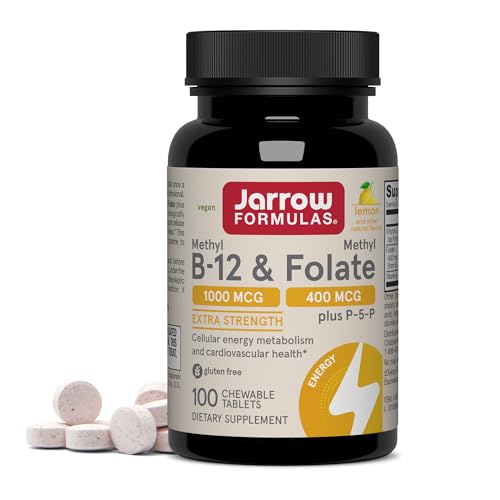
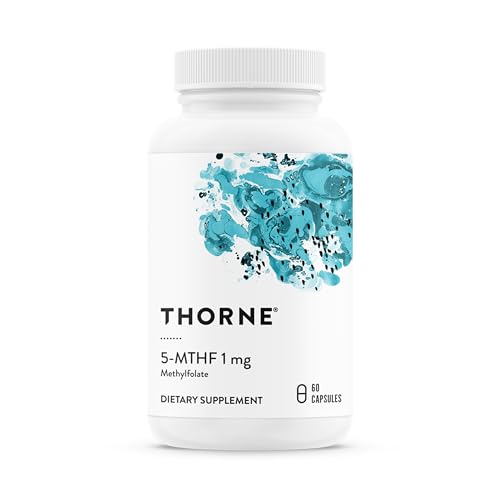
5-MTHF vs. folic acid for homocysteine: Research suggests both forms effectively raise folate status and lower homocysteine. Some trials indicate 5-MTHF performs at least as well as folic acid and may avoid circulating UMFA; potential advantages may be greater in 677TT individuals or low-folate settings. [Evidence: moderate] (Lamers 2006, AJCN; Pietrzik 2010, Eur J Clin Nutr; Obeid 2017, Br J Nutr)
Safety perspective: Public health data firmly support folic acid fortification for neural tube defect prevention. The UMFA question is unresolved; 5-MTHF offers a physiologic form that bypasses MTHFR, but definitive clinical superiority is not established across outcomes. [Evidence: strong for NTD prevention; emerging for UMFA; moderate for any 5-MTHF superiority]
Vitamin B6 forms: Most supplements use pyridoxine, which the body converts to the active coenzyme PLP. Direct PLP (P5P) may be useful in rare metabolic contexts, but evidence for broad superiority is limited. [Evidence: moderate]
Note: Individual needs vary by diet, genetics, medications, and health status. Discuss testing and strategies with a qualified clinician. This article does not provide medical advice or dosage recommendations.
Eastern and traditional perspectives
Traditional systems emphasize “blood-nourishing” diets—leafy greens, legumes, seeds, and liver—that map well to folate and B12 density and, by extension, methylation pathways. Fermented foods, a staple in East Asian and Mediterranean cuisines, may support B vitamin availability and gut health that indirectly influences nutrient status. These perspectives align with a food-first approach while modern research elucidates underlying biochemical mechanisms. [Evidence: traditional for dietary patterns; emerging for mechanistic links]
Bottom line
For most people, improving folate status through food and, where present, fortified staples supports methylation and helps keep homocysteine in check. [Evidence: strong]
MTHFR variants are common and typically modest in effect; their clinical impact is most apparent when folate status is low. [Evidence: strong]
Both folic acid and 5-MTHF lower homocysteine; 5-MTHF may offer advantages in select contexts and avoids UMFA, but clear outcome superiority over folic acid is not consistently shown. [Evidence: moderate]
Homocysteine is a useful marker of one‑carbon metabolism; lowering it with B vitamins is consistent, while hard clinical outcomes depend on population context (with the clearest benefit for stroke in low-folate settings). [Evidence: strong for biomarker change; moderate for outcomes]
Keep the team together: Folate works with B12 and B6. A diverse, minimally processed diet—echoed by traditional foodways—remains the foundation, with targeted supplementation considered on an individual basis. [Evidence: strong]
This content is for informational purposes only and does not constitute medical advice. Always consult a qualified healthcare provider before starting, stopping, or changing any supplement or medication regimen.
MTHFR Genetic Test. Methylenetetrahydrofolate Reductase Test, Genetic Polymorphism Test. ## Overview
The **MTHFR genetic test** evaluates common variants in the *methylenetetrahydrofolate reductase (MTHFR)* gene, most often **C677T** and **A1298C**. The MTHFR enzyme helps convert folate into biologically active forms used in **DNA synthesis**, **methylation**, and the metabolism of **ho
Homocysteine: What This Blood Marker Tells You About B Vitamins and Methylation
Homocysteine sits at the crossroads of the body’s methylation and sulfur pathways. When homocysteine accumulates in the
Introduction
Methylation is a quiet cellular workhorse. It helps turn genes on and off, recycles [homocysteine](/articles/homocysteine-b-vitamins-methylation-marker), builds neurotransmitters, and sup
Folate Test. Folic Acid Test, Serum Folate Test. ## Overview
A **folate test** is a laboratory assessment used to evaluate folate status in the body. Folate, also known as **vitamin B9**, is essential for **DNA synthesis, red blood cell formation, cellular division, and normal neurologic development**. Because rapidly dividing cells depend on adeq
Vitamin B9. Folate, Folic Acid, Vit B9. ## Overview
**Vitamin B9** is the umbrella term commonly used for **folate** and closely related compounds involved in **DNA synthesis, cell division, amino acid metabolism, and red blood cell formation**. Folate occurs naturally in foods such as leafy greens, legumes, citrus, and liver, while **fol
Homocysteine Test. Hcy Test, Cardiovascular Risk Marker. ## Overview
A **homocysteine test** is a blood test that measures the amount of **homocysteine**, an amino acid produced during the metabolism of **methionine**, an essential amino acid obtained from dietary protein. Under normal conditions, homocysteine is recycled or converted into other compound